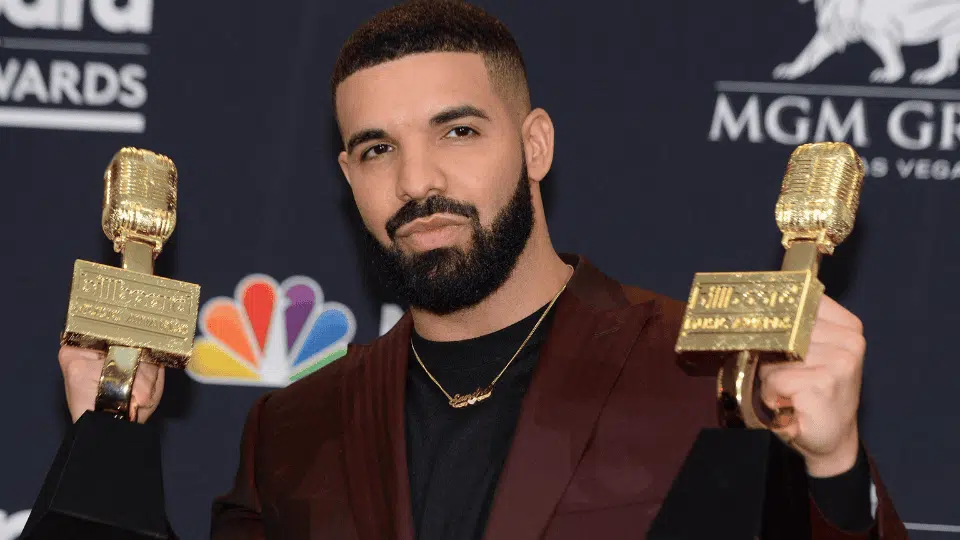

Ever wonder who the most famous rapper is? Or what makes someone a true hip-hop artist?
You’re not alone. Millions of people type these questions into Google every day. Some want to settle debates with friends. Others just love hip-hop and want to learn more.
Here’s what’s coming: clear definitions so everyone’s on the same page. Then, a ranked list of the biggest names in rap history.
The rankings aren’t random. They’re based on real factors such as album sales, cultural impact, and how long an artist has remained relevant.
By the end, you’ll know exactly who holds the crown as the most famous hip-hop artist. You’ll also understand why they earned that spot.
Just straight facts about the legends who changed music forever. Ready to see who made the list? Let’s get into it.
What is a Hip-Hop Artist?
A hip-hop artist is anyone who creates music in the hip-hop genre. This includes rappers who write and perform lyrics. It also covers producers who make beats. Some artists do both.
Hip-hop is the culture and music style. Rap is the vocal art form in which artists speak rhythmically over beats. So all rappers are hip-hop artists, but not all hip-hop artists rap.
In 2026, a hip-hop artist might be a solo rapper like Kendrick Lamar. It could be a producer-rapper like Tyler, The Creator. Or it might be a group like Migos. They all shape the sound and style of hip-hop music today.
What Makes a Hip-Hop Artist Famous?
Fame in hip-hop isn’t random. Artists become famous when they check certain boxes. Here are the three main factors that determine who rises to the top.
- Popularity Signals: Streaming numbers, sold-out shows, and ticket sales matter. Cultural impact counts most. Does the artist influence fashion or slang? Staying relevant for years proves popularity.
- Credibility Signals: Classic albums build reputation. Respect from other rappers proves talent. Major awards like Grammys help. When industry peers recognize skill, fans notice, and credibility grows.
- Visibility Signals: Chart performance keeps artists visible. Collaborations with big names expand their reach. Social media trends and viral moments introduce music to millions of new fans.
When a hip-hop artist scores high in all three areas, they become a household name. The most famous ones excel at popularity, credibility, and visibility at the same time.
The Most Famous Hip-Hop Artists
This list ranks hip-hop artists based on fame, not just talent. Each ranking considers global reach, cultural impact, and how long they’ve stayed relevant in the industry.
1. Drake

One of the defining hitmakers of the streaming era, dominating charts consistently through the 2010s and 2020s. His emotional style reshaped what mainstream rap could sound like.
- Signature Era/Album: 2010s to present; Take Care (2011)
- Fame Proof: Massive streaming totals, global chart consistency, pop-level visibility
- Influence: Helped normalize melodic, emotional rap in the mainstream
2. Travis Scott

A modern superstar whose sound and stage spectacle became a major cultural draw. His high-energy performances and production style defined the festival rap era for young fans.
- Signature Era/Album: Late 2010s to present; Astroworld (2018)
- Fame Proof: Arena-level touring, massive streaming, brand-level visibility
- Influence: Helped define high-energy “festival rap” and modern production trends
3. Eminem

One of the best-selling music artists ever, with estimated worldwide sales in the millions. His massive global crossover appeal brought rap to mainstream audiences everywhere.
- Signature Era/Album: Late 1990s to early 2000s; The Marshall Mathers LP (2000)
- Fame Proof: Global mainstream breakthrough, huge sales, multiple Grammys
- Influence: Helped expand hip-hop’s worldwide audience and radio reach
4. Kanye West

A genre-shaping artist-producer whose sound and aesthetics completely reshaped mainstream rap in the 2000s and 2010s. His bold creativity redefined what hip-hop could sound and look like.
- Signature Era/Album: Mid-2000s to 2010s; The College Dropout (2004)
- Fame Proof: Massive cultural visibility across music and fashion
- Influence: Redefined rap production and made vulnerability more mainstream
5. Kendrick Lamar

A modern-era giant known for concept albums, critical acclaim, and landmark cultural recognition, including a Pulitzer Prize. He brought artistic credibility to mainstream hip-hop success.
- Signature Era/Album: 2010s to present; good kid, m.A.A.d city (2012)
- Fame Proof: Major awards, headline-level global presence, cross-audience respect
- Influence: Helped push hip-hop further into “album art” territory for the mainstream
6. Future

A core architect of modern trap, known for shaping a decade of mainstream rap style. His melodic auto-tune approach influenced countless artists who followed in his path.
- Signature Era/Album: Mid-2010s to present; DS2 (2015)
- Fame Proof: Consistent chart runs and high-demand collaborations
- Influence: Helped shape melodic trap vocals and modern rap mood
7. Juice WRLD

A streaming-era icon whose melodic emo-rap style remains influential even after his death. His freestyle ability and emotional vulnerability connected deeply with young fans worldwide.
- Signature Era/Album: Late 2010s; Goodbye & Good Riddance (2018)
- Fame Proof: Massive streaming numbers and posthumous cultural impact
- Influence: Helped mainstream emotional vulnerability in rap
8. Nicki Minaj

One of the most commercially successful female rappers ever with global pop crossover appeal and a long chart run. Her versatility spans multiple styles and genres effortlessly.
- Signature Era/Album: Early 2010s to present; Pink Friday (2010)
- Fame Proof: Big worldwide fanbase, mainstream visibility across music and media
- Influence: Opened mainstream lanes for women in rap and raised the “bar for versatility.”
9. 21 Savage

A mainstream staple with a distinct deadpan delivery style and strong collaborations with other major artists. His revelation of a British background only increased his fame and media attention.
- Signature Era/Album: Late 2010s to present; I Am > I Was (2018)
- Fame Proof: Major charting projects and high-profile features
- Influence: Helped define modern Atlanta trap delivery
10. Tyler, The Creator

A culture-shaping artist who grew from edgy Odd Future fame into major mainstream respect and critical acclaim. His artistic evolution shows how rappers can mature without losing relevance.
- Signature Era/Album: 2010s to present; IGOR (2019)
- Fame Proof: Major awards, touring power, fashion visibility
- Influence: Made alternative hip-hop a more mainstream lane
11. Playboi Carti

A cult-to-mainstream figure known for experimental delivery and vibe-first music over traditional lyricism. His baby voice and chaotic sound divided fans but created a distinct movement.
- Signature Era/Album: Late 2010s to 2020s; Die Lit (2018)
- Fame Proof: Strong mainstream presence with a distinct fan culture
- Influence: Pushed experimental vocal styles into modern rap
12. Lil Baby

A modern Atlanta centerpiece with consistent chart presence and major features across the industry. His work ethic and reliable hit-making keep him at the forefront.
- Signature Era/Album: Late 2010s to present; My Turn (2020)
- Fame Proof: Reliable charting and strong mainstream demand
- Influence: A defining voice of modern Atlanta rap
13. Lil Uzi Vert

A Gen Z-facing star who helped push emo-rap and alternative aesthetics into the mainstream. His unique style and face tattoos made him instantly recognizable to younger rap fans.
- Signature Era/Album: Late 2010s to 2020s; Eternal Atake (2020)
- Fame Proof: Huge streaming popularity and youth-driven visibility
- Influence: Helped blur the rap, punk, and emo style culture
14. J. Cole

A mainstream leader for introspective rap with consistent album success and loyal fans. He proved thoughtful lyricism could achieve platinum sales without following mainstream trends.
- Signature Era/Album: 2010s to present; 2014 Forest Hills Drive (2014)
- Fame Proof: Consistent charting albums and strong cultural presence
- Influence: Kept thoughtful rap commercially powerful in the streaming era
15. Doja Cat

A global internet-era superstar whose pop-rap versatility dominates multiple charts. Her TikTok success and genre-blending approach made her one of the biggest artists worldwide.
- Signature Era/Album: Early 2020s; Planet Her (2021)
- Fame Proof: Viral reach plus mainstream chart dominance
- Influence: A template for internet-native pop-rap success
16. Gunna

A polished melodic-trap figure closely tied to mainstream Atlanta rap and the YSL Records movement. His smooth delivery and drip culture made him a fashion icon, too.
- Signature Era/Album: Late 2010s to 2020s; Wunna (2020)
- Fame Proof: Major hits, features, and mainstream visibility
- Influence: Helped refine the “smooth melodic trap” sound
17. A$AP Rocky

A rap-and-fashion figure whose celebrity status extends well beyond music alone. He made fashion leadership and aesthetic choices as important as the music itself in hip-hop culture.
- Signature Era/Album: Early 2010s; Long.Live.A$AP (2013)
- Fame Proof: Global fashion and pop-culture visibility
- Influence: Made style leadership a major mainstream rap lane
18. Young Thug

A highly influential stylist and vocal innovator in modern Atlanta rap. His unique voice, gender-bending fashion, and experimental approach influenced countless artists who came after him.
- Signature Era/Album: Mid-2010s to present; So Much Fun (2019)
- Fame Proof: Long-term influence and major mainstream visibility
- Influence: Pushed vocal experimentation and fashion-forward rap culture
19. Cardi B

A modern superstar who turned personality, hits, and internet-era visibility into global fame. She went from reality TV to rap dominance faster than almost any artist before.
- Signature Era/Album: Late 2010s to present; Invasion of Privacy (2018)
- Fame Proof: Massive mainstream visibility and record-setting singles
- Influence: A defining example of social-first fame translating into rap dominance
20. Offset

A major modern rap celebrity known for technical delivery and mainstream visibility through the Migos success. His marriage to Cardi B increased his celebrity status beyond just music.
- Signature Era/Album: Late 2010s to present; Father of 4 (2019)
- Fame Proof: Big hits through group success and celebrity-level visibility
- Influence: Part of the era that made triplet flows dominant
21. Lil Durk

A mainstream leader in melodic drill and emotional street storytelling from Chicago. His OTF movement and pain-filled lyrics connect deeply with fans who relate to his experiences.
- Signature Era/Album: Early 2020s; The Voice (2020)
- Fame Proof: Strong charting and constant high-profile collaborations
- Influence: Helped push melodic drill into a wider mainstream
22. Polo G

A major voice in melodic drill with strong Gen Z reach and streaming success. His piano-heavy beats and emotional lyrics set him apart from typical drill artists.
- Signature Era/Album: Late 2010s to 2020s; The GOAT (2020)
- Fame Proof: Streaming success and a young, loyal audience
- Influence: Helped push emotional drill into the mainstream
23. Rod Wave

A pain-rap star whose singing-heavy approach draws huge streaming audiences, connecting with his emotional storytelling. He proved there’s a massive audience for vulnerability and soul in rap.
- Signature Era/Album: Early 2020s; SoulFly (2021)
- Fame Proof: High streaming totals and consistent charting
- Influence: Strengthened the rap-singer lane for emotional storytelling
24. NBA YoungBoy

A streaming giant with a devoted online fanbase and relentless output of new music. He built success outside traditional mainstream channels through direct connection with fans.
- Signature Era/Album: Late 2010s to present; Until Death Call My Name (2018)
- Fame Proof: Huge online reach and sustained fan loyalty
- Influence: A major example of direct-to-fans rap stardom
25. Megan Thee Stallion

A modern female-rap powerhouse with major hits and strong mainstream visibility. Her confidence and the hot girl movement created a cultural moment that extended beyond music.
- Signature Era/Album: Late 2010s to present; Good News (2020)
- Fame Proof: Big chart moments and global pop-culture presence
- Influence: Helped drive confidence-forward modern female rap
26. Jack Harlow

A mainstream-friendly star whose charisma and crossover visibility boosted his fame fast. His self-awareness and Louisville roots gave him authenticity that fans and peers respect.
- Signature Era/Album: Early 2020s; That’s What They All Say (2020)
- Fame Proof: Pop culture presence and major hit singles
- Influence: Helped keep “radio rap” a strong mainstream lane
27. Lil Wayne

A 2000s powerhouse whose mixtape dominance and distinctive style influenced a huge wave of modern rappers. His wordplay and work ethic set new standards for the genre.
- Signature Era/Album: Mid-2000s; Tha Carter III (2008)
- Fame Proof: Long-term hit career, major cultural visibility, wide influence among peers
- Influence: Helped shape modern punchlines, flows, and mixtape-era stardom
28. Snoop Dogg

A cross-generation celebrity whose name and voice are recognizable far outside of rap music. He’s maintained visibility for over three decades through music, television, and mainstream media.
- Signature Era/Album: Early 1990s to present; Doggystyle (1993)
- Fame Proof: Long-running fame across music, TV, branding, and mainstream media
- Influence: A key face of the G-funk era and West Coast mainstream crossover
29. Jay-Z

A multi-decade superstar who became the model for the rapper-mogul era. He built an empire beyond music while remaining relevant for over thirty years.
- Signature Era/Album: Late 1990s to present; The Blueprint (2001)
- Fame Proof: Stadium-level fame, high-profile business success, constant cultural presence
- Influence: Set a blueprint for artist entrepreneurship and longevity
30. Post Malone

A global pop star who blended rap, pop, and rock into huge crossover hits. His genre-mixing approach made him one of the biggest streaming artists worldwide.
- Signature Era/Album: Late 2010s; beerbongs & bentleys (2018)
- Fame Proof: Radio dominance and major hit singles
- Influence: Helped normalize genre-blending within rap-adjacent pop
31. 2Pac

A cultural icon whose music, activism themes, and life story still shape hip-hop mythology worldwide. His raw emotion and social consciousness made him more than just a rapper.
- Signature Era/Album: Early to mid-1990s; All Eyez on Me (1996)
- Fame Proof: Enduring global recognition, huge posthumous popularity, film crossover
- Influence: Made social issues, emotion, and vulnerability central to mainstream rap
32. The Notorious B.I.G.

A 90s legend whose storytelling ability and smooth flow became a long-term standard for East Coast rap. His death at 24 only solidified his status as an icon.
- Signature Era/Album: Mid-1990s; Ready to Die (1994)
- Fame Proof: Icon status beyond his lifetime, constant references in pop culture
- Influence: Raised the bar for narrative rap and smooth delivery
33. Nas

A respected lyricist with one of hip-hop’s most celebrated debut albums and decades of continued relevance. His storytelling ability defined what New York rap could be lyrically.
- Signature Era/Album: Mid-1990s; Illmatic (1994)
- Fame Proof: Long-term cultural respect, constant top-list placements, enduring influence
- Influence: Helped define lyrical storytelling standards in New York rap
34. LL Cool J

One of rap’s first mainstream stars has decades of visibility through music and television. He proved hip-hop careers could last far beyond a few years or albums.
- Signature Era/Album: Mid-1980s to 1990s; Mama Said Knock You Out (1990)
- Fame Proof: Multi-decade celebrity status beyond music
- Influence: Proved rap longevity and crossover could last decades
35. Ice Cube

A foundational West Coast figure who became both a rap icon and a mainstream film star. He successfully translated street credibility into Hollywood success over multiple decades.
- Signature Era/Album: Late 1980s to early 1990s; AmeriKKKa’s Most Wanted (1990)
- Fame Proof: Decades of name recognition across music and Hollywood
- Influence: Political edge and West Coast realism in mainstream rap
36. 50 Cent

The face of early-2000s commercial rap dominance with a larger-than-life star persona. His blockbuster debut and business moves made him one of rap’s biggest celebrities.
- Signature Era/Album: Early 2000s; Get Rich or Die Tryin’ (2003)
- Fame Proof: Blockbuster hits, global recognition, long-running celebrity presence
- Influence: A peak example of mixtape-to-mainstream superstardom
37. Dr. Dre

A defining producer whose sound shaped West Coast rap and helped launch multiple superstars, including Snoop Dogg and Eminem. His business success made him a billionaire entrepreneur.
- Signature Era/Album: Early 1990s; The Chronic (1992)
- Fame Proof: Superstar producer status plus major business visibility
- Influence: Built G-funk’s sound and created a “star-maker” blueprint
38. Ludacris

A major 2000s hitmaker who expanded his fame through film roles and pop culture presence. He helped bring Southern rap to peak mainstream radio rotation nationwide.
- Signature Era/Album: Early 2000s; Word of Mouf (2001)
- Fame Proof: Multi-platinum success plus blockbuster movie visibility
- Influence: Helped bring Southern rap into peak mainstream radio rotation
39. OutKast (André 3000 & Big Boi)

A duo that pushed Southern rap into global acclaim with experimentation and crossover hits like “Hey Ya!” They proved the South could be both artistic and commercially successful.
- Signature Era/Album: Late 1990s to early 2000s; Stankonia (2000)
- Fame Proof: Global hit records and major award recognition
- Influence: Made genre-bending artistry mainstream for Southern hip-hop
40. Missy Elliott

A creative pioneer known for bold visuals, hitmaking production, and boundary-pushing artistry. She proved women could be successful as rappers, producers, and creative directors.
- Signature Era/Album: Late 1990s to early 2000s; Supa Dupa Fly (1997)
- Fame Proof: Long-term mainstream visibility and major industry honors
- Influence: A model for women as creative directors, writers, and producers
41. The Game

A major 2000s West Coast name with high-profile collaborations and mainstream visibility. He helped keep West Coast gangsta rap relevant in the post-2Pac era of hip-hop.
- Signature Era/Album: Mid-2000s; The Documentary (2005)
- Fame Proof: Long-standing recognition through major hits and features
- Influence: Part of the 2000s West Coast mainstream revival
42. Mac Miller

A beloved artist whose growth from fun party rap into deeper, reflective work made his legacy last. His death at 26 devastated fans who watched him evolve artistically.
- Signature Era/Album: Early-mid 2010s; Swimming (2018)
- Fame Proof: Loyal fanbase and long-term cultural love
- Influence: Helped normalize artistic evolution and vulnerability
43. Pop Smoke

The face of Brooklyn drill’s mainstream breakout with a huge posthumous impact after his murder. His deep voice and UK drill-influenced style created something entirely new for New York.
- Signature Era/Album: 2019 to 2020; Shoot for the Stars, Aim for the Moon (2020)
- Fame Proof: Global hits and lasting recognition after his death
- Influence: Helped globalize the Brooklyn drill sound
44. Kodak Black

A Florida star with a distinct voice, major hits, and constant pop-culture visibility despite legal troubles. His unique sound made him instantly recognizable on any track.
- Signature Era/Album: Late 2010s; Dying to Live (2018)
- Fame Proof: Big singles and long-running mainstream attention
- Influence: Helped push Florida rap into the modern mainstream
45. DaBaby
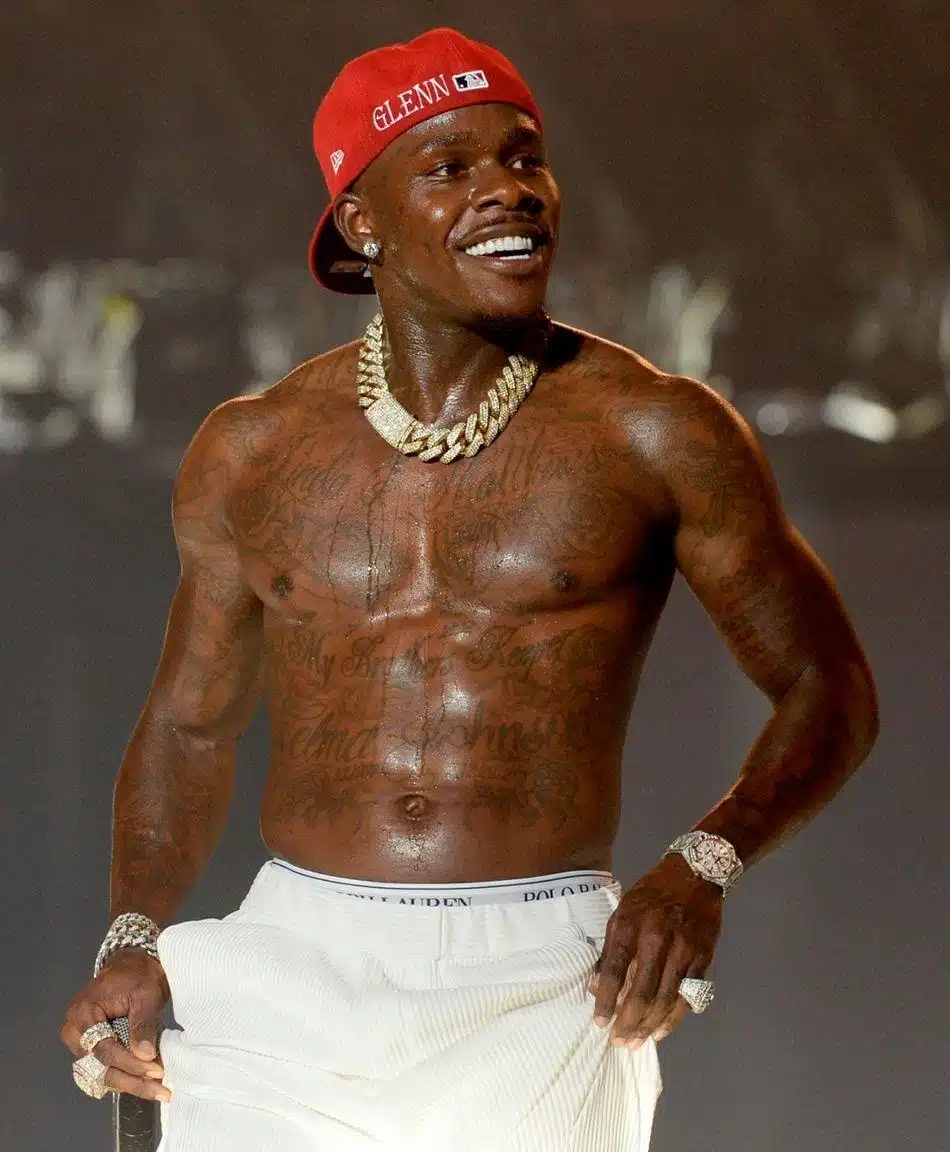
A hit-heavy, high-energy artist who dominated a key late-2010s moment with viral performances. His rapid-fire flow and personality made him one of the era’s most recognizable rappers.
- Signature Era/Album: Late 2010s to early 2020s; Kirk (2019)
- Fame Proof: Viral hits, major features, mainstream attention
- Influence: Helped define fast, aggressive mainstream rap delivery
46. Ski Mask The Slump God

A cult-favorite known for rapid flows, tongue-twisting wordplay, and anime pop-culture references. His technical ability earned respect from lyrical rap fans and younger audiences alike.
- Signature Era/Album: Late 2010s; STOKELEY (2018)
- Fame Proof: Strong fanbase and high-recognition style
- Influence: Helped bring technical speed-rap back into youth culture
47. Denzel Curry

A respected modern lyricist who bridges underground energy with mainstream attention. His aggressive South Florida style mixed with conscious lyrics sets him apart from typical trap rappers.
- Signature Era/Album: Late 2010s; TA13OO (2018)
- Fame Proof: Critical praise and long-term fan support
- Influence: Kept aggressive, bar-heavy rap visible in the streaming era
48. Yeat

A new-wave streaming star known for experimental production choices and a distinct bell-heavy sound. His unique vocal delivery represents where rap’s experimental edge is heading.
- Signature Era/Album: Early 2020s to present; 2 Alivë (2022)
- Fame Proof: Strong streaming growth and Gen Z reach
- Influence: Helped push the current “new wave” sound forward
49. Cordae

A modern lyric-first rapper with mainstream respect and strong critical attention. His old-school-influenced approach earned him Grammy nominations and respect from veteran rappers.
- Signature Era/Album: Late 2010s to present; The Lost Boy (2019)
- Fame Proof: Award attention and steady mainstream visibility
- Influence: Helped keep classic-style lyricism relevant for new audiences
50. Baby Keem

A fast-rising star with a modern experimental edge and major mainstream visibility as Kendrick Lamar’s cousin. His genre-pushing approach shows rap’s next generation of innovation.
- Signature Era/Album: Early 2020s; The Melodic Blue (2021)
- Fame Proof: Big collaborations plus major critical attention
- Influence: Part of the new generation pushing rap’s sound forward
Note: This list weighs modern popularity and streaming presence heavily. Artists who shaped hip-hop decades ago but have less mainstream visibility today may rank lower than expected.
Who is the Most Famous Rapper?
The answer depends on how you measure fame. Right now, Drake dominates with billions of streams and constant chart presence. His influence spans music, fashion, and culture across the globe.
But all-time fame goes to Eminem. He’s sold over 220 million records worldwide and made rap mainstream for audiences who never listened before.
His technical skill earned him 15 Grammys and an Oscar. Three decades later, he’s still relevant and charting.
Both are household names, but Eminem’s longevity, global impact, and ability to cross cultural barriers make him the most famous rapper ever.
Conclusion
Now you know what separates a hip-hop artist from just a rapper. You’ve seen how fame gets measured through popularity, credibility, and visibility.
The rankings showed legends from different eras who shaped rap into what it is today. Eminem stands as the most famous rapper of all time based on global reach and longevity.
Drake dominates the current scene with streaming power and cultural influence.
Hip-hop keeps changing. New artists rise while legends stay relevant. Fame isn’t just about talent. It’s about impact, consistency, and connecting with fans across generations.
These artists proved that reaching the top takes more than good music. It takes cultural relevance that lasts.
Who would you move up or down on this list? Drop a comment below with your picks and reasons.