
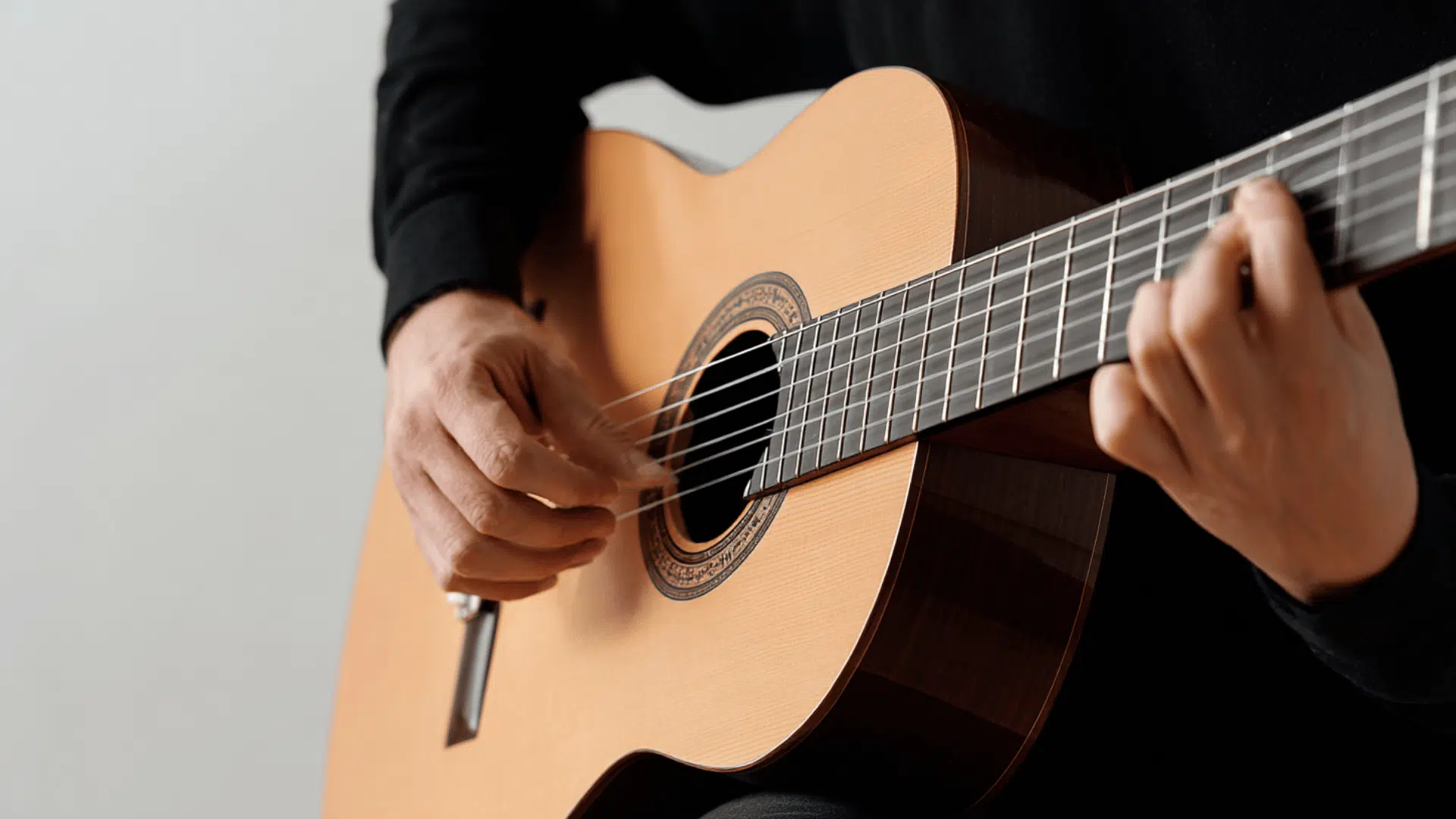
Classical guitars sound different from their steel-string cousins. The nylon strings create a softer, warmer tone.
The neck is wider too, giving fingers more room to move. This unique feel and sound make classical guitars special for many players.
Finding the best classical guitar means knowing what works for your skill level and goals. Beginners need something comfortable to learn on.
Students who’ve been playing for a while want better sound quality. Performers need instruments they can count on. Some players also want nylon-string guitars with electric pickups to amplify their music.
The picks here focus on what really matters: comfort, build quality, the types of wood used, how well they stay in tune, and overall value.
What Makes A Classical Guitar “The Best” For Most Players?
The best classical guitar fits your playing style and needs. Cedar tops give a warm, mellow tone, while spruce tops sound brighter and clearer. Both work well depending on what you like.
Playability comes down to comfort. The nut width affects string spacing, and a lower action height makes strings easier to press.
Good fretwork means smooth playing without buzzes. Solid wood tops sound richer than laminate but cost more. Quality tuning machines keep your guitar in tune longer.
Body size and neck shape matter too. Some models have cutaways for easier access to the higher frets. If you perform live or record, look for built-in pickup systems.
How To Choose The Best Classical Guitar For Your Skill Level?
Your skill level changes what matters most in a guitar. Beginners need different features than advanced players, and someone switching from steel strings has unique needs, too.
Here’s what to look for at each stage:
| Skill Level | What To Focus On |
|---|---|
| Beginners |
|
| Intermediate Players |
|
| Advanced Players |
|
| Crossover Players (switching from steel-string or electric) |
|
Matching your guitar to your skill level saves money and frustration. Pick what fits where you are now, not where you hope to be someday.
Best Classical Guitar Overall
Finding one guitar that works for everyone is tough, but this model comes close. The best overall classical guitar balances sound quality, playability, and modern features without costing a fortune.
1. Taylor Academy 12e-N
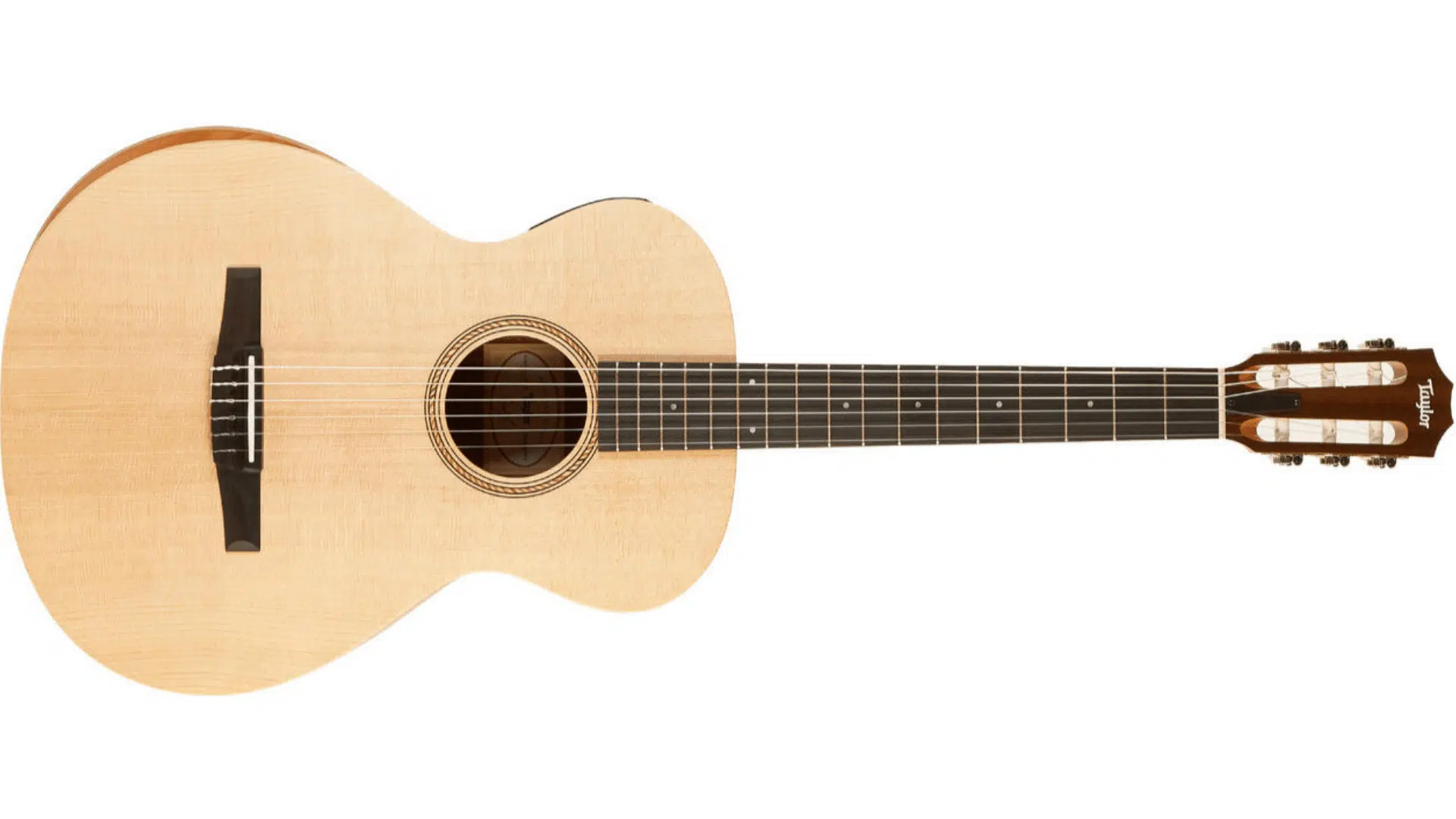
The Taylor Academy 12e-N works for most players who want a modern nylon-string guitar. It sounds warm but clear, and the neck feels comfortable with a slightly curved fretboard.
The nut width sits between classical and steel-string sizes, making it great for crossover players. Built-in electronics sound good plugged in.
Traditional classical players who prefer wider necks might skip this one.
This guitar bridges the gap between classical tradition and modern playability. It works well for students, performers, and anyone who wants the nylon-string tone of a classical guitar with the comfort of an electric guitar.
Buy here: Taylor Academy 12e-N
Best Classical Guitars For Beginners
Starting with the right guitar makes learning easier and more fun. These beginner options offer good sound, comfortable necks, and prices that won’t break the bank. Each one suits different needs and budgets.
2. Yamaha C40 Classical Guitar
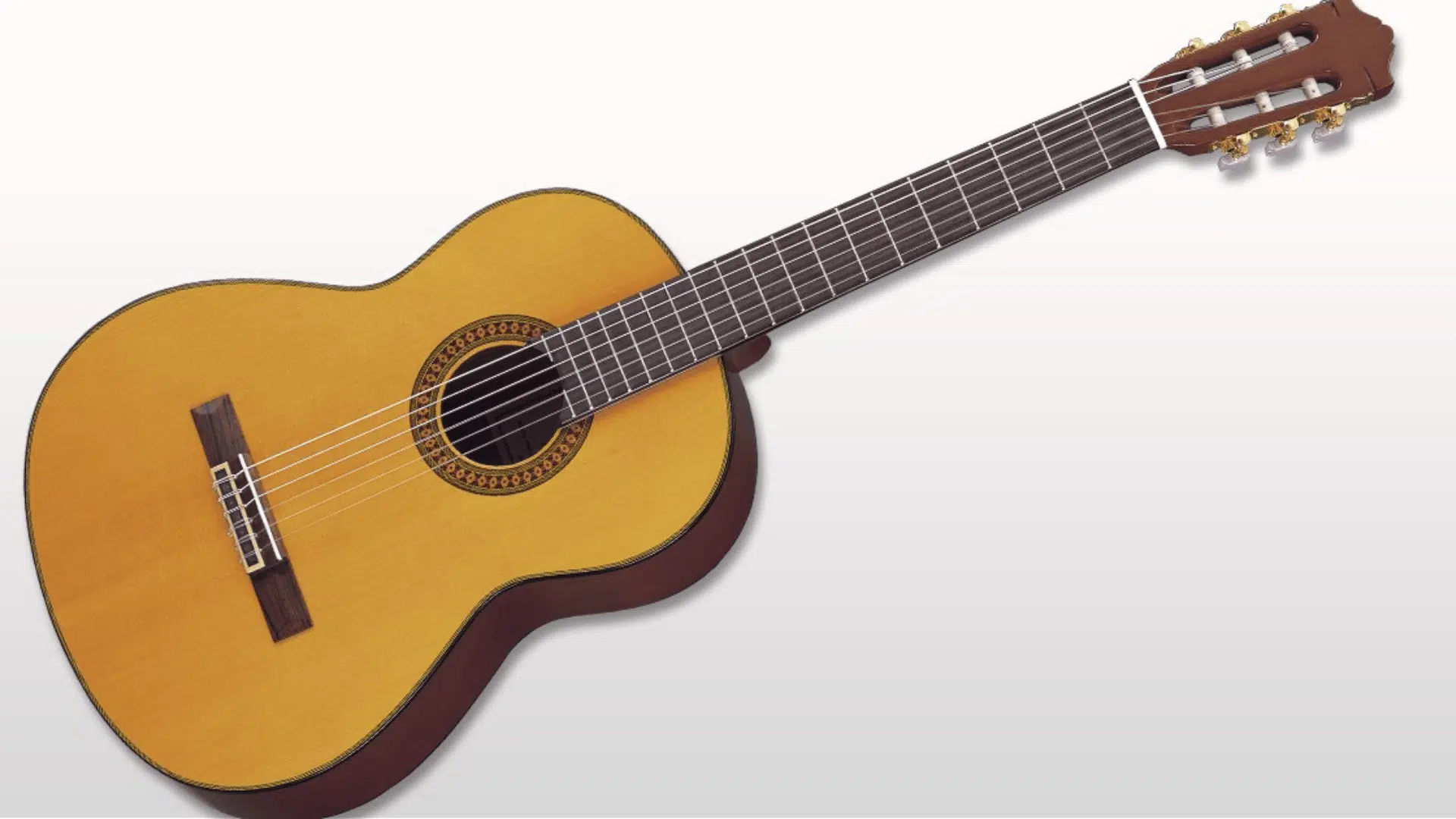
The Yamaha C40 is a trusted starter guitar that teachers recommend all the time. It feels comfortable when learning first chord shapes, and the neck width works well for beginners.
This guitar holds its tune reliably and can handle daily practice without falling apart. The price stays budget-friendly, too.
It’s perfect for learning the fundamentals and building skills without spending too much up front.
Buy Here:Yamaha C40
3. Cordoba CM3 Classical Guitar
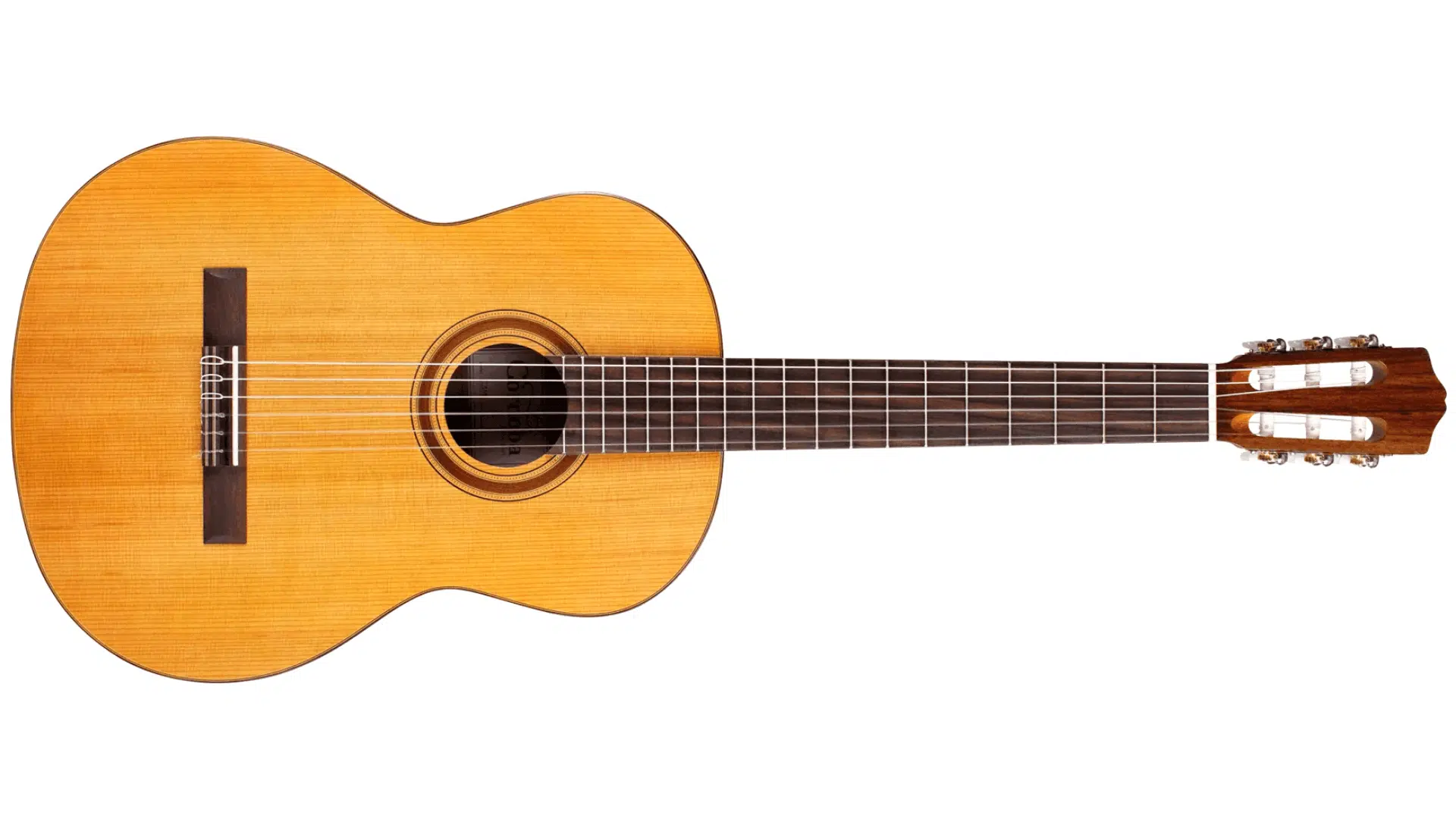
The Cordoba CM3 offers a step up from ultra-budget guitars with a more refined tone. It sounds warm and balanced, giving beginners a taste of higher-quality sound.
The neck feels comfortable, and the action height stays reasonable right out of the box.
This makes a great first “nice” guitar for serious beginners who plan to stick with playing and want something that sounds better than entry-level models.
Buy Here: Cordoba CM3
4. Yamaha CG Series CG122 Classical Guitar (Natural)
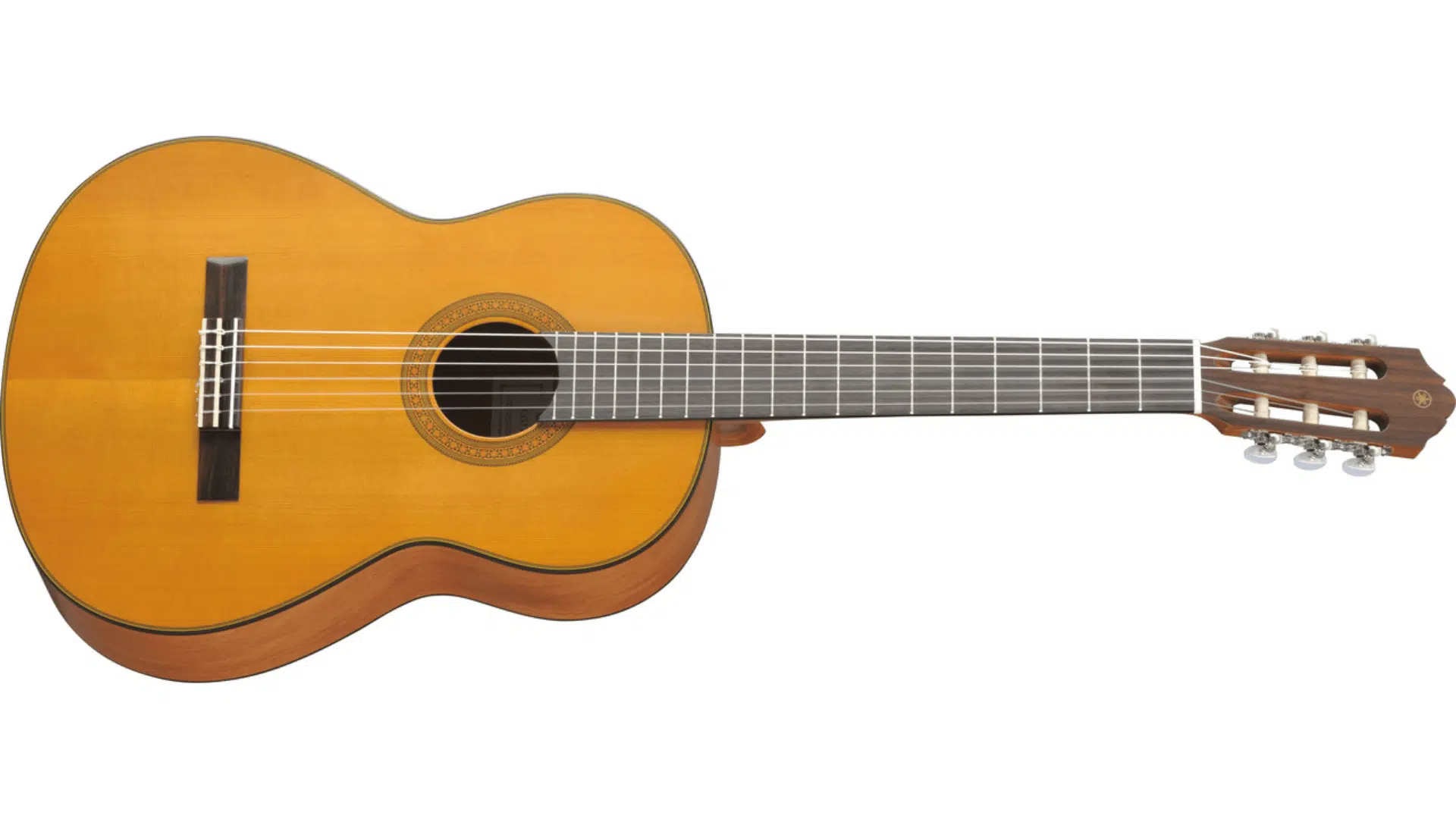
The Yamaha CG122 brings better craftsmanship at a fair price for beginners ready to upgrade. It beats basic entry-level guitars with a richer tone and smoother playability.
This guitar fits multiple styles, including classical pieces, fingerstyle playing, and light strumming.
The balanced sound works across different music types, making it versatile for players still figuring out their preferences.
Buy Here: Yamaha CG122
These beginner guitars offer solid starting points without major compromises. Pick based on your budget and how serious you are about learning. A better guitar from the start can make practice more enjoyable.
Best Classical Guitars For Intermediate Players
Intermediate players need guitars that respond to improved technique and handle more challenging music.
These options offer better sound projection, quality materials, and refined playability. Each one suits players ready to move beyond beginner instruments.
5. Córdoba C12 SP
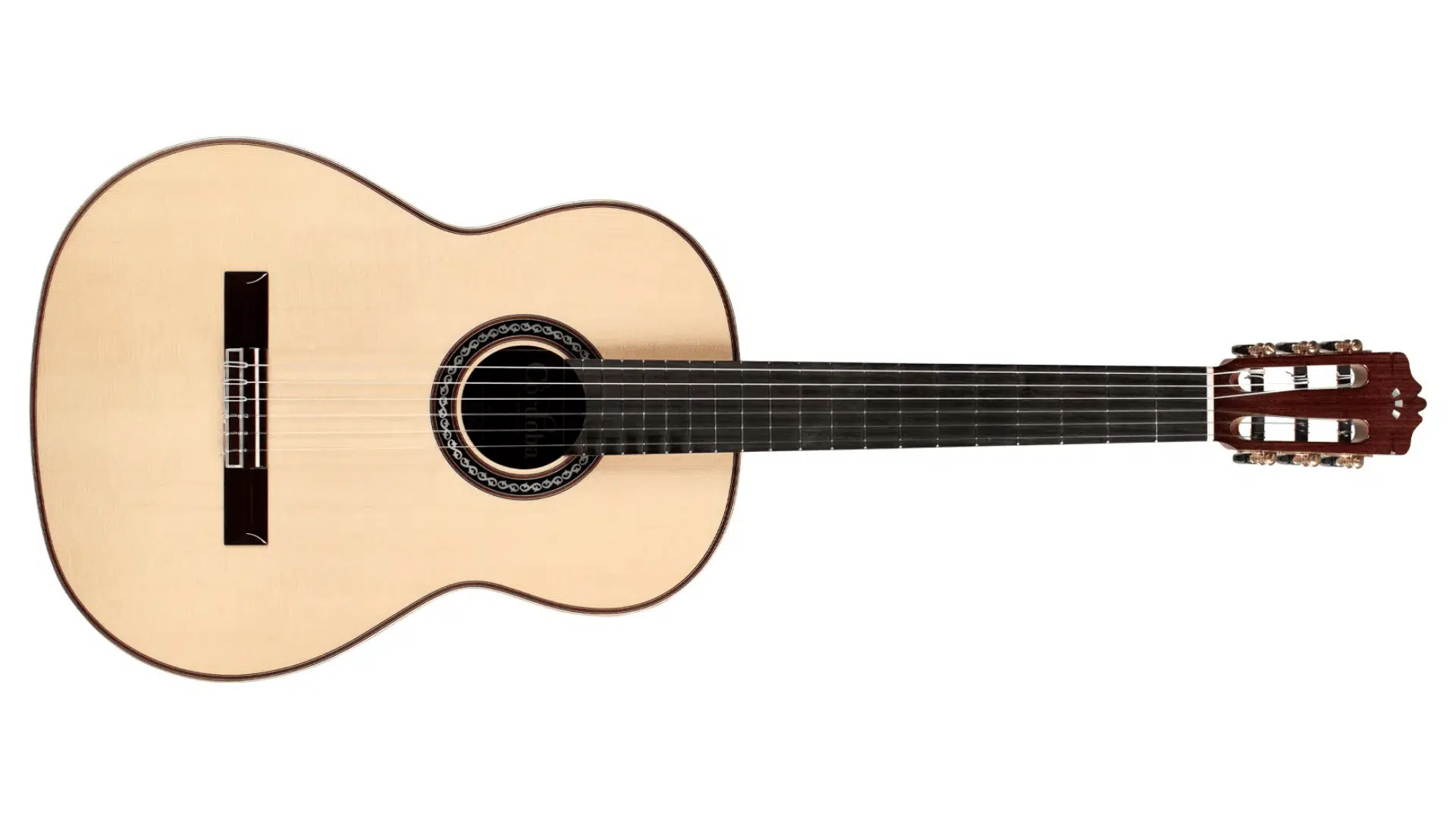
The Córdoba C12 SP offers a higher-quality build and responsiveness for progressing players. It uses solid spruce and rosewood that create rich, complex tones.
The guitar responds well to soft and loud playing, projecting sound clearly across a room. This makes it perfect for serious students, recitals, and long practice sessions.
The improved materials and craftsmanship justify the price increase.
Buy Here: Córdoba C12 SP
6. Córdoba C10 SP
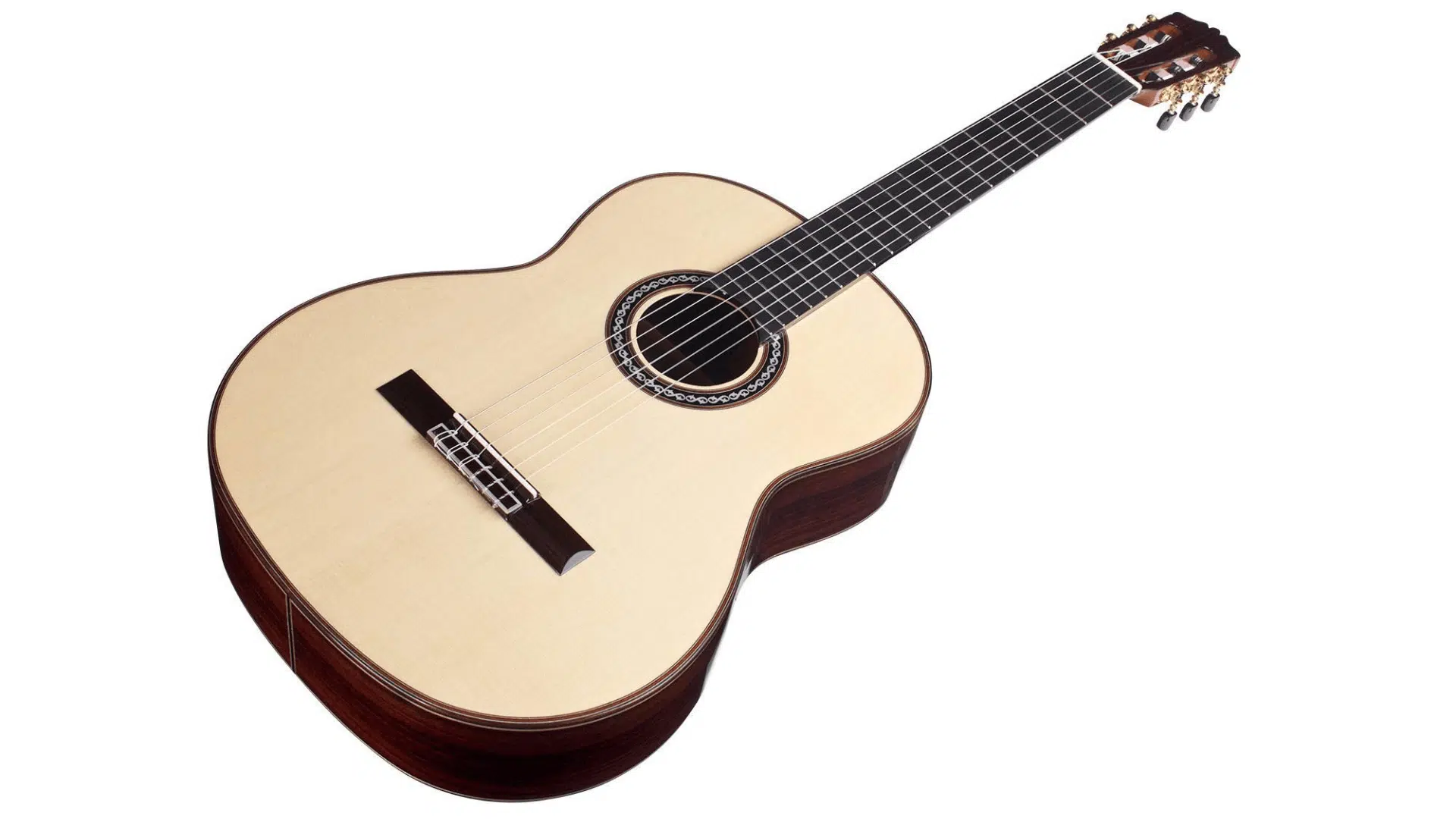
The Córdoba C10 SP delivers strong value with a concert-style feel at mid-level pricing. It sits just below the C12 in quality but still sounds professional.
The main difference is slightly less refined materials, though most players won’t mind. Intermediate players who want pro-style tone without top-tier pricing should choose this one.
It handles classical repertoire and performances without holding you back.
Buy Here: Córdoba C10 SP
7. Alhambra 10 Premier
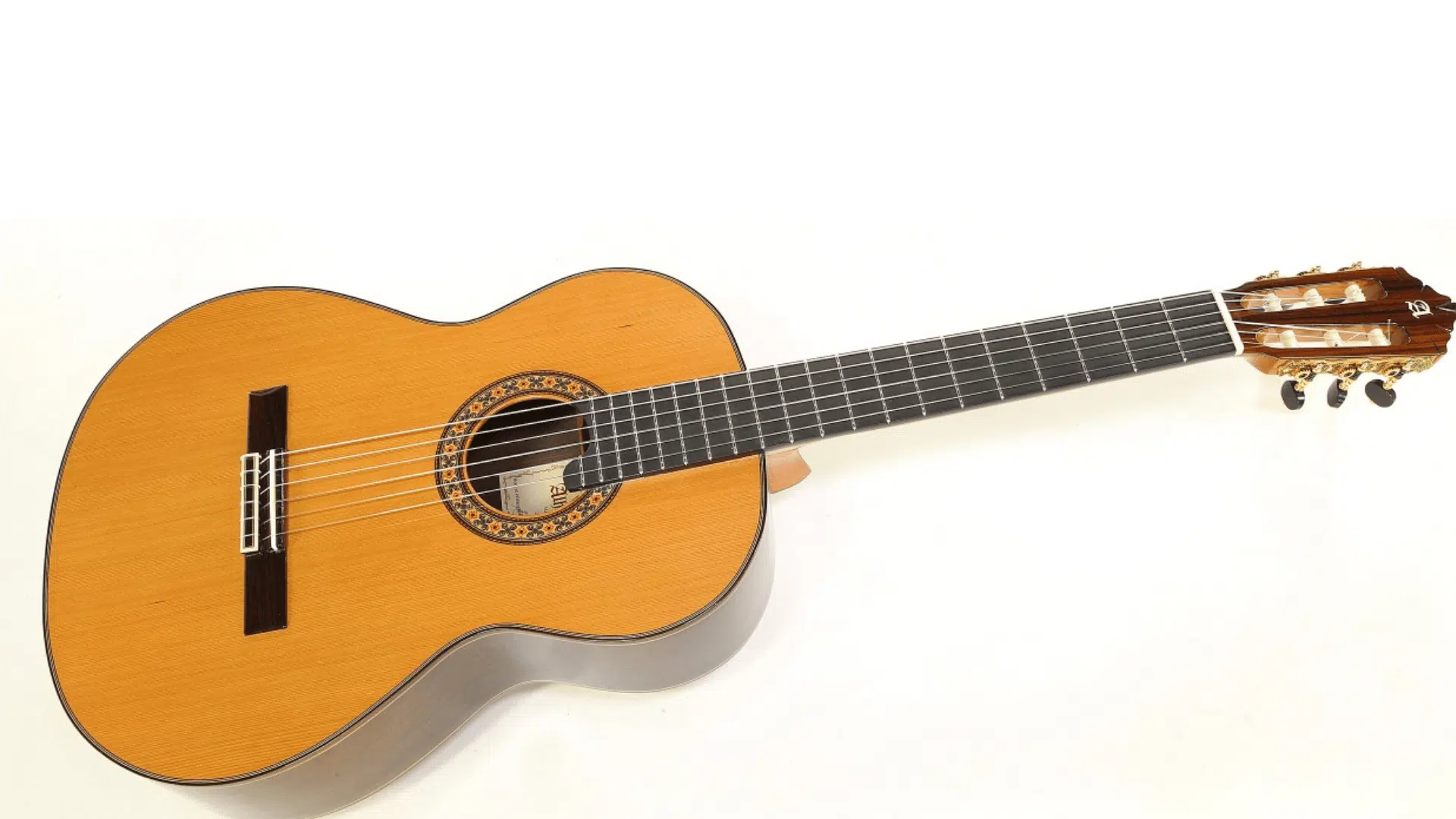
The Alhambra 10 Premier offers a Spanish-built reputation and a refined tone to advance technique. Notes sound clear and separated, making complex fingerpicking easier to hear.
The guitar feels comfortable during long practice sessions with balanced weight and a smooth neck finish. It’s perfect for focused classical repertoire and nuanced right-hand work.
Players working on advanced classical pieces will appreciate the clarity this guitar provides.
Buy Here: Alhambra 10
These intermediate guitars reward improved technique with better sound and feel. They handle challenging music without fighting against you.
Best Classical Guitar Options For Advanced Players
Advanced players need instruments that match their skill level and don’t hold them back. These guitars offer professional-level sound, responsiveness, and features that serious players demand.
8. Cordoba GK Pro Negra
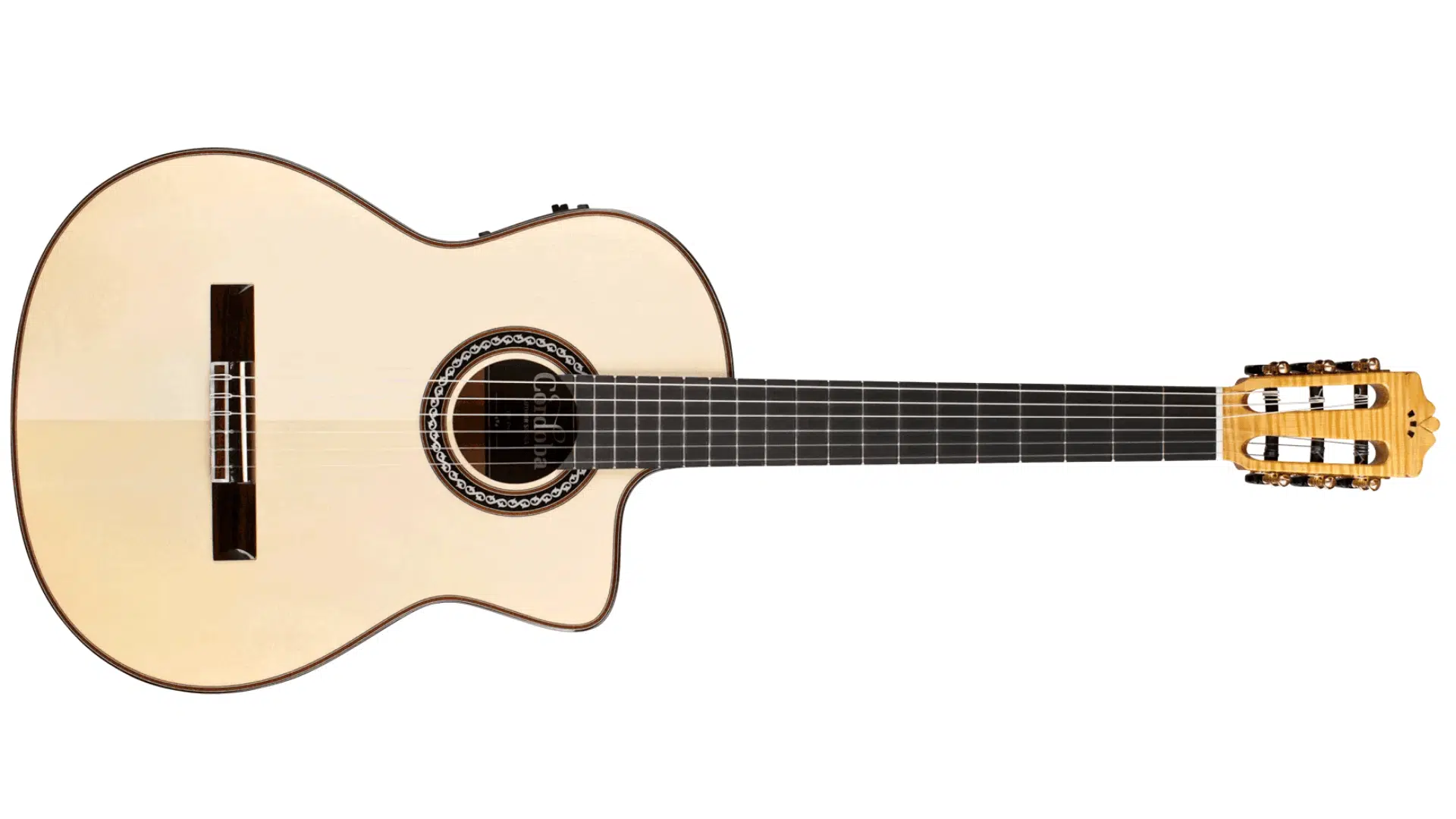
The Cordoba GK Pro Negra delivers pro features and built-in electronics for stage-ready performance. It projects sound powerfully with a quick attack and clear note definition.
The onboard electronics sound natural when amplified, avoiding the tinny quality of cheap pickups.
This guitar works best for amplified performance, live shows, and recording sessions where you need a reliable plugged-in tone.
Buy Here: Cordoba GK Pro Negra
9. Alhambra 7P
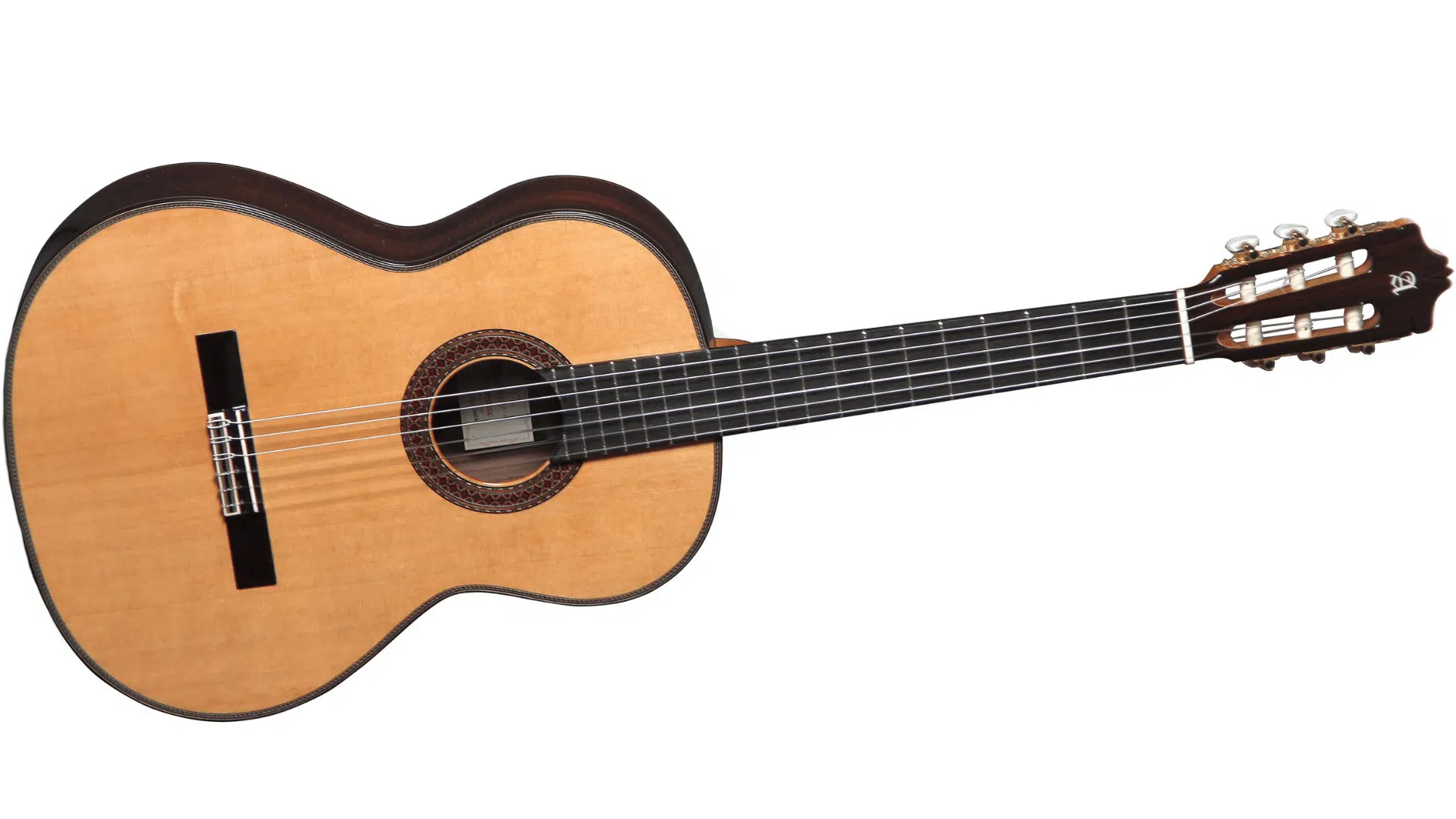
The Alhambra 7P offers a traditional feel with a performance-focused build tier. The tone is richly complex, with notes that sustain beautifully and ring clearly.
Advanced classical players who want a responsive instrument that reacts to subtle technique changes will appreciate this guitar.
It handles demanding repertoire with ease and rewards precise right-hand control with nuanced sound.
Buy Here: Alhambra 7P
10. Yamaha NTX5
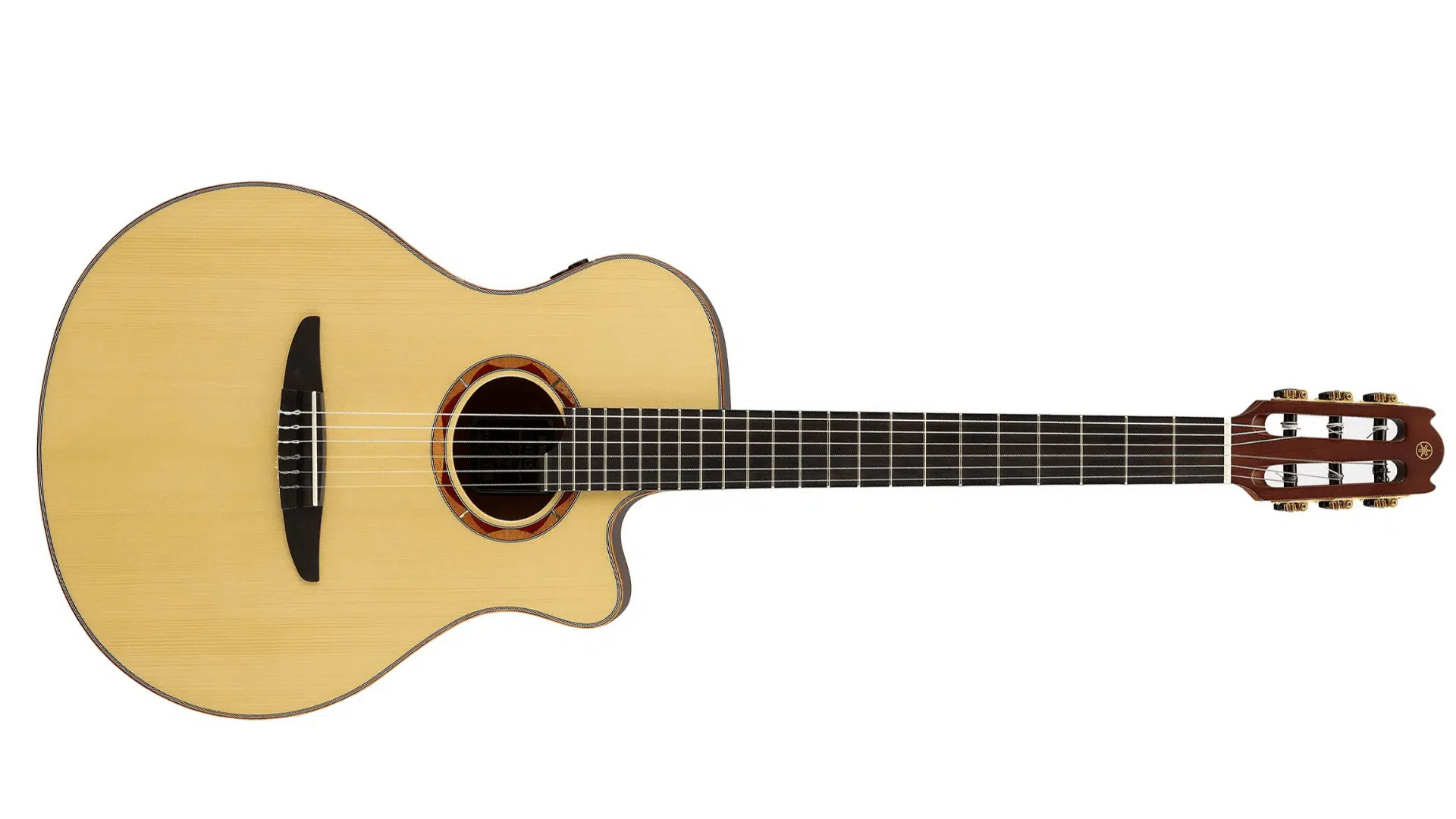
The Yamaha NTX5 stands out as a premium crossover option with modern amplified sound. The neck feels comfortable for players coming from steel-string or electric backgrounds.
The pickup system sounds excellent and stays reliable on stage night after night.
It’s perfect for gigging, studio work, worship settings, and pop arrangements where nylon tone fits but traditional classical guitars feel too wide.
Buy Here: Yamaha NTX5
These advanced options deliver professional sound and reliability. Pick based on whether you need traditional classical tone or modern crossover features with electronics.
Care And Maintenance Basics
Taking care of your classical guitar helps it sound good and play smoothly for years. These simple habits protect your investment and prevent common problems.
- Change strings regularly: Replace nylon strings every 2-3 months. Dead strings lose brightness and feel harder to press down, making your guitar sound dull and play poorly.
- Get yearly setups: Action height and neck alignment need adjustment over time. See a guitar tech if strings buzz constantly or feel too high to play comfortably.
- Control humidity: Store in a case with 45-55% humidity. Keep away from heaters, direct sunlight, and damp basements. Extreme conditions crack wood or warp necks badly.
- Wipe after playing: Use a soft cloth to remove oil and sweat from the strings and fingerboard. This simple habit doubles your string life and keeps your tone fresh.
- Clean the fretboard seasonally: Use lemon oil or fretboard conditioner sparingly on unfinished wood twice a year. Wipe off excess and never use household cleaners or furniture polish.
Good maintenance habits cost little but save big repair bills later. A few minutes of care after playing, keep your guitar ready to perform. Treat it right, and it’ll sound great for decades.
Conclusion
Finding the best classical guitar comes down to matching your skill level and playing style.
Choose based on comfort first, then consider tone and the features you need. A guitar that feels good in your hands makes practice more enjoyable and helps you improve faster.
Set a realistic budget based on your skill level, and shortlist two to three models to try before buying.
Visit a music store and play each guitar for at least 10 minutes. Your hands will tell you which one feels right. What’s holding you back from trying your shortlisted guitars this week?
Comment down below and let us know if you found the perfect fit for your skill level.