Music festivals around the world pulse with energy as thousands of fans move to powerful beats. From massive outdoor stages to small club venues, one type of music consistently brings people together.
EDM has become a global phenomenon, filling dance floors and creating unforgettable moments. But what does EDM stand for? Many people hear this term daily without fully understanding its meaning.
EDM stands for Electronic Dance Music, a vast category of music styles that use electronic instruments and technology. This genre has shaped modern pop culture and changed how we experience live music.
Understanding EDM opens doors to appreciating one of today’s most influential musical movements.
What Does EDM Stand For?
EDM stands for Electronic Dance Music. This term describes music created primarily using electronic instruments, synthesizers, drum machines, and computer software.
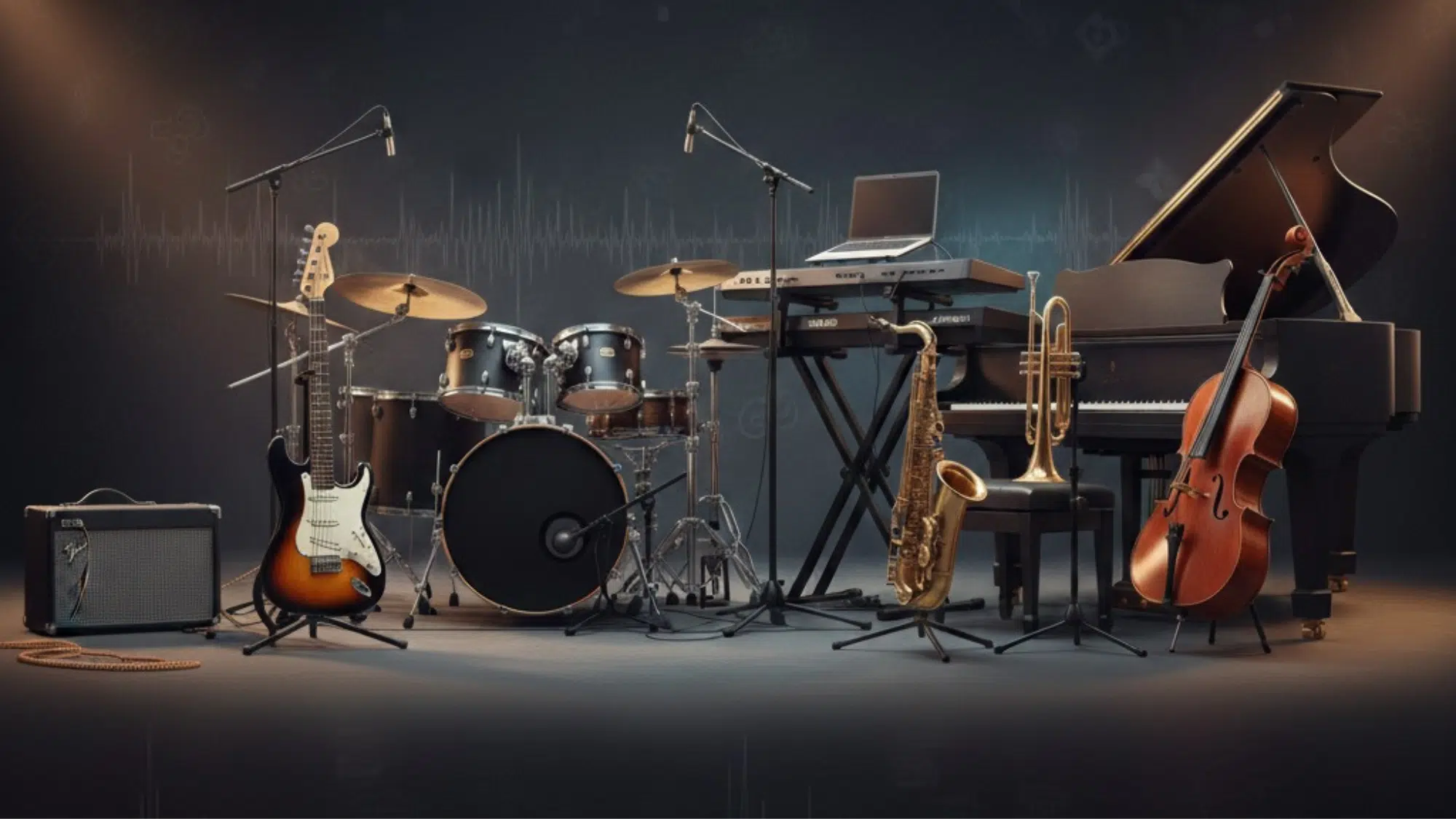
Unlike traditional bands that use guitars, drums, and vocals as their main tools, EDM producers rely on technology to create their sounds.
The “dance” part of Electronic Dance Music isn’t just a label; it’s the core purpose. EDM is specifically designed to make people move. Producers craft every beat, melody, and sound effect with dancing in mind.
The electronic aspect means artists use digital tools rather than acoustic instruments to build their tracks.
Many people think EDM is just one type of music, but that’s not true. EDM is actually an umbrella term covering dozens of different styles.
Each style has its own unique characteristics, tempo, and sound design. What connects them all is the use of electronic production and their focus on creating danceable rhythms.
The Origins of Electronic Dance Music
EDM didn’t appear overnight. Its roots trace back to the disco era of the 1970s, when DJs began using electronic effects and drum machines to intensify dance music.
The 1980s saw the birth of house music in Chicago. DJs like Frankie Knuckles mixed disco tracks with electronic beats, creating a new sound that would become house music.
Europe played a pivotal role in the development of EDM during the 1990s. The rave scene exploded across the UK, Germany, and the Netherlands.
These underground gatherings celebrated electronic music and created a community around the genre. Massive warehouse parties and outdoor events became the breeding ground for new EDM styles.
The 2000s brought digital production tools to bedroom producers worldwide. Software became cheaper and more accessible, allowing anyone with a computer to create professional-sounding tracks.
This democratization of music production led to an explosion of creativity and new subgenres.
Key Features of Electronic Music
Understanding EDM requires knowing its fundamental building blocks. These elements appear across all subgenres, though each style uses them differently.
EDM is built on key musical elements that shape its energy and global appeal. These components define the sound and keep the audience engaged.
-
Beats and BPM: The tempo backbone of EDM, usually 120–150 BPM. House hovers around 120–128 BPM, while drum & bass can exceed 160 BPM.
-
Build-ups and Drops: Rising tension followed by explosive release, EDM’s signature energy cycle that keeps crowds hooked.
-
Loops and Samples: Repeated phrases and borrowed sounds layered to craft fresh rhythms and melodies.
-
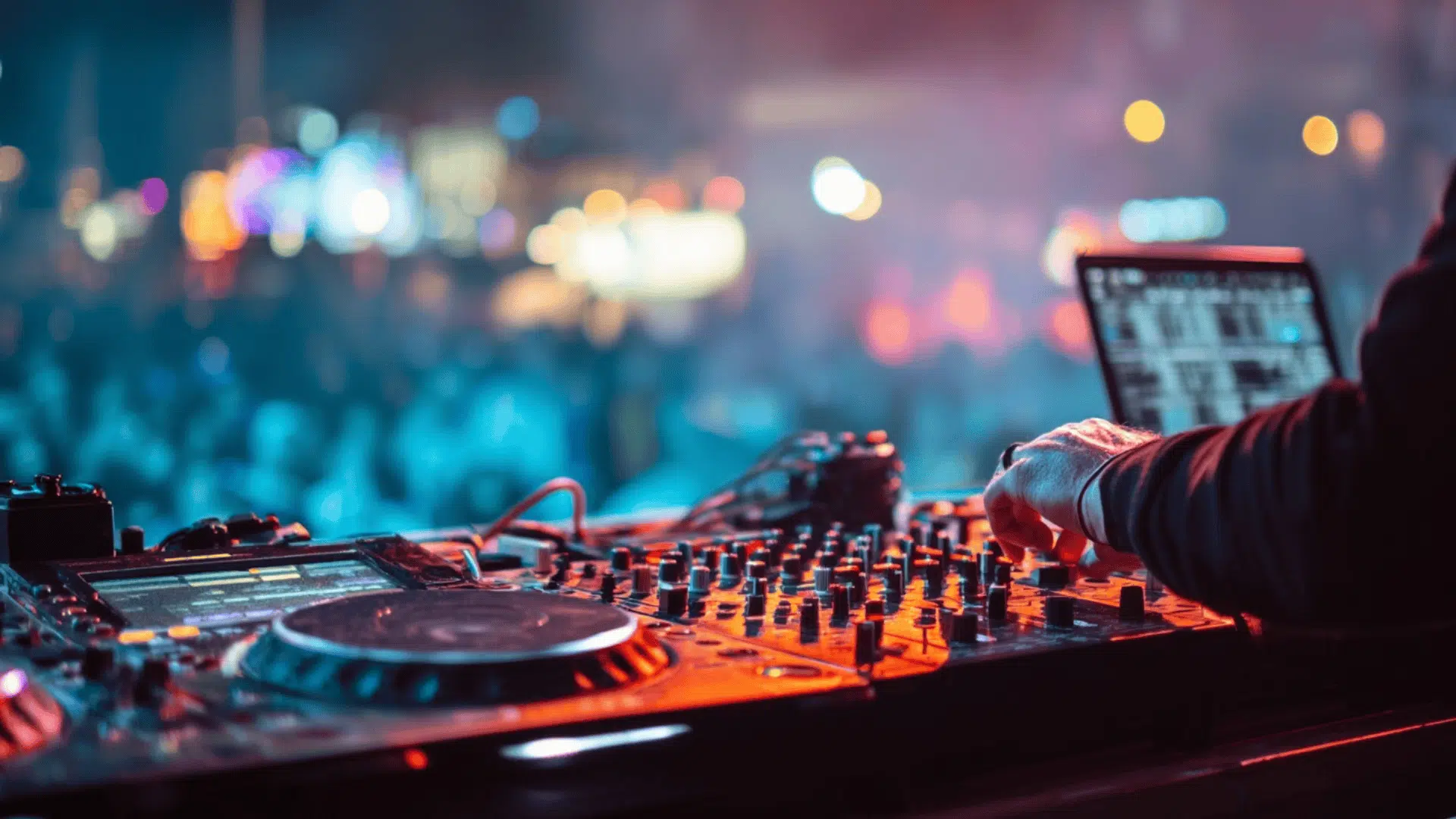
Technology-driven Production: DJs and producers use mixers, controllers, and DAWs, making EDM constantly evolve with new tools.
These elements work together to give EDM its signature intensity. Understanding them reveals why the genre dominates festivals and playlists worldwide.
Popular EDM Subgenres
EDM spans a wide range of styles, each with its own vibe and loyal following. From soulful grooves to heavy bass, every subgenre brings a unique flavor to the dance floor.
Together, they show just how flexible electronic music can be.
| Subgenre | Essence |
|---|---|
| House | 4/4 beats, soulful vocals, warm club vibes. |
| Techno | Hypnotic, industrial, groove-driven rhythms. |
| Dubstep | Heavy bass drops, wobble sounds, edgy energy. |
| Trance | Euphoric melodies, long build-ups, uplifting. |
| Drum & Bass | Fast breakbeats (160–180 BPM), deep sub-bass. |
EDM’s subgenres reveal its diversity, offering something for every listener. This variety is what makes the genre continually evolve and attract new fans worldwide.
Artists Who Shaped Electronic Music
Several artists have defined EDM’s sound and carried it to global audiences. Their unique styles shaped subgenres, influenced pop music, and helped build EDM’s massive fan base worldwide.
From festival anthems to radio hits, these artists represent the genre’s creativity and reach.
1. David Guetta
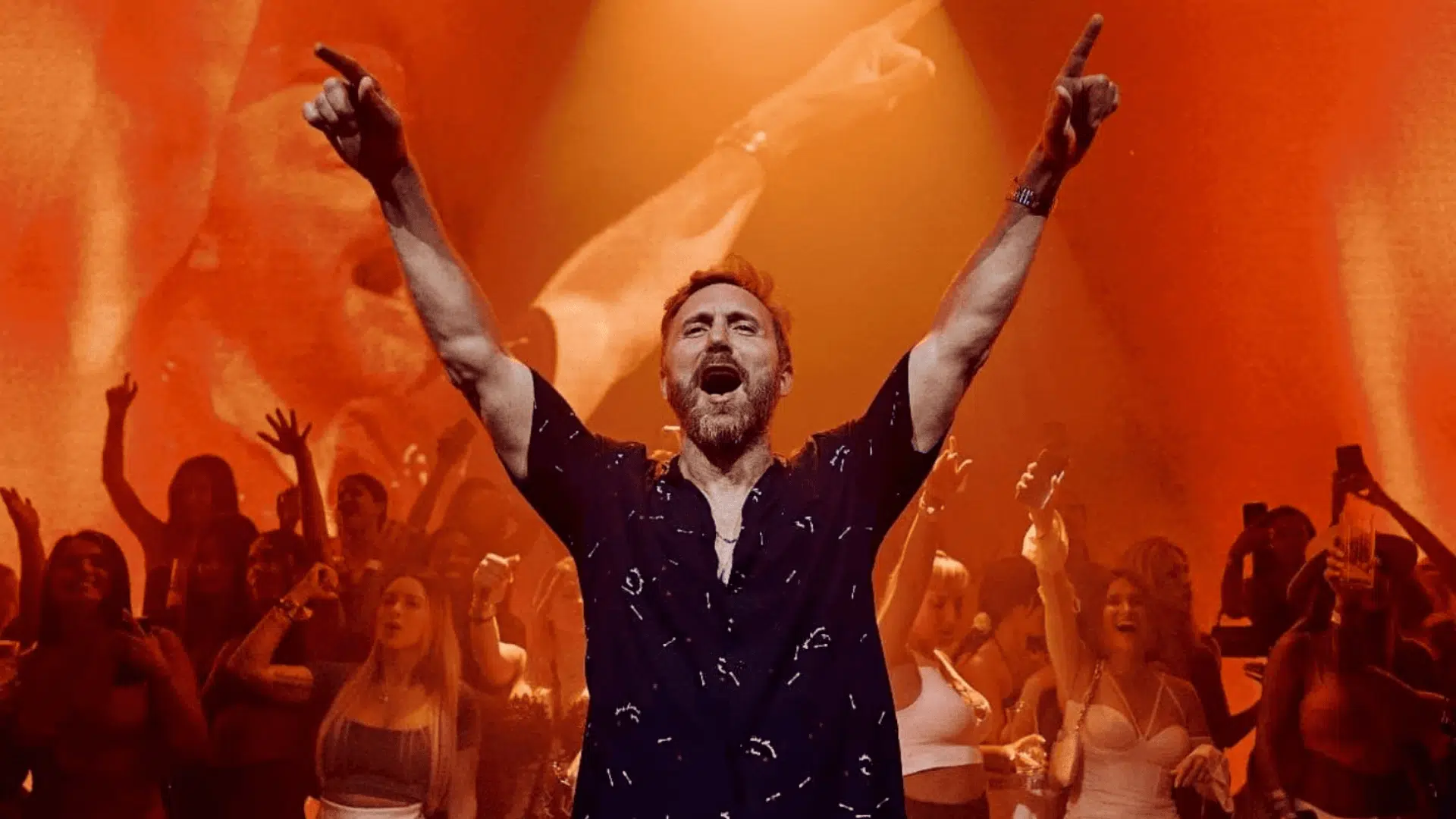
A French DJ and producer known for blending EDM with pop, Guetta collaborated with stars like Sia and Rihanna. His radio-friendly tracks introduced millions to electronic dance music and set the stage for EDM’s mainstream rise.
His massive festival sets highlight his ability to unite huge crowds through high-energy performances.
Breakthrough Hit:Titanium (feat. Sia)
2. Calvin Harris
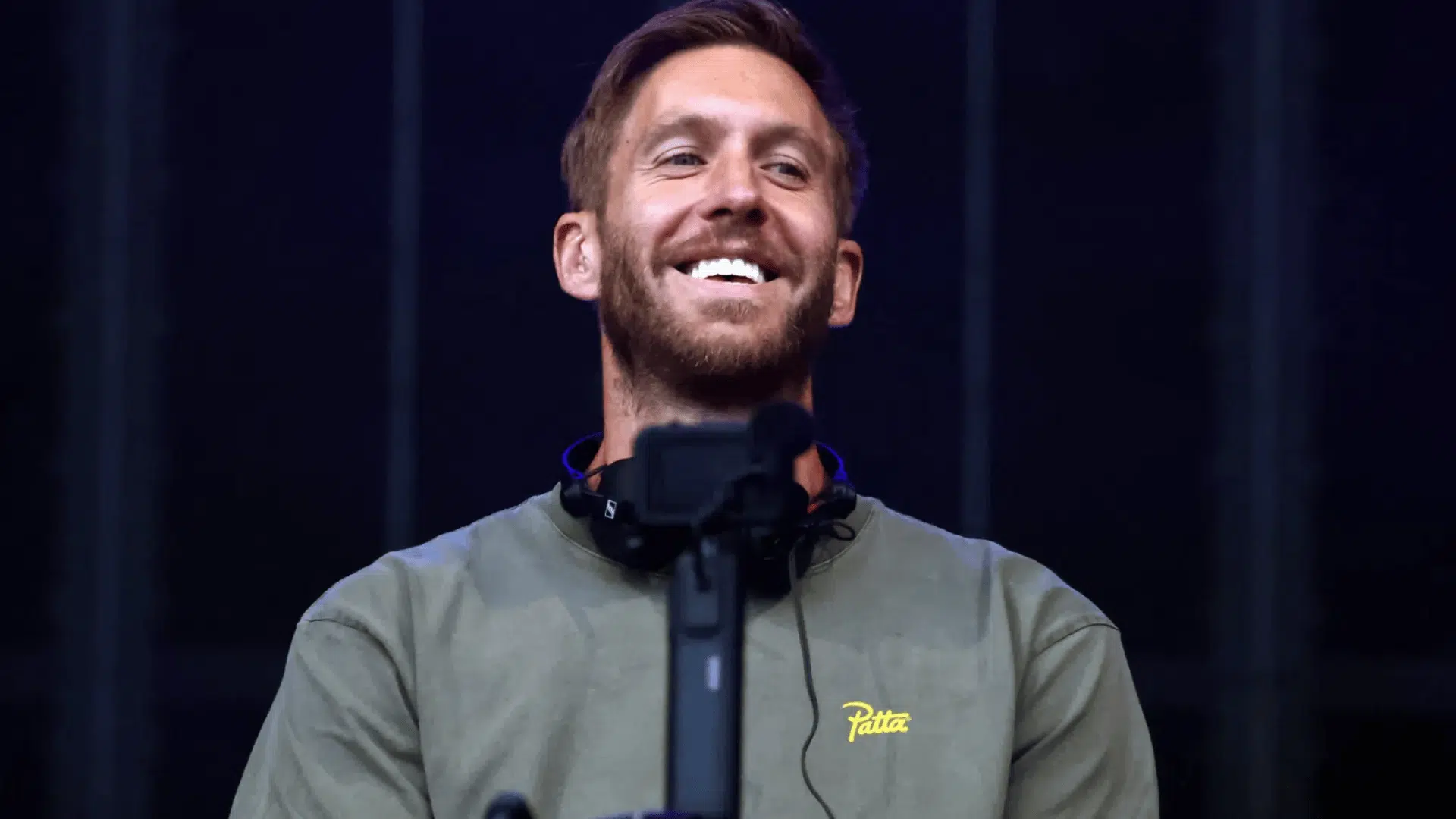
Scottish producer Calvin Harris built a career on pop-EDM fusions that dominate both radio and festivals. His knack for catchy hooks and chart-topping hits made him one of the highest-earning DJs globally.
Harris has collaborated with top pop stars, including Rihanna, Dua Lipa, and Ellie Goulding, helping to push EDM into mainstream culture.
Breakthrough Hit:Summer
3. Skrillex
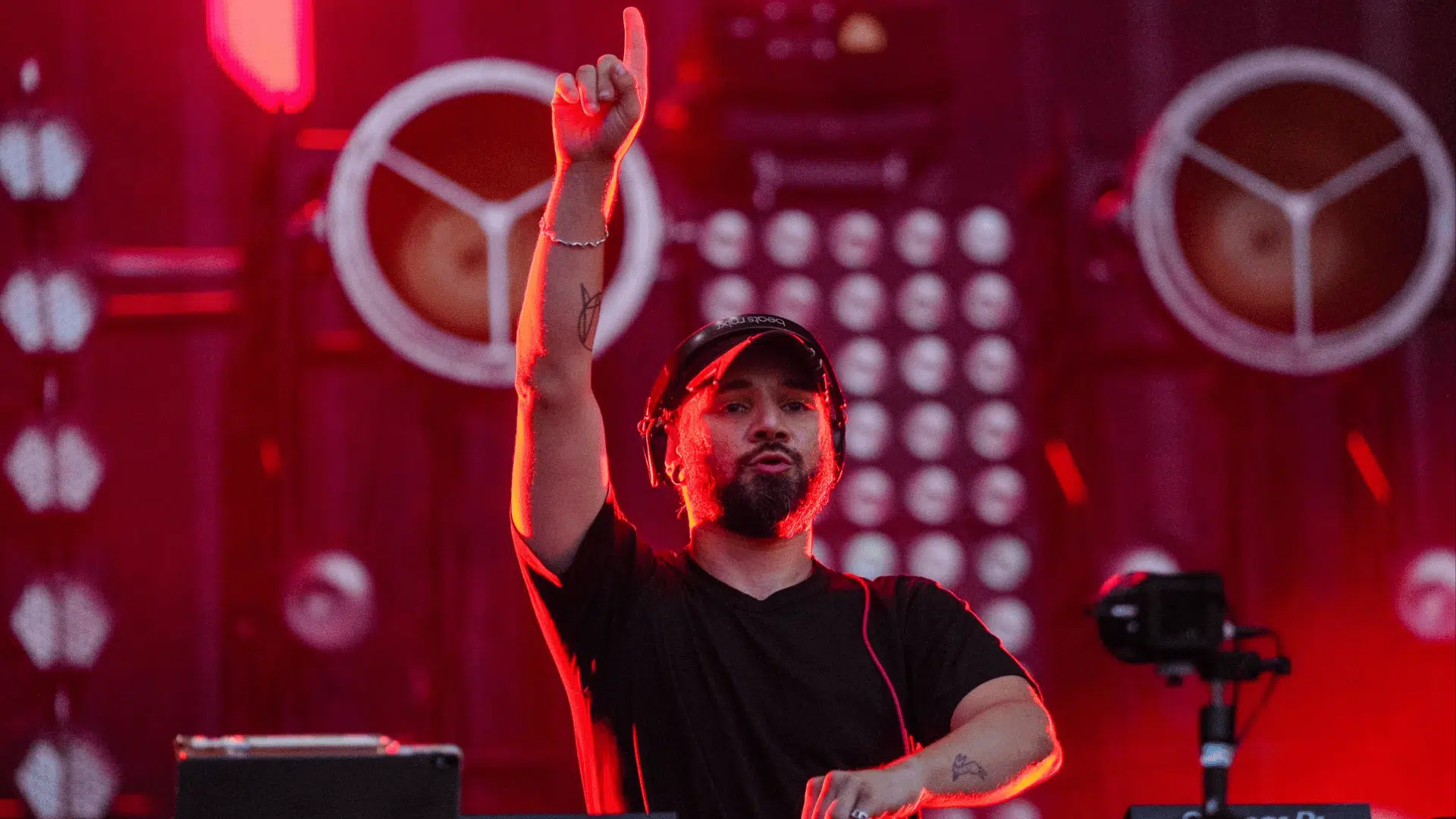
Skrillex redefined dubstep with his aggressive, bass-heavy production, bringing underground sounds into the mainstream. His style polarized listeners but inspired a new generation of producers and fans alike.
His Grammy wins cemented his role as a pioneer of modern electronic sound design.
Breakthrough Hit:Bangarang
4. Avicii
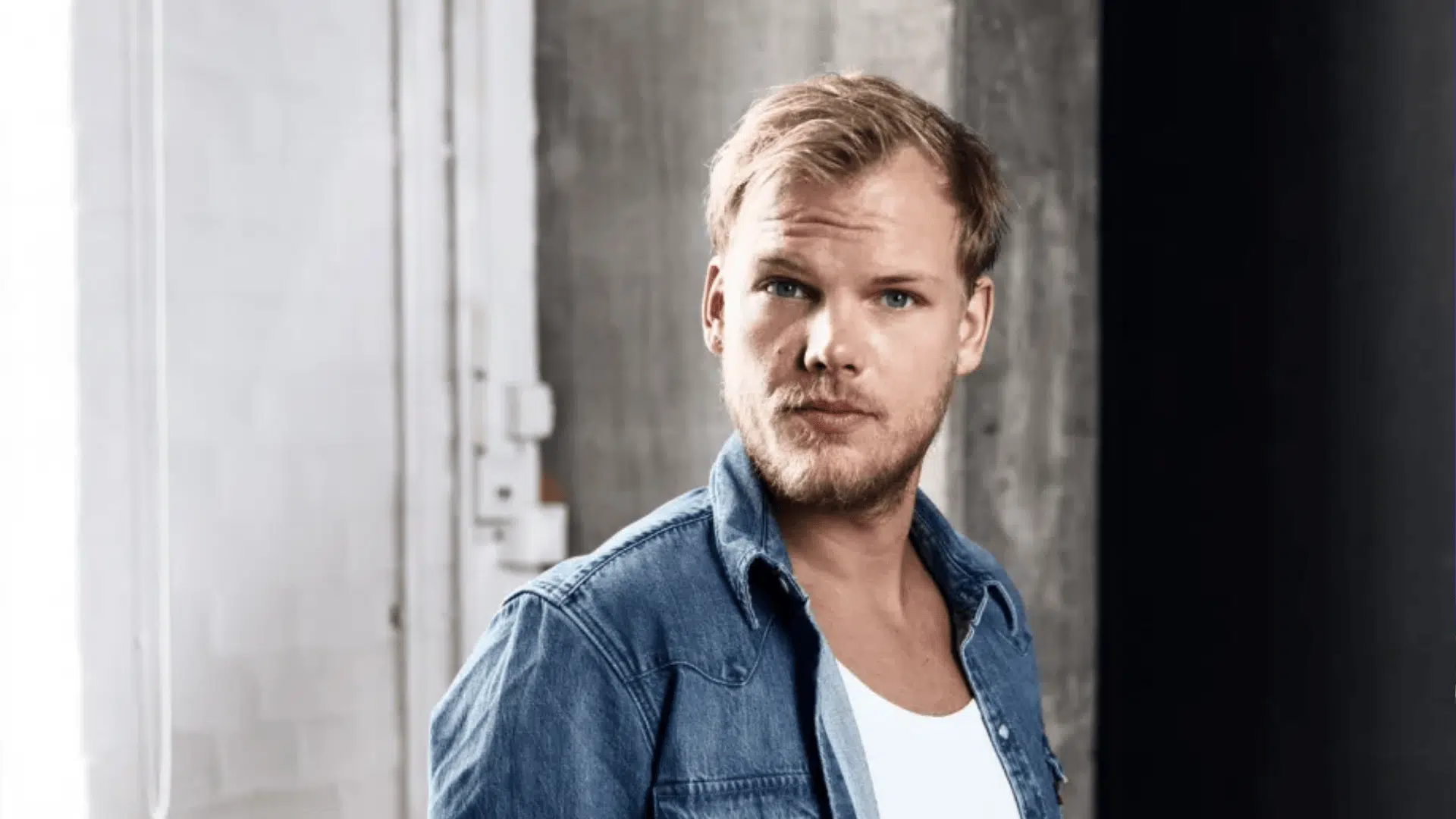
Swedish DJ Avicii created melodic, uplifting tracks that fused EDM with folk and acoustic elements. His anthems became festival staples, and his emotional sound left a lasting influence on the genre.
Even after his passing in 2018, his legacy continues to inspire producers and fans worldwide.
Breakthrough Hit:Wake Me Up
These artists helped shape EDM’s global identity, each leaving a unique mark on the genre. Their tracks continue to inspire fans and energize dance floors worldwide.
Famous EDM Festivals Around the World

Tomorrowland:
One of the world’s most iconic EDM festivals, Tomorrowland takes place in Belgium and is known for its fantasy-themed stages, massive crowds, and top-tier DJ lineups. It’s a bucket-list event for EDM fans.
Ultra Music Festival (UMF):
Held in Miami, Ultra is famous for its high-energy atmosphere, cutting-edge stage production, and being the kickoff event of the global festival season. It consistently draws the biggest names in EDM.
Electric Daisy Carnival (EDC):
Hosted in Las Vegas, EDC combines carnival-style attractions, neon art installations, and nonstop music. Its immersive experience makes it one of the most visually beautiful festivals in the world.
Creamfields:
Based in the UK, Creamfields is a pioneer in the electronic music scene. It’s known for its massive tents, incredible sound systems, and diverse lineup covering every major EDM subgenre.
TomorrowWorld:
The U.S. spinoff of Tomorrowland, TomorrowWorld, offered a magical festival experience in Georgia, blending European stage design with American festival culture. While no longer active, it remains legendary in EDM history.
EDM’s Cultural Impact
Electronic dance music has grown from underground clubs to a global cultural force.
Festivals like Tomorrowland, Ultra, and Electric Daisy Carnival attract massive crowds with crazy stage designs and diverse lineups. For many fans, the festival experience is as meaningful as the music itself.
EDM also changed mainstream pop. Collaborations between DJs and pop stars produce crossover hits, while electronic production techniques have become standard in chart-topping songs.
Beyond music, EDM represents a worldwide youth movement. Its festivals and clubs unite people across cultures, celebrating creativity, inclusivity, and shared energy on the dance floor.
Wrapping Up
Electronic Dance Music (EDM) stands as one of the most dynamic and influential musical movements of our time.
From its beginnings in Chicago house clubs to today’s massive festival stages, EDM has continuously pushed creative boundaries and united people through rhythm and energy.
Its a hold of technology, sense of community, and focus on shared experiences that make it more than just music; it’s a cultural phenomenon.
As producers experiment with AI, fusion genres, and underground movements, EDM’s future remains bright.
If you love house grooves, dubstep drops, or trance euphoria, there’s a style for everyone. Dive in, attend a show, and feel the power of EDM.
Frequently Asked Questions
Who Are Some of The Biggest EDM artists?
Artists like David Guetta, Calvin Harris, Skrillex, and Avicii Helped Shape EDM worldwide.
What Is the Typical BPM Range in EDM?
Most EDM tracks Range Between 120–150 BPM, Though Some Subgenres Go Faster.
Where Can I Experience EDM Live?
You Can Attend Global Festivals Like Tomorrowland, Ultra, and Electric Daisy Carnival.