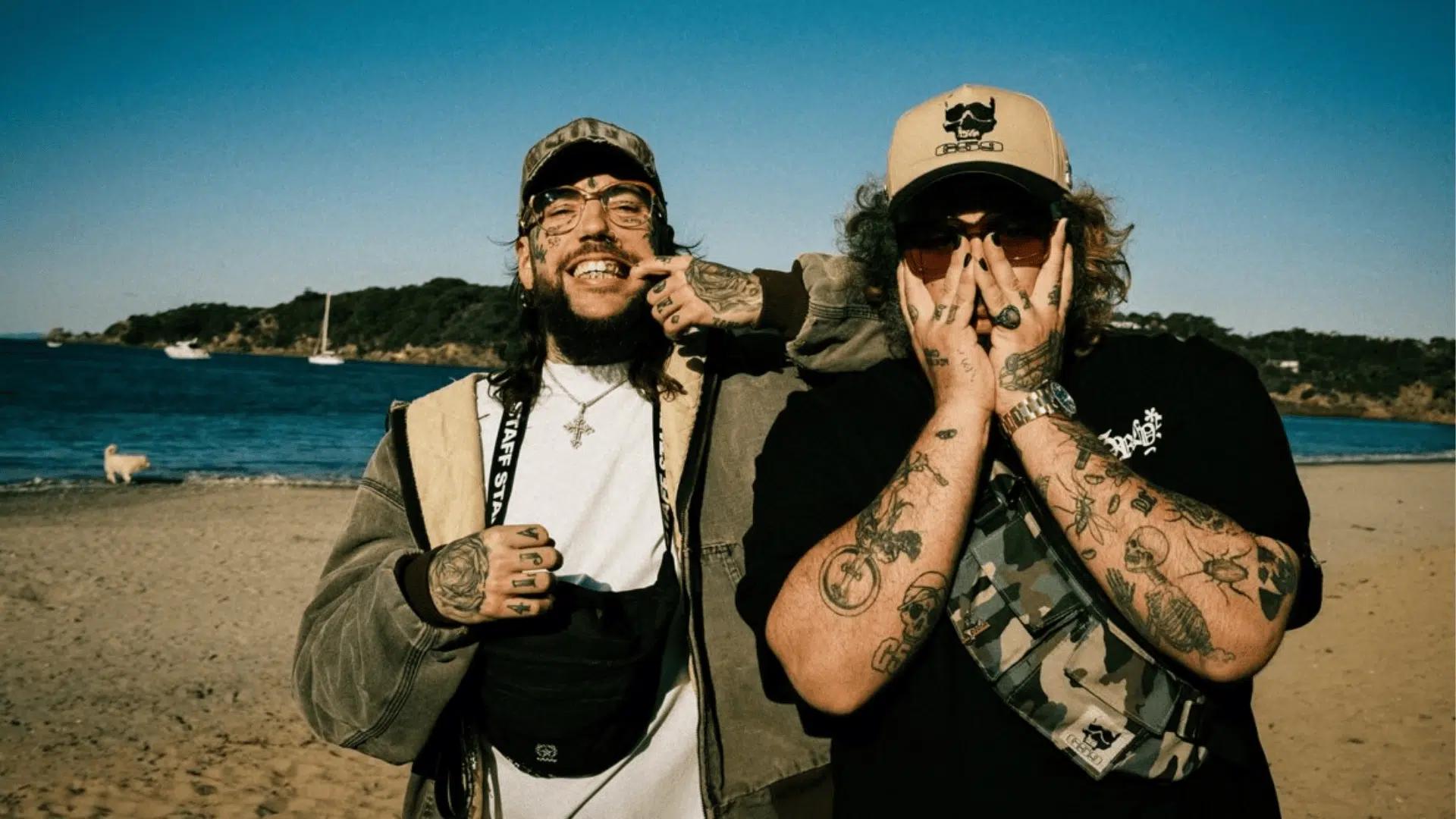
If you’ve ever listened to $uicideboy$ and wondered what genre is suicide boys, this question comes up constantly among fans. Their music is dark, heavy, and hard to label.
Some people call it emo rap, while others say it’s horrorcore or punk rap. Their sound pulls from many different styles that blend together. From trap beats to emotional lyrics about mental health, $uicideboy$ creates music that feels raw and real.
Their Southern rap roots mixed with underground influences make them stand out. Understanding their genre helps you appreciate why their music connects with so many fans who feel the same darkness and honesty.
$uicideboy$: Their Background and Rise to Fame
$uicideboy$ is a hip-hop duo from New Orleans made up of cousins Ruby da Cherry and $crim.
They began making music in the early 2010s and uploaded songs to SoundCloud, where their dark sound slowly gained attention. Instead of chasing radio play, they built a loyal fan base online through raw lyrics and heavy beats.
As their audience grew, they stayed independent and created their own label, G*59 Records. This gave them full control over their music and image.
Their past struggles with mental health, addiction, and life in New Orleans strongly shape their songs. Knowing where they came from helps explain why their music sounds so intense and personal.
What Genre Is Suicide Boys?

$uicideboy$ are mainly hip-hop and rap artists, but their sound does not fit into one clean box.
Their roots come from underground rap, where artists focus more on raw emotion than radio hits. You can hear strong Southern hip-hop and New Orleans rap influence in their heavy bass, slow beats, and dark tone.
This style connects to the city’s gritty rap history and street sound.
Unlike mainstream hip-hop, which often aims for wide appeal, underground rap speaks to a smaller, loyal crowd. $uicideboy$ stay away from polished pop rap and keep their music rough and honest.
That difference is why some listeners see them as more than just rap artists.
Every Genre That Makes Up the Suicideboys Sound
The sound of $uicideboy$ comes from a mix of different music styles. This blend is why people often debate what genre fits them best. Their music is dark, emotional, and raw, which sets them apart from most mainstream rap.
- Trap & Dark Trap: Many songs use heavy 808 bass, fast hi-hats, and dark beats. Tracks like “Paris” and “Kill Yourself (Part III)” show this style clearly.
- Horrorcore: Dark, violent, and gothic lyrics lead some listeners to call their music horrorcore. Others disagree because the focus is more on feelings than shock.
- Cloud Rap: Soft and spaced-out beats give some songs a hazy, distant sound. This adds mood and atmosphere.
- Emo Rap: Emotional lyrics about pain, stress, and mental health are common. This style blends smoothly with trap beats.
- Punk Rap/Underground Rap: A rebellious attitude and dislike for industry rules connect them to punk and underground rap.
Together, these styles create the signature $uicideboy$ sound. Their music combines darkness, emotion, and rebellion, which is why it continues to appeal to so many fans while resisting simple genre labels.
A Look at Their Discography Through the Genre
$uicideboy$’s discography shows how their sound has changed and grown over time. From raw dark trap beginnings to a mix of horrorcore, emo rap, and punk influences, each album highlights different styles.
1. I Want to Die In New Orleans (2018)
This album mixes dark trap beats with horrorcore-inspired lyrics and emotional hip-hop. It has a moody, haunting sound that became a fan favorite. Notable tracks like “Carrollton” and “Coma” show heavy bass, eerie melodies, and raw emotion.
The album highlights $uicideboy$’s early style, combining intense storytelling with a dark and rebellious tone that sets the stage for their later work.
2. Long Term Effects of Suffering (2021)
This album dives even deeper into emotion and personal struggles while keeping intense beats and a dark, moody tone. Notable tracks like “New Profile Pic” and “Avalon” show how the duo blends introspective, honest lyrics with aggressive trap rhythms.
The album feels more reflective and mature than their earlier work, demonstrating clear growth in both style and storytelling while staying true to $uicideboy$’s raw, gritty, and underground roots.
3. New World Depression (2024)
On this album, $uicideboy$ pushed their sound even further, combining dark trap, horrorcore, and sharp lyrical themes about society, struggle, and personal pain. Tracks like “Us vs. Them” and “The Thin Grey Line” highlight their defiant energy, eerie production, and intense delivery.
This release shows how the duo continues to evolve creatively, experimenting with mood and tone while keeping the dark intensity and emotional rawness that fans have come to expect.
Lyric Themes That Define Their Genre Identity
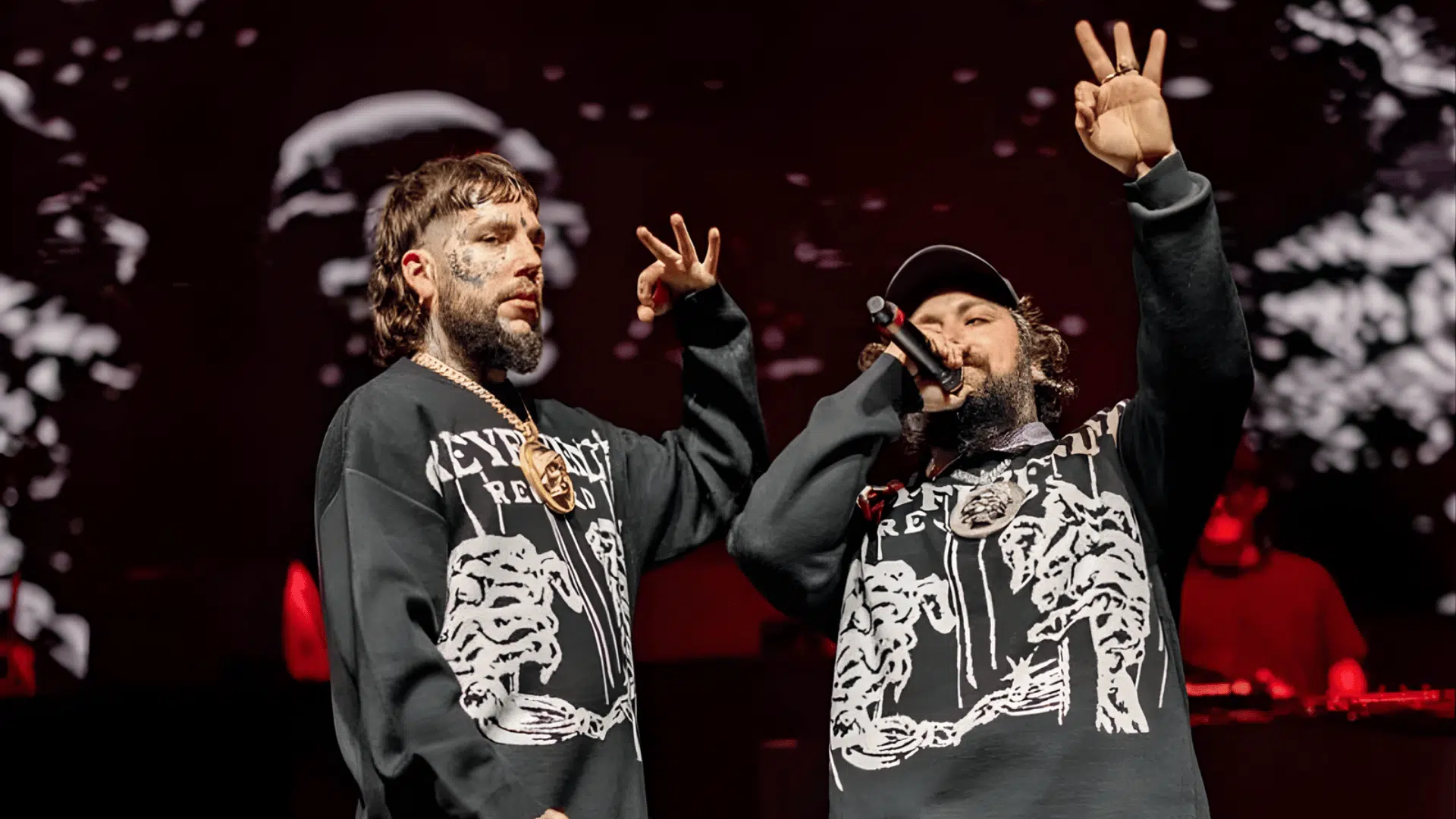
$uicideboy$’s lyrics often focus on mental health struggles, addiction, depression, and feelings of darkness. These topics are central to their style. Many songs deal with personal pain, suicidal thoughts, and substance use.
This gives listeners a raw and honest look into the duo’s experiences.
These themes influence how fans and critics classify their music, often calling it emo rap, cloud rap, or horrorcore. The emotional intensity of their lyrics, combined with dark trap beats, creates a mood that feels heavy, personal, and intense.
By focusing on these difficult topics, $uicideboy$ set themselves apart from mainstream rap, making their music both relatable and unique in the underground scene.
How Critics & Fans Describe the Suicideboys Genre?
Critics often describe $uicideboy$’s music as a mix of emo rap, horrorcore, and punk‑influenced hip-hop. Their dark themes, aggressive beats, and emotional lyrics set them apart from typical rap and connect them to underground and Southern rap styles.
Some even call parts of their sound “shadow rap” due to its moody and intense vibe. Fans use similar but more flexible terms. Many call it emo trap, cloud rap, or punk rap, depending on the song.
Online discussions show listeners appreciate how the duo blends multiple subgenres, creating a sound that is raw, emotional, and hard to categorize, which adds to their underground appeal.
That’s a Wrap
Figuring out what genre is suicide boys shows how music can break traditional labels.
$uicideboy$ built something that refuses to fit neatly into any single category, which is exactly why their fans stay so loyal. Their willingness to be vulnerable and dark while keeping their sound aggressive and real makes them different.
They represent a new wave of artists who care more about honesty than fitting into radio formats. Every listener might describe their style differently, and that’s okay. What label would you give their music?
Share your thoughts in the comments and tell me which genre name fits them best!