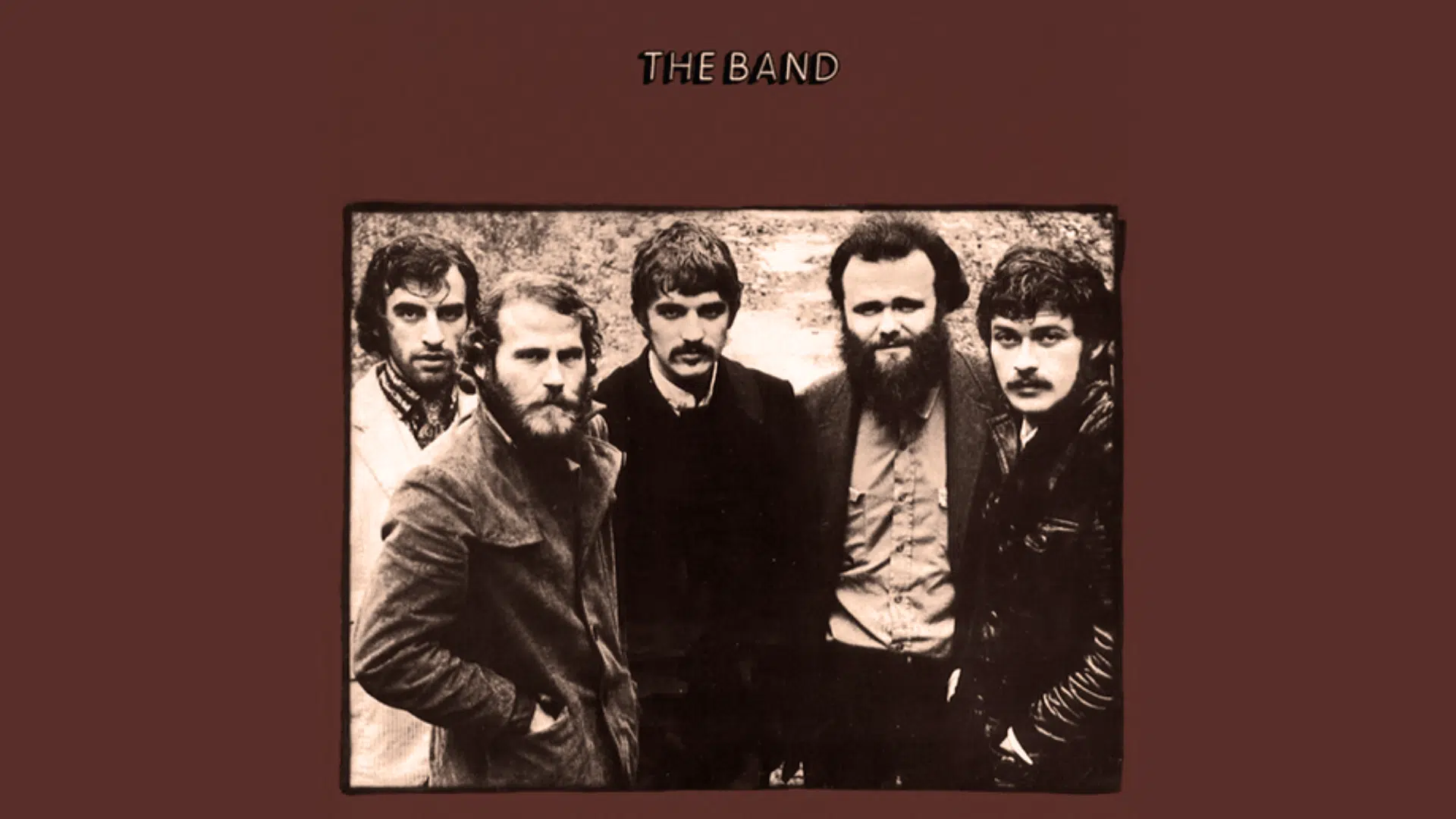
Up on Cripple Creek is one of The Band’s most well-known tracks.
Written by Robbie Robertson and released in 1969, it tells the story of a truck driver who spends time with a woman named Bessie, finding comfort and fun after long days on the road.
The song mixes rock, folk, and Americana influences, with a catchy piano and clavinet riff that gives it a playful, rolling feel. Its storytelling style, lively rhythm, and memorable chorus have made it a favorite for both listening and performing.
The lyrics capture everyday life, small pleasures, and the push and pull between work and personal enjoyment, making it relatable even decades later.
Up on Cripple Creek Lyrics by The Band
[Verse 1]
When I get off of this mountain
You know where I want to go?
Straight down the Mississippi River
To the Gulf of Mexico
To Lake Charles, Louisiana
Little Bessie, girl that I once knew
She told me just to come on by
If there’s anything she could do
[Chorus]
Up on Cripple Creek, she sends me
If I spring a leak, she mends me
I don’t have to speak, she defends me
A drunkard’s dream if I ever did see one
[Verse 2]
Good luck had just stung me
To the race track I did go
She bet on one horse to win
And I bet on another to show
The odds were in my favor
I had ’em five to one
When that nag to win came around the track
Sure enough, she had won
[Chorus]
Up on Cripple Creek, she sends me
If I spring a leak, she mends me
I don’t have to speak, she defends me
A drunkard’s dream if I ever did see one
[Verse 3]
I took up all of my winnings
And I gave my little Bessie half
She tore it up and threw it in my face
Just for a laugh
Now there’s one thing in the whole wide world
I sure would like to see
That’s when that little love of mine
Dips her doughnut in my tea
He-he!
[Chorus]
Up on Cripple Creek, she sends me
If I spring a leak, she mends me
I don’t have to speak, she defends me
A drunkard’s dream if I ever did see one
[Verse 4]
Now me and my mate were back at the shack
We had Spike Jones on the box
She said, “I can’t take the way he sings
But I love to hear him talk”
Now that just gave my heart a throb
To the bottom of my feet
And I swore as I took another pull
My Bessie can’t be beat
[Chorus]
Up on Cripple Creek, she sends me
If I spring a leak, she mends me
I don’t have to speak, she defends me
A drunkard’s dream if I ever did see one
[Interlude]
No-no, hu-hu
Lodl-lodl-lodl-uh-hu
No-no-hu
Lodl-lodl-lodl-uh-hu
[Verse 5]
Now there’s a flood out in California
And up north it’s freezing cold
And this living on the road is getting pretty old
So I guess I’ll call up my big mama
Tell her I’ll be rolling in
But you know deep down, I’m kind of tempted
To go and see my Bessie again
[Chorus]
Up on Cripple Creek, she sends me
If I spring a leak, she mends me
I don’t have to speak, she defends me
A drunkard’s dream if I ever did see one
[Outro]
No-no, hu-hu
Lodl-lodl-lodl-uh-hu
No-no-hu
Lodl-lodl-lodl-uh-hu
No-no-hu
Lodl-lodl-lodl-uh-hu
No-no-hu
Lodl-lodl-lodl-uh-hu
Song Details
Up on Cripple Creek is one of The Band’s most famous songs. It tells the story of a truck driver and his time with Bessie, mixing storytelling with a roots-rock sound that made it a hit in the late 1960s.
| CATEGORY | INFORMATION |
|---|---|
| Song Title | Up on Cripple Creek |
| Writer | Robbie Robertson |
| Performers | The Band |
| Release Year | 1969 |
| Album | The Band (1969) |
| Genre | Roots rock, Americana |
| Producer | John Simon |
These details show how The Band combined storytelling, rock, and folk influences into a hit song. Knowing the album and style helps readers understand why Up on Cripple Creek remains a classic.
The Story Behind Up on Cripple Creek Lyrics
Up on Cripple Creek tells the story of a truck driver who is tired of his hard work and wants comfort from a woman named Bessie in Lake Charles, Louisiana.
He spends time with her, gambles, drinks, listens to music, and enjoys being looked after without having to say much, especially in the catchy chorus where Bessie “mends” him and defends him.
Her care feels like a relief from his long days on the road, which makes the chorus emotionally strong for many fans.
Near the end, he thinks about calling his “big mama” back home, but part of him still wants to return to Bessie, showing his mixed feelings about life on the road and where he truly belongs.
Meaning & Interpretation of Up on Cripple Creek
Up on Cripple Creek can stand for more than just a story about a truck driver and his lover. The lyrics suggest a desire to escape the hard life on the road and find comfort in a place that feels safe and easy, especially with Bessie by his side.
The repeated chorus about being “mended” and defended hints that Cripple Creek is like a refuge from stress and cold nights, not just a physical location. Many listeners see the song as a reflection of American life.
It shows everyday work, small pleasures, gambling, and the pull between duty and personal comfort. The way the song blends rock, folk, and country sounds also helps it feel like a piece of lived experience from ordinary people.
Cripple Creek Folk Song (Traditional Version)
The traditional Cripple Creek folk song is a different song from Up on Cripple Creek by The Band. It has been sung and recorded by many artists over time, especially in bluegrass and old‑time music circles.
Because it started as a folk tune passed down by ear, there isn’t one official version.
1. Bill Monroe’s Version
Bill Monroe’s version of Cripple Creek is played in a fast bluegrass style with lively banjo, fiddle, and tight rhythm. Monroe, often called the “Father of Bluegrass,” helped make the song widely known in the mid-1900s.
His band’s sound influenced many other bluegrass musicians, and their version became a classic example of how the song could be played. Monroe’s recording remains one of the most recognized ways to hear Cripple Creek today.
2. Doc Watson’s Version
Doc Watson’s version of Cripple Creek features clear singing and strong fingerstyle guitar playing. As a respected folk and bluegrass musician, Watson helped preserve old-time Appalachian music.
His recordings highlight simple melodies and traditional phrasing, keeping the original feel alive. Many listeners enjoy his version for its straightforward, authentic presentation and subtle guitar skill.
3. Flatt & Scruggs Version
Flatt & Scruggs recorded Cripple Creek with bright, energetic banjo picking and a cheerful tempo. Earl Scruggs’s three-finger banjo style gave the song a lively, rhythmic drive that became central to bluegrass music.
Their version helped bring the folk tune to a wider audience and made it popular at music jams and festivals. It shows how Cripple Creek could be both fun to play and easy for listeners to enjoy.
The History of the Cripple Creek Folk Song
The Cripple Creek folk song is an old Appalachian tune. It has been played for many years in the Southern United States. The song likely began in the Appalachian and old‑time music traditions before it was ever written down.
Some early lyrics were collected from singers in Tennessee, South Carolina, and Kentucky in the early 1900s. Musicians often played it on banjo and fiddle. Its lively rhythm helped it become a bluegrass standard over time.
Bands and pickers added their own styles, making the song part of many music sessions and festivals. Because of its simple melody and rhythm, Cripple Creek is also one of the first songs many banjo players learn.
Up on Cripple Creek vs. Cripple Creek Folk Song
Up on Cripple Creek by The Band and the traditional Cripple Creek folk song may sound like they share a name, but they are very different.
Up on Cripple Creek was written by Robbie Robertson and released in 1969 as a roots rock / Americana song about a truck driver and his time with a woman named Bessie. It has structured verses and a clear story.
The traditional Cripple Creek is an old Appalachian folk tune that dates back to the early 1900s or earlier. It has been played for decades in old‑time and bluegrass music and usually has simple, changing lyrics that vary by performer.
The two songs differ in artist type, genre, lyrics style, and era, even though both are part of American music culture.
Why Cripple Creek Still Matters Today?
Both Up on Cripple Creek and the traditional Cripple Creek are still sung, played, and covered today.
Up on Cripple Creek hit the Billboard charts in 1969 and is still heard on classic rock and Americana radio. Bands cover it live because its beat is catchy, and the story is fun to sing along to.
The traditional Cripple Creek remains popular in old-time, folk, and bluegrass music. Musicians often play it at jam sessions because its simple melody is easy to learn and share. Many fans search for Cripple Creek lyrics to sing along, play on an instrument, or understand the words.
Both versions have become parts of American music culture that people still enjoy today.
Frequently Asked Questions (FAQs)
Who Originally Wrote the Cripple Creek Folk Song?
The original Cripple Creek folk song is traditional and has no single known writer.
What Is the Meaning of “Cripple Creek” in the Folk Song?
It refers to a lively place for socializing, dancing, or music in Appalachian culture.
Are There Different Lyrics Versions for the Traditional Cripple Creek?
Yes, lyrics vary widely since it was passed down orally over generations.