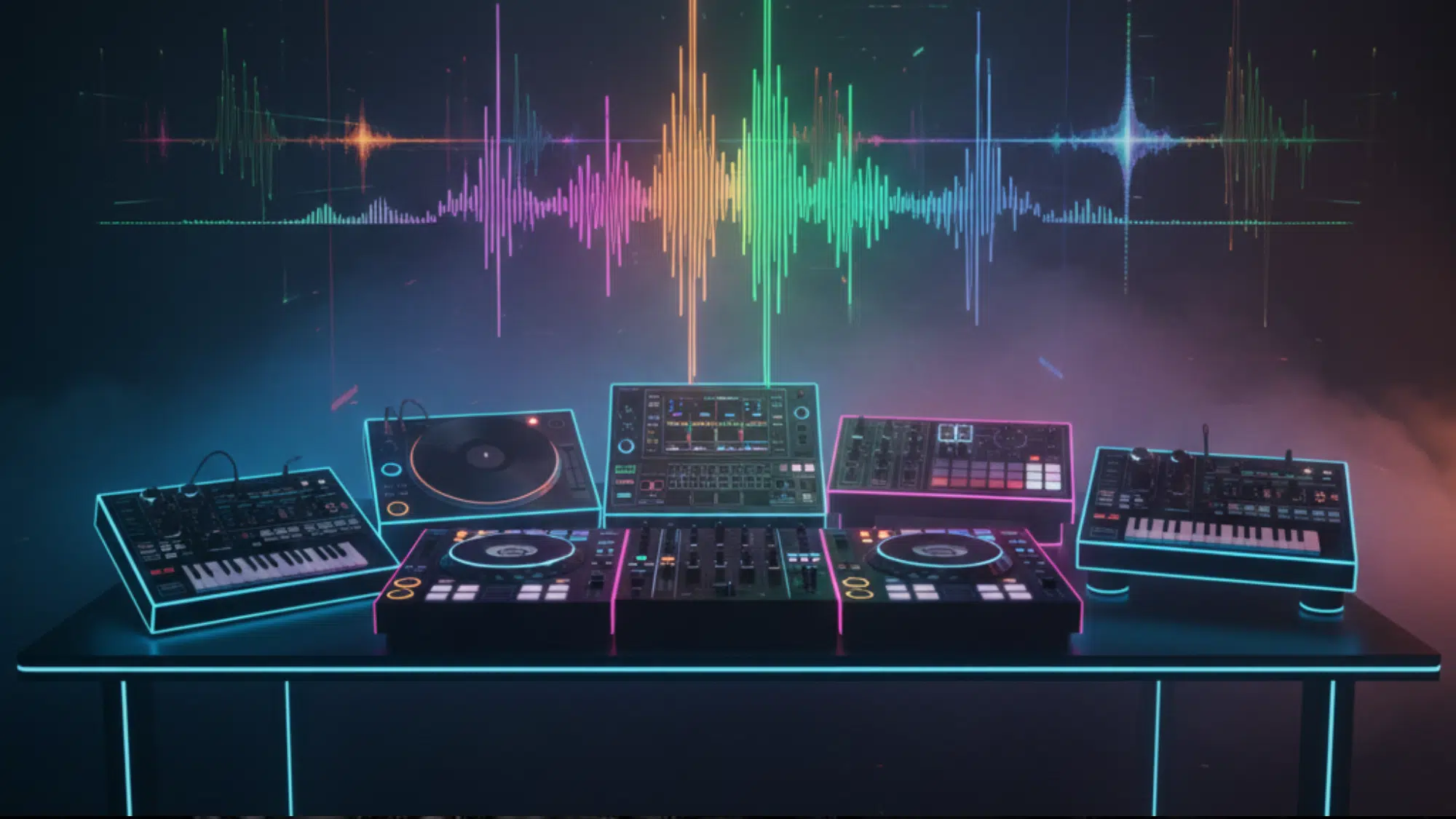
Electronic music is one of the most diverse music worlds out there, stretching from mellow ambient soundscapes to high-energy festival anthems.
Every style brings its own vibe, culture, and personality, giving listeners endless ways to connect with rhythm and emotion.
Some people dig into EDM to find new artists, while others want to understand what makes genres like house, techno, dubstep, and trance so different from one another.
No matter the reason, diving into these styles opens the door to a creative universe shaped by beats, textures, and imagination.
What Defines Electronic Music?
Electronic music is created using electronic instruments, digital tools, and sound-manipulating technology rather than traditional acoustic methods.
Synthesizers, drum machines, computers, and samplers shape the core of its sound, giving artists complete creative freedom to design everything from smooth, atmospheric tones to heavy, bass-driven drops.
What makes electronic music so unique is its flexibility; producers can blend styles, experiment endlessly, and build entirely new genres from just a few beats and textures.
This foundation is what led to the huge range of electronic styles we know today, each with its own rhythm, mood, and cultural identity.
Types of Electronic Music
Electronic music includes many distinct types, each defined by its tempo, style, and atmosphere.
Whether bold and bass-heavy or soft and melodic, these genres highlight the range of modern sound design.
1. House
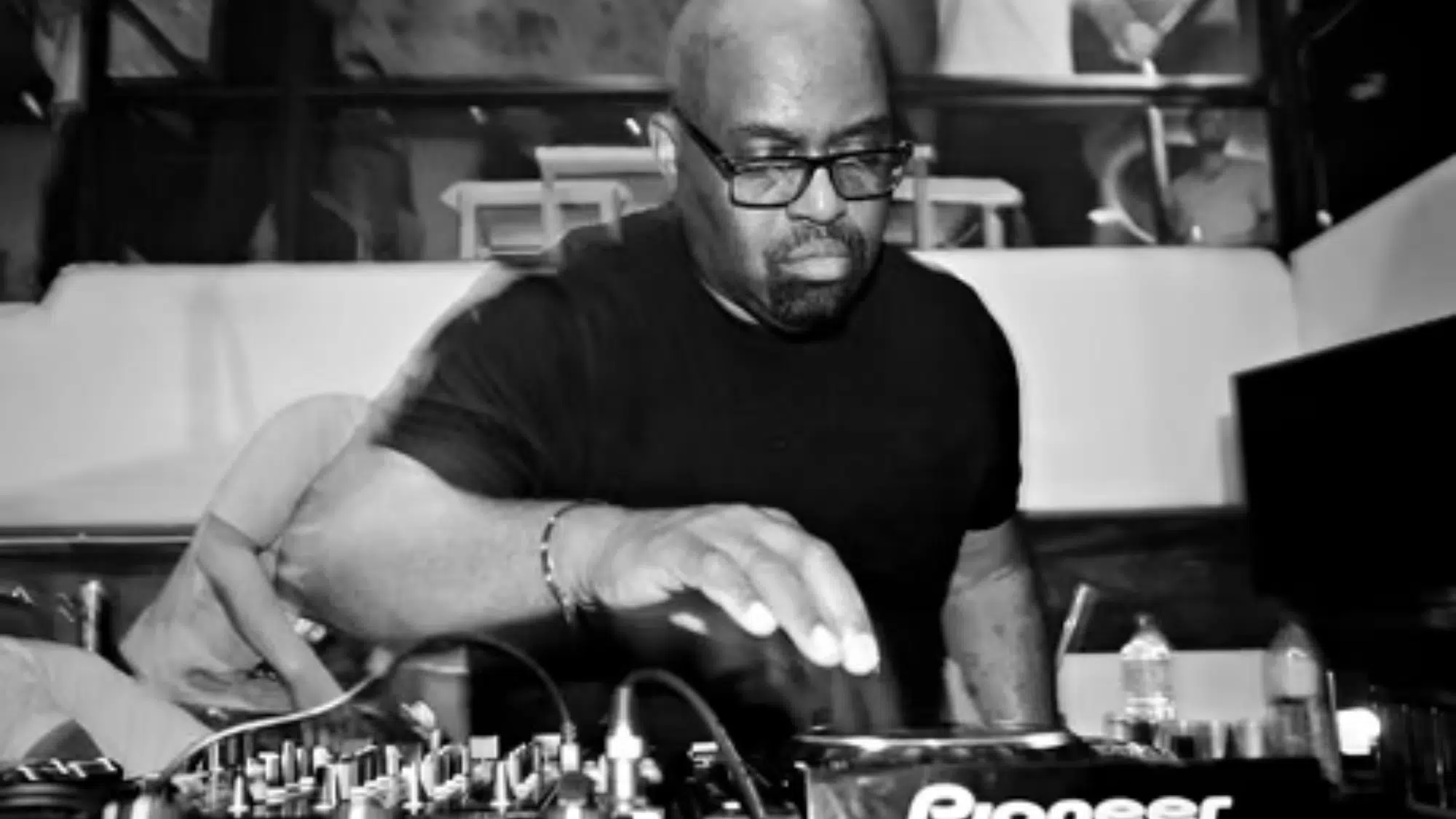
Born in Chicago in the early 1980s, house music is built around a steady four-on-the-floor beat, typically at 120-130 BPM. It features repetitive rhythms, synthesized basslines, and soulful vocals that often draw from disco and funk.
Named after the Warehouse club where DJ Frankie Knuckles pioneered the sound, house became the foundation of modern dance music.
The genre emphasizes groove and rhythm over complex melodies, creating an infectious, danceable energy that remains a club staple worldwide.
Its influence extends far beyond clubs, shaping pop music, hip-hop production, and virtually every form of electronic dance music that followed.
Popular Songs:
2. Techno
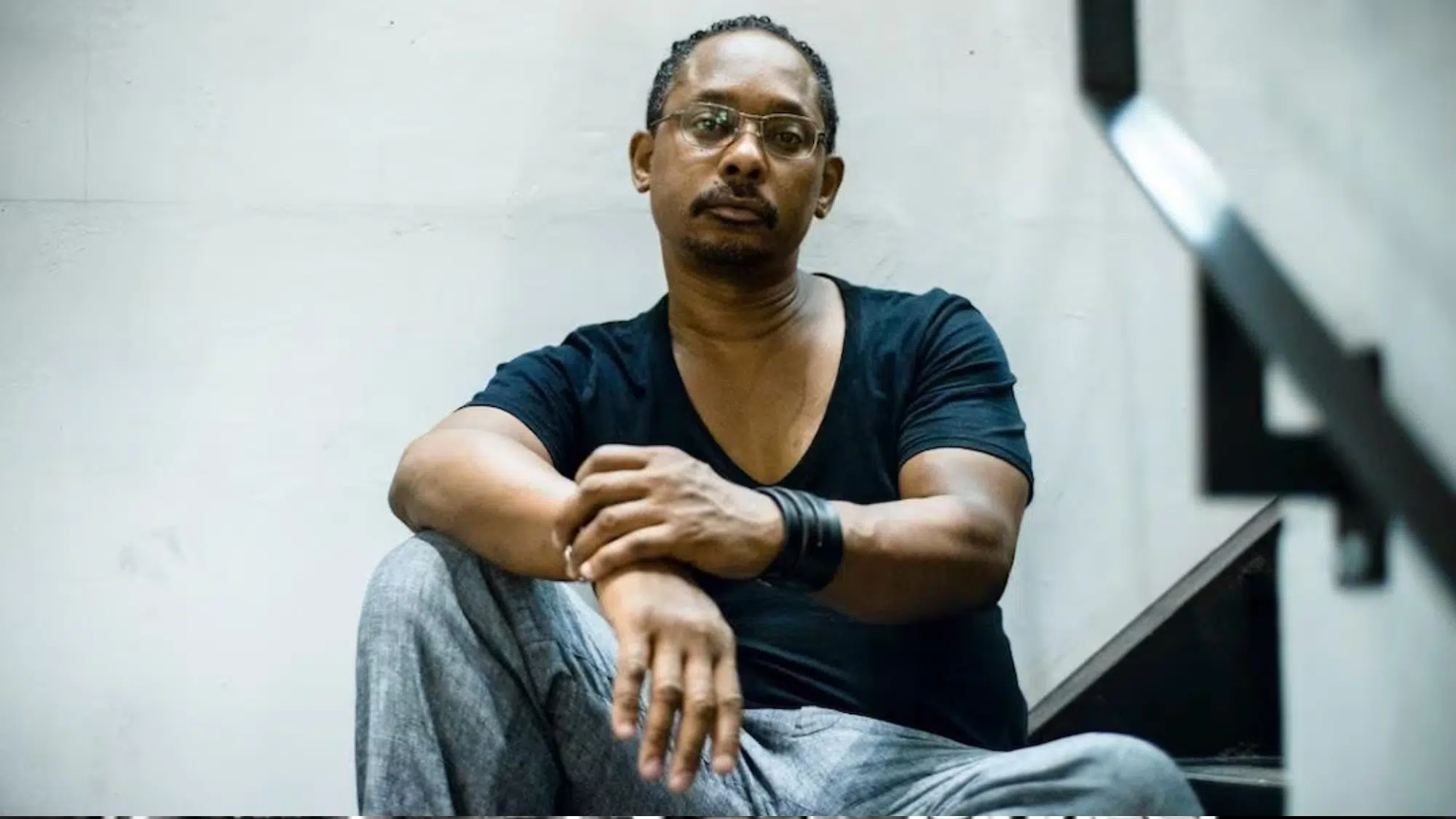
Originating in Detroit in the mid-1980s, techno is darker and more mechanical than house, reflecting the industrial landscape of its birthplace.
It emphasizes repetitive instrumental music at around 120-150 BPM, featuring synthesizers, drum machines, and futuristic soundscapes that evoke images of factories, highways, and urban decay.
Pioneers like Juan Atkins, Derrick May, and Kevin Saunderson (the Belleville Three) created a sound that was simultaneously soulful and robotic, drawing inspiration from European electronic acts like Kraftwerk while infusing it with the energy of black American music traditions.
Techno is hypnotic and minimal, designed for late-night warehouse raves where the music becomes almost meditative through its relentless repetition.
Popular Songs:
3. Trance
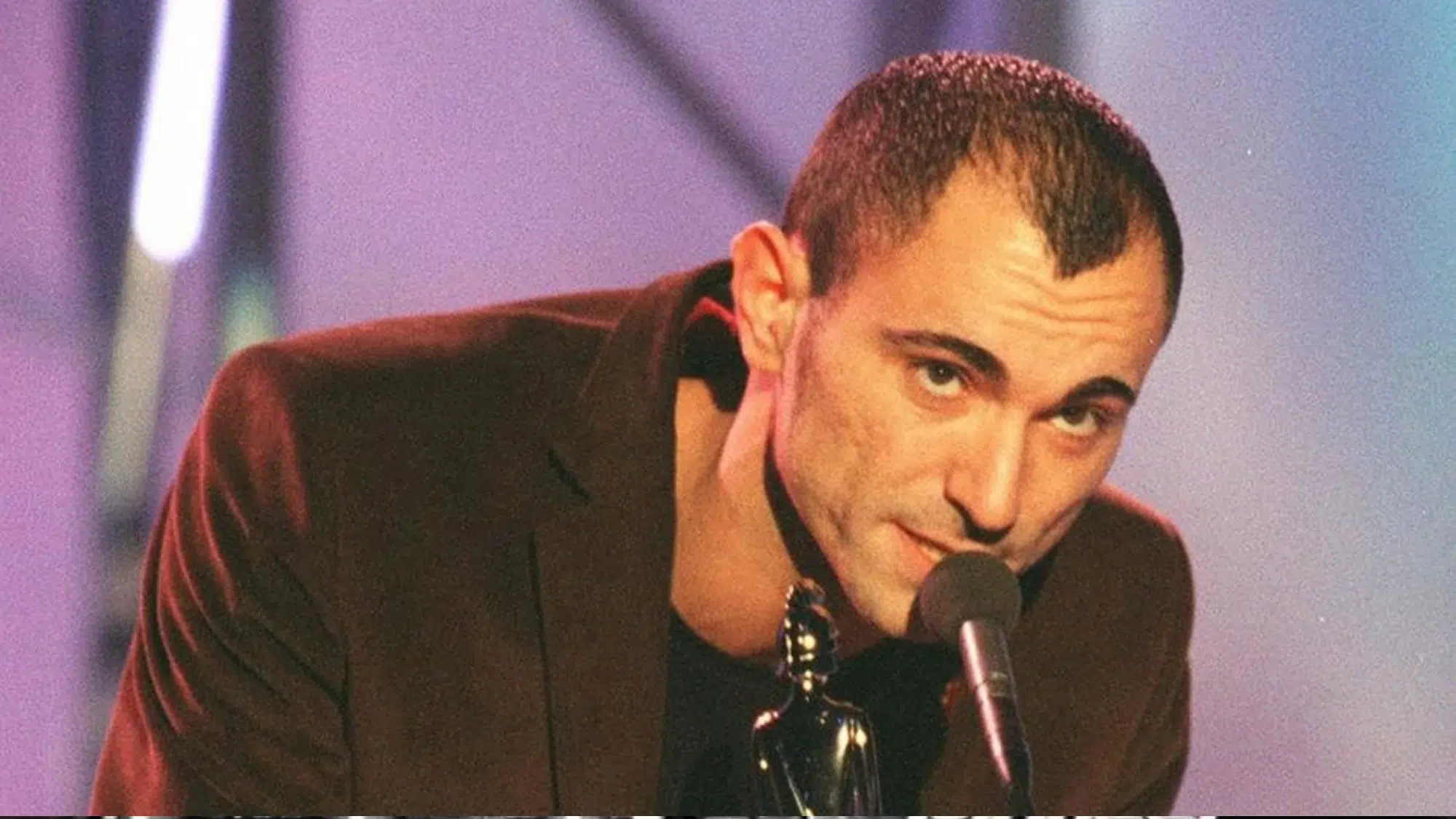
Trance emerged in Germany in the early 1990s, characterized by a tempo of around 125-150 BPM, melodic phrases, and a musical form that builds up and breaks down throughout a track, creating dramatic emotional peaks and valleys.
The genre takes its name from the trance-like, euphoric state it aims to induce in listeners through repetitive melodic phrases and a musical form that builds tension and releases it in epic breakdowns.
Trance emphasizes melody and harmony more than most electronic genres, featuring sweeping pads, arpeggiated synths, and soaring lead lines that create an uplifting, almost spiritual atmosphere.
At its peak in the late 1990s and early 2000s, trance dominated massive festivals and created superstar DJs, though it has since evolved and fragmented into many different styles.
Popular Songs:
4. Dubstep

Dubstep, born in South London in the late 1990s and early 2000s, is characterized by sparse, syncopated rhythmic patterns and prominent sub-bass frequencies that can rattle your chest.
The tempo sits around 140 BPM but with a half-time feel that makes it feel like 70 BPM, creating a heavy, lurching groove.
Early dubstep from producers like Skream, Benga, and Digital Mystikz was darker and more minimal, influenced by UK garage, drum and bass, and Jamaican dub music.
Around 2010, dubstep broke into the mainstream through artists like Skrillex, who introduced a more aggressive, “brostep” style with metallic sounds, extreme drops, and festival-ready energy.
This commercialization divided fans but brought the genre to a global audience.
Popular Songs:
- “Scary Monsters and Nice Sprites” – Skrillex
- “Night” – Benga & Coki
- “In for the Kill (Skream Remix)” – La Roux
5. Drum and Bass
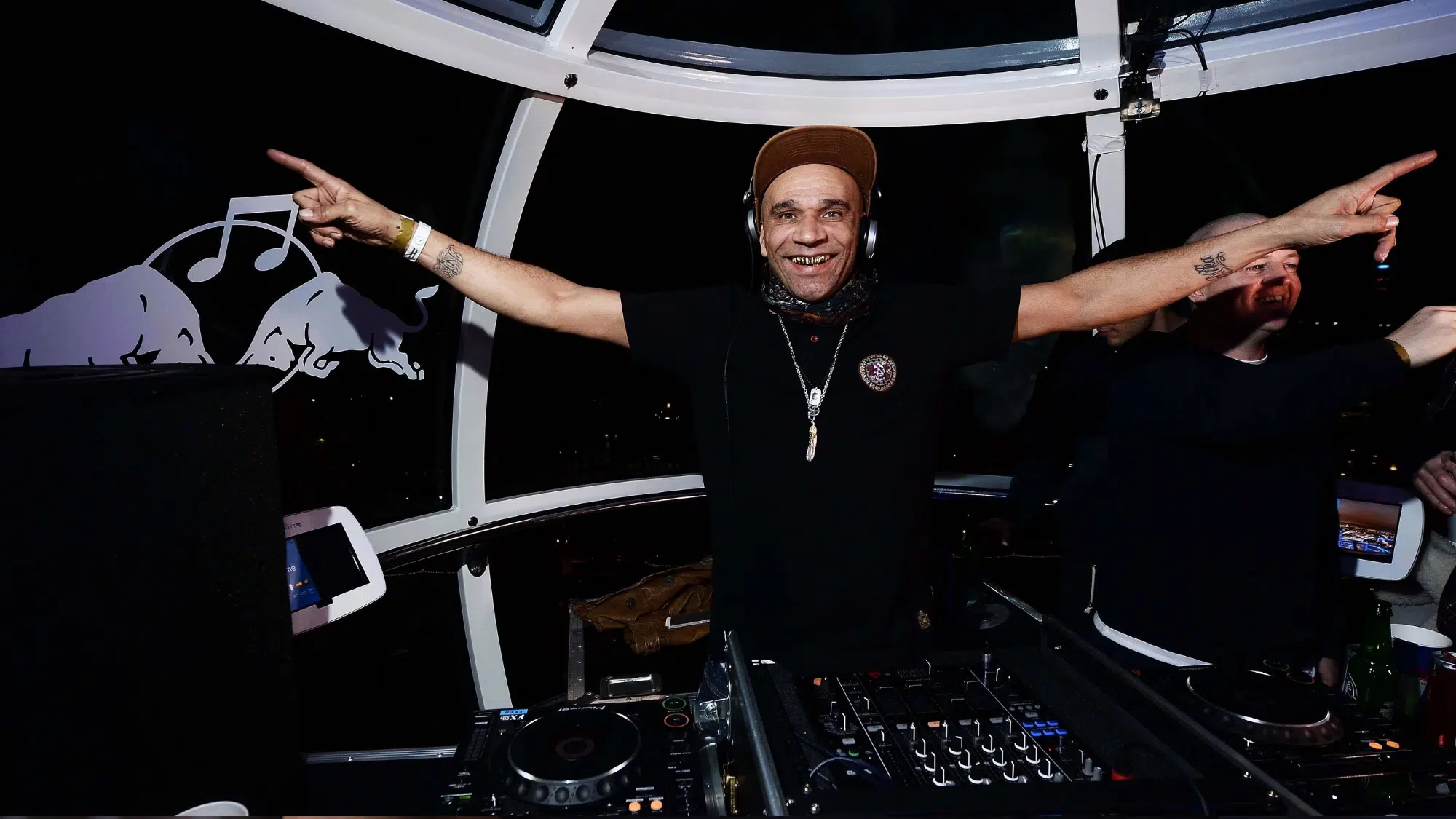
Emerging from UK rave scenes in the early 1990s, drum and bass (DnB) features fast, complex breakbeats at 160-180 BPM with heavy bass and sub-bass lines that provide weight and groove beneath the frenetic percussion.
The genre is built around sampled and manipulated drum breaks, most famously the “Amen break,” which are chopped, layered, and rearranged into intricate patterns that sound impossibly fast.
Drum and bass has maintained a dedicated underground following in the UK while influencing mainstream producers and crossing over into pop, hip-hop, and video game soundtracks.
The technical skill required to produce and DJ drum and bass has created a culture of innovation and one-upmanship among producers.
Popular Songs:
6. Ambient
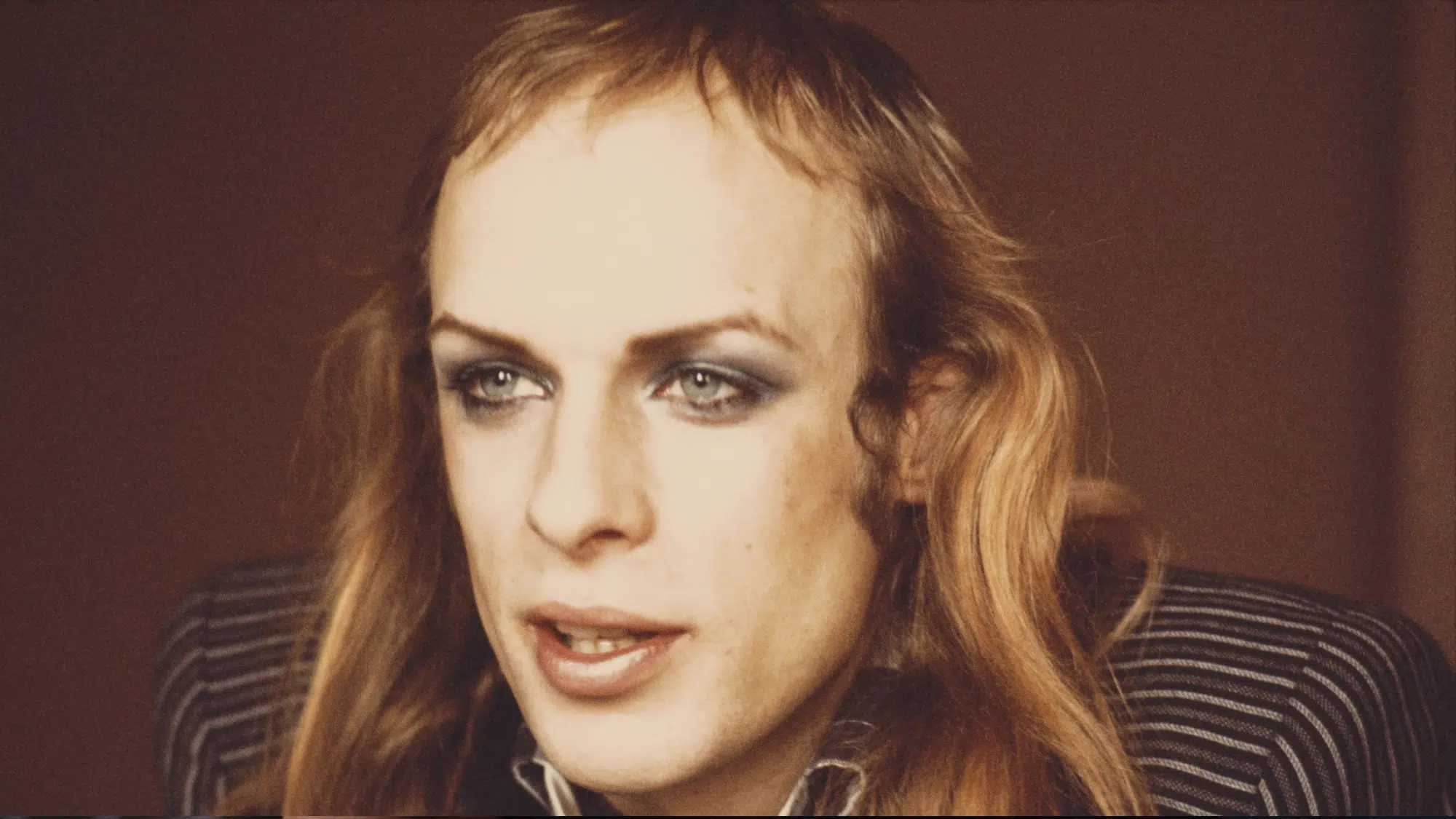
Ambient music emphasizes tone, atmosphere, and texture over traditional musical structures such as melody, rhythm, or vocals.
Created and defined by Brian Eno in the 1970s with albums like “Music for Airports,” ambient is designed to be as ignorable as it is interesting. It can function as background music that enhances an environment or as focused listening that rewards attention.
The genre is typically slow-paced or entirely beatless, using synthesizers, field recordings, and processing to create immersive sonic environments.
In an age of constant stimulation and distraction, ambient music offers space to breathe and think, making it increasingly relevant and popular.
Popular Songs:
7. Synthwave
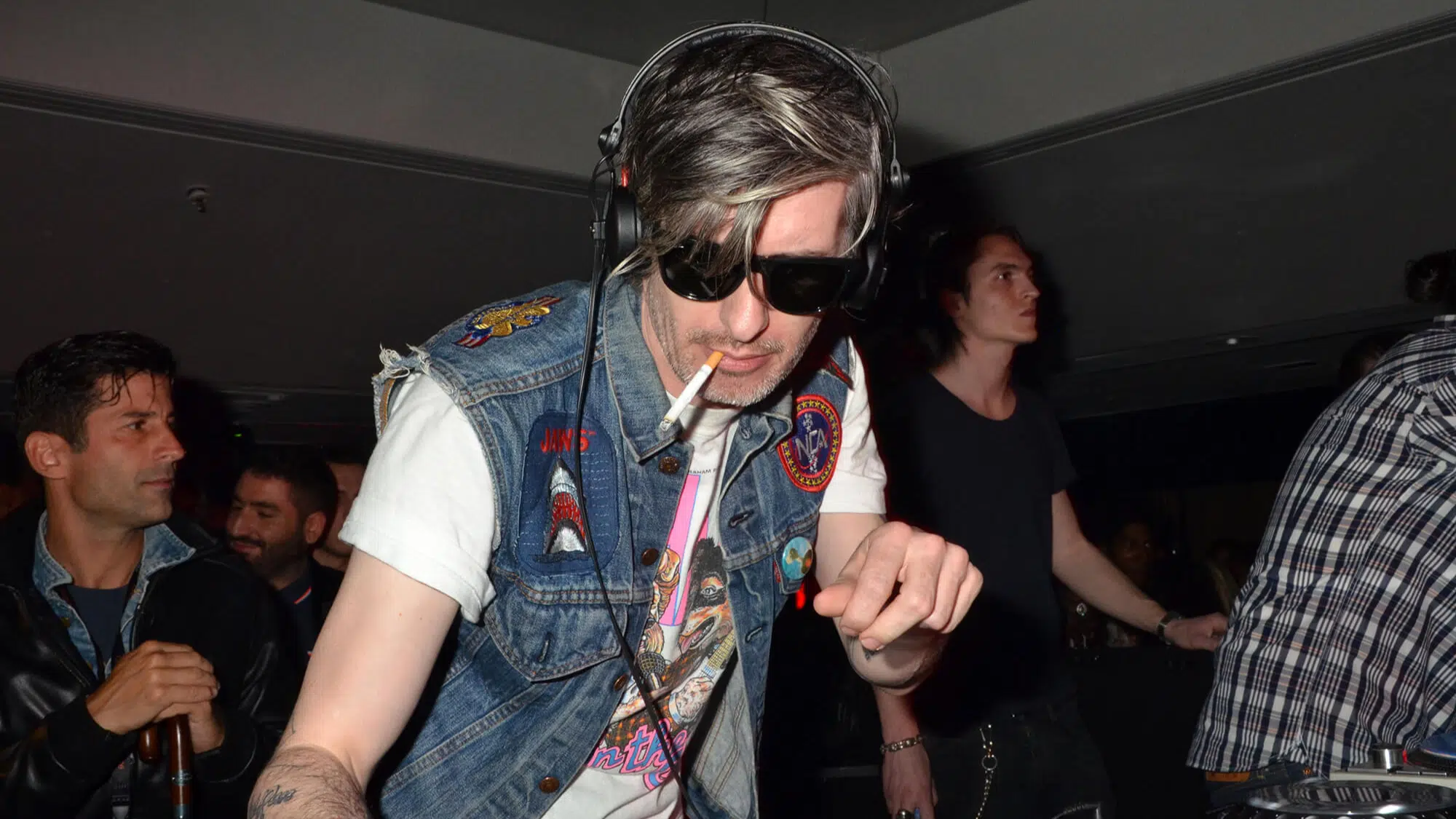
A retro-futuristic genre that emerged in the mid-2000s, synthwave draws heavily on 1980s film soundtracks, video games, and pop culture, particularly action movies, sci-fi, and the aesthetics of that neon-soaked decade.
It features analog synthesizers (or digital recreations of them), reverb-heavy drums, and nostalgic melodies that evoke neon-lit cityscapes, sunsets over grids, sports cars, and vintage VHS aesthetics.
Synthwave isn’t just nostalgic pastiche; it reimagines the 80s through a modern lens, often with more sophisticated production than the originals.
It appeals to millennials’ nostalgia for the 80s while attracting younger listeners drawn to its cinematic, dramatic sound.
Popular Songs:
- “Nightcall” – Kavinsky
- “Turbo Killer” – Carpenter Brut
- “Odd Look” – Kavinsky (ft. The Weekend) Remix
8. Downtempo
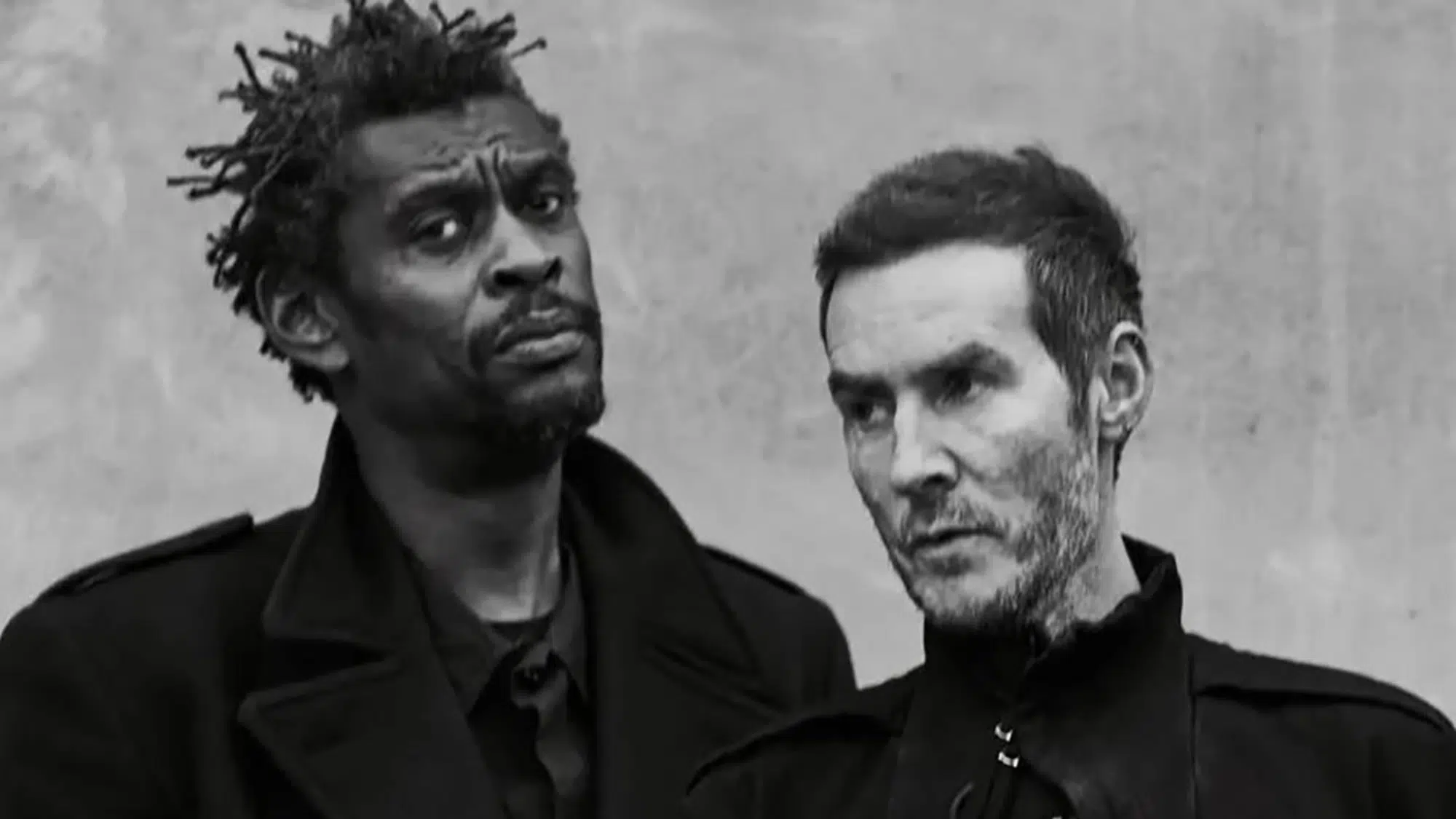
Downtempo encompasses various slow-tempo electronic styles, typically 80-100 BPM, designed for listening rather than dancing, while trip-hop blends hip-hop beats with electronic production, jazz samples, and atmospheric elements.
Trip-hop was born in Bristol, UK, in the early 1990s through artists like Massive Attack, Portishead, and Tricky, who combined the breakbeats and sampling of hip-hop with moody, cinematic production, live instrumentation, and often haunting female vocals.
The result is music that’s moody, introspective, and sometimes dark, perfect for late-night listening or film soundtracks.
Downtempo more broadly includes chillout music, lounge, and other relaxed electronic styles that emphasize atmosphere and groove over energy and aggression.
Both trip-hop and downtempo have influenced countless artists across electronic music, hip-hop, and pop, proving that electronic music doesn’t have to be fast or loud to be compelling.
Popular Songs:
9. Hardstyle

Originating in the Netherlands in the late 1990s, hardstyle features a tempo of 140-150 BPM with hard-hitting kicks, distorted sounds, and euphoric melodies that create an intense, almost aggressive energy.
The genre is defined by its signature “reverse bass” kick drum, a distorted, pitched kick that gives hardstyle its characteristic sound, and a structure that alternates between melodic, uplifting sections and heavy, pounding drops.
The culture around hardstyle is passionate and devoted, with massive festivals like Defqon . 1 and Qlimax drawing hundreds of thousands of fans who share a sense of unity and celebration.
While hardstyle is most popular in Europe, particularly the Netherlands and Belgium, it has developed a dedicated global following that appreciates its combination of emotional melody and physical, visceral power.
Popular Songs:
- “Psychedelic” – Headhunterz
- “Colors of the Night” – Wildstylez feat. Michael Jo
- “The Power of the Mind” – Headhunterz
10. Electro
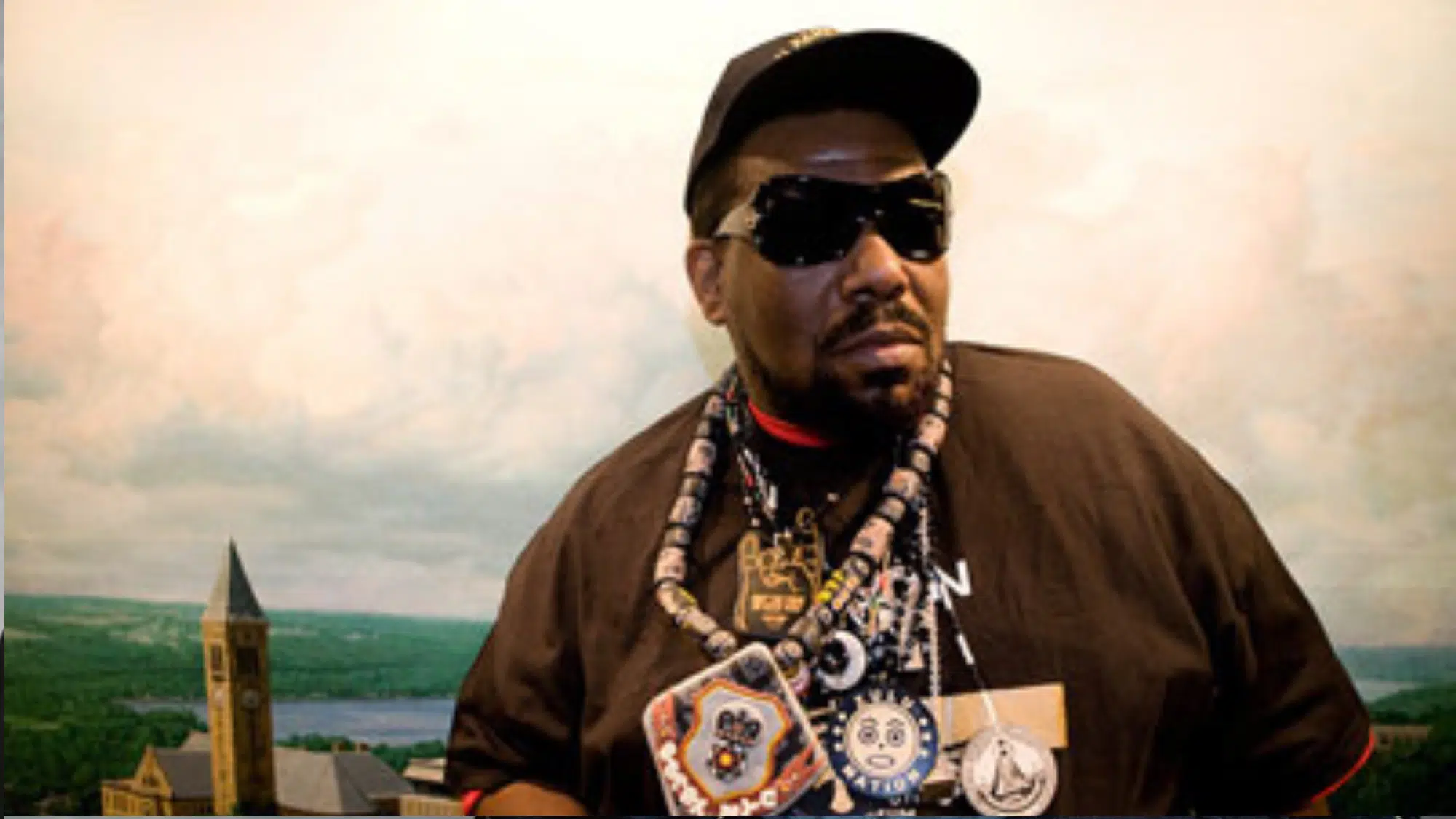
Not to be confused with “electronic music” in general, electro is a specific genre that emerged in the early 1980s, combining funk, hip-hop, and electronic sounds.
It features distinctive robotic vocals (often vocoded or talk-boxed), syncopated drum-machine patterns that emphasize the Roland TR-808’s signature sounds, and synthesizer basslines inspired by Kraftwerk and early electronic pioneers.
Electro was pioneered by artists like Afrika Bambaataa, whose “Planet Rock” fused Kraftwerk’s “Trans-Europe Express” with hip-hop breakdancing culture, creating a futuristic funk sound.
Electro was hugely influential on early hip-hop, Miami bass, Detroit techno, and virtually all electronic dance music that followed.
The genre’s combination of human groove and robotic precision, organic funk and synthetic sounds, continues to inspire producers across many styles of electronic music.
Popular Songs:
11. IDM (Intelligent Dance Music)
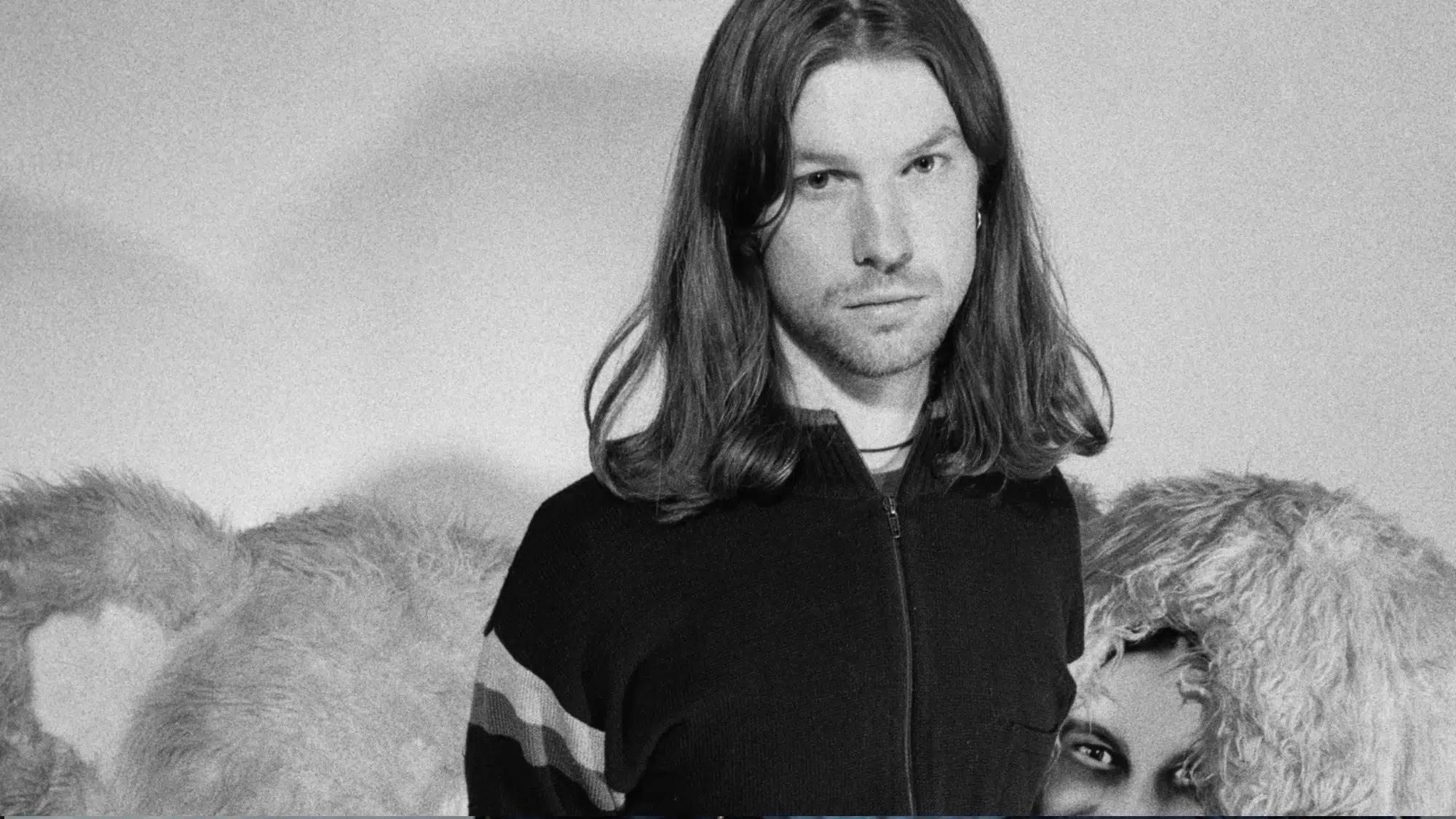
IDM emerged in the early 1990s as experimental electronic music designed for attentive listening rather than dancing, though the somewhat pretentious name “Intelligent Dance Music” has been debated since its inception.
It features complex rhythms, unusual time signatures, abstract sounds, glitchy textures, and cerebral compositions that prioritize innovation and artistry over accessibility or dancefloor functionality.
Artists like Aphex Twin, Autechre, Boards of Canada, and Squarepusher pushed electronic music’s creative boundaries, treating drum machines and synthesizers as instruments for composition rather than just tools for making club tracks.
The genre rewards deep listening and repeated plays, revealing layers of detail and subtle variations that might be missed on first exposure.
IDM laid the groundwork for modern experimental electronic music and influenced countless producers across genres.
Popular Songs:
12. UK Garage
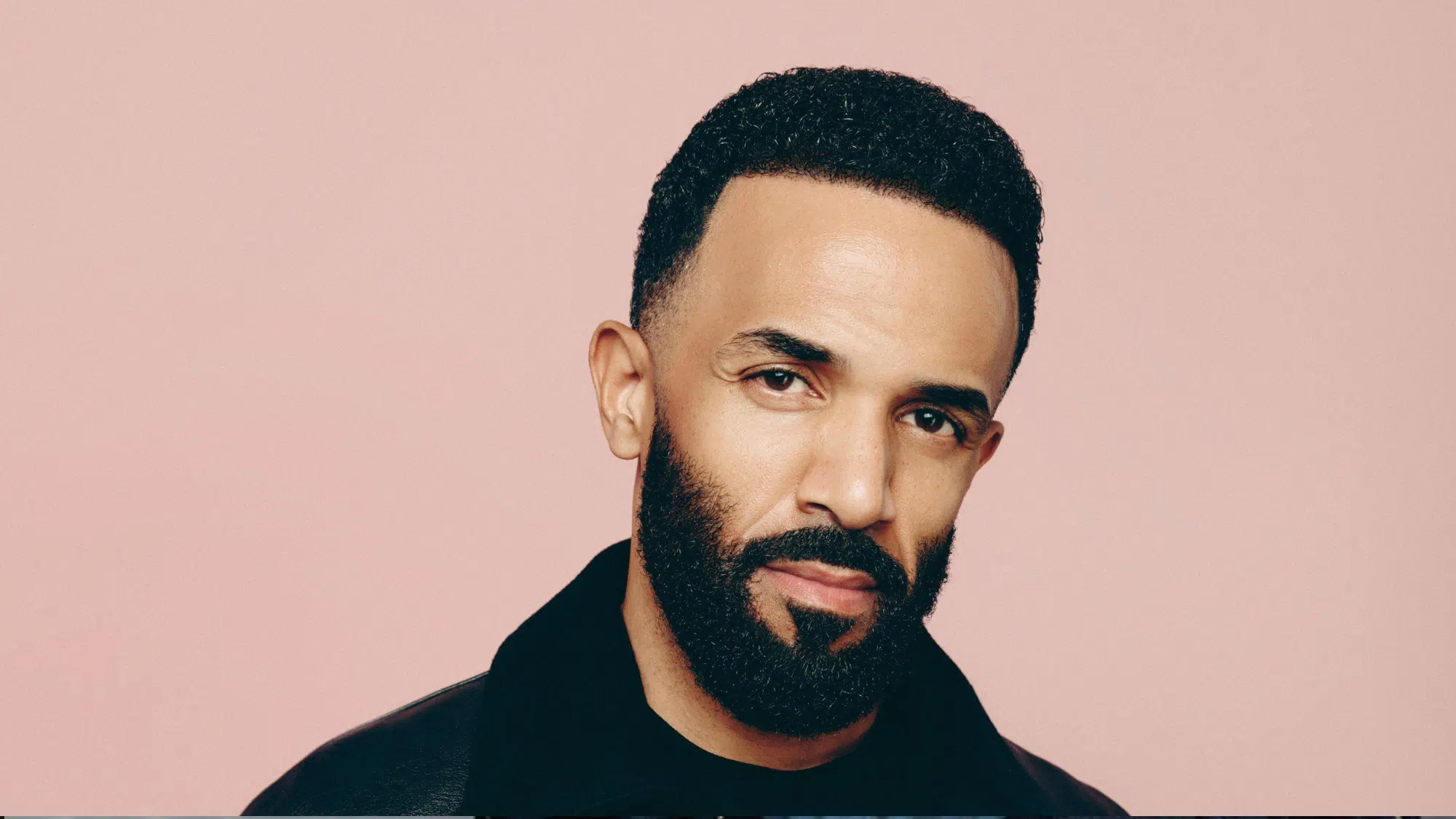
Born in London in the early 1990s, UK garage (often shortened to UKG) combines house music’s four-on-the-floor foundation with R&B vocals, swing rhythms, and a distinctly British sensibility.
The genre is characterized by shuffled, syncopated beats, chopped-up vocal samples, skippy hi-hats, and a tempo around 130 BPM, making it faster than house but more relaxed than drum and bass.
UK garage took American garage house and gave it a local twist, incorporating influences from Jamaican sound system culture, R&B, and the UK’s multicultural urban landscape.
The sound is simultaneously underground and accessible, sophisticated and street, equally at home in intimate clubs and on pirate radio stations.
The genre experienced a mainstream moment in the late 90s and early 2000s, then went underground, only to experience periodic revivals that prove its enduring appeal.
Popular Songs:
13. Future Bass
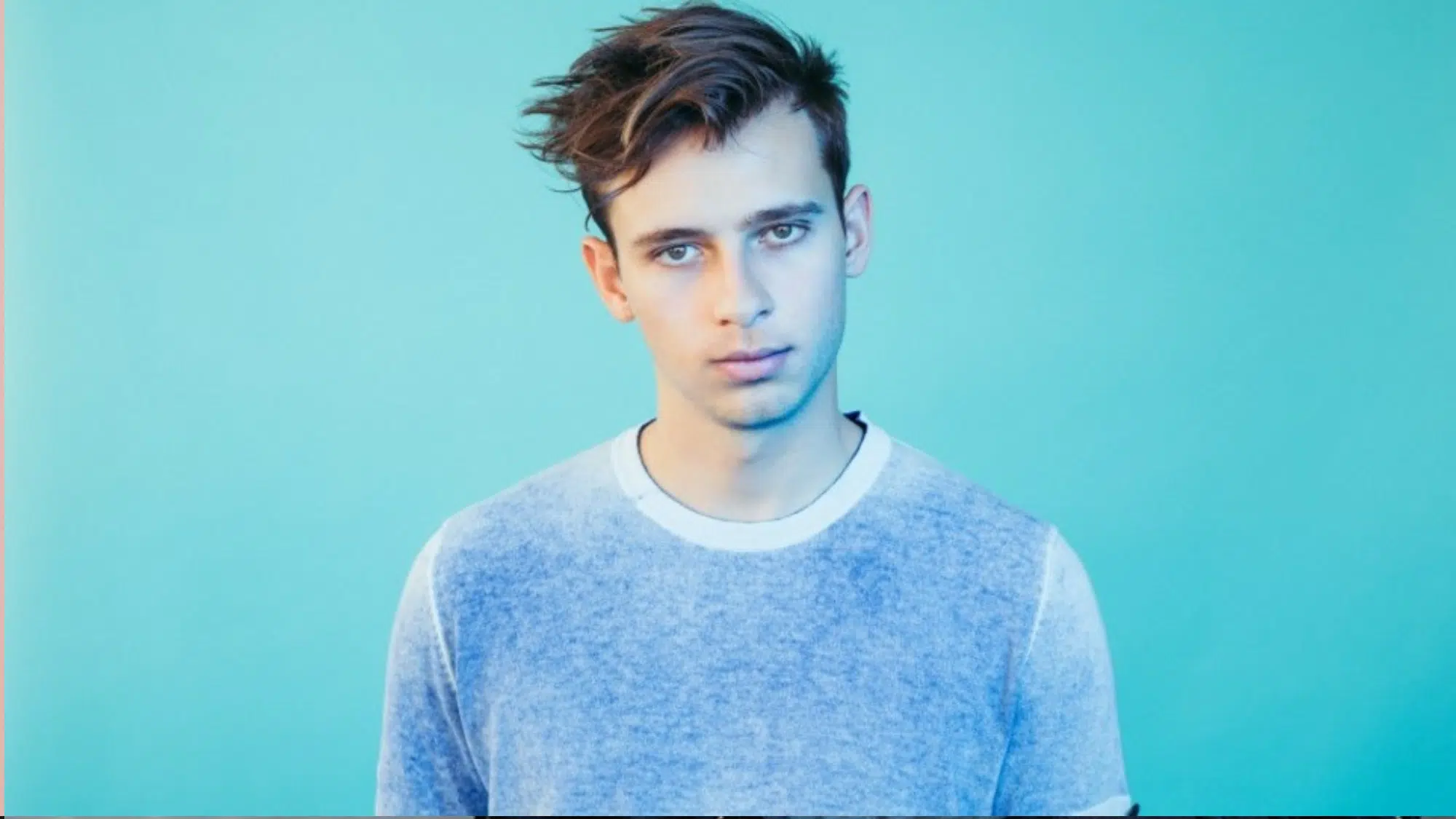
A modern genre that emerged in the 2010s, future bass features lush synthesizer chords with rich harmonic content, prominent basslines with pitch bends and glides, bright melodies, and trap-influenced beats that add hip-hop swagger to electronic music.
The sound is characterized by “supersaws” (thick, detuned synthesizer sounds), vocal chops that turn voices into melodic instruments, and dynamic arrangements that shift between intimate verses and explosive drops.
Future bass is melodic and emotional, often incorporating elements of pop, hip-hop, and trap while maintaining the sophistication of electronic music production.
Producers like Flume pioneered the sound, which quickly became hugely popular in mainstream EDM and pop music, influencing artists across genres.
Popular Songs:
14. Psytrance
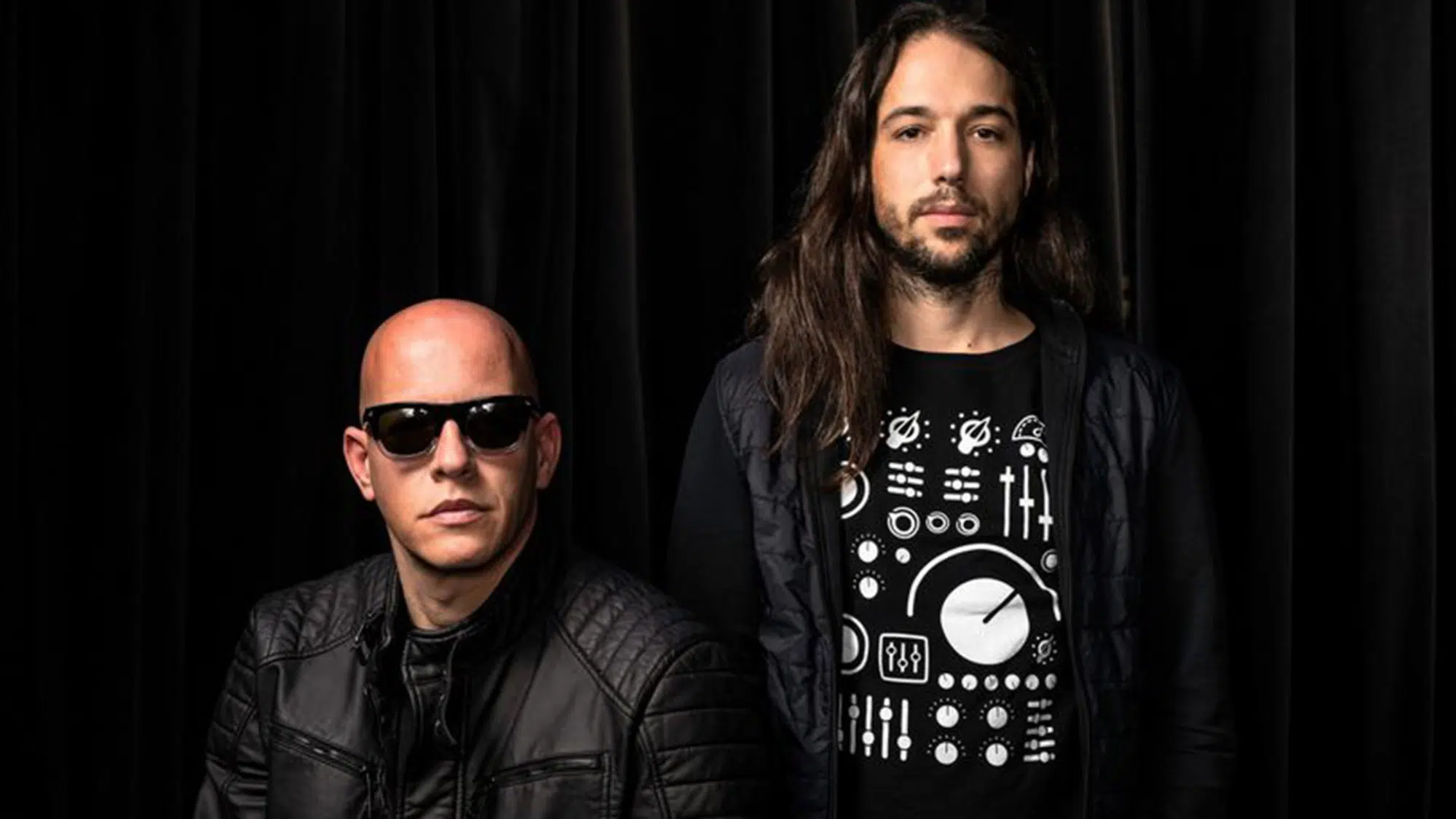
Psychedelic trance originated in Goa, India, in the late 1980s among international travelers seeking spiritual experiences and all-night beach parties, then evolved into various subgenres as it spread globally.
It features a fast tempo, typically 135-150 BPM, driving basslines that propel the music forward relentlessly, and layers of hypnotic, psychedelic sounds.
Psytrance emphasizes texture and atmosphere over melody, creating immersive soundscapes that complement outdoor settings, from Goa beaches to forest clearings to desert landscapes.
The culture around psytrance values spirituality, community, and altered consciousness, with festivals like Boom Festival in Portugal drawing tens of thousands.
Popular Songs:
- “Becoming Insane” – Infected Mushroom
- “Shpongle – Divine Moments Of Truth” – Astrix, Loud & L.S.D Remix
- “Vicious Delicious” – Infected Mushroom
15. Breakbeat
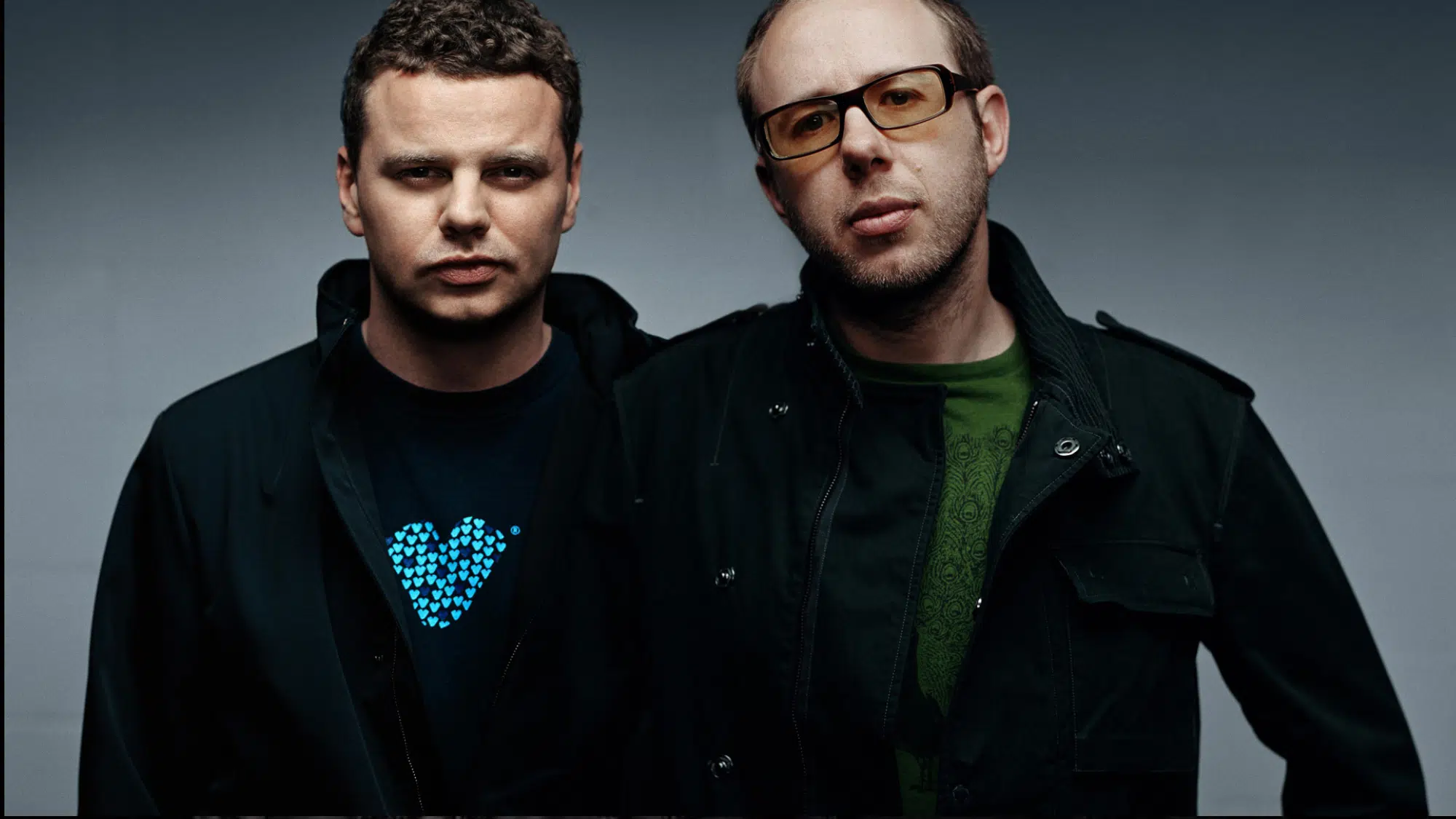
Breakbeat refers to music built around sampled drum breaks, the breakdown sections of funk and soul tracks where the drummer solos, most famously the “Amen break” from The Winstons’ “Amen, Brother.”
Emerging as a distinct genre in the 1990s, breakbeat encompasses various styles, such as big beat heavy, stadium-ready breaks, and breaks.
The genre is characterized by syncopated, non-four-on-the-floor drum patterns that swing and funk, heavy bass, and an energetic, raw vibe that feels more organic than machine-made house or techno.
Breakbeat became commercially successful in the late 90s through artists like The Chemical Brothers, The Prodigy, and Fatboy Slim, who combined breaks with rock attitude, pop hooks, and festival-ready production.
Popular Songs:
- “Block Rockin’ Beats” – The Chemical Brothers
- “Firestarter” – The Prodigy
- “Right Here, Right Now” – Fatboy Slim
Conclusion
Electronic music is far from static; these 15 genres represent just the major branches of a constantly evolving landscape where boundaries blur, and innovation thrives.
What started in underground clubs and bedroom studios has reshaped the entire musical world, with electronic production techniques now influencing everything from pop to hip-hop.
Producers freely blend elements across genres, creating hybrid sounds that defy easy categorization, while dedicated scenes around the world continue to push boundaries and experiment with new approaches.
Dig in freely, and remember that the best way to understand these genres is simply to listen to your journey through electronic music, which is limitless, and there’s always another track, another artist, another sound waiting to be found.