
The 1980s stand out as a turning point in modern music, marked by fearless creativity and rapidly evolving soundscapes.
During this period, 80s music artists explored new technologies, blended unexpected genres, and introduced styles that reshaped global listening habits.
Synthesizers became mainstream, guitar-driven groups pushed rock into new territory, and vocalists brought emotional depth to radio-friendly hits.
The decade also produced a wave of cultural moments: fashion trends, visual breakthroughs, and unforgettable performances that continue to spark fascination today.
If someone is learning about these artists for the first time or returning to long-loved classics, the 80s still offer endless inspiration.
How 80s Music Artists Shaped Modern Music
The lasting impact of 80s bands and 80s singers can be heard across nearly every corner of today’s musical landscape.
Their willingness to experiment created production styles that guide current pop, electronic, and alternative tracks.
Many rock groups from the decade refined riffs, rhythms, and arrangements that continue to influence modern guitar music.
Singers introduced dynamic vocal approaches that shaped the blueprint for today’s chart-toppers.
Meanwhile, early innovators in hip-hop laid structural foundations for rhythm, sampling, and lyrical delivery still used by contemporary artists.
This combination of bold ideas and genre-pushing creativity helped define how modern music is written, produced, and performed.
80s Pop Superstars
The decade’s biggest global icons who shaped mainstream pop with unforgettable hits, groundbreaking visuals, chart-topping albums, and massive cultural influence across MTV and radio.
1. Michael Jackson
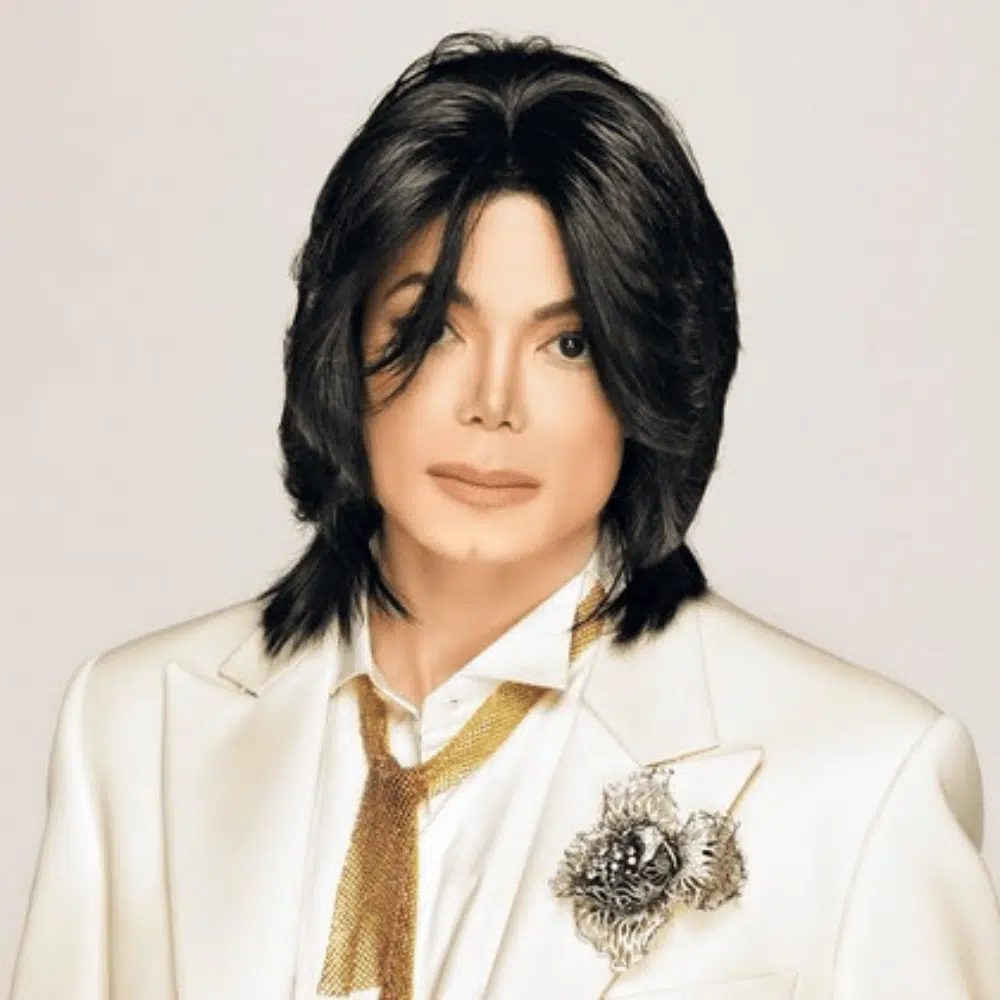
The King of Pop revolutionized music with “Thriller,” the best-selling album of all time, with 66 million copies.
His moonwalk, innovative videos, and signature glove made him a global icon whose groundbreaking choreography and vocal style influenced generations of performers worldwide.
2. Madonna
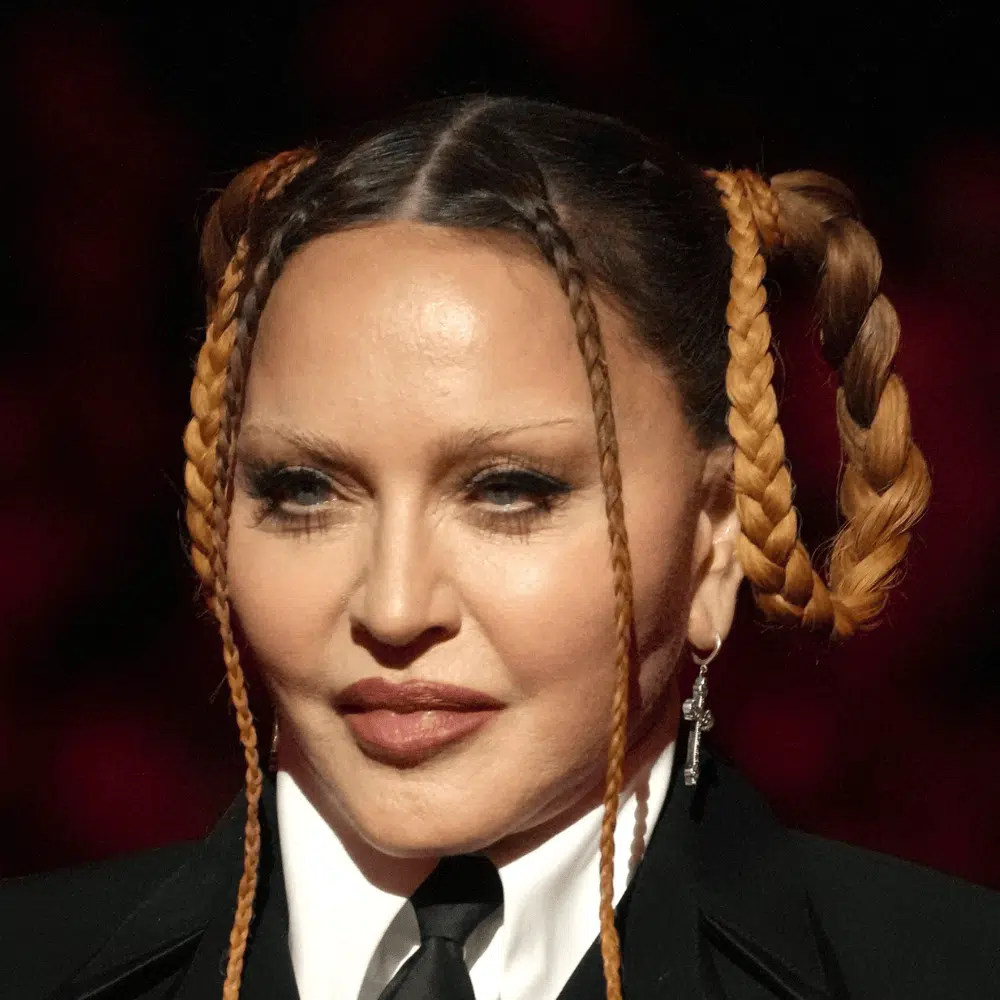
Madonna redefined female pop stardom by controlling every aspect of her career while constantly reinventing her image through provocative videos.
“Like a Virgin” and “Material Girl” sparked cultural conversations about sexuality and feminism, establishing her blueprint for modern divas.
3. Prince
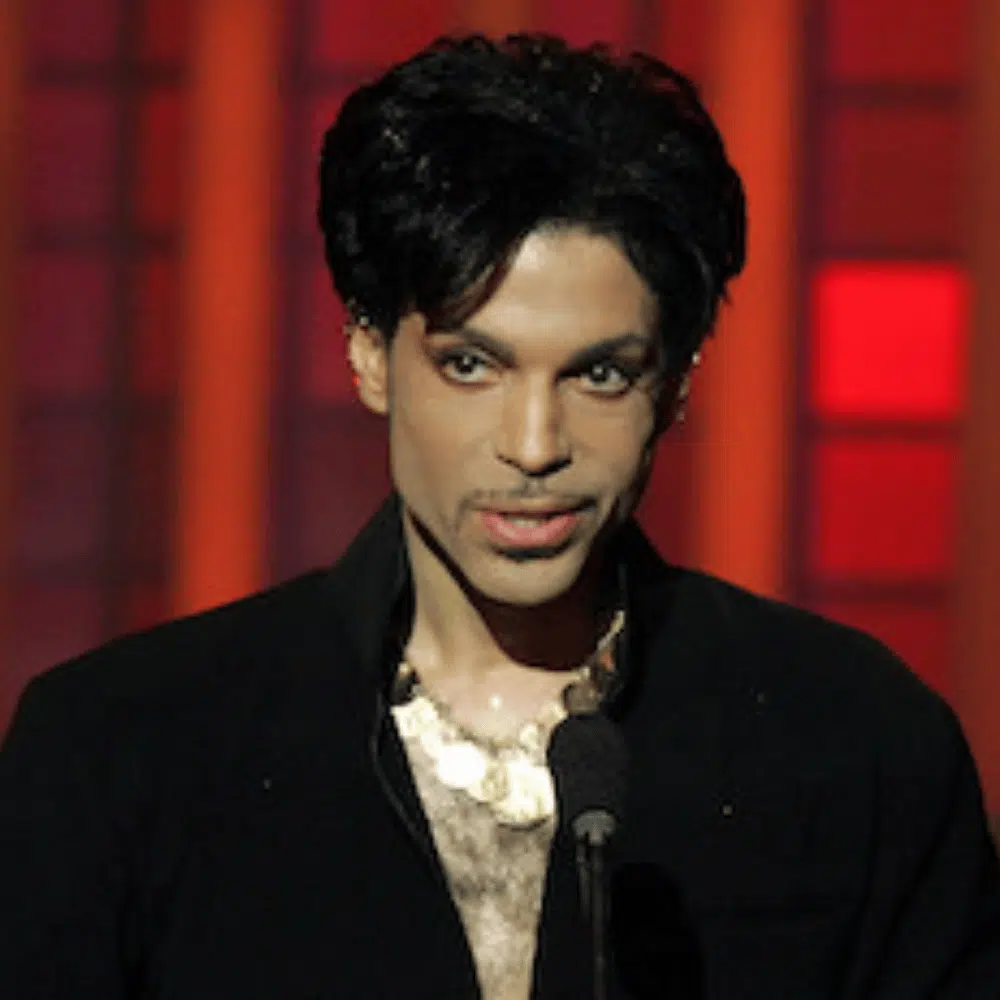
Prince combined funk, rock, pop, and R&B into genre-defying brilliance while playing every instrument himself.
“Purple Rain” cemented his visionary status as he challenged gender norms through flamboyant performances and unmatched guitar virtuosity that electrified audiences globally.
4. Whitney Houston
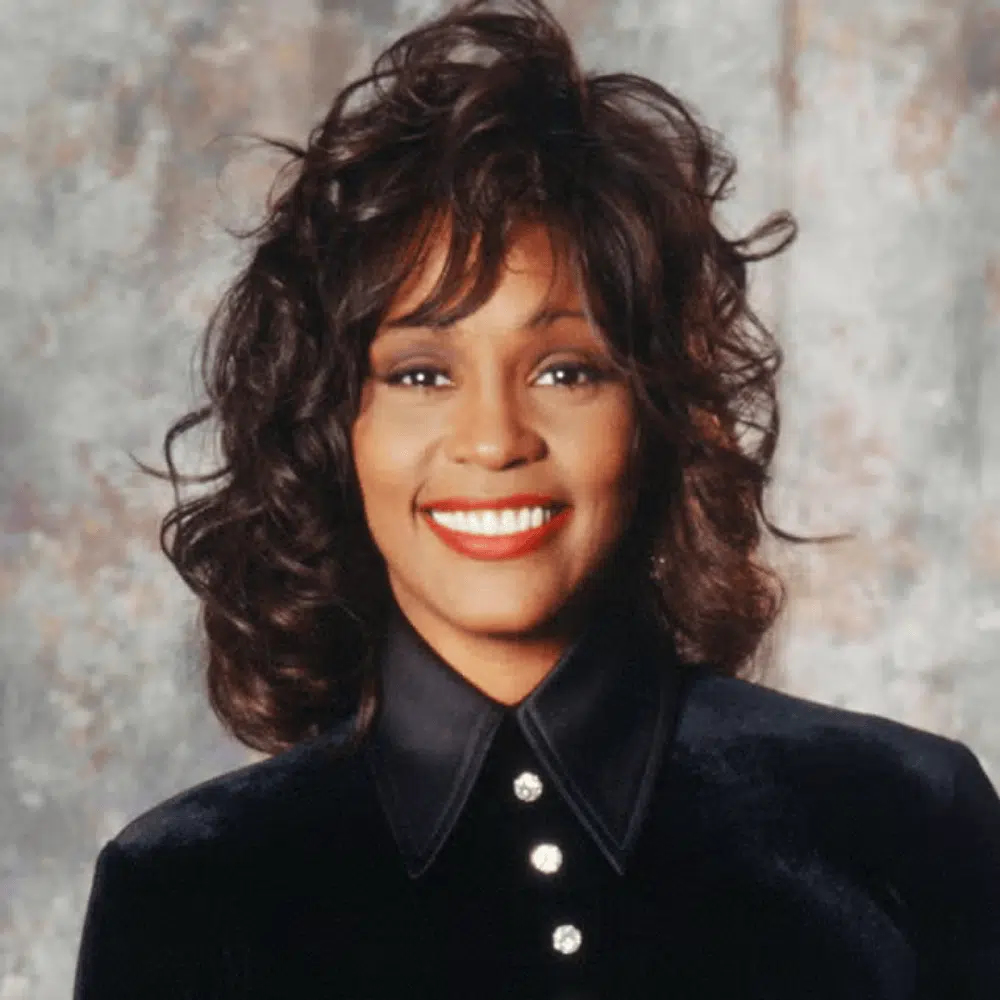
Whitney Houston possessed one of the most powerful, technically flawless voices ever recorded, achieving seven consecutive number-one hits.
Her stunning vocal range across pop, R&B, and gospel set new standards for singers, making her the most awarded female artist in history.
5. George Michael
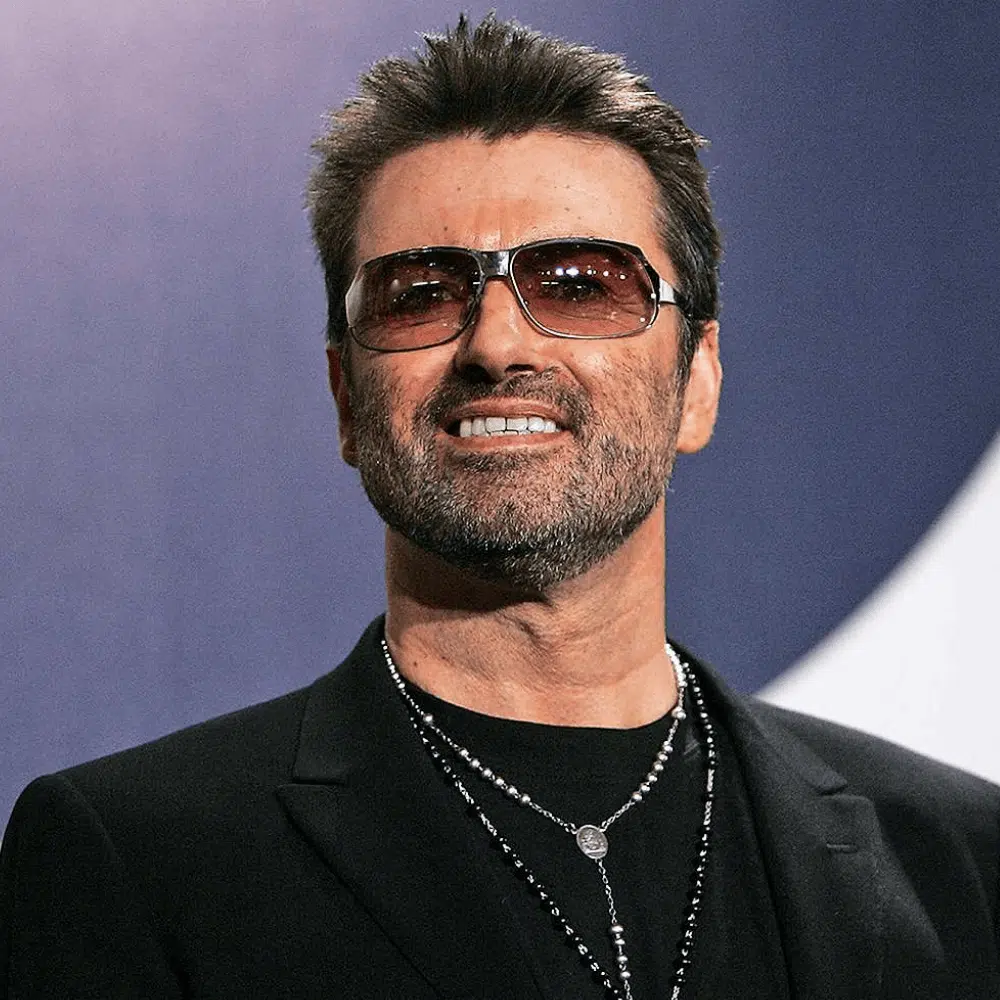
George Michael transitioned from Wham! heartthrob to sophisticated solo artist with “Faith,” selling over 25 million copies worldwide.
His smooth vocals and mature songwriting on “Careless Whisper” blended pop sensibility with emotional depth, establishing him as a multi-genre talent.
6. Janet Jackson
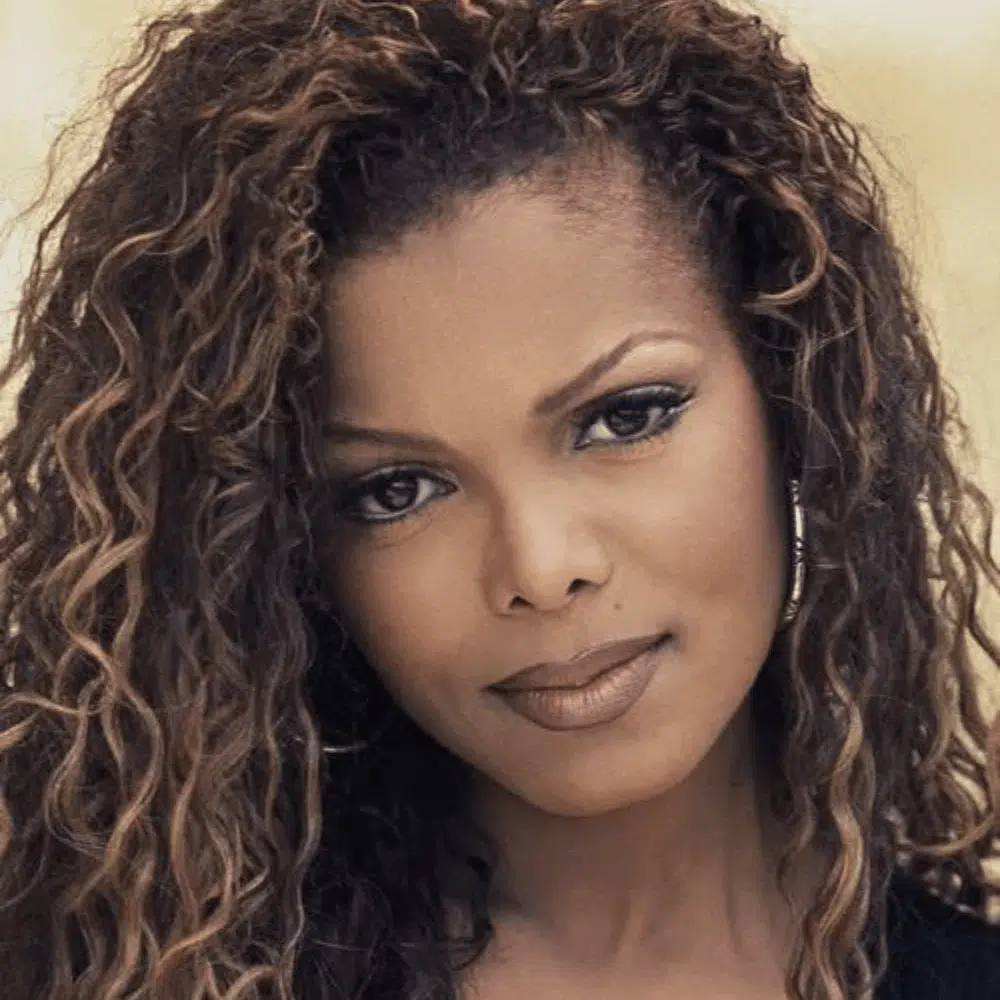
Janet Jackson emerged from her family’s shadow to fuse pop, R&B, and funk with socially conscious lyrics.
“Control” announced her independence while “Rhythm Nation 1814” addressed social issues through innovative videos and choreography that influenced countless artists.
7. Cyndi Lauper
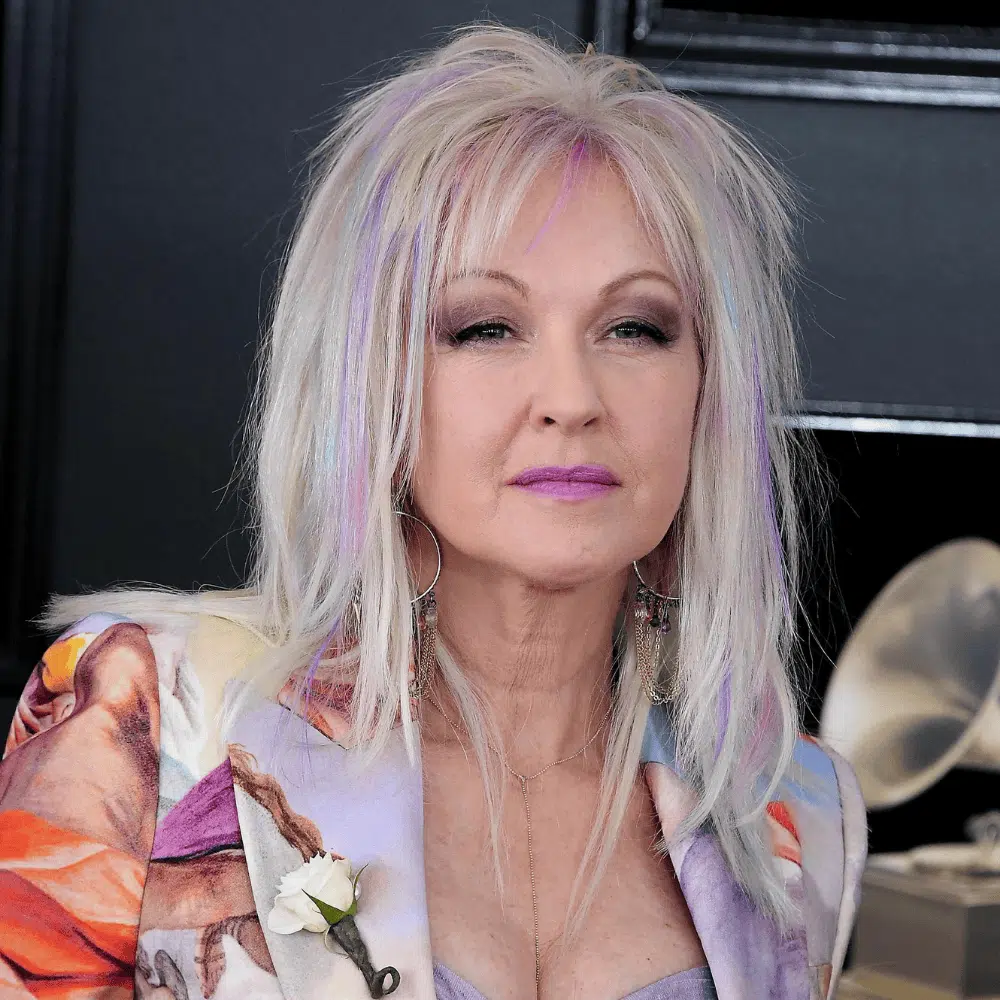
Cyndi Lauper’s quirky style and powerful voice made “Girls Just Want to Have Fun” a female empowerment anthem.
Her debut album, “She’s So Unusual,” became the first female album with four top-five hits, celebrating individuality through colorful fashion and theatrical performances.
8. Lionel Richie
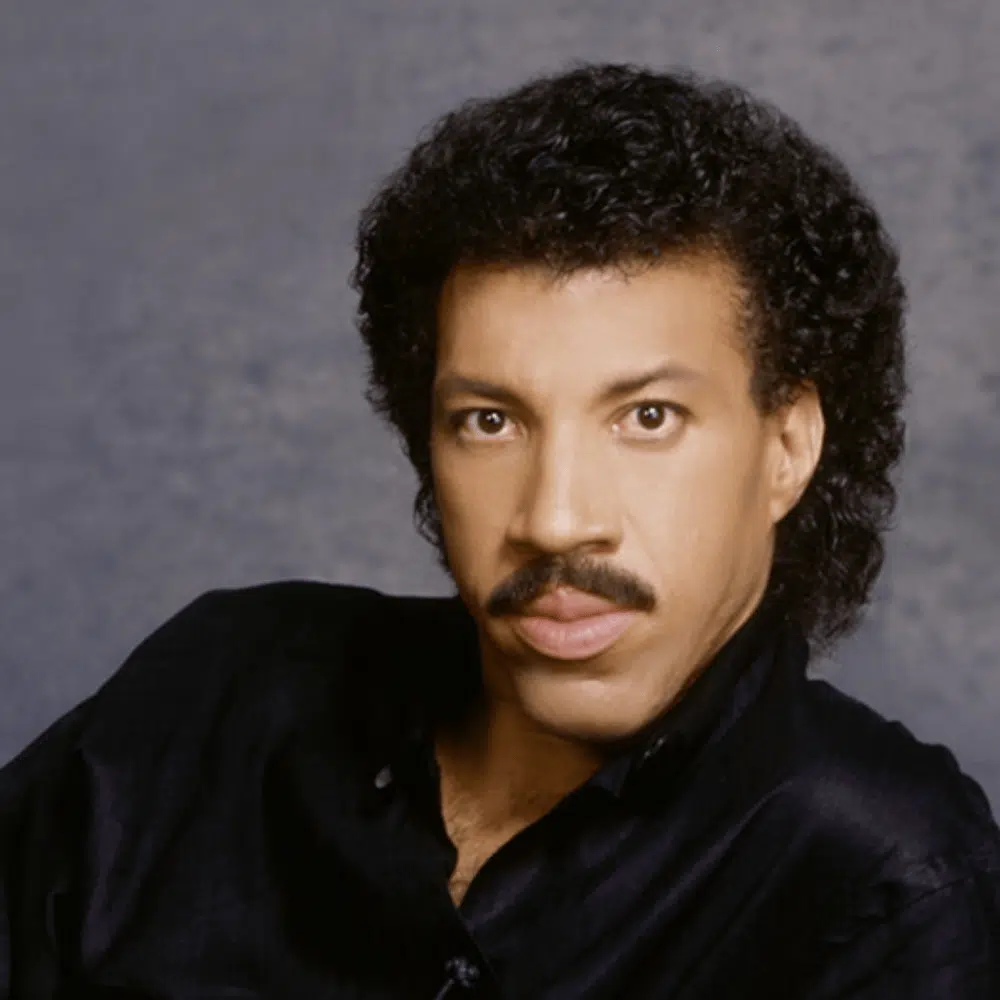
Lionel Richie dominated with smooth ballads and upbeat tracks, showcasing his songwriting brilliance and velvety voice.
After leaving the Commodores, hits like “Hello” and “All Night Long” earned him an Oscar and four Grammys as a consistent hitmaker.
9. Phil Collins
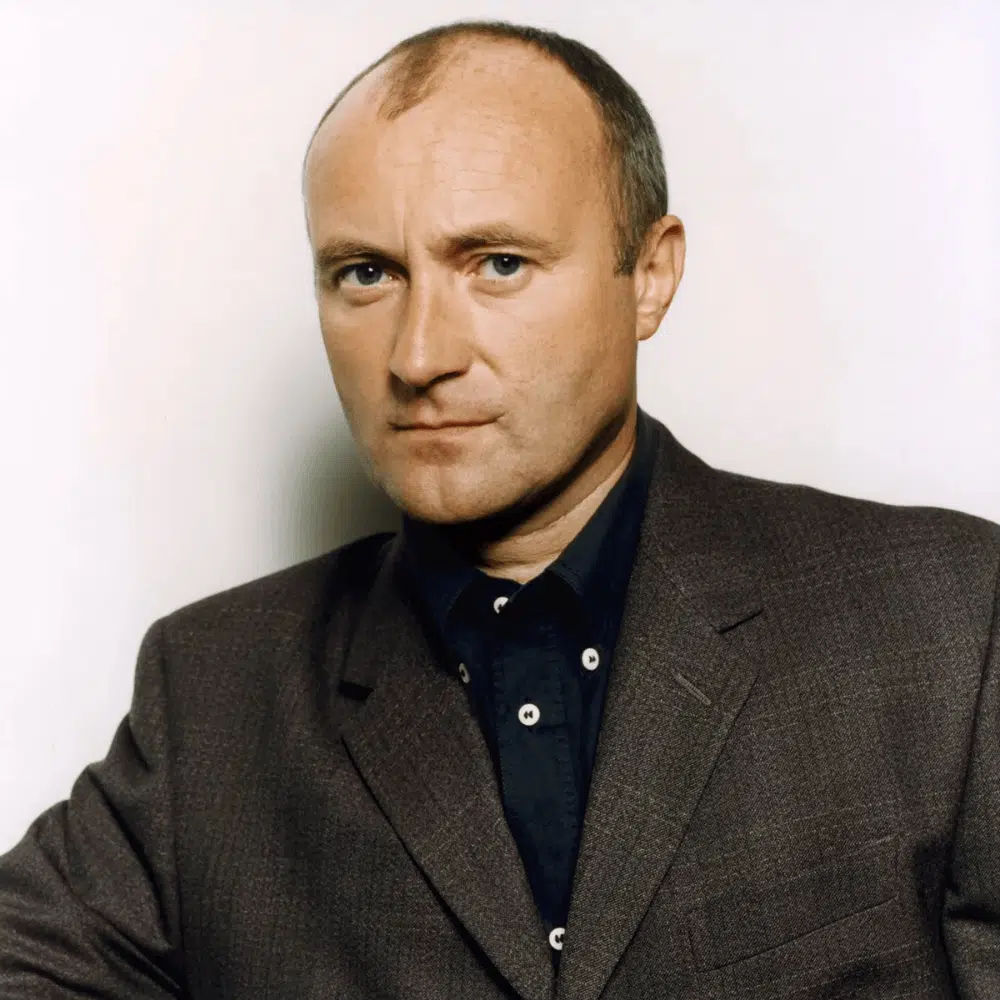
Phil Collins achieved rare dual success as a Genesis drummer and a solo superstar, thanks to his distinctive voice and emotional ballads.
“Face Value” and “No Jacket Required” spawned hits like “In the Air Tonight,” blending pop accessibility with progressive rock sophistication.
10. Billy Joel
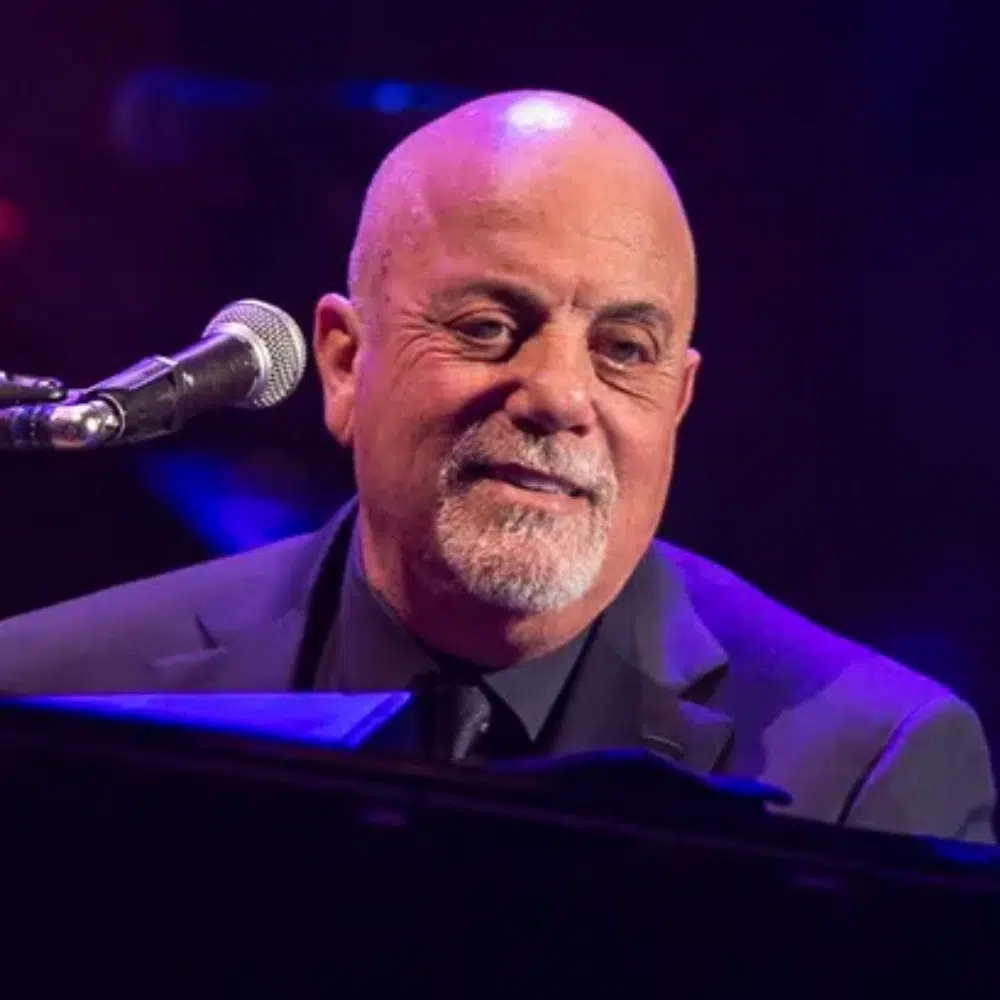
Billy Joel’s piano-driven pop-rock delivered memorable storytelling through narrative-rich songs like “We Didn’t Start the Fire.”
His versatility across styles from doo-wop to rock, combined with working-class authenticity, earned him six Grammys and global devotion.
Rock & Arena-Rock Giants
High-energy stadium-filling bands delivering powerful anthems, soaring vocals, and guitar-driven rock that dominated charts, tours, and 80s mainstream music culture worldwide.
11. Bruce Springsteen
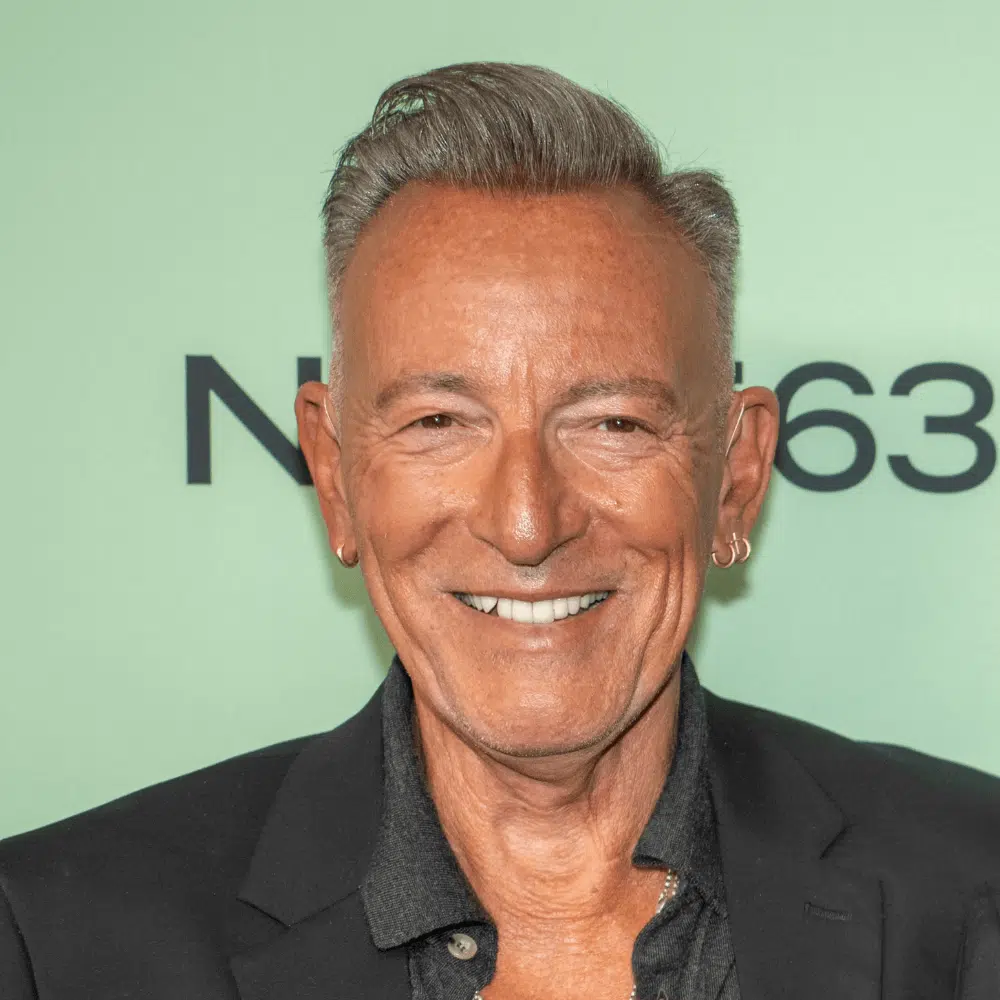
Bruce Springsteen captured working-class American dreams through heartland rock that resonated across generations. “Born in the U.S.A.”
He became a cultural phenomenon with seven top-ten hits, patriotism, and disillusionment, while his marathon performances established him as “The Boss.”
12. U2
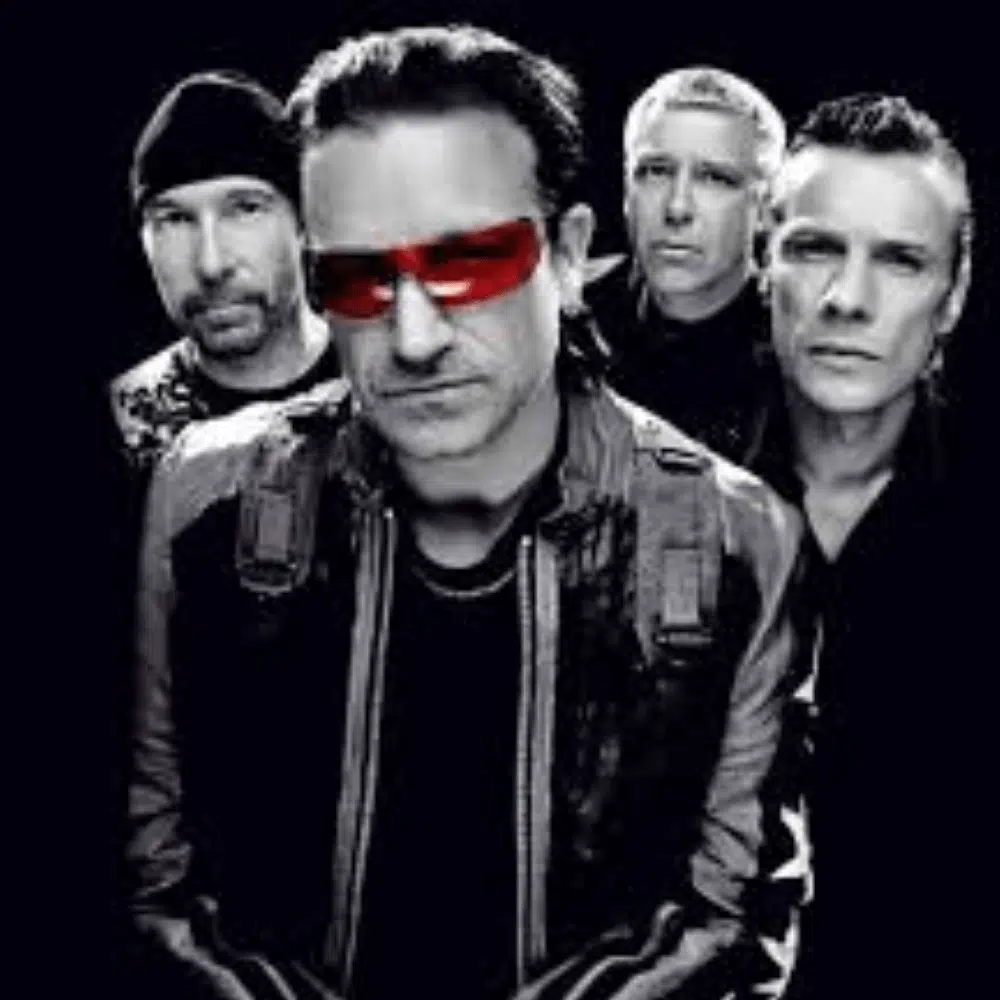
U2 evolved from post-punk upstarts to stadium legends through “The Joshua Tree,” finding American mythology and spiritual longing.
Bono’s soaring vocals with The Edge’s distinctive guitar created anthems like “With or Without You,” making them rock’s most influential band.
13. Queen
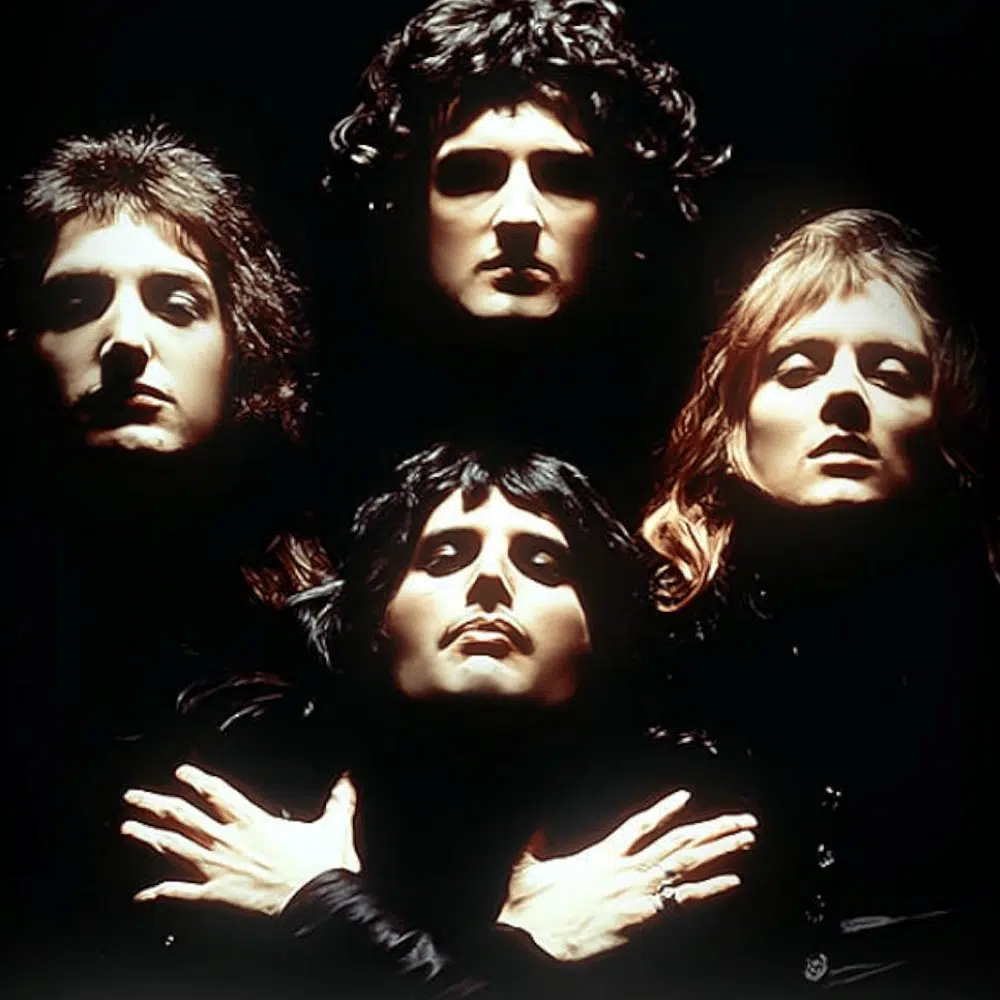
Queen continued their dominance with theatrical rock spectacles and Freddie Mercury’s unparalleled vocals.
Their legendary 1985 Live Aid performance reminded the world of their commanding presence with classics like “Bohemian Rhapsody,” solidifying their rock royalty status before Mercury’s tragic passing.
14. Bon Jovi
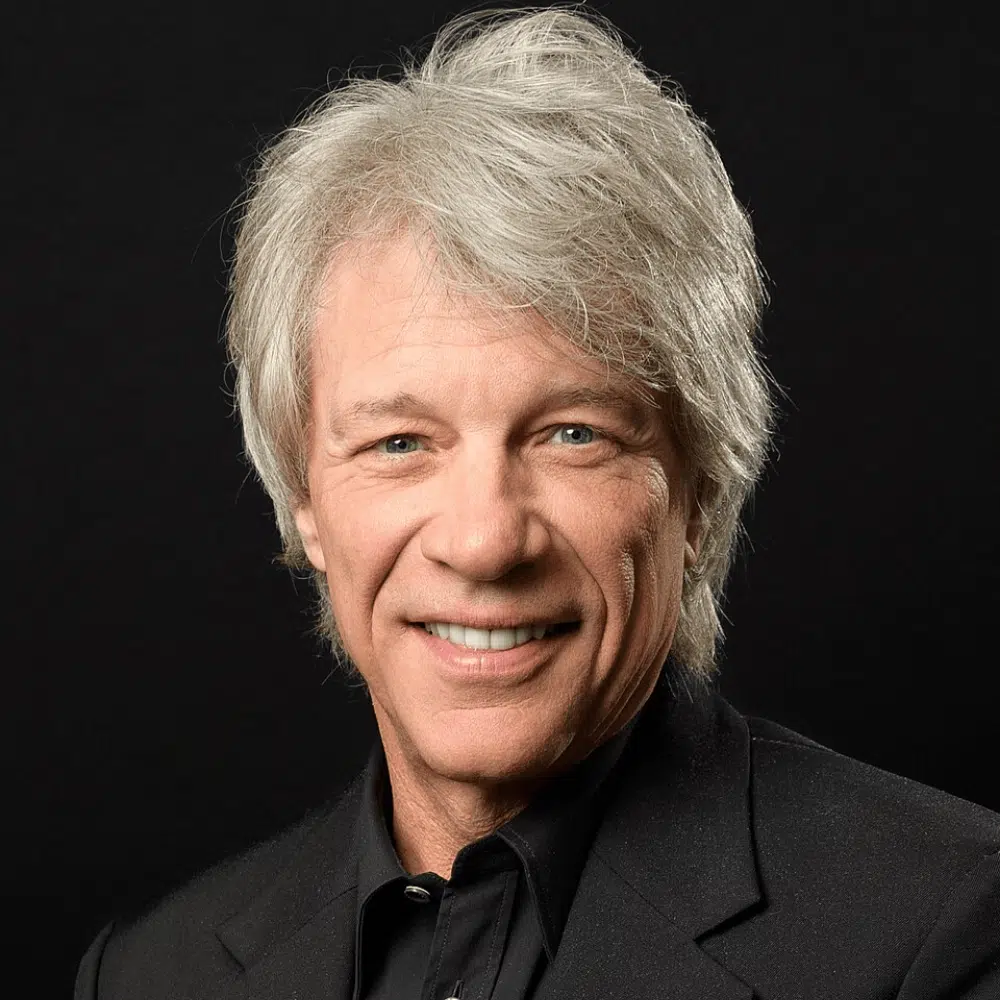
Bon Jovi perfected arena rock with anthemic hooks and working-class themes, connecting with millions worldwide.
“Slippery When Wet” produced megahits “Livin’ on a Prayer” and “You Give Love a Bad Name,” establishing them as titans bridging hard rock and pop.
15. Def Leppard
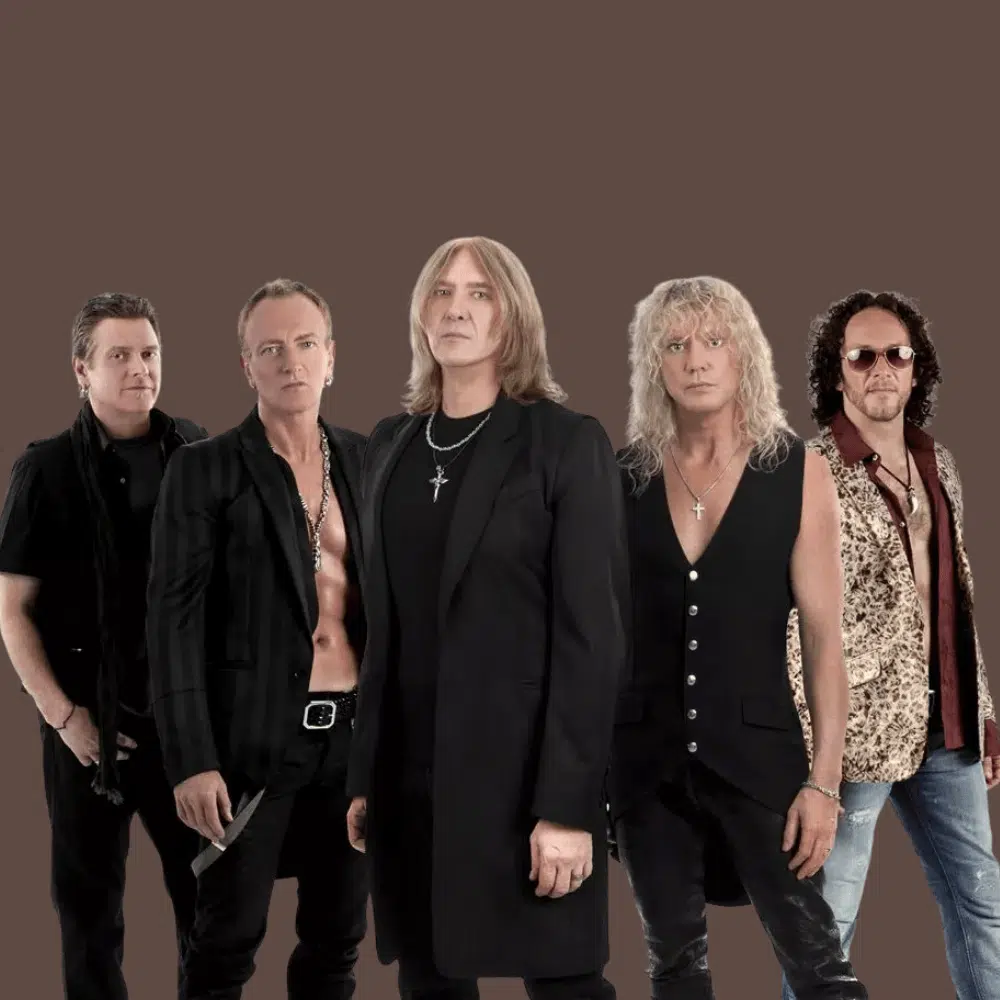
Def Leppard’s meticulously produced “Hysteria” blended hard rock power with pop sensibility, selling over 25 million copies globally.
Hits like “Pour Some Sugar on Me” featured layered vocals defining 80s rock, while drummer Rick Allen’s triumphant return demonstrated incredible resilience.
16. Journey
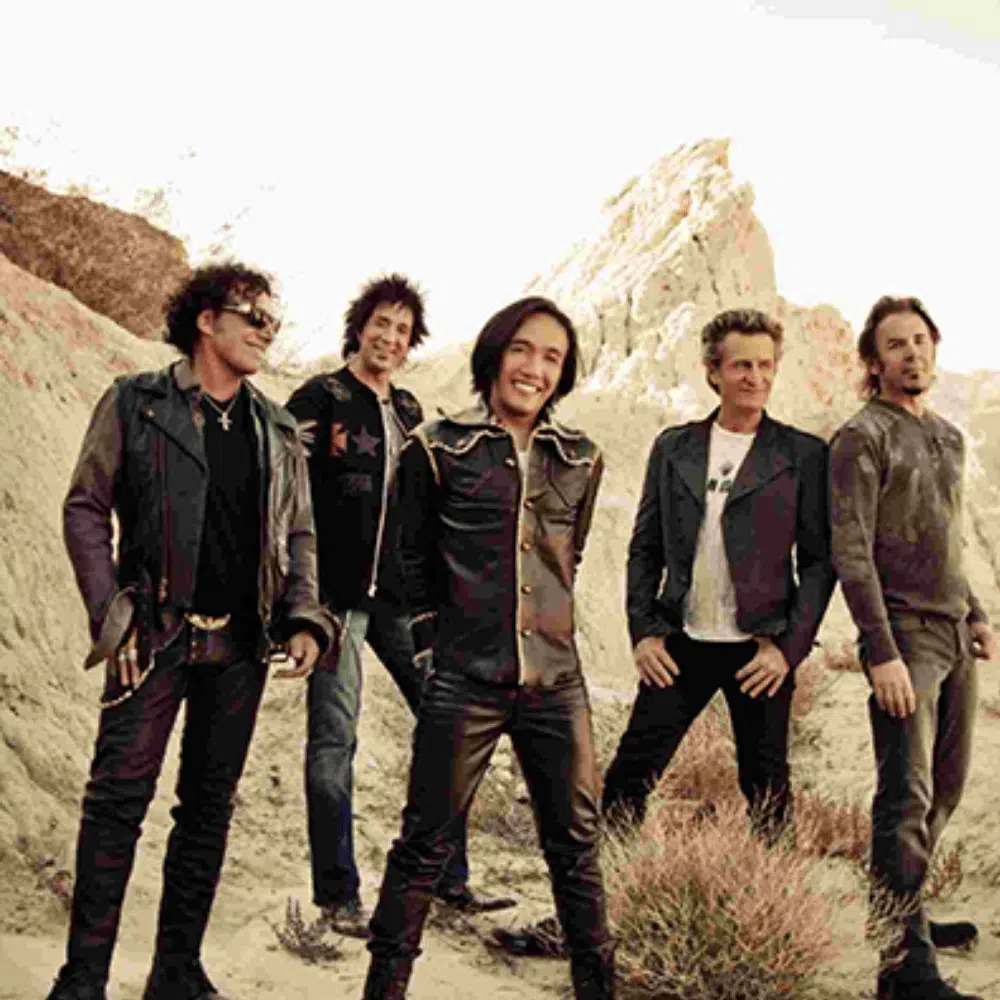
Journey dominated radio with Steve Perry’s soaring vocals crafting perfect power ballads like “Don’t Stop Believin'” and “Open Arms.”
Their album “Escape” topped charts with melodic rock featuring progressive flourishes, creating anthems for perseverance and romance that endure today.
17. Foreigner
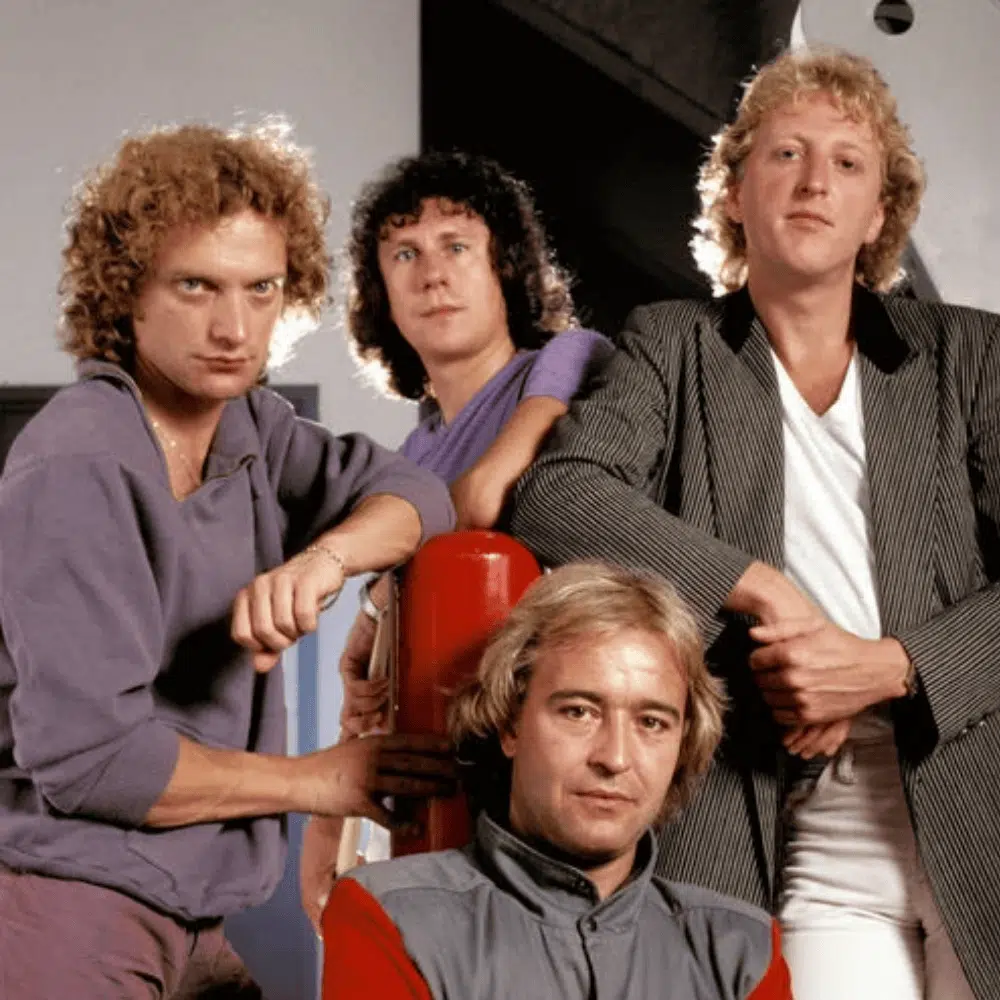
Foreigner mastered arena rock anthems and tender ballads with Lou Gramm’s powerful vocals, producing consistent hits throughout the decade.
“I Want to Know What Love Is” and “Waiting for a Girl Like You” showcased versatility across rock and pop territories.
18. Dire Straits
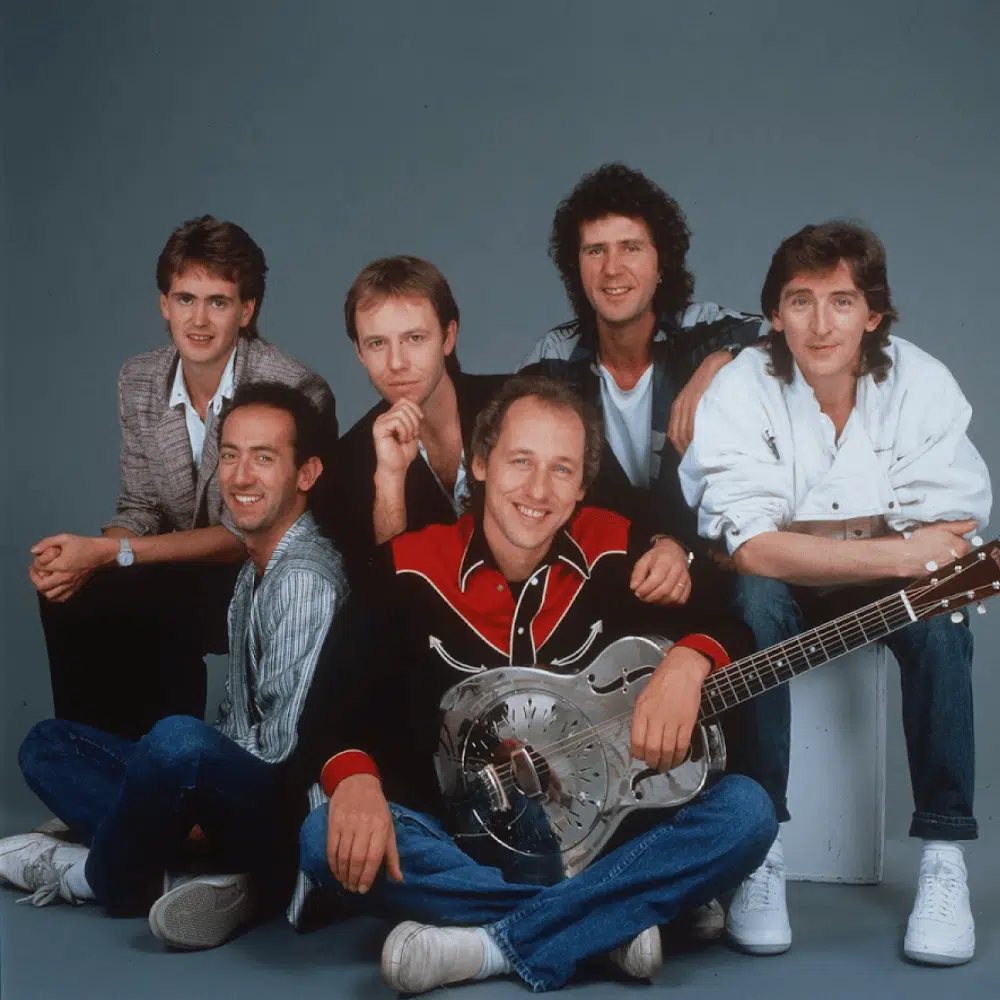
Dire Straits achieved global success with Mark Knopfler’s distinctive fingerpicking guitar and literate songwriting, setting them apart.
“Brothers in Arms” became a pioneering CD release, selling over 30 million copies and featuring hits like “Money for Nothing,” offering sophisticated alternatives.
19. Bryan Adams

Bryan Adams delivered heartland rock with a Canadian perspective through stadium anthems and power ballads that dominated the mid-to-late 80s charts.
“Reckless” spawned six hit singles, including “Summer of ’69,” showcasing his raspy vocals and gift for memorable hooks.
20. John Mellencamp
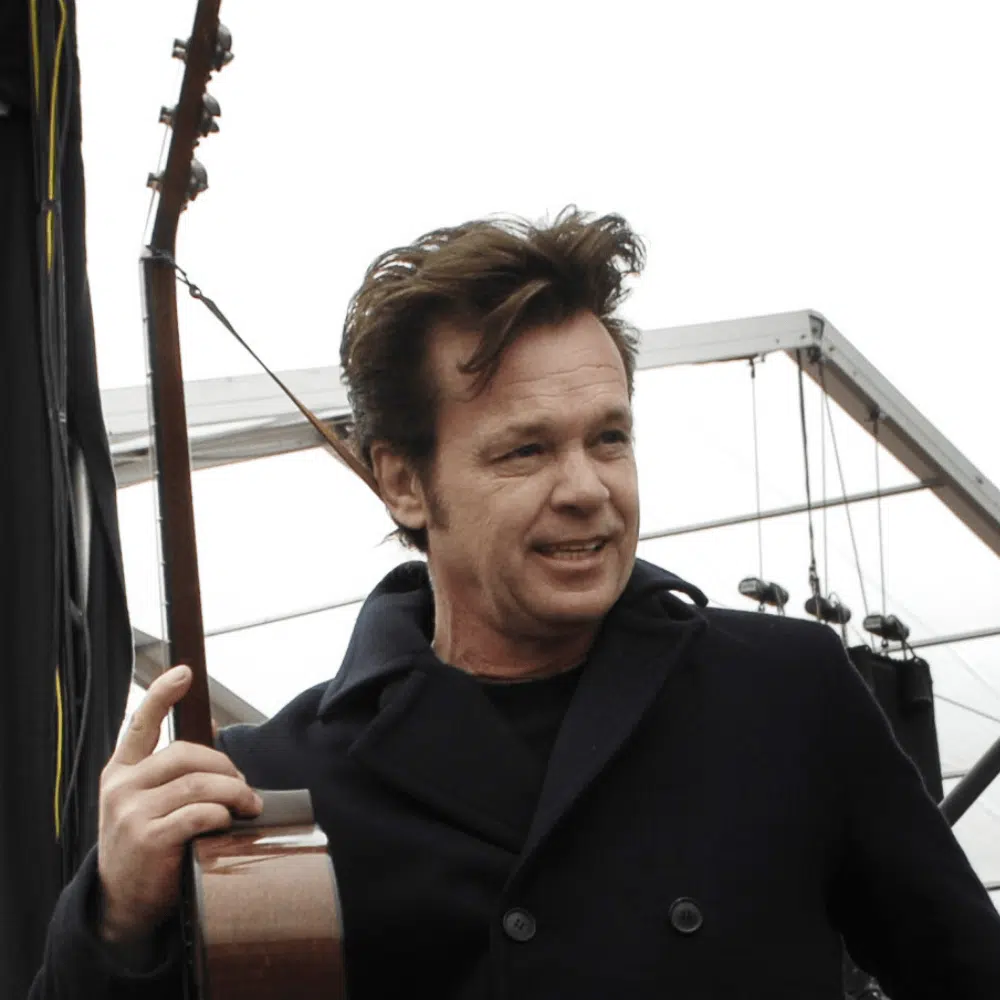
John Mellencamp championed small-town America through roots rock, blending folk authenticity with radio-ready production.
“Scarecrow” and “The Lonesome Jubilee” produced hits like “Small Town” while addressing farm crisis issues, resonating with audiences seeking substance beyond typical gloss.
New Wave & Synth-Pop Favorites

Innovative artists blending electronic synths, stylish aesthetics, and catchy melodies, defining the MTV era and upgrading modern pop with futuristic sound and visual creativity.
21. Duran Duran
Duran Duran became MTV darlings through stylish videos and synth-driven pop, combining fashion-forward imagery with infectious melodies.
“Rio” and “Seven and the Ragged Tiger” produced hits like “Hungry Like the Wolf,” establishing them as new romantic pioneers, appealing to fans and critics alike.
22. Depeche Mode
Depeche Mode evolved from synth-pop upstarts to dark electronic pioneers whose influence on industrial and alternative music proved immeasurable.
“Violator” and “Music for the Masses” featured Dave Gahan’s baritone over atmospheric synthesizers, finding desire, faith, and darkness with emotional resonance.
23. The Police
The Police blended reggae rhythms, punk energy, and pop hooks through Sting’s sophisticated songwriting and tight musical interplay.
“Synchronicity” produced massive hits, including “Every Breath You Take,” showcasing genre-defying musicianship before disbanding at the height of their commercial success, earning legendary status.
24. Eurythmics
Eurythmics combined Annie Lennox’s powerful androgynous presence with Dave Stewart’s production expertise, creating sophisticated synth-pop with substance.
“Sweet Dreams (Are Made of This)” established their signature sound of dark electronic textures and soulful vocals with striking visual presentations.
25. Tears for Fears
Tears for Fears merged synth-pop accessibility with psychological depth, finding therapy and emotional growth through “Songs from the Big Chair.”
Hits “Everybody Wants to Rule the World” and “Shout” combined lush production with introspective lyrics, distinguishing them from lighter new wave contemporaries.
26. New Order
New Order rose from Joy Division’s ashes to pioneer post-punk fused with dance music innovation.
Their groundbreaking “Blue Monday” became the best-selling 12-inch single of all time, influencing both alternative rock and electronic dance music by balancing detached vocals with irresistible beats.
27. The Cure
The Cure balanced gothic darkness with pop accessibility through Robert Smith’s distinctive voice and atmospheric guitar-and-synth soundscapes.
“Disintegration” and “Kiss Me, Kiss Me, Kiss Me” produced hits ranging from brooding epics to upbeat singles, pioneering alternative rock, and achieving mainstream crossover success.
28. Pet Shop Boys
Pet Shop Boys brought intellectual sophistication to synth-pop through Neil Tennant’s understated vocals and witty observations about modern life and sexuality.
Hits like “West End Girls” and “It’s a Sin” combined minimal beats with lush production, making electronic pop danceable and thought-provoking.
29. A-ha
A-ha achieved global fame with “Take On Me,” whose groundbreaking rotoscope animation video became MTV’s most iconic moment.
The Norwegian trio’s synth-pop combined Morten Harket’s impressive vocal range with polished production and melancholic melodies, demonstrating depth beyond novelty success.
30. The Human League
The Human League defined British synth-pop with “Dare,” producing the massive hit “Don’t You Want Me” and pioneering the commercial potential of electronic music.
Their synthesizers and drum machines, alongside Phil Oakey’s distinctive baritone, created accessible yet futuristic sounds that dominated mainstream charts.
Hard Rock & Hair Metal Bands
Loud, electrifying groups mixing heavy guitar riffs, glam fashion, and big choruses, dominating 80s rock culture with huge hits and iconic stage performances.
31. Van Halen
Van Halen revolutionized rock guitar through Eddie Van Halen’s innovative tapping technique and explosive energy with both David Lee Roth and Sammy Hagar.
“1984” produced hits “Jump” and “Panama,” blending technical virtuosity with party rock, while Eddie’s groundbreaking work influenced generations of players.
32. Guns N’ Roses
Guns N’ Roses injected dangerous authenticity into late-80s rock with raw sound and Axl Rose’s volatile charisma on “Appetite for Destruction.”
The best-selling debut ever featured classics like “Sweet Child o’ Mine” and “Welcome to the Jungle,” offering gritty alternatives to polished excess.
33. AC/DC
AC/DC maintained straightforward hard rock throughout the 80s, proving simplicity and raw power could dominate an increasingly synthesized decade.
“Back in Black” became a historic best-seller, featuring Brian Johnson’s raspy vocals, and their blues-based commitment and electrifying performances created timeless icons.
34. Aerosmith
Aerosmith staged rock’s greatest comeback with “Permanent Vacation” and “Pump” after overcoming addiction struggles.
Collaborating with Run-D.M.C. on “Walk This Way” introduced new audiences while hits like “Love in an Elevator” proved their songwriting remained sharp, cementing their legendary status.
35. Mötley Crüe
Mötley Crüe epitomized hair-metal excess through hedonistic lifestyles, theatrical performances, and albums such as “Shout at the Devil” and “Dr. Feelgood.”
Their combination of heavy riffs, catchy choruses, and bad-boy image made them MTV favorites and controversial arena headliners.
36. Poison
Poison perfected pop-metal with infectious hooks, glam aesthetics, and power ballads like “Every Rose Has Its Thorn” dominating radio.
“Open Up and Say… Ahh!” achieved multi-platinum success through singalong anthems and Bret Michaels’ charismatic presence, becoming one of hair metal’s most successful acts.
37. Iron Maiden
Iron Maiden elevated heavy metal through complex song structures, literary themes, and Bruce Dickinson’s operatic vocals, as on “The Number of the Beast.”
Their elaborate stage shows featuring mascot Eddie distinguished them from simpler acts, and they pioneered power and progressive metal.
38. Judas Priest
Judas Priest defined heavy metal’s sound and aesthetic through twin-guitar harmonies, Rob Halford’s powerful vocals, and their pioneering leather-and-studs image.
“British Steel” and “Screaming for Vengeance” produced metal anthems while Halford’s four-octave range established them as genre legends.
39. Scorpions
Scorpions achieved global success with power ballads like “Wind of Change” and hard rockers showcasing German precision and Klaus Meine’s distinctive vocals.
“Love at First Sting” produced hits “Rock You Like a Hurricane” and “Still Loving You,” demonstrating the band’s versatility and making them Europe’s successful exports.
40. Whitesnake
Whitesnake combined a blues-rock foundation with 80s production gloss, achieving massive success with their self-titled 1987 album, featuring hits like “Here I Go Again.”
David Coverdale’s powerful vocals appealed to hard rock purists and mainstream audiences, with MTV-staple videos balancing accessibility with muscle.
R&B, Soul & Funk Icons

Smooth, powerful vocalists and bands delivering emotional ballads and groove-driven hits, shaping 80s R&B with soulful performances, timeless classics, and genre-defining style.
41. Luther Vandross
Luther Vandross possessed one of the smoothest, most technically accomplished voices in R&B history, delivering romantic ballads with unmatched elegance and control.
His albums consistently topped R&B charts while crossing over to pop success with hits like “Never Too Much,” influencing generations of singers.
42. Sade
Sade created sophisticated blends of soul, jazz, and pop through Sade Adu’s smoky vocals and the band’s understated, elegant arrangements.
Their debut “Diamond Life” produced the timeless hit “Smooth Operator,” establishing refined, atmospheric sophistication, offering refreshing alternatives to flashier 80s production.
43. Anita Baker
Anita Baker’s rich, mature contralto voice and jazz-influenced arrangements on albums like “Rapture” redefined the standards of adult contemporary R&B.
Her appropriate approach to ballads like “Sweet Love” appealed to audiences seeking substance, and her eight Grammys proved that artistry and accessibility coexist beautifully.
44. Chaka Khan
Chaka Khan transitioned from funk pioneer to R&B queen, with powerful vocals that effortlessly spanned dance, jazz, and ballads.
Her hit “I Feel for You” featured scratching and rap elements, demonstrating her willingness to embrace hip-hop innovations while maintaining her distinctive voice.
45. Earth, Wind & Fire
Earth, Wind & Fire continued their 70s dominance by blending funk, soul, disco, and jazz into sophisticated productions that remained commercially viable.
Maurice White’s visionary leadership and tight musicianship produced hits like “Let’s Groove,” maintaining their unique position with horn-driven arrangements and spiritual themes.
46. Kool & The Gang
Kool & The Gang achieved massive crossover success with upbeat funk-pop anthems like “Celebration,” becoming ubiquitous at weddings and sporting events.
James “J.T.” Taylor’s smooth vocals helped transition from instrumental funk to radio-friendly R&B without losing musical foundation, creating consistent hits.
47. The Gap Band
The Gap Band dominated funk and R&B charts through Charlie Wilson’s distinctive vocals and synthesizer-heavy production on hits like “You Dropped a Bomb on Me.”
Their ability to blend traditional funk grooves with electronic elements kept them relevant and significantly influenced West Coast hip-hop.
48. New Edition
New Edition launched the modern boy band concept, featuring synchronized dancing, harmonized vocals, and youth-oriented R&B that appealed to teenage audiences.
Their transition to mature new jack swing on “Heart Break” showcased artistic growth, launching successful solo careers and leading to the formation of Bell Biv DeVoe.
49. The Pointer Sisters
The Pointer Sisters achieved their greatest commercial success in the 80s by embracing synthesizers and rock influences on albums like “Break Out.”
Hits like “Jump (For My Love)” and “I’m So Excited” showcased versatility across genres while maintaining soulful vocal harmonies throughout the decade.
50. Gloria Estefan & Miami Sound Machine
Gloria Estefan and Miami Sound Machine brought Latin influences into mainstream pop through infectious rhythms and Estefan’s warm vocals on hits like “Conga” and “Rhythm Is Gonna Get You.”
Their fusion of Cuban percussion with pop sensibility paved the way for crossover success and mainstream acceptance.
Adult Contemporary & Soft Rock Favorites
Melodic, radio-friendly artists known for polished production, heartfelt lyrics, and smooth sounds that became staples of 80s playlists, movie soundtracks, and easy-listening charts.
51. Hall & Oates
Hall & Oates became the best-selling duo in music history through blue-eyed soul and rock-influenced pop, producing six number-one hits.
Songs like “I Can’t Go for That (No Can Do)” and “Maneater” showcased Daryl Hall’s soulful vocals, creating distinctive sounds dominating early-80s radio.
52. Chicago
Chicago maintained commercial viability in the 80s by emphasizing power ballads and keyboard-driven pop over earlier jazz-rock foundations.
Hits like “Hard to Say I’m Sorry” and “You’re the Inspiration” showcased Peter Cetera’s tenor vocals, adapting to changing tastes while maintaining competence.
53. REO Speedwagon
REO Speedwagon achieved its greatest success with the album “Hi Infidelity,” featuring the power ballad “Keep On Loving You,” which became the best-selling rock album of 1981.
Their ability to craft emotional, radio-friendly rock with Kevin Cronin’s heartfelt vocals resonated with audiences seeking sincerity throughout the decade.
54. Heart
Heart successfully transitioned from 70s hard rock to 80s power ballads, thanks to Ann Wilson’s powerful vocals and radio-friendly production on hits like “Alone” and “These Dreams.”
The Wilson sisters proved female-fronted rock bands could dominate mainstream radio while maintaining credibility.
55. Genesis
Genesis evolved from progressive rock complexity to accessible pop through Phil Collins’ increasing songwriting dominance and radio-friendly production.
“Invisible Touch” produced multiple hit singles, including the title track and “Land of Confusion,” achieving the greatest commercial success by balancing musicianship with mainstream appeal.
56. Toto
Toto combined session-musician virtuosity with sophisticated pop-rock on albums like “Toto IV,” producing hits like “Africa” and “Rosanna” and showcasing technical excellence.
Their polished production and tight harmonies created signature sounds influencing adult contemporary radio, earning multiple Grammys and widespread respect.
57. Richard Marx
Richard Marx emerged as a late-80s hitmaker with his self-titled debut, which produced four top-five singles, including “Right Here Waiting.”
His polished production, heartfelt ballads, and boy-next-door image appealed to adult contemporary audiences, while his songwriting for other artists established broader influence.
58. Air Supply
Air Supply specialized in lush, romantic ballads through Russell Hitchcock’s soaring tenor and Graham Russell’s songwriting on hits like “All Out of Love” and “Making Love Out of Nothing at All.”
Their formula of sweeping melodies found devoted audiences seeking uncomplicated sentimentality.
59. Huey Lewis and the News
Huey Lewis and the News combined rock-and-roll energy with pop accessibility on the album “Sports,” producing four top-ten hits, including “The Power of Love.”
Their straightforward, unpretentious approach made them American favorites, with “Back to the Future” appearance cementing 80s cultural placement.
60. Billy Ocean
Billy Ocean achieved international success with R&B-influenced pop hits like “Caribbean Queen” and “Get Outta My Dreams, Get into My Car,” featuring polished production and danceable rhythms.
His smooth vocals and feel-good songs blending soul authenticity with mainstream appeal made him Britain’s successful export.
Alternative, College Rock & Post-Punk

Groundbreaking artists developing fresh underground sounds, blending introspective lyrics, experimental production, and unique styles that influenced future indie, rock, and alternative movements.
61. R.E.M.
R.E.M. pioneered American alternative rock through Michael Stipe’s enigmatic lyrics, Peter Buck’s jangly guitar work, and their commitment to an independent ethos.
Albums like “Murmur” and “Document” built devoted college-radio followings before “The One I Love” broke into the mainstream, demonstrating that artistic integrity can coexist with commercial success.
62. The Smiths
The Smiths became cult heroes through Morrissey’s literate, melancholic lyrics and Johnny Marr’s distinctive guitar work on albums like “The Queen Is Dead.”
Their British wit, refusal to make videos, and Morrissey’s controversial statements created mythology, and their influence on British alternative rock remains unmatched.
63. Talking Heads
Talking Heads blended post-punk, funk, world music, and art rock through David Byrne’s eccentric persona and the band’s experimental approach.
“Remain in Light” and the concert film “Stop Making Sense” showcased an innovative fusion of intellectual art rock with danceable rhythms, embracing African polyrhythms and electronics.
64. The B-52’s
The B-52’s brought campy fun to new wave through quirky aesthetic, surf rock influences, and Kate Pierson and Cindy Wilson’s distinctive harmonies.
The party anthem “Love Shack” became a massive late-80s hit, proving that underground sensibilities could achieve mainstream success with playful, refreshing approaches.
65. Echo & the Bunnymen
Echo & the Bunnymen created atmospheric post-punk through Ian McCulloch’s brooding vocals and the band’s layered guitar soundscapes on albums like “Ocean Rain.”
Their moody, sophisticated approach to alternative rock influenced countless British bands while maintaining devoted cult followings with sonic ambition.
66. Pixies
Pixies pioneered the loud-quiet-loud dynamic and surrealist lyrics, influencing grunge and alternative rock throughout the 90s on albums like “Doolittle.”
Black Francis’s screaming vocals contrasted with Kim Deal’s melodic bass, creating templates that countless bands followed, despite initially minimal commercial success.
67. Siouxsie and the Banshees
Siouxsie and the Banshees evolved from punk origins to sophisticated gothic rock through Siouxsie Sioux’s powerful vocals and the band’s dark, atmospheric arrangements.
Albums like “Juju” and “A Kiss in the Dreamhouse” showcased their ability to balance accessibility with experimentation, pioneering dark artistic rock.
68. Devo
Devo satirized American culture through quirky new wave sound, robotic performances, and trademark energy dome hats, making them visual and musical innovators.
Hit “Whip It” brought subversive art-rock to the mainstream, with albums exploring dehumanization and conformity that remain prescient about corporate culture and technology.
69. The Psychedelic Furs
The Psychedelic Furs combined post-punk edge with new wave accessibility through Richard Butler’s distinctive raspy vocals and the band’s atmospheric guitar work.
Their song “Pretty in Pink” inspired John Hughes’ film, introducing them to a wider audience while maintaining their alternative credibility through moody sophistication.
70. The Cult
The Cult evolved from gothic post-punk to hard rock throughout the 80s, bridging alternative sensibilities with arena rock ambitions.
Ian Astbury’s powerful vocals and Billy Duffy’s guitar work on albums like “Love” and “Electric” created unique blends of mysticism and raw power, influencing alternative metal.
Female Pop/Rock Icons of the 80s

Trailblazing women delivering powerful vocals, memorable hits, and genre-shifting performances, leading 80s pop and rock while inspiring generations of artists with bold creativity.
71. Tina Turner
Tina Turner staged music’s greatest comeback with “Private Dancer,” showcasing her powerful voice and electrifying stage presence after escaping an abusive marriage.
At 45, she achieved her greatest success with hits like “What’s Love Got to Do with It,” becoming a symbol of resilience and reinvention and inspiring millions.
72. Pat Benatar
Pat Benatar brought female power to rock and roll through her four-octave range and anthems like “Hit Me with Your Best Shot” and “Love Is a Battlefield.”
Her combination of rock credibility, technical vocal ability, and MTV-friendly image made her one of the decade’s most successful female rockers.
73. Stevie Nicks
Stevie Nicks maintained her mystical persona and commercial success through solo work alongside her commitments to Fleetwood Mac, producing hits like “Edge of Seventeen” and “Stand Back.”
Her distinctive voice, bohemian fashion, and poetic songwriting made her an icon of female rock artistry, balancing mainstream success.
74. Joan Jett
Joan Jett proved women could rock as hard as men through punk-influenced sound and unapologetic attitude on albums like “I Love Rock ‘n Roll.”
Record label rejection led her to form Blackhearts Records, demonstrating business savvy alongside musical talent, inspiring countless female musicians.
75. Debbie Harry
Debbie Harry’s cool, enigmatic presence as Blondie’s frontwoman made her the new wave’s most iconic female figure through hits like “Heart of Glass” and “Call Me.”
Her ability to blend punk attitude with pop accessibility while maintaining visual control established new possibilities for female artists.
76. Belinda Carlisle
Belinda Carlisle achieved solo success after leaving the Go-Go’s, with polished pop-rock that showcased her warm vocals on hits like “Heaven Is a Place on Earth.”
Her transition from punk-influenced new wave to mainstream pop demonstrated versatility while maintaining credibility with longtime fans.
77. Kate Bush
Kate Bush maintained her position as Britain’s most artistically ambitious female artist through conceptually complex albums like “Hounds of Love,” featuring “Running Up That Hill.”
Her refusal to tour and her total creative control established her as a visionary who prioritized artistry over commercial pressure.
78. Donna Summer
Donna Summer successfully transitioned from disco queen to 80s pop star with hits like “She Works Hard for the Money,” addressing working women’s struggles.
Her powerful voice adapted to evolving production styles while maintaining emotional depth, establishing her as one of music’s most enduring divas.
79. Olivia Newton-John
Olivia Newton-John continued her “Grease” success with hits like “Physical,” topping charts for ten weeks and embracing 80s production styles.
Her wholesome image contrasted with increasingly provocative lyrics, creating controversy, boosting commercial success while balancing country, pop, and adult contemporary markets.
80. Sheena Easton
Sheena Easton achieved success through her sweet voice and sophisticated pop on hits like “Morning Train (Nine to Five)” and “For Your Eyes Only” for the James Bond film.
Collaborations with Prince on “U Got the Look” demonstrated versatility, with consistent chart presence establishing commercial reliability.
Hip-Hop, Dance & Crossover Pioneers

Innovative performers shaping early hip-hop, dance-pop, and crossover hits, bringing energetic beats, breakthrough styles, and cultural influence that redefined late-80s music trends.
81. Run-D.M.C.
Run-D.M.C. revolutionized hip-hop by bringing street credibility to mainstream audiences through their collaboration with Aerosmith on “Walk This Way,” pioneering rap-rock fusion.
Their stripped-down beats, aggressive delivery, and Adidas sneakers established hip-hop fashion while “Raising Hell” achieved multi-platinum success, proving foundational influence.
82. LL Cool J
LL Cool J emerged as hip-hop’s first solo superstar through his combination of aggressive battle raps and romantic ballads on albums like “Radio” and “Bigger and Deffer.”
His charisma and ability to appeal to both hardcore hip-hop fans and pop audiences established the template for rap crossover.
83. Public Enemy
Public Enemy brought political consciousness and sonic innovation to hip-hop through Chuck D’s powerful delivery and the Bomb Squad’s dense, layered production on “It Takes a Nation of Millions to Hold Us Back.”
Their confrontational approach to racial politics made them controversial yet immeasurably influential.
84. Beastie Boys
Beastie Boys evolved from punk pranksters to hip-hop innovators through a genre-blending approach, culminating in “Licensed to Ill,” the first rap album to top the Billboard 200.
Their ability to balance humor with musical innovation and to transition from party rap demonstrated artistic growth, establishing them as cultural pioneers.
85. Grandmaster Flash & The Furious Five
Grandmaster Flash & The Furious Five brought social consciousness to hip-hop through “The Message,” painting vivid pictures of inner-city struggle, establishing rap’s serious commentary potential.
Flash’s pioneering DJ techniques revolutionized turntablism, and their Rock and Roll Hall of Fame induction recognized their cultural significance.
86. Eric B. & Rakim
Eric B. & Rakim elevated hip-hop lyricism through Rakim’s complex internal rhymes, metaphysical themes, and smooth delivery, set to Eric B.’s jazz-influenced production.
“Paid in Full” and “Follow the Leader” set new standards for technical skill and lyrical refinement, with Rakim’s influence cementing his status as one of hip-hop’s greatest.
87. Salt-N-Pepa
Salt-N-Pepa broke barriers as hip-hop’s first successful female rap group through their combination of sexuality, humor, and feminist themes on hits like “Push It” and “Let’s Talk About Sex.”
Their willingness to address female desire made them controversial while proving female rappers could compete commercially.
88. MC Hammer
MC Hammer brought hip-hop to mainstream pop audiences through the album “Please Hammer, Don’t Hurt ‘Em,” becoming the first rap album certified diamond.
His flashy production, elaborate dance routines, and pop-friendly samples on “U Can’t Touch This” made him a crossover phenomenon despite later criticism.
89. Paula Abdul
Paula Abdul transitioned from choreographer to pop star through her combination of dance-pop and hip-hop influences on her debut album “Forever Your Girl.”
Her background in dance and work with Janet Jackson informed music videos emphasizing choreography, helping mainstream hip-hop-influenced sounds for wider audiences.
90. Technotronic
Technotronic brought European house music to American pop charts through the hit “Pump Up the Jam,” featuring rapper Ya Kid K’s vocals over electronic beats.
Their success demonstrated a growing American appetite for electronic dance music while their fusion of house, hip-hop, and pop influenced early-90s dance trends.
International & Cult 80s Favorites

Beloved global acts whose unique styles, synth-driven sounds, and memorable hits found worldwide success, gaining devoted fanbases and lasting cultural impact beyond the decade.
91. Roxette
Roxette achieved global success through the combination of catchy melodies and Marie Fredriksson’s powerful vocals, as heard on hits like “The Look” and “It Must Have Been Love.”
Their polished production and English-language lyrics made them one of Scandinavia’s most successful pop exports.
92. Men at Work
Men at Work captured international attention with their new wave sound and Colin Hay’s distinctive vocals on “Down Under,” becoming Australia’s unofficial anthem.
Their album “Business as Usual” topped American charts, showcasing their ability to blend quirky humor with accessible pop-rock, establishing Australia as a viable international source.
93. INXS
INXS evolved from Australian pub rock to international sensation through Michael Hutchence’s charismatic frontman presence and the band’s fusion of rock, funk, and new wave.
Their album “Kick” produced multiple hits, including “Need You Tonight,” establishing them as arena-filling stars before Hutchence’s tragic 1997 death.
94. Simple Minds
Simple Minds achieved international breakthrough with “Don’t You (Forget About Me)” from “The Breakfast Club” soundtrack, though they initially resisted recording it.
Their atmospheric, anthemic rock combined Jim Kerr’s passionate vocals with sweeping production filling stadiums, demonstrating musical ambition while maintaining artistic integrity.
95. Spandau Ballet
Spandau Ballet epitomized Britain’s New Romantic movement through sophisticated blends of soul, funk, and pop, backed by a fashion-forward image.
Hits like “True” and “Gold” showcased Tony Hadley’s rich vocals, crafting elegant, radio-friendly pop before acrimonious legal battles led to dissolution, defining the New Romantic era.
96. Culture Club
Culture Club combined reggae, soul, and pop through Boy George’s androgynous image and soulful voice on hits like “Karma Chameleon” and “Do You Really Want to Hurt Me.”
George’s gender-bending style challenged conventions, while sophisticated production and memorable melodies achieved massive international success.
97. Bananarama
Bananarama became one of the most successful female groups in British pop history through their combination of catchy hooks, harmonized vocals, and collaboration with Stock Aitken Waterman.
Hits like “Venus” and “Cruel Summer” showcased their ability to deliver radio-friendly pop with personality throughout their longevity.
98. Modern Talking
Modern Talking achieved massive success in Europe and Asia through their combination of catchy Eurodisco melodies and Thomas Anders’ distinctive vocals on hits like “You’re My Heart, You’re My Soul.”
Their polished production and romantic lyrics made them Germany’s most successful musical export, despite minimal recognition in English-speaking markets.
99. Falco
Falco became the first German-speaking artist to top American charts with “Rock Me Amadeus,” combining hip-hop influences with European electronic pop.
His theatrical persona and genre-blending approach made him Austria’s most internationally successful solo artist, demonstrating that language barriers could be overcome through compelling production.
100. Alphaville
Alphaville achieved international success with synth-pop anthem “Big in Japan” and enduring ballad “Forever Young,” which has been covered countless times.
Their atmospheric production and Marian Gold’s emotive vocals created sophisticated electronic pop, balancing accessibility with artistic ambition, demonstrating lasting impact through a continued cult following.
101. Europe
Europe achieved global fame with the power ballad “The Final Countdown,” becoming one of the decade’s most recognizable anthems.
The Swedish band’s blend of melodic hard rock and arena-ready production made them international stars despite being labeled one-hit wonders in America, demonstrating Scandinavian rock’s commercial viability.
102. Asia
Asia combined progressive rock veterans from Yes, King Crimson, and Emerson Lake & Palmer into a supergroup, achieving massive commercial success with their self-titled debut album.
Their combination of technical proficiency with radio-friendly production on hits like “Heat of the Moment” proved progressive musicians could adapt successfully.
103. Billy Idol
Billy Idol brought punk attitude to mainstream pop through his sneering vocals, platinum blonde hair, and MTV-friendly hits like “White Wedding” and “Rebel Yell.”
His ability to blend punk energy with accessible production and visual flair made him one of the decade’s most recognizable figures.
Final Thoughts
The 1980s stand as one of music’s most adventurous and influential eras. Synth-pop exploded, rock ruled stadiums, hip-hop began rewriting culture, and alternative music quietly reshaped the future.
The best 80s music artists capture the decade’s spirit: fearless creativity, bold experimentation, and unforgettable hits that still shape playlists, movies, and samples today.
Rediscovering 80s music isn’t just nostalgia; it’s stepping into a time when artists pushed boundaries and proved pop could be emotional, theatrical, political, and wildly fun all at once.
So tell us: who’s your favorite 80s artist? Drop your memories, hidden gems, and timeless favorites in the comments below!