There’s something almost haunting about the Michael Row the Boat Ashore lyrics that has captivated listeners for over 150 years.
This isn’t just another folk song; it’s a piece of American history wrapped in melody and mystery. What secrets lie beneath those simple words about rowing to shore?
Why did enslaved people sing these particular verses, and what hidden messages did they carry? The song holds stories of faith, freedom, and survival that most people never discover.
Behind every line sits a deeper truth waiting to be uncovered. Ready to decode what generations have been singing without truly understanding?
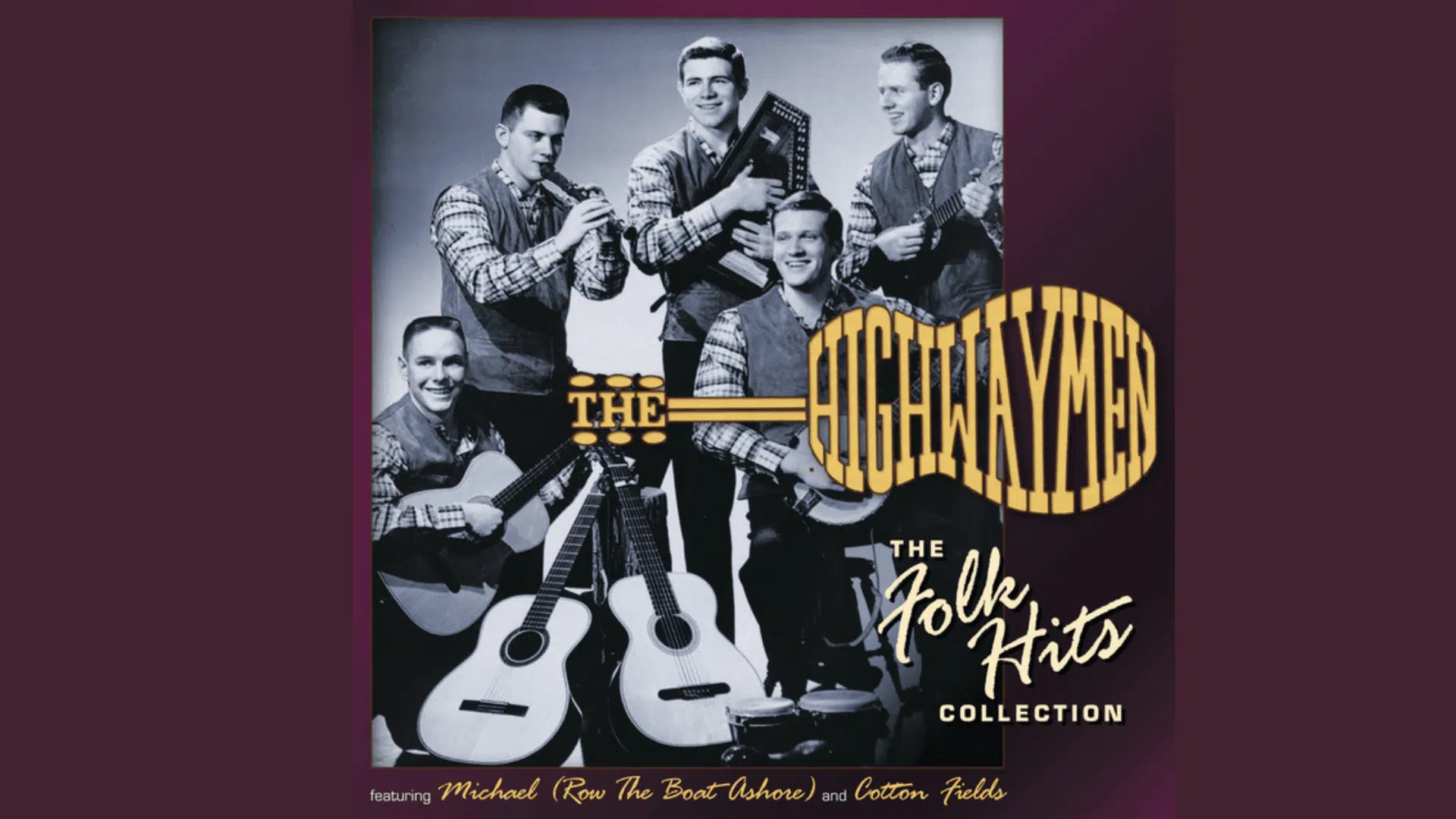
Michael Row the Boat Ashore Lyrics by The Highwaymen
*Whistling*
[Chorus]
(Michael, row the boat ashore, hallelujah
Michael, row the boat ashore, hallelujah)
[Verse 1]
Sister, help to trim the sails (Hallelujah)
Sister, help to trim the sails (Hallelujah)
[Chorus]
(Michael, row the boat ashore, hallelujah
Michael, row the boat ashore, hallelujah)
[Verse 2]
The River Jordan is chilly and cold (Hallelujah)
Chills the body but not the soul (Hallelujah)
[Chorus]
(Michael, row the boat ashore, hallelujah
Michael, row the boat ashore, hallelujah)
[Verse 3]
River is deep, and the river is wide (Hallelujah)
Milk and honey on the other side (Hallelujah)
[Chorus]
(Michael, row the boat ashore, hallelujah
Michael, row the boat ashore, hallelujah)
*Whistling*
Michael, Row the Boat Ashore is a traditional African American spiritual dating back to at least the American Civil War. First published in 1867, the song has no single “author.” The song exists in many variations, including famous versions by The Highwaymen, Pete Seeger, The Weavers, and Peter, Paul and Mary.
Song Credits: Michael Row the Boat Ashore by The Highwaymen
The single was released with the title “Michael” on the B-side of Santiano and later became a hit, reaching No. 1 on charts in 1961.
| Category | Information |
|---|---|
| Song Title | Michael, Row the Boat Ashore (released as “Michael”) |
| Artist | The Highwaymen |
| Release Date (Single) | September 1960 |
| Album | The Highwaymen (debut album) |
| Writers | Traditional (adapted) / credited to Tony Saletan |
| Producer(s) | Lou Adler |
| Label | United Artists |
The song itself is a traditional African-American spiritual adapted by Tony Saletan, hence the songwriting credit often lists “traditional / Saletan.”
The History of the Song
The michael row the boat ashore lyrics first emerged during the American Civil War, around 1863. Union soldiers stationed at St. Helena Island, South Carolina, heard formerly enslaved people singing these haunting verses.
These weren’t new compositions the song had been passed down through generations, likely originating from African spiritual traditions mixed with Christian themes.
What makes this history intriguing is that nobody knows who originally wrote it. The michael row the boat ashore lyrics traveled orally, changing slightly with each community that sang them.
By 1867, scholars finally documented the words in a collection called “Slave Songs of the United States.” Yet the true origins remain shrouded in the past, leaving historians puzzled about its exact beginnings.
Why The Highwaymen’s Version Became So Famous?
In 1961, five college students calling themselves The Highwaymen changed the michael row the boat ashore lyrics into a chart-topping sensation. Their version stripped away complex arrangements, focusing on raw harmonies and a simple acoustic guitar.
The timing was perfect America was embracing folk music again, and this spiritual carried a genuine sound that audiences craved. The Highwaymen’s rendition climbed to number one on the Billboard Hot 100, selling over a million copies.
But here’s the curious part: these privileged university students singing verses born from enslavement created an unexpected bridge between two vastly different worlds. The song suddenly belonged to everyone, though few understood the pain embedded in every word.
Other Notable Versions of Michael, Row the Boat Ashore
“Michael, Row the Boat Ashore” has been recorded and reinterpreted by many artists across different genres and decades. Below are some of the most notable and influential recordings of the song.
Pete Seeger (1957)
One of the most influential folk renditions of the song. Pete Seeger helped popularize it during the American folk revival, emphasizing its communal and spiritual roots.
His version encouraged audience participation and reflected the era’s growing interest in traditional folk music.
Seeger’s interpretation also helped frame the song as both a spiritual and a social anthem.
The Weavers
Closely associated with Pete Seeger, The Weavers brought the song to mainstream folk audiences. Their performances helped cement it as a staple of mid-20th-century folk music.
The group’s polished harmonies made the song more accessible to radio listeners. Their version played a role in bridging traditional spirituals and commercial folk music.
Peter, Paul and Mary (1962)
Their harmonized rendition introduced the song to a wider pop-folk audience. It became one of the most recognizable versions of the song during the 1960s.
The trio’s clean vocal blend softened the song’s spiritual solemnity for mainstream appeal. This version is still widely used in educational and choral settings.
Harry Belafonte
Belafonte’s interpretation highlights the song’s African-American spiritual origins. His performance blends folk traditions with his signature vocal warmth.
The version emphasizes rhythm and phrasing inspired by Caribbean and spiritual influences. Belafonte’s global popularity helped introduce the song to international audiences.
Lonnie Donegan
British skiffle pioneer Lonnie Donegan recorded a lively version that became popular in the UK. His rendition reached the UK Singles Chart, helping introduce the song to British pop and folk audiences.
Donegan’s upbeat skiffle rhythm gave the spiritual a lighter, more energetic feel. This version played a key role in expanding the song’s popularity beyond the United States during the early 1960s folk boom.
Trini Lopez (1964)
Trini Lopez recorded a rhythmic, upbeat version during the height of his popularity in the 1960s. His interpretation blended folk with pop and Latin-influenced performance energy.
The recording brought a more commercial, crowd-pleasing feel to the traditional spiritual. Lopez’s version helped introduce the song to younger pop audiences during the folk-pop crossover era.
Frequently Asked Questions
What Does Michael, Row the Boat Ashore Lyrics Mean?
The lyrics describe a journey across water as a symbol of moving from hardship to peace. The “boat” represents the soul, and “rowing ashore” means reaching freedom, rest, or salvation.
Is Michael Row Your Boat Ashore a Religious Song?
Yes, it is a religious song. It comes from African American spiritual traditions and includes Christian themes. The lyrics reference faith, heaven, and crossing into the promised land, which are common ideas in biblical teachings.
Who Is Michael in Michael Rode the Boat Ashore?
Michael refers to Archangel Michael from the Bible. He is often seen as a guide and protector of souls. In the song, Michael symbolizes spiritual guidance and help during the journey from life to the afterlife.
What Does Michael, Row the Boat Ashore Mean in the Bible?
In a biblical sense, the phrase connects to the idea of crossing the Jordan River, which represents the passage from earthly life to heaven. “Rowing the boat ashore” means reaching God’s kingdom.