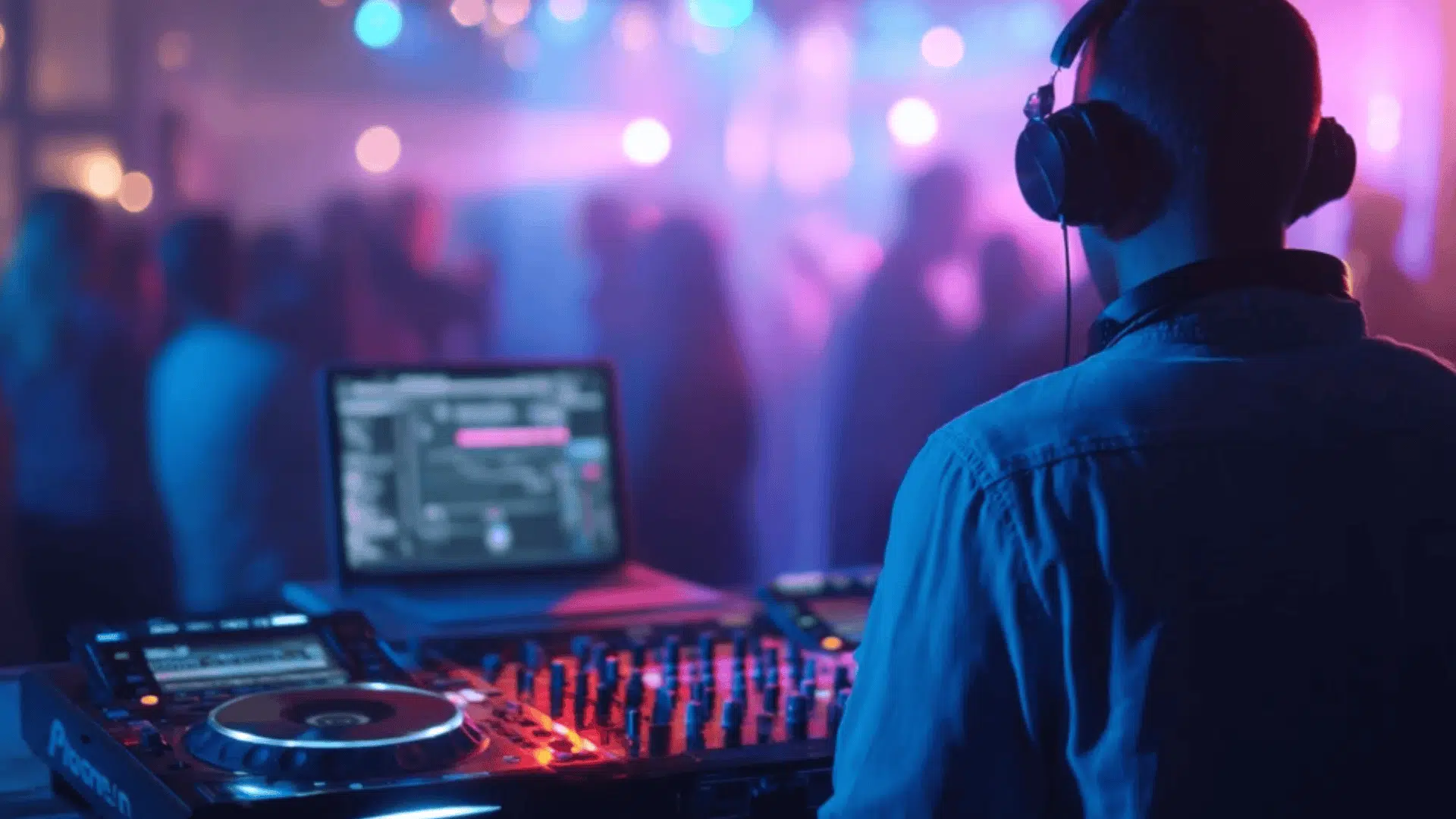
DJing has become one of the most exciting ways to connect with music, blending creativity, technology, and personal style.
From home studios to packed dance floors, DJs shape how people experience sound and energy.
Thanks to modern tools, learning how to start DJing is no longer limited to clubs or expensive setups; you can begin with simple equipment and grow at your own pace.
Still, understanding how to DJ goes beyond pressing play. It takes rhythm, timing, and a feel for music.
If you’re curious about mixing tracks for fun or finding how to become a DJ professionally, the journey starts with curiosity, consistency, and a willingness to learn.
What Is a DJ and What Do DJs Actually Do?
A DJ is someone who shapes an experience through music rather than simply playing songs.
Beyond selecting tracks, DJs create flow by blending records smoothly, controlling tempo, and matching energy from one moment to the next.
A big part of DJing is reading the crowd, watching reactions, and adjusting choices in real time to keep people engaged.
Skilled DJs understand how to build tension, release it, and guide listeners through different moods during a set.
Instead of creating music from scratch, DJing focuses on timing, selection, and presentation, turning existing recordings into a cohesive and memorable musical journey.
The Different Paths DJs Can Take
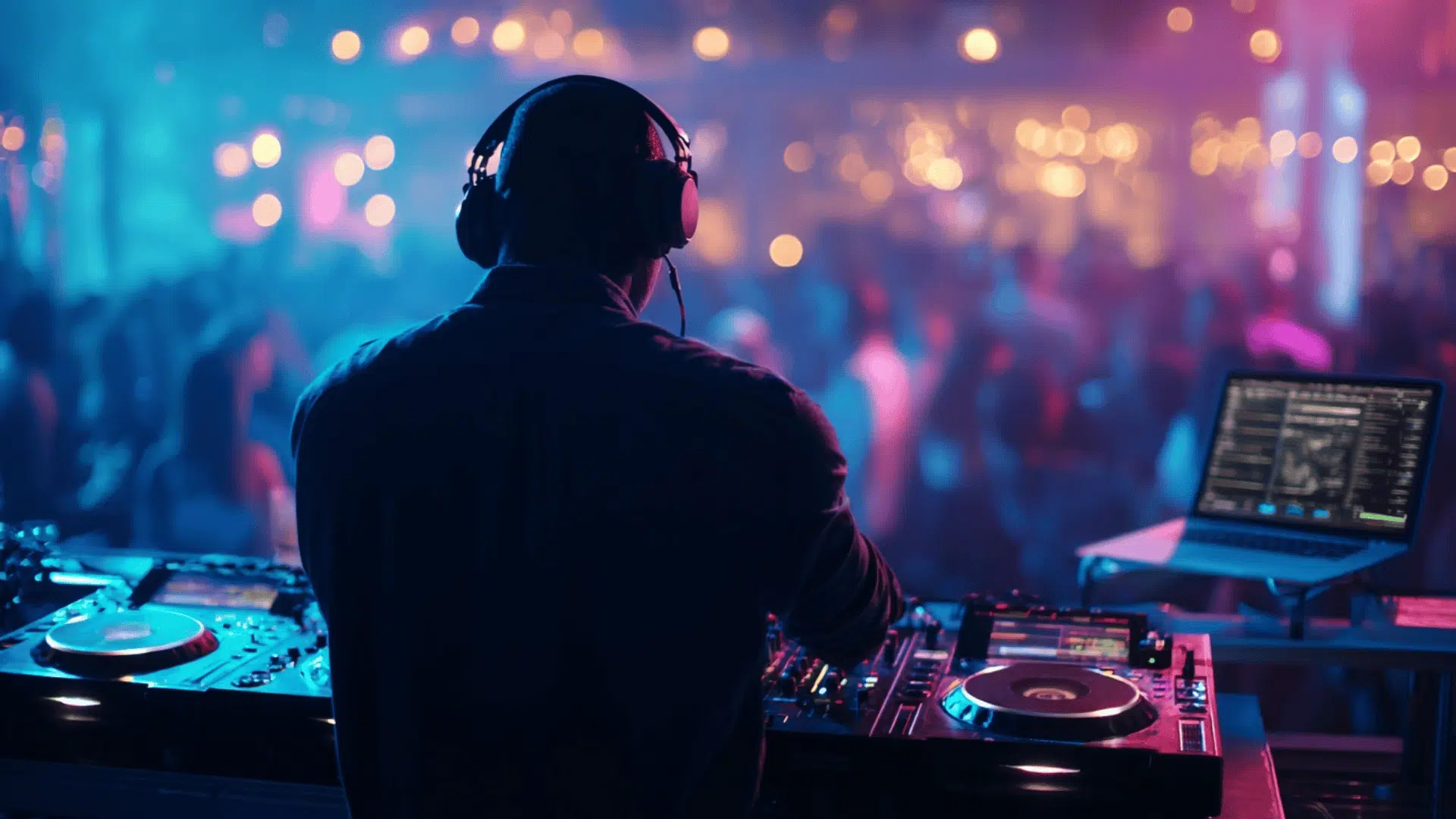
DJing offers multiple creative paths shaped by performance settings, audience interaction, musical focus, and whether passion or profession drives the journey.
-
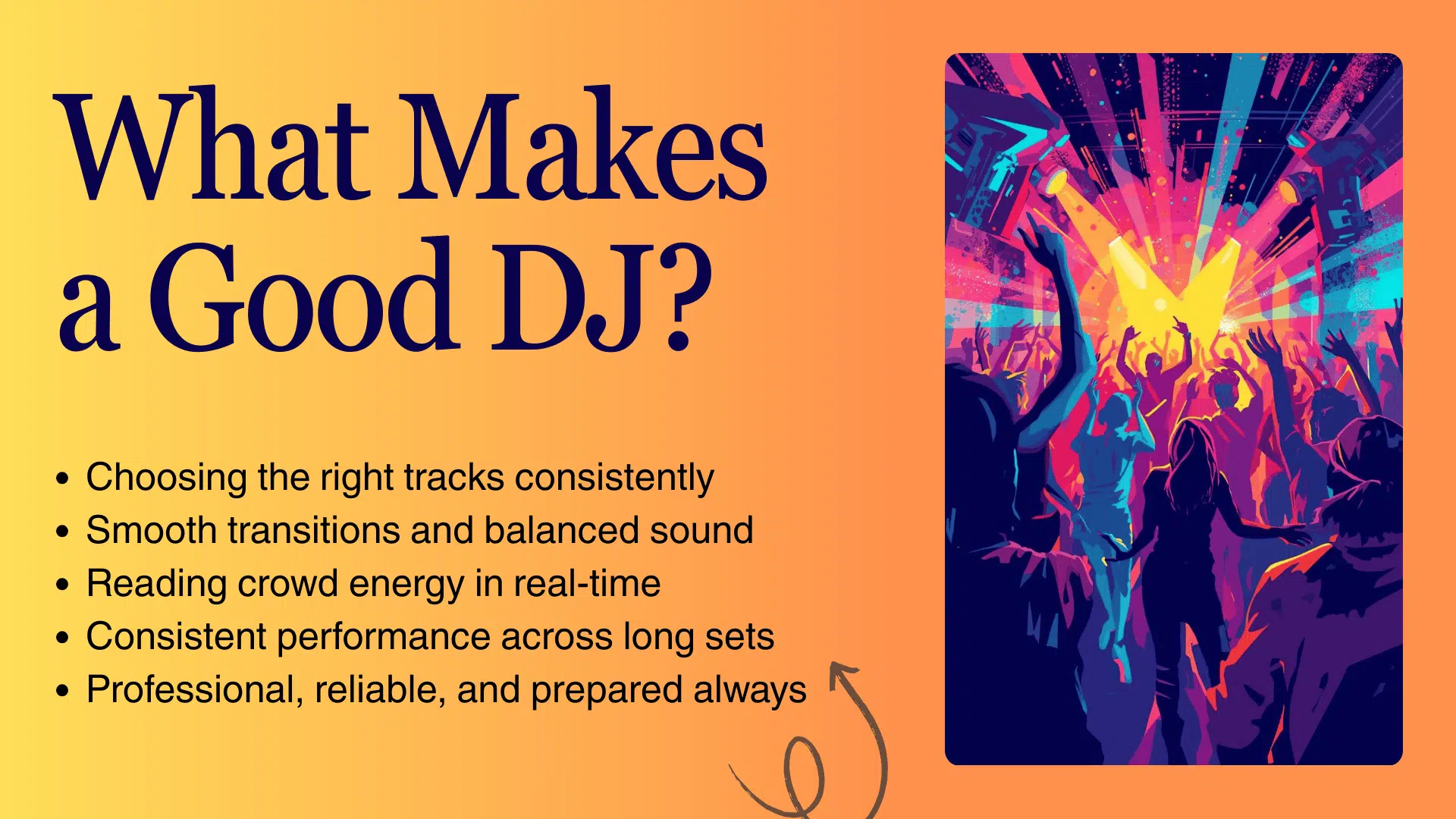
Club DJ: Performs long club sets, focusing on seamless mixing, genre expertise, reading dancefloor energy, and maintaining consistent momentum.
-
Mobile DJ: Provides music for private events, requiring versatility across genres, strong communication, dependable equipment, and professional coordination.
-
Festival & Touring DJ: Delivers high-energy performances on large stages, often featuring original music, strong branding, and massive audience engagement.
-
Radio & Online DJ: Curates music for broadcasts or streams, blending selection, personality, and consistency to build loyal listener communities.
-
Bedroom DJ: Practices DJing at home for personal enjoyment, experimentation, and skill development without the pressure of live performances.
Each path offers unique rewards, allowing DJs to express creativity, connect with audiences, and grow at their own pace.
Things to Consider Before You Start DJing
Before starting DJing, it’s important to evaluate your motivations, expectations, and ability to commit time, effort, and resources realistically.
-
Understand your motivation: Decide whether DJing is a creative hobby, social outlet, or long-term career goal to guide future decisions.
-
Choose a genre or niche: Focusing on styles you genuinely enjoy helps build authenticity, confidence, and a recognizable musical identity.
-
Assess time commitment: Regular practice is essential, often requiring several hours weekly to build and maintain skills.
-
Plan your budget: Beginner DJ setups typically cost $300–800, with ongoing expenses for music, software, or subscriptions.
-
Set realistic goals: Define personal success clearly, whether playing for friends, local venues, or pursuing larger stages.
Clear expectations help avoid frustration, guide progress, and ensure DJing remains rewarding, sustainable, and aligned with your personal goals.
What You Need to Start DJing
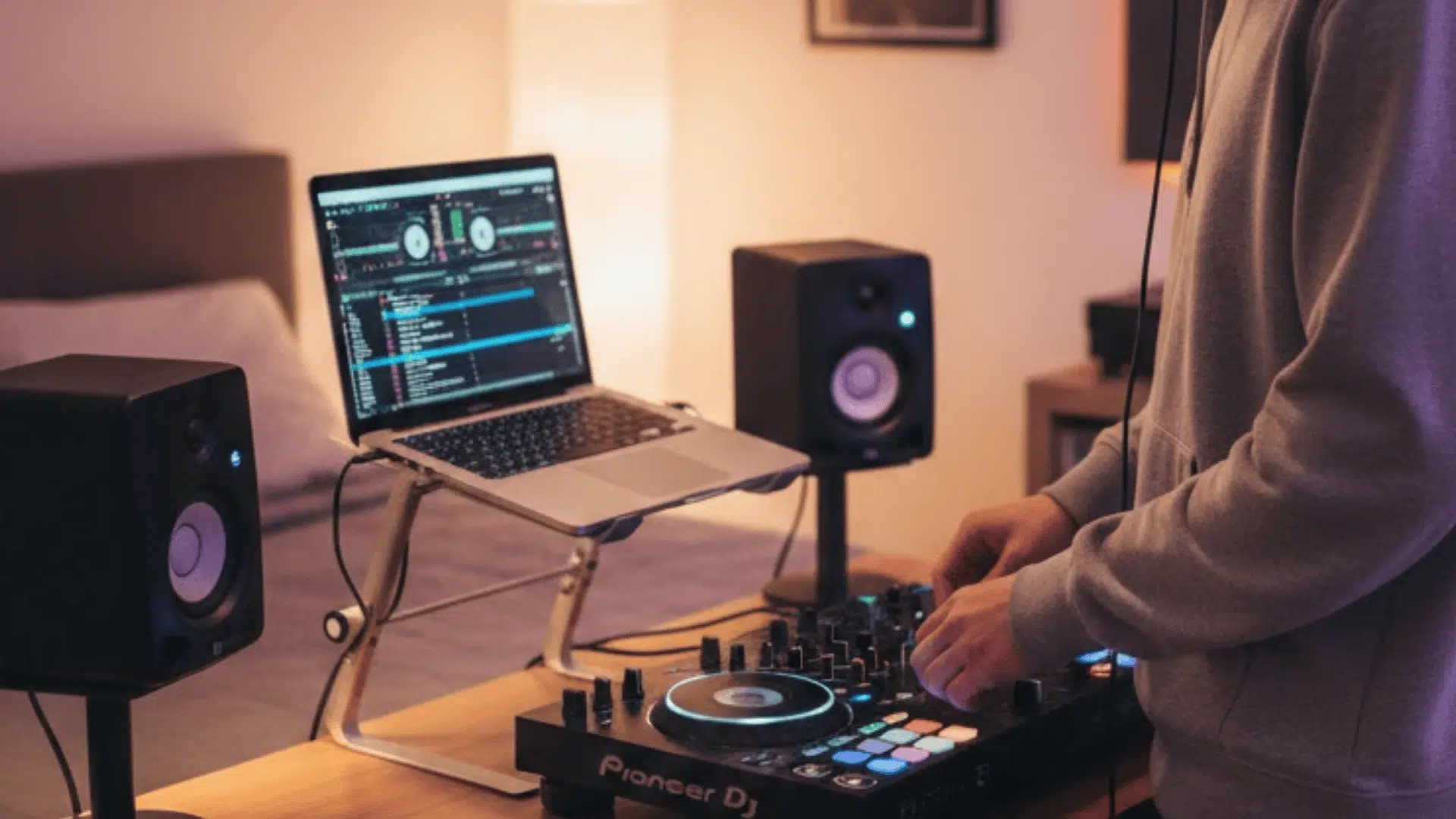
DJing becomes simpler once you understand the essential tools required to practice, perform confidently, and hear your mixes accurately.
1. DJ Controller, CDJs, or Turntables
This is the core of your DJ setup. Controllers are the most beginner-friendly option, CDJs are standard in clubs, and turntables are used for vinyl-based DJing. Most beginners should start with controllers before exploring other setups.
2. Laptop or Computer
A reliable computer runs your DJ software and stores your music. Adequate RAM, a capable processor, and sufficient storage prevent crashes and performance issues during practice or live mixing.
3. DJ Software
DJ software controls playback, tempo, effects, and library management. Beginners should use the software bundled with their controller for easier learning and guaranteed compatibility.
4. DJ Headphones
Headphones allow private cueing and beat-matching. Closed-back designs with swiveling earcups provide isolation and flexibility during mixing, especially in loud environments.
5. Monitor Speakers and Accessories
Monitor speakers deliver accurate sound for learning EQ and balance. Essential accessories include audio cables, a laptop stand, and optional external storage for music libraries.
How to Choose the Right DJ Setup
Choosing the right DJ setup depends on where you plan to play, how you practice, and your long-term DJ goals.
| Decision Area | What to Consider | Best Approach |
|---|---|---|
| Deck Type | Controllers vs CDJs vs turntables | Start with controllers |
| Software Choice | Club, mobile, or creative focus | Match software to goals |
| Budget Planning | Beginner range $500–$1,000 | Start simple, upgrade later |
| Future Environment | Home, clubs, events, festivals | Choose gear accordingly |
Making thoughtful setup choices early saves money, reduces frustration, and helps your DJ skills grow naturally alongside your goals.
How DJing Actually Works (Core Skills)
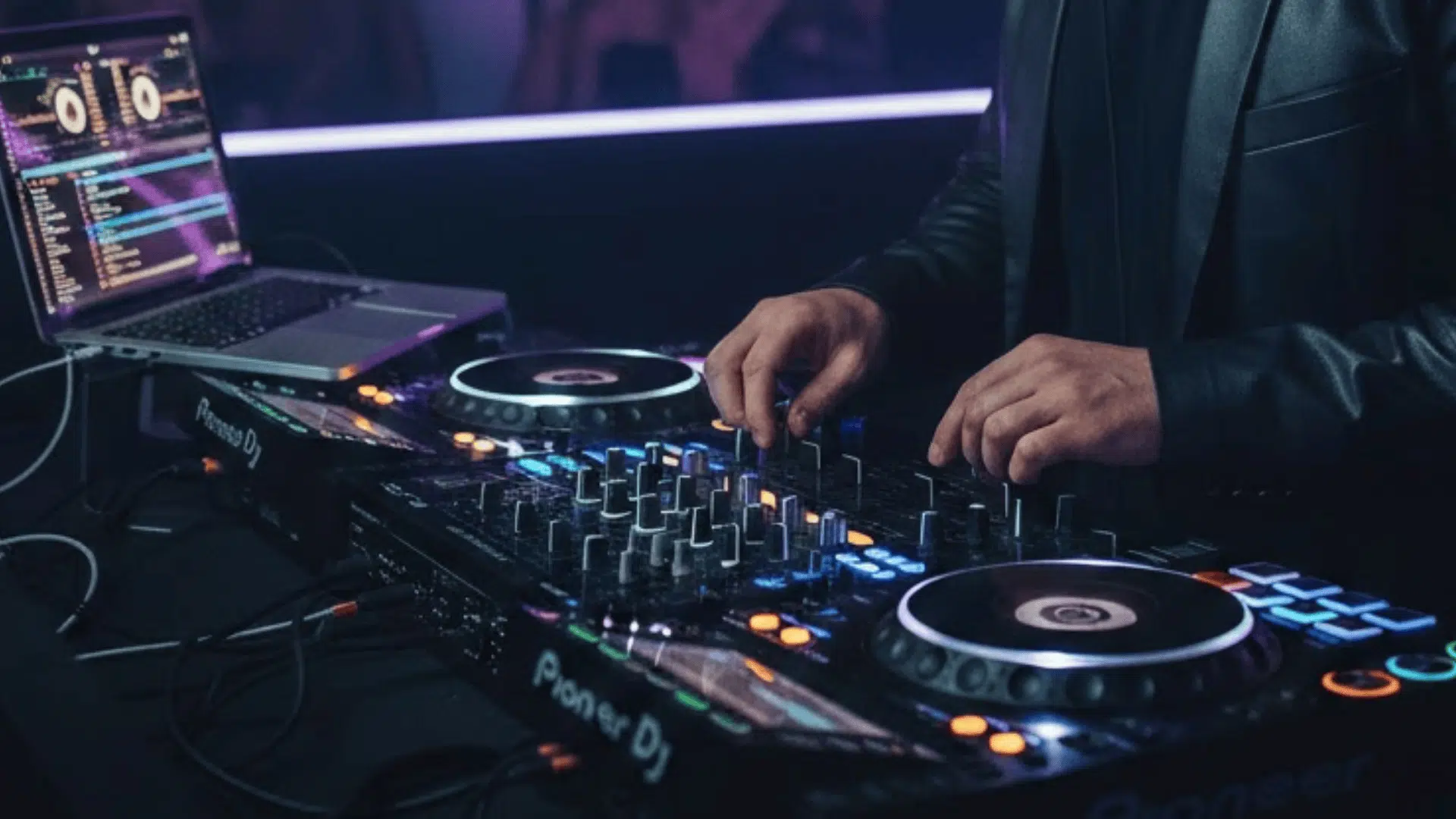
Once equipment is set, DJing relies on timing, rhythm awareness, and smooth transitions rather than expensive gear or complex tricks.
-
Understanding Beats and BPM: Every track has a tempo and structure. Mixing works best when tempos and musical phrases align naturally.
-
Reading Song Structure: Intros and outros are ideal for transitions, while breakdowns and drops help control energy and tension.
-
Beatmatching: Keeping tracks synchronized ensures smooth blends. Manual beatmatching builds strong timing, even when sync is available.
-
EQ Mixing: Balancing bass, mids, and highs prevents frequency clashes. Bass swapping creates clean, professional transitions.
-
Energy Control: DJs shape emotion through track selection, deciding when to build energy, maintain flow, or reset the room.
Mastering these fundamentals turns basic equipment into expressive tools, allowing DJs to control flow, energy, and audience connection.
How Long Does It Take to Learn to DJ?
Learning DJing depends more on consistent practice and commitment than talent, with progress varying based on effort, goals, and experience.
| Timeframe | Skills You Typically Develop |
|---|---|
| 1–3 months | Equipment basics, beatmatching fundamentals, simple transitions |
| 3–6 months | Smooth mixing, EQ control, and short structured mixes |
| 6–12 months | Reading crowds, confident live sets, and personal style |
| 1–2 years | Advanced techniques, genre mastery, and professional consistency |
Common Myths: You don’t need perfect pitch; it’s never too late to start, and using sync doesn’t replace musical taste or creativity.
Common Beginner Mixing Mistakes
Most beginners struggle with mixing not because of equipment, but due to habits that disrupt flow, balance, and overall listening experience.
-
Overusing effects: Relying too heavily on echo, reverb, and filters can overwhelm mixes; effects should enhance transitions, not distract listeners.
-
Poor volume control: Failing to match track levels causes sudden loud or quiet moments, breaking energy, and making transitions feel uncomfortable.
-
Mixing incompatible sections: Blending vocal-heavy or busy sections together creates clutter; compatible song structures lead to cleaner, smoother mixes.
-
Not using headphones enough: Skipping headphone cueing prevents proper preparation, making beatmatching and phrasing far more difficult.
-
Rushing transitions: Short, rushed blends feel abrupt; smooth mixes usually take sixteen to thirty-two bars to fully develop.
Avoiding these common mistakes helps beginners develop smoother transitions, stronger flow, and more professional-sounding DJ sets over time.
How to Practice DJing Effectively
Effective DJ practice is intentional, not random. Setting clear goals for each session helps build skills faster than unfocused mixing.
Warming up with familiar tracks builds confidence before experimenting with new material, while concentrating on one technique at a time prevents overwhelm.
Recording every practice session is essential, as listening back reveals issues with transitions, volume balance, and track compatibility that often go unnoticed while mixing.
Instead of always playing full sets, repeating short transitions sharpens fundamentals more quickly.
Mistakes should never feel discouraging; they highlight exactly what needs improvement, whether beatmatching, EQ control, or energy management.
Bonus Tips: How to Start Building Your DJ IdentityChoose a memorable DJ name that’s easy to spell and available across major social and music platforms. Keep usernames consistent on SoundCloud, Instagram, Facebook, Spotify, and other key platforms. Create a visual style that matches your music genre and overall vibe. Post consistently, sharing mixes, practice clips, gig updates, and behind-the-scenes content. Engage with your audience and support other DJs within your local and online communities. Focus on one or two platforms instead of trying to be active everywhere. Upload mixes regularly on SoundCloud, Mixcloud, or YouTube with proper tags and tracklists. |
How to Get Your First DJ Gig
Getting your first DJ gig often feels intimidating, but every DJ starts with small steps.
Begin by playing for friends at house parties, birthdays, or casual gatherings where pressure is low and support is high.
As confidence grows, approach local bars and small venues during quiet hours, introduce yourself professionally, and share a recorded mix that reflects your style.
Offering trial sets on slower nights helps build trust and visibility.
Networking with other DJs and promoters is equally important, as many opportunities come through recommendations.
Well-organized mixes act as a portfolio, proving your skills and reliability. Every successful DJ started exactly here.
Essential Advice Every Beginner DJ Should Know
These foundational tips help new DJs develop better habits, progress faster, and enjoy the learning process without unnecessary pressure.
-
Prioritize music selection and organization, since a strong track library defines your sound more than advanced technical skills.
-
Learn your equipment completely so you can mix confidently, solve problems quickly, and perform creatively in any situation.
-
Practice consistently with patience, knowing steady daily sessions build skills faster than occasional long practice marathons.
-
Keep learning by studying other DJs, analyzing their sets, and refining your technique as your musical taste evolves.
-
Record sessions and avoid comparisons, using your own progress as motivation while keeping DJing enjoyable and fulfilling.
Strong habits, patience, and passion form the foundation of lasting DJ growth, helping beginners evolve confidently into skilled, expressive performers.
Final Thoughts
DJing is more accessible than ever, but progress still comes from action, not perfection.
Learning how to start DJing doesn’t require expensive gear or secret knowledge, just curiosity, consistency, and a willingness to practice.
Your experience will look different from everyone else’s, and that’s exactly how it should be.
Even if you’re finding how to DJ for personal creativity or wondering how to become a DJ professionally, growth comes from showing up regularly.
Stop waiting for the perfect setup or the perfect moment. Download the software, plug in your controller, and mix your first tracks today.
Every confident DJ started exactly where you are now, by pressing play and learning forward.