

How much do music producers make? The answer isn’t simple. Music production offers incredible earning potential, but income varies dramatically based on experience, location, and business strategy.
Some producers earn modest salaries while others make millions from hit records.
Your earnings depend on factors like client base, royalty agreements, and multiple income streams. New producers might start with smaller budgets, while established names command premium rates for their expertise.
Understanding different payment structures, like upfront fees and backend royalties, helps build a sustainable career. Knowing what producers earn sets realistic expectations and shows how to maximize your income in music.
What Does a Music Producer Actually Do?
A music producer is the person who helps bring a song or an album to life. They work on many different tasks, like shaping the sound, arranging instruments, and making sure everything blends well.
Producers also handle technical work, such as recording, editing, and mixing tracks, while guiding artists to get their best performance.
They often collaborate with singers, songwriters, and engineers to make the music sound professional and polished. Because producers can take on very different roles depending on the project, their income can vary a lot.
Some producers work on small indie tracks, while others handle major label hits, and the type of project, experience, and responsibilities all affect how much they earn.
Average Music Producer Salary & Pay Ranges

Music producers in the United States typically earn between $30,000 and $55,000 per year. However, this range shifts dramatically based on several factors. Your location plays a major role – producers in Los Angeles or New York often make more than those in smaller cities.
Experience and skill level matter too. Beginners might start around $25,000 annually, while established producers can reach $100,000 or higher. The genre you work in also affects your income.
Hip-hop and pop producers frequently earn more than those in niche genres. Finally, your reputation and network make a significant difference in landing high-paying projects and consistent work.
How Much Producers Charge Per Track or Project?
Per-track rates vary widely based on experience. Entry-level producers charge $200 to $1,000 per song while building their portfolio.
Mid-level producers with solid reputations typically ask for $1,000 to $5,000 per track. Experienced producers working with established artists command $5,000 to $15,000 or more.
Top-tier producers collaborating with major stars earn $15,000 to $500,000+ per song.
Record labels usually pay higher rates than independent artists, who often work with smaller budgets and negotiate lower fees or royalty splits instead of upfront payment.
What Producers Earn Besides Salary: Income Streams
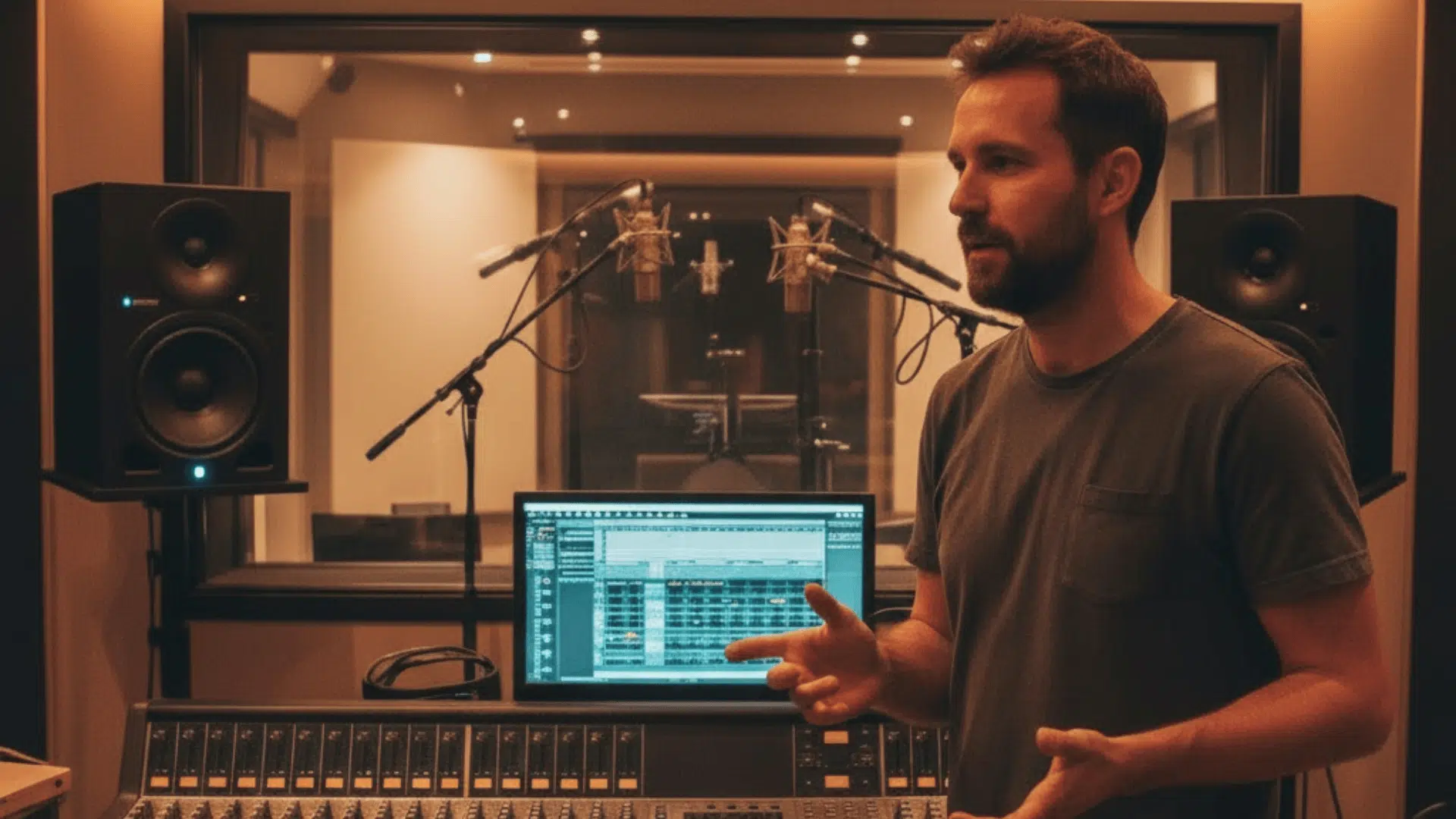
Music producers don’t rely solely on upfront payments. They build multiple income streams that create long-term revenue. These various sources can add up to substantial earnings over time.
- Royalties & Backend Points: Producers earn 3-7% of a song’s revenue plus streaming royalties every time it plays.
- Mechanical Royalties: Payments received whenever a song is reproduced, downloaded, or streamed on platforms.
- Sync Licensing: Earnings from music used in TV shows, movies, video games, commercials, or online content.
- Beat Sales & Sample Packs: Selling pre-made beats or sample packs online generates passive income.
- Merchandise & Branding: Established producers create product lines, courses, or software plugins for additional revenue.
These income streams often become more valuable than the initial payment. Successful producers focus on building assets that generate money for years.
Upfront Fees vs. Royalty Shares: Which Pays Better?
Music producers face an important decision on every project: take a flat fee or negotiate for royalties. Each payment structure has distinct advantages depending on your situation and goals.
| Upfront Fees | Royalty Shares |
|---|---|
| Paid a flat rate before release | Paid a percentage of sales, streams, or performances |
| Gives immediate income | Can lead to higher long-term income |
| Low risk, predictable earnings | Earnings depend on the song’s success |
| Works well for small projects or indie artists | Best for hit songs or major label deals |
The best approach often combines both payment types. Many producers negotiate a smaller upfront fee alongside backend royalties to secure immediate income while maintaining long-term earning potential.
How Much Music Producers Get Paid: Role of Royalties
Royalties are ongoing payments producers receive when their music is used. Streaming royalties come from platforms like Spotify and Apple Music each time a song plays.
Performance royalties are earned when music is played publicly in venues, radio stations, or restaurants.
Publishing royalties come from the songwriter’s share of the composition. These payments create long-term income that continues for years after the initial work. A hit song can generate steady revenue for decades.
However, royalties are unpredictable – you never know which tracks will succeed. Despite this uncertainty, they represent valuable earnings because they compound over time and require no additional work.
Other Money‑Making Paths for Producers

Music producers can earn money in many ways besides creating songs. These additional paths allow producers to build multiple income streams and increase their overall earnings.
Some methods require technical skills, while others rely on creativity or performance.
1. Selling Beats & Samples Online
Producers can sell beats and sample packs online to other artists or content creators. Platforms like BeatStars or Splice make it easy to upload and sell music.
This can be a steady income source if the beats are high quality and in demand. Producers earn money every time someone buys or licenses their tracks, which can add up over time.
2. Mixing & Mastering Services
Mixing and mastering are technical services that make songs sound professional. Producers can offer these services to independent artists or record labels for a fee.
Providing mixing and mastering can be done remotely, enabling producers to work globally. This service often pays per track or project, making it a reliable income alongside producing songs.
3. Sync Licensing & Placements
Sync licensing involves placing music in TV shows, commercials, films, or video games. Producers can earn royalties and upfront fees when their tracks are used in media.
This type of work can be very profitable if a song is placed in a popular campaign or show. It also gives producers exposure and helps build a reputation in the industry.
4. YouTube/Content Creation
Producers can make money by creating content on YouTube or other platforms. This could include tutorials, beat-making videos, or sharing tips about music production.
Earnings come from ad revenue, sponsorships, or promoting beats and services. Consistently posting content helps build an audience, which can turn into a steady source of income over time.
5. DJ Gigs or Live Performance Revenue
Producers who also DJ or perform live can earn money from shows, festivals, and private events. Live performances can pay well and provide exposure to new fans or clients.
Many producers combine live gigs with their studio work to increase earnings. Performing also helps build connections in the music scene, which can lead to more opportunities for both production and live events.
Tips to Boost Your Earnings as a Music Producer

Growing your income as a producer requires smart business strategies beyond just making great music. Focus on building both your skills and your business approach to maximize earnings.
- Negotiate Higher Fees: Research industry rates and confidently present your value based on experience and past successes.
- Secure Backend Points: Always negotiate for royalty percentages (3-7%) in addition to upfront payments.
- Build Multiple Revenue Streams: Sell beats, create sample packs, offer mixing services, and pursue sync licensing.
- Grow Your Brand Online: Showcase your work, testimonials, and behind-the-scenes content on social media.
- Develop Social Proof: Display artist credits, testimonials, and highlight chart placements or streaming milestones.
Implementing these strategies consistently will increase your earning potential. Producers who treat their craft as a business typically earn significantly more than those who focus solely on production.
Summing It Up
Understanding how much do music producers make empowers you to plan your career strategically. Income ranges from modest beginnings to substantial six-figure earnings as you grow your reputation.
The key lies in combining upfront payments with royalty shares while building multiple revenue streams.
Successful producers treat their craft as both art and business, negotiating smart deals and creating long-term value. Your earning potential grows with every project, collaboration, and skill you develop.
Ready to start your production career? Share your thoughts and questions in the comments below – I’d love to hear about your experiences or goals as a music producer!