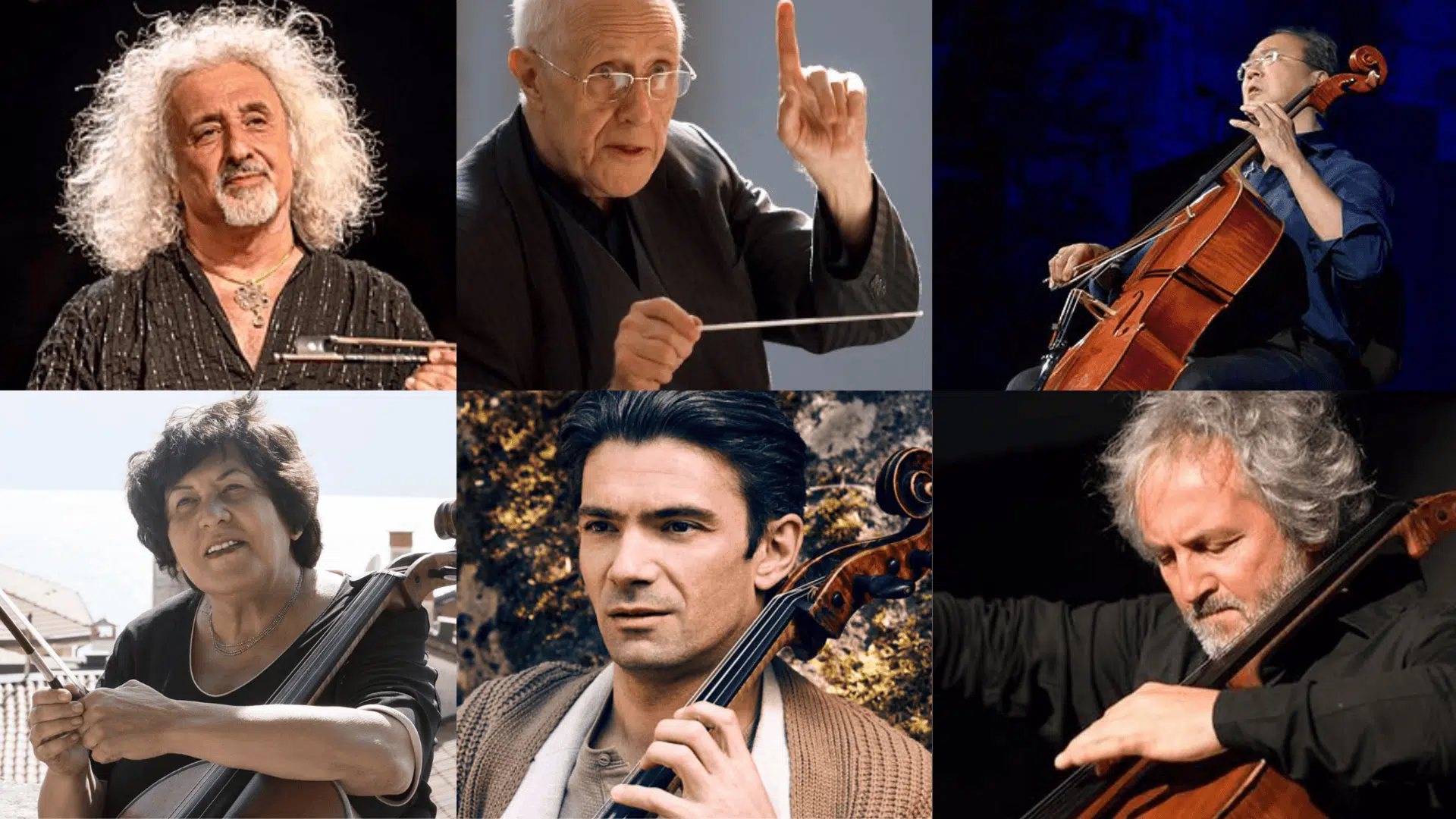
The cello’s rich, deep voice has touched hearts for centuries. From intimate chamber music to grand concert halls, this remarkable instrument creates sounds that resonate with emotion and depth.
Throughout history, famous cello players have advanced the cello through their talent and passion. These artists didn’t simply play notes – they brought melodies into powerful stories.
Some of the most influential cellists have shaped musical traditions and expanded the instrument’s expressive possibilities. Their unique styles and contributions continue to inspire musicians and audiences alike.
Together, their legacies highlight why the cello remains one of the most cherished instruments in the world, celebrated for its warmth, broad range, and soul-stirring beauty.
What Makes a Cellist Famous?
Great cellists combine technical skill with deep emotional expression. They don’t just play the right notes at the right time; they create magic that connects with listeners.
The best cellists bring their own personality to every piece they perform. Famous cellists often play multiple roles in the music world. They perform as soloists, work with orchestras, and play chamber music.
Famous cellists stand out by touching hearts. Their performances evoke deep feelings, creating unforgettable emotional connections.
The greatest cellists also help expand the instrument’s capabilities. They find new ways to play and explore diverse musical styles, demonstrating that the cello can be incorporated into many musical genres.
Top Famous Cellists of All Time
The world of classical music has been shaped by extraordinary cellists whose artistry transcended generations.
These musicians didn’t just master the instrument; they redefined its voice, expanded its repertoire, and left an enduring legacy. Here are the most famous cellists who changed the course of music history.
1. Pablo Casals
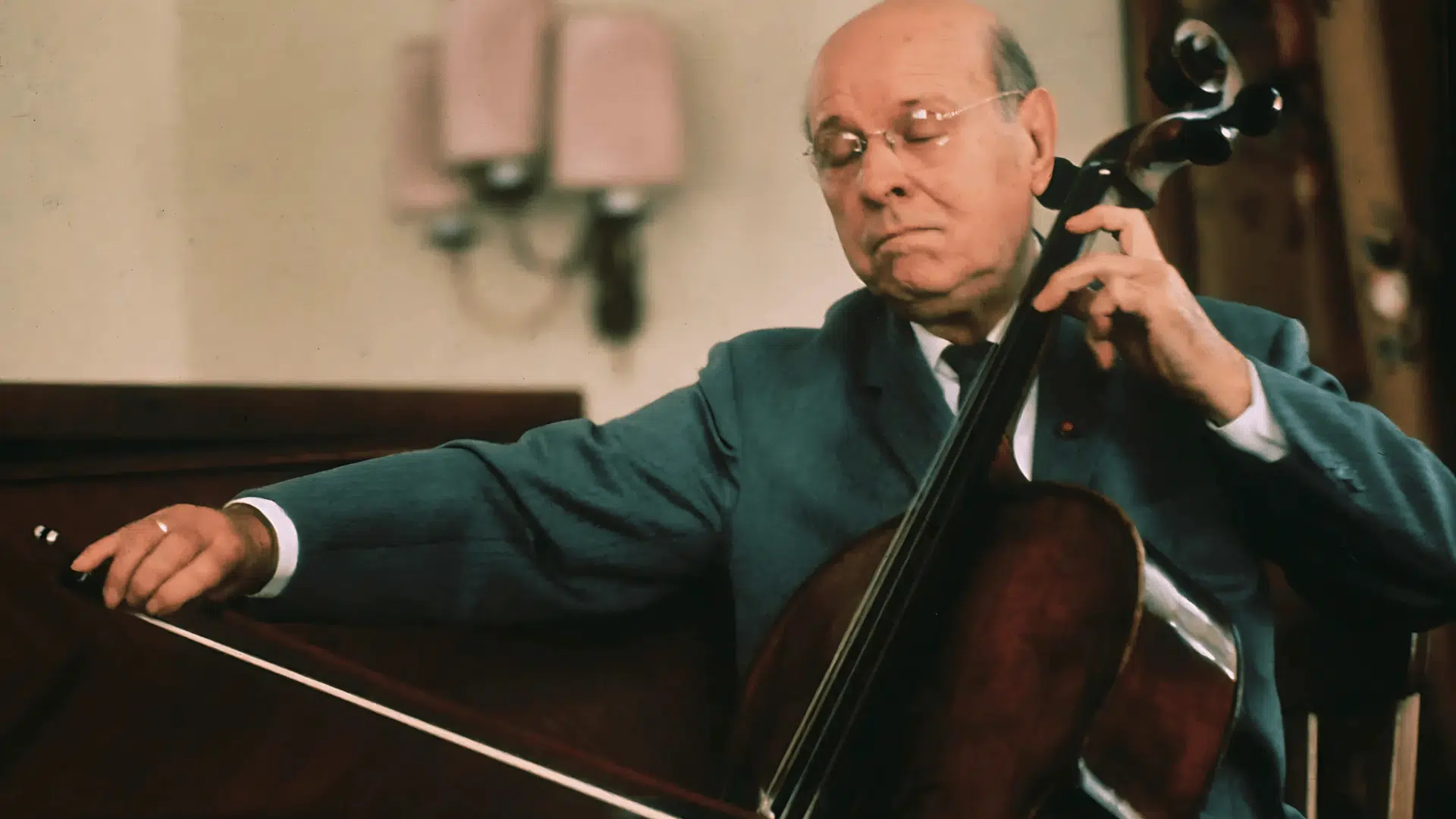
Pablo Casals changed how people think about the cello forever. He brought Bach’s Cello Suites back to life when most people had forgotten about them.
These pieces are now essential parts of every cellist’s repertoire. Casals also believed strongly that music could bring peace to the world.
What stands out about Pablo Casals is his ability to combine musical genius with moral courage.
2. Yo-Yo Ma
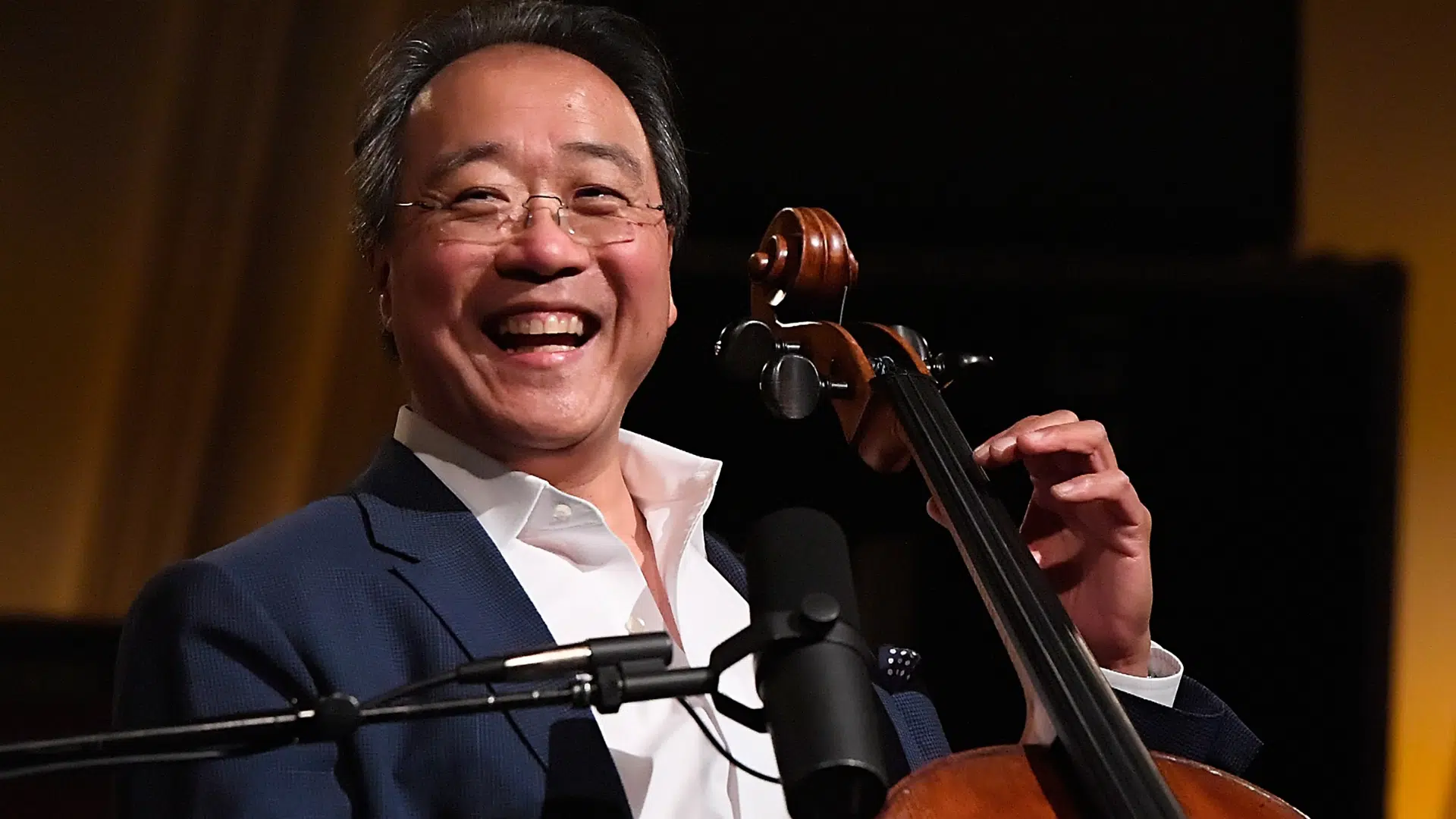
Yo-Yo Ma is probably the most famous cellist alive today. He’s won many Grammy Awards and performs all over the world.
His Silk Road project brought musicians from different cultures together to create something new. Ma makes classical music feel welcoming to everyone, not just music experts.
What stands out about Yo-Yo Ma is his gift for making classical music accessible across cultures.
3. Jacqueline du Pré
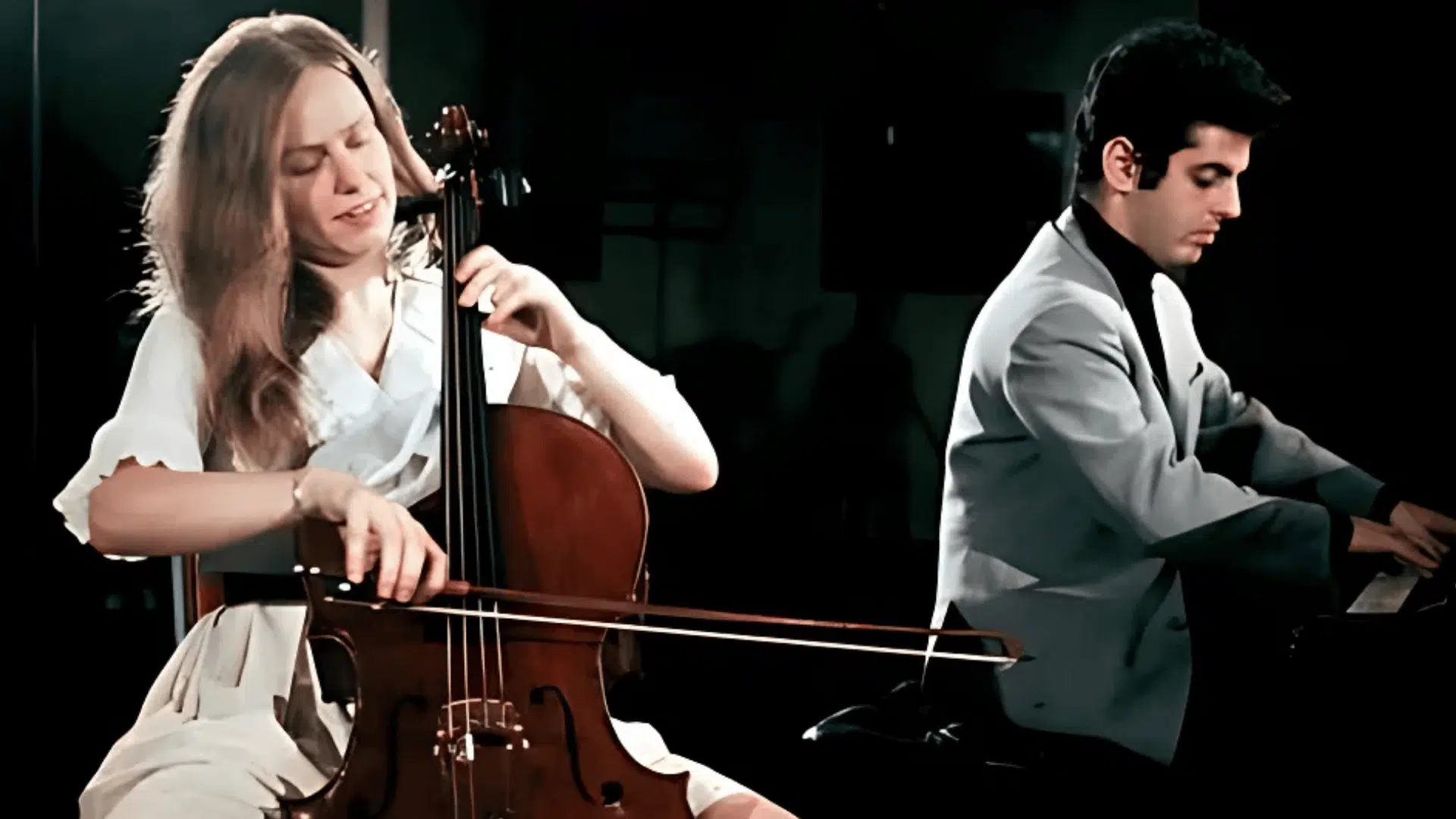
Jacqueline du Pré had a short but beautiful career. She’s most famous for her recording of Elgar’s Cello Concerto, which many people consider the best version ever made.
Her playing was full of passion and emotion; you could feel her love for the music in every note. Sadly, she had to stop performing when she was still young because of illness.
What stands out about Jacqueline du Pré is her unmatched emotional intensity.
4. Mstislav Rostropovich
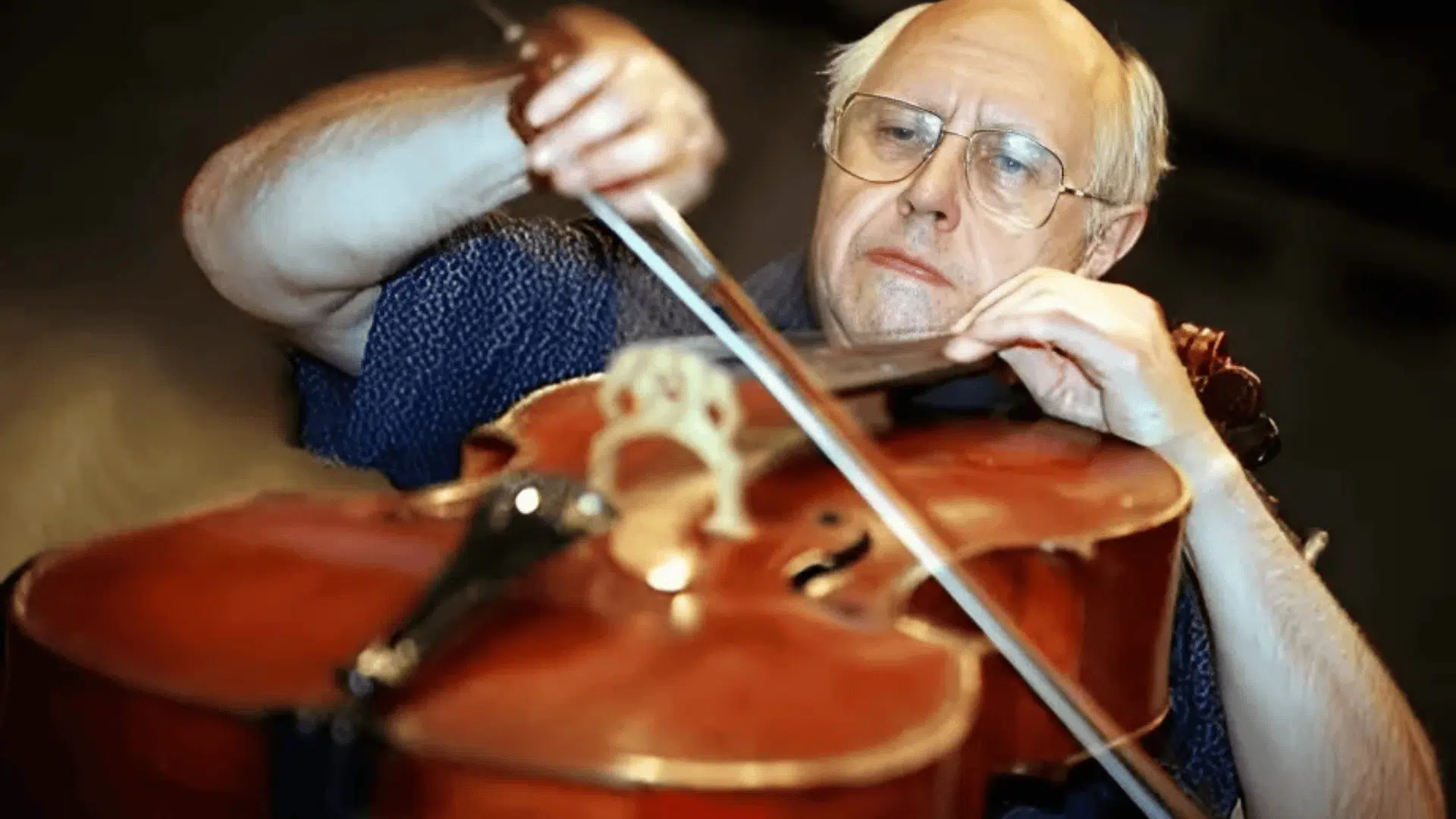
Rostropovich was a giant in the world of the cello. He worked with many composers to create new pieces for the cello, expanding what the instrument could do.
He was also a great teacher who helped train many famous cellists. Born in Russia, he later moved to the United States and became known for his powerful playing style.
What stands out about Rostropovich is his role in expanding the cello’s modern repertoire.
5. Mischa Maisky
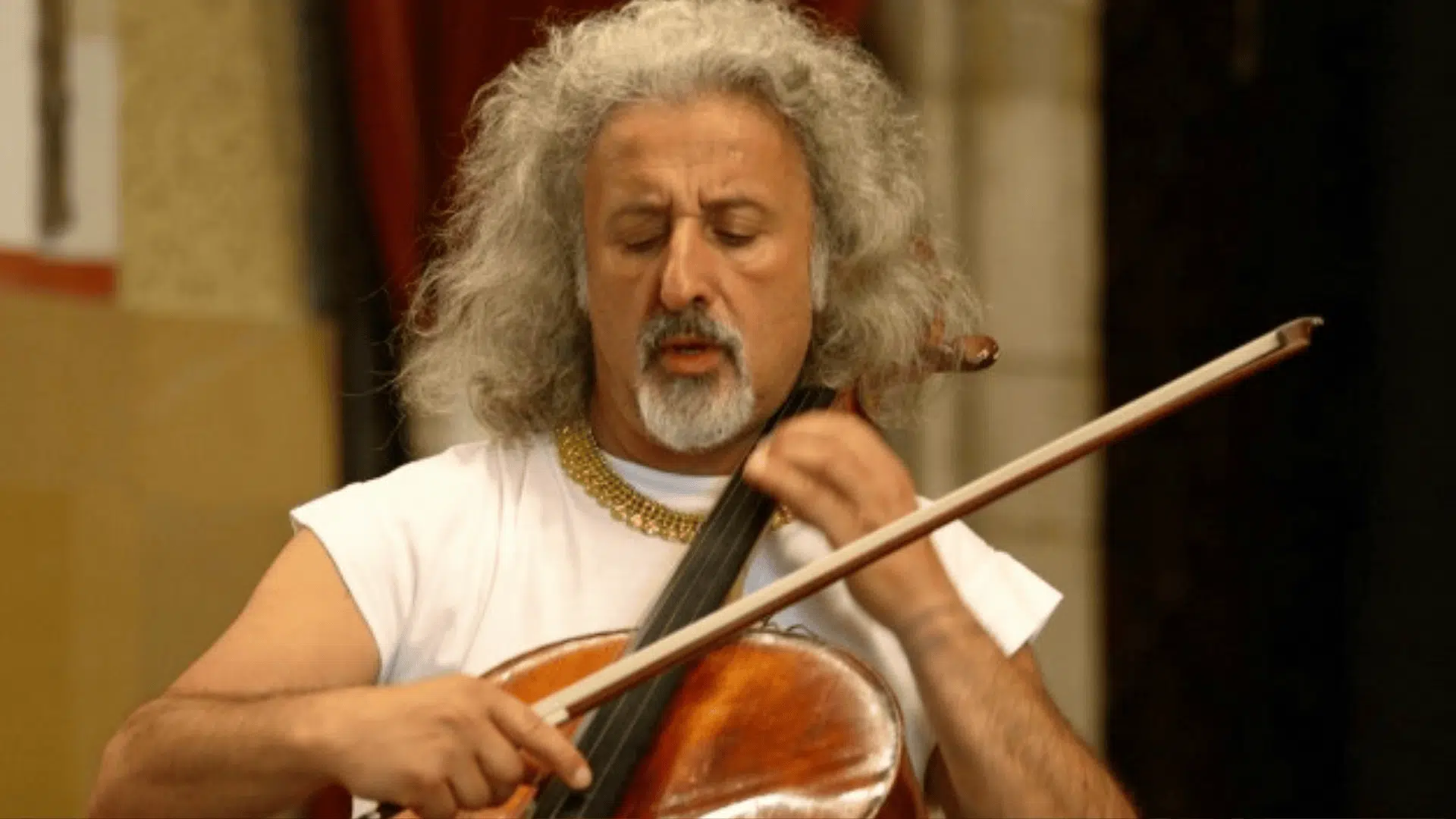
Mischa Maisky brings Russian warmth and intensity to everything he plays. His sound is immediately recognizable – rich, emotional, and full of personality.
He’s particularly famous for his Bach recordings, which show both technical skill and a deep understanding of the music. Maisky proves that each cellist can bring their own unique voice to even the most well-known pieces.\
What stands out about Mischa Maisky is his unmistakable personal sound.
6. Emanuel Feuermann
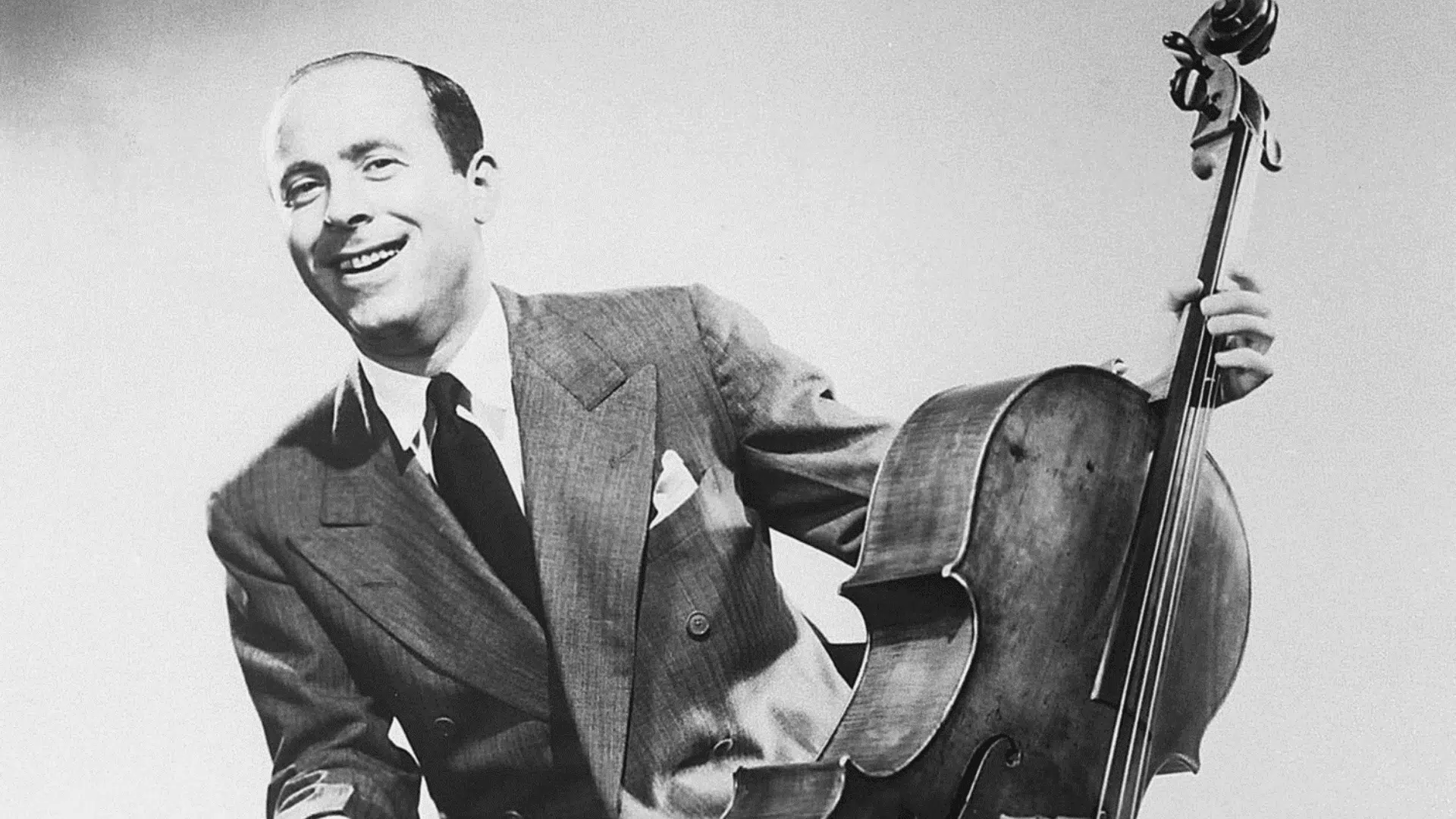
Emanuel Feuermann was a child prodigy who shocked everyone with his talent. Even Pablo Casals, who was very hard to impress, thought Feuermann was incredible.
Sadly, he died young, so we don’t have as many recordings of him as we’d like. However, the recordings that exist reveal a cellist with masterful technique and musical understanding that was far ahead of his time.
What stands out about Emanuel Feuermann is his ahead-of-his-time brilliance.
7. Steven Isserlis
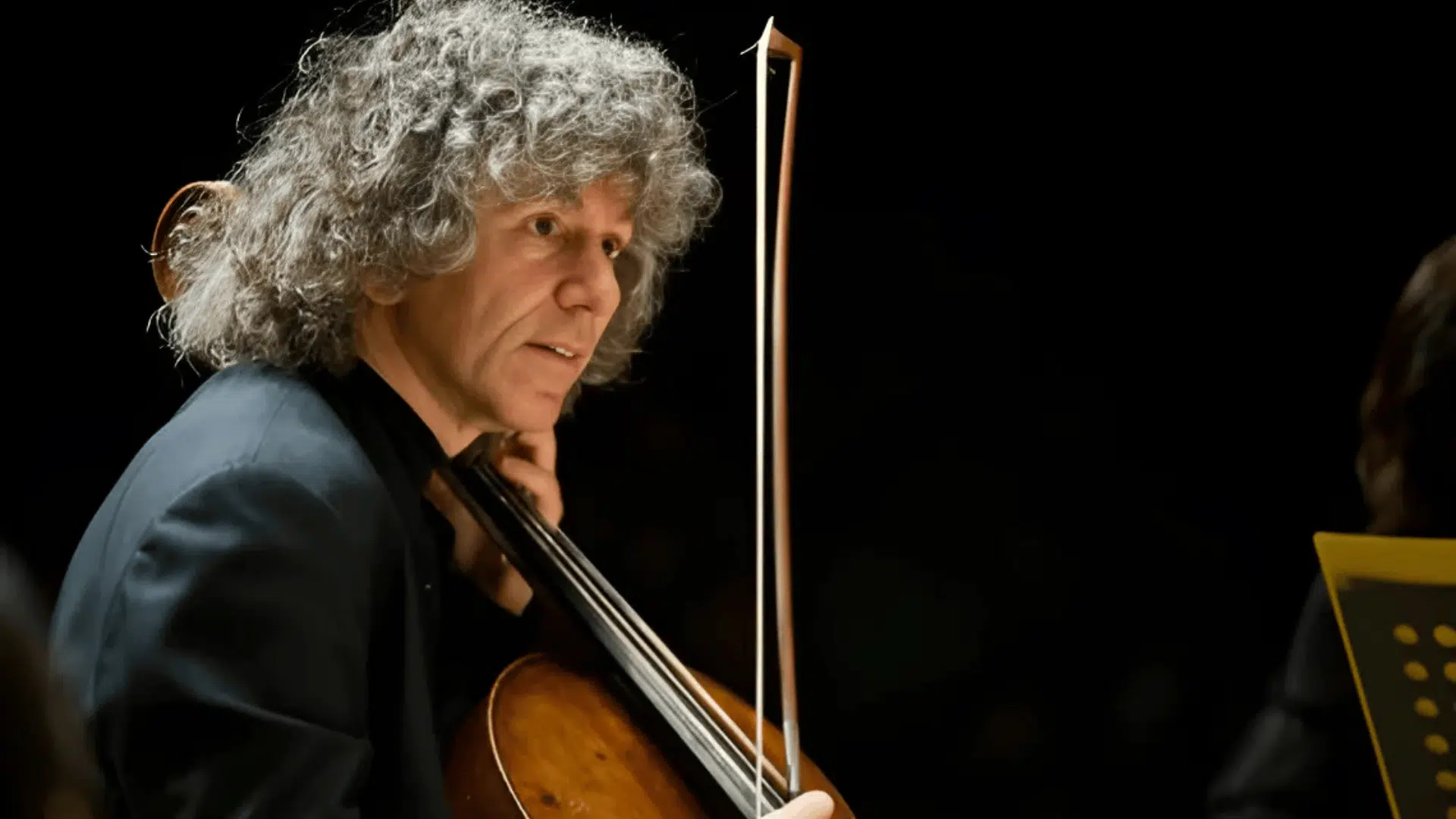
Steven Isserlis does more than play the cello beautifully; he also writes books about music and teaches people about composers who aren’t well known.
He’s particularly good at finding forgotten pieces and bringing them back to life. Isserlis shows that being a great musician means being curious about music history and sharing that knowledge with others.
What stands out about Steven Isserlis is his ability to connect deeply with audiences, blending emotional performance with insightful storytelling that brings classical music to life for modern listeners.
8. Pierre Fournier
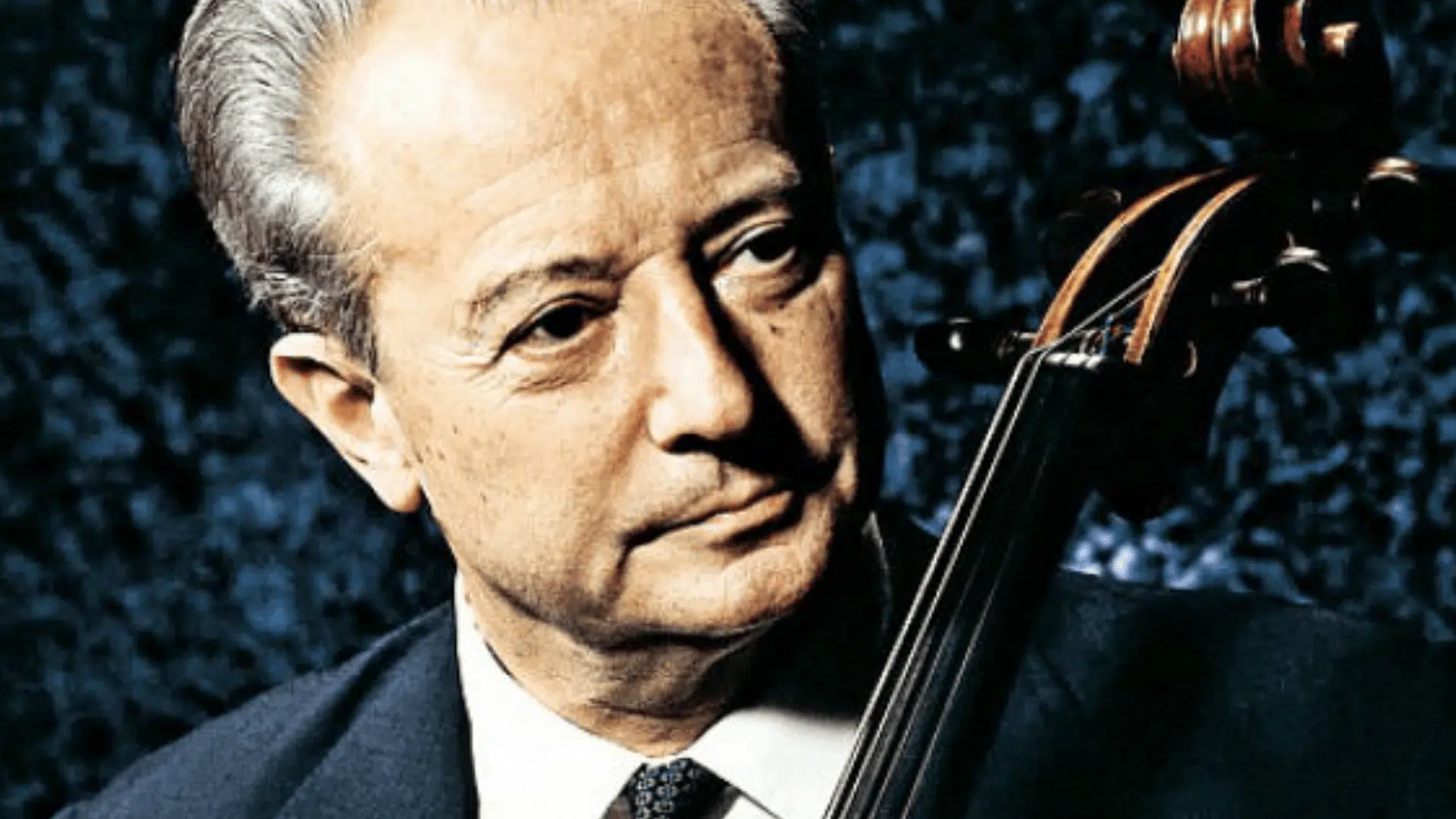
Pierre Fournier was known as the “Aristocrat of Cellists” because of his refined and graceful playing style. He never played a note that wasn’t perfectly placed and beautifully shaped.
His performances were always polished and classy, showing that the cello could be both powerful and subtle. Fournier set a standard for musical excellence that many cellists continue to strive to match.
What stands out about Pierre Fournier is his classiness and aristocratic style.
9. Lynn Harrell
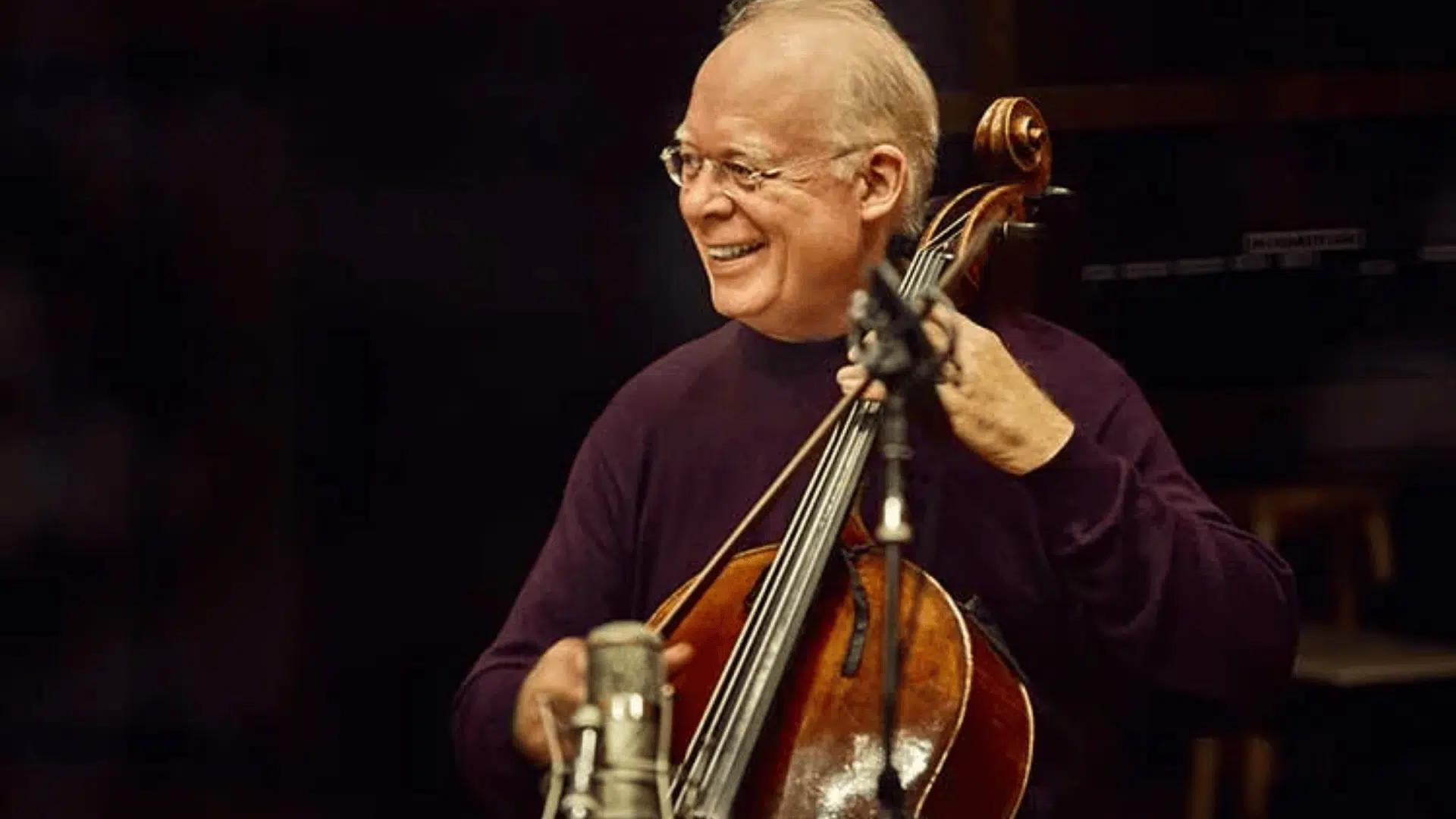
Lynn Harrell had one of the most recognizable cello sounds in classical music. He played a famous old cello made by Montagnana, and together they created a rich, commanding tone that filled any concert hall.
Harrell was also a principal cellist with the Cleveland Orchestra before becoming a full-time soloist, giving him deep experience in both solo and ensemble playing.
What stands out about Lynn Harrell is his commanding, resonant tone.
10. Sol Gabetta
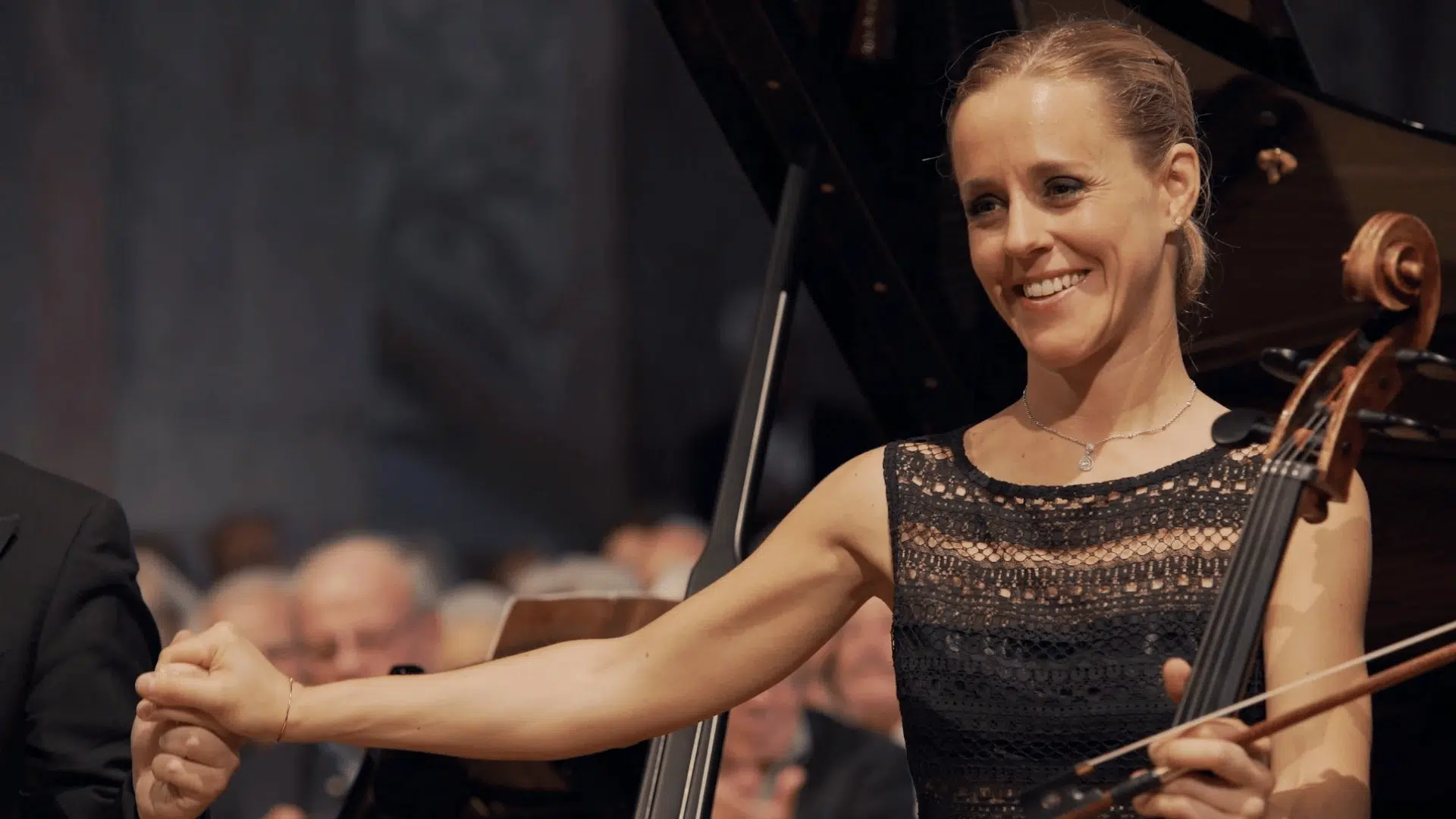
Sol Gabetta represents the new generation of classical musicians. This Argentinian cellist brings fresh energy and modern appeal to classical music. Her performances are both technically brilliant and emotionally engaging.
She shows that classical music isn’t old-fashioned, it’s alive and exciting when played by passionate musicians.
What stands out about Sol Gabetta is her ability to energize modern audiences.
11. Anner Bylsma
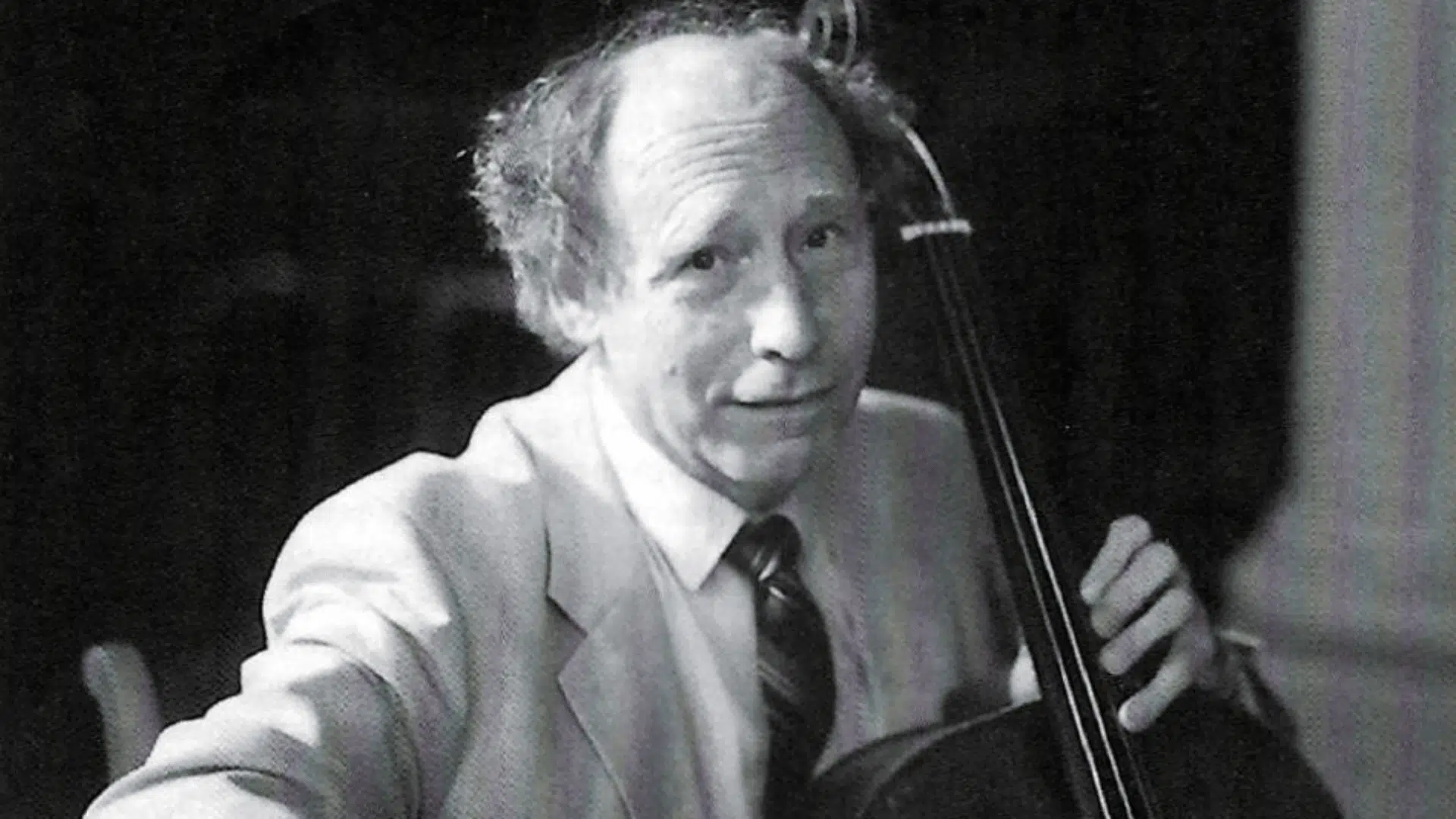
Anner Bylsma studied historical performance practices and used period instruments to play music the way it would have sounded hundreds of years ago.
This approach gave us new insights into familiar pieces and showed that there’s always more to learn about great music.
What stands out about Anner Bylsma is his authentic Baroque interpretations.
12. Alisa Weilerstein
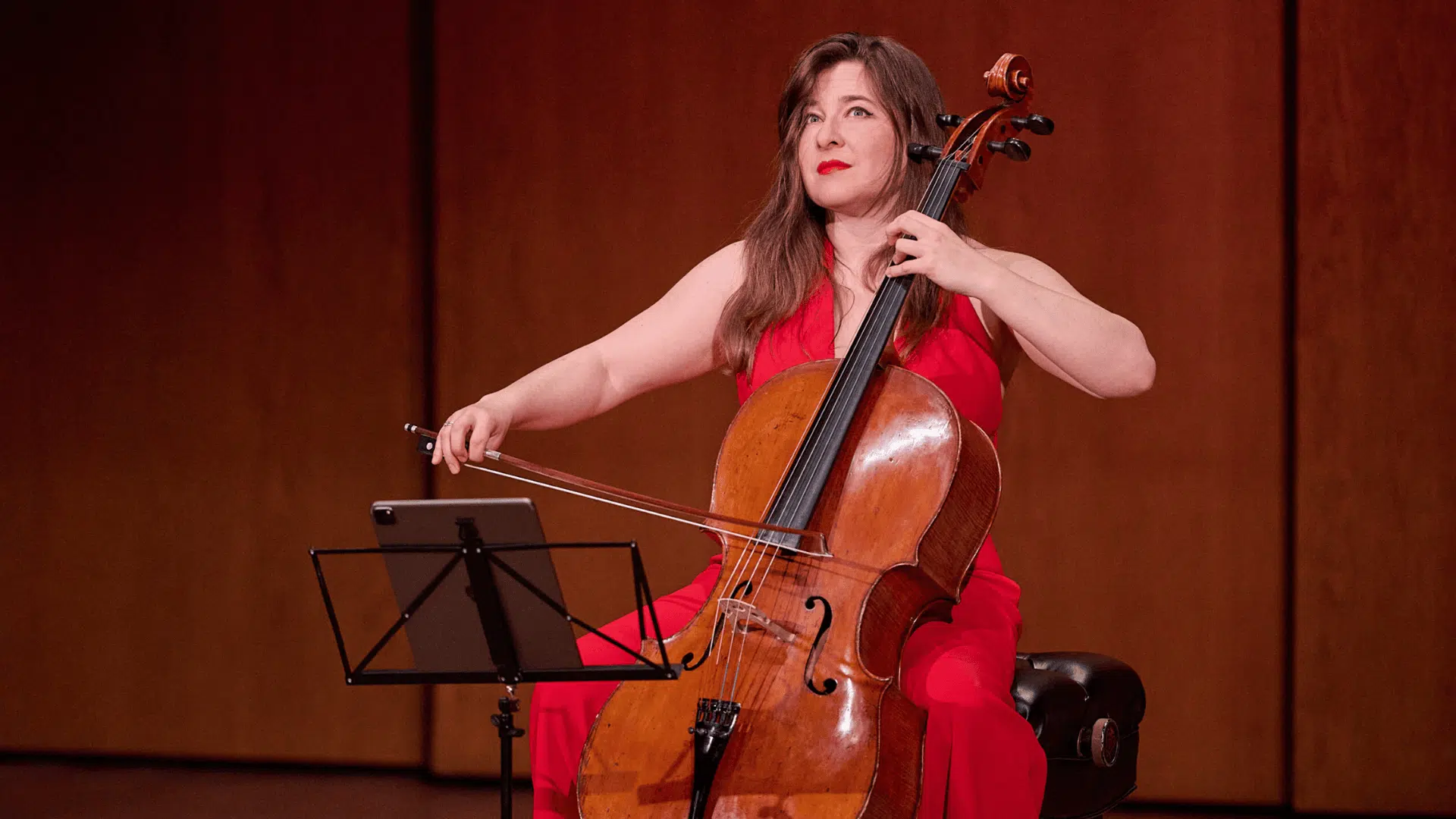
Alisa Weilerstein won a MacArthur “Genius Grant” for her innovative approach to the cello. Her performances are intense and dramatic, and she’s not afraid to take risks with her interpretations.
She also champions new music, working with living composers to create pieces that push the cello into new territory.
What stands out about Alisa Weilerstein is her bold, risk-taking artistry.
13. Heinrich Schiff
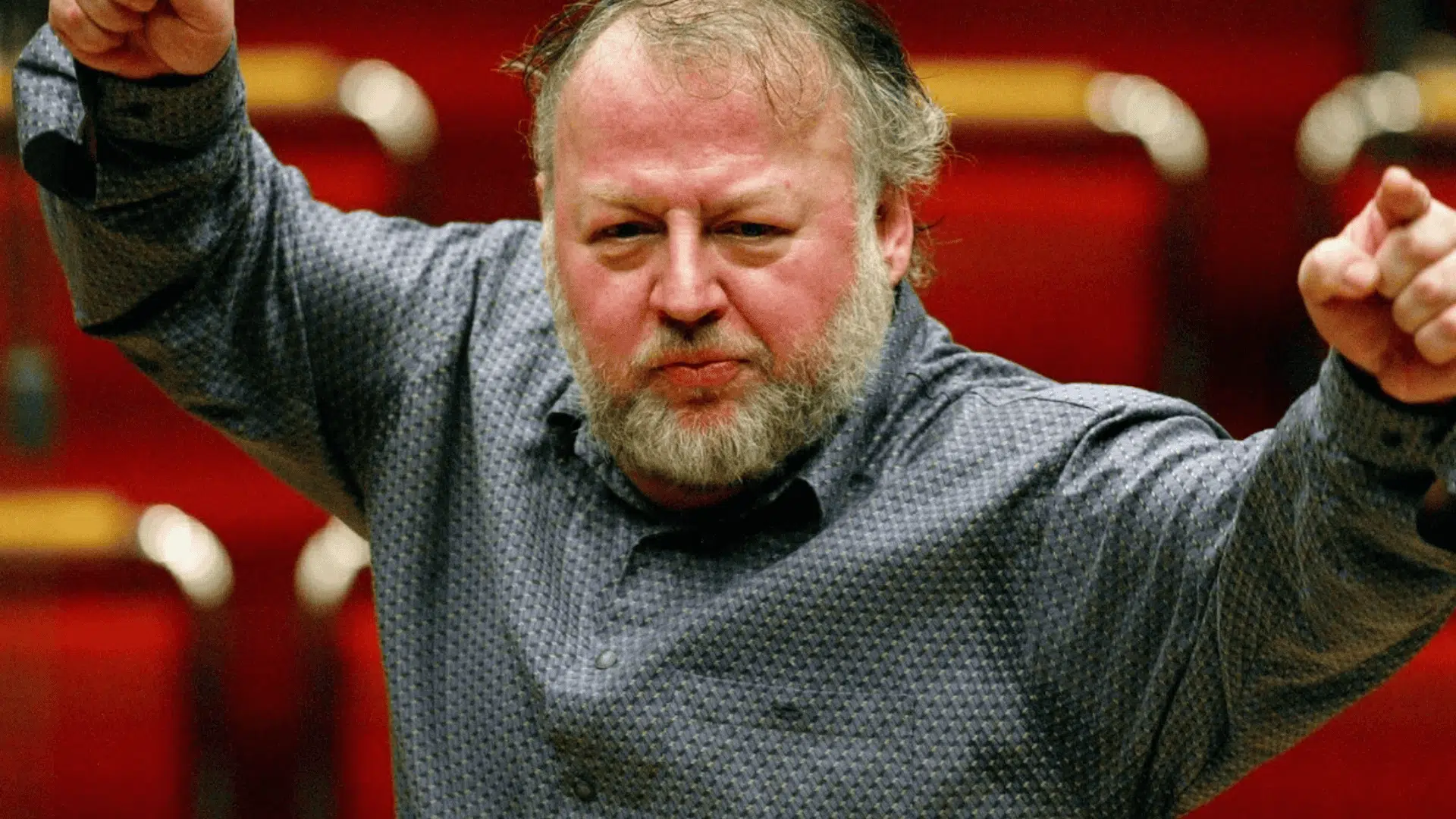
Heinrich Schiff was both a great cellist and a skilled conductor. He specialized in contemporary music, showing that the cello has an important place in modern compositions.
His dual career proved that great musicians can excel in multiple areas and help shape the future of classical music.
What stands out about Heinrich Schiff is his dual impact as performer and conductor.
14. Janos Starker
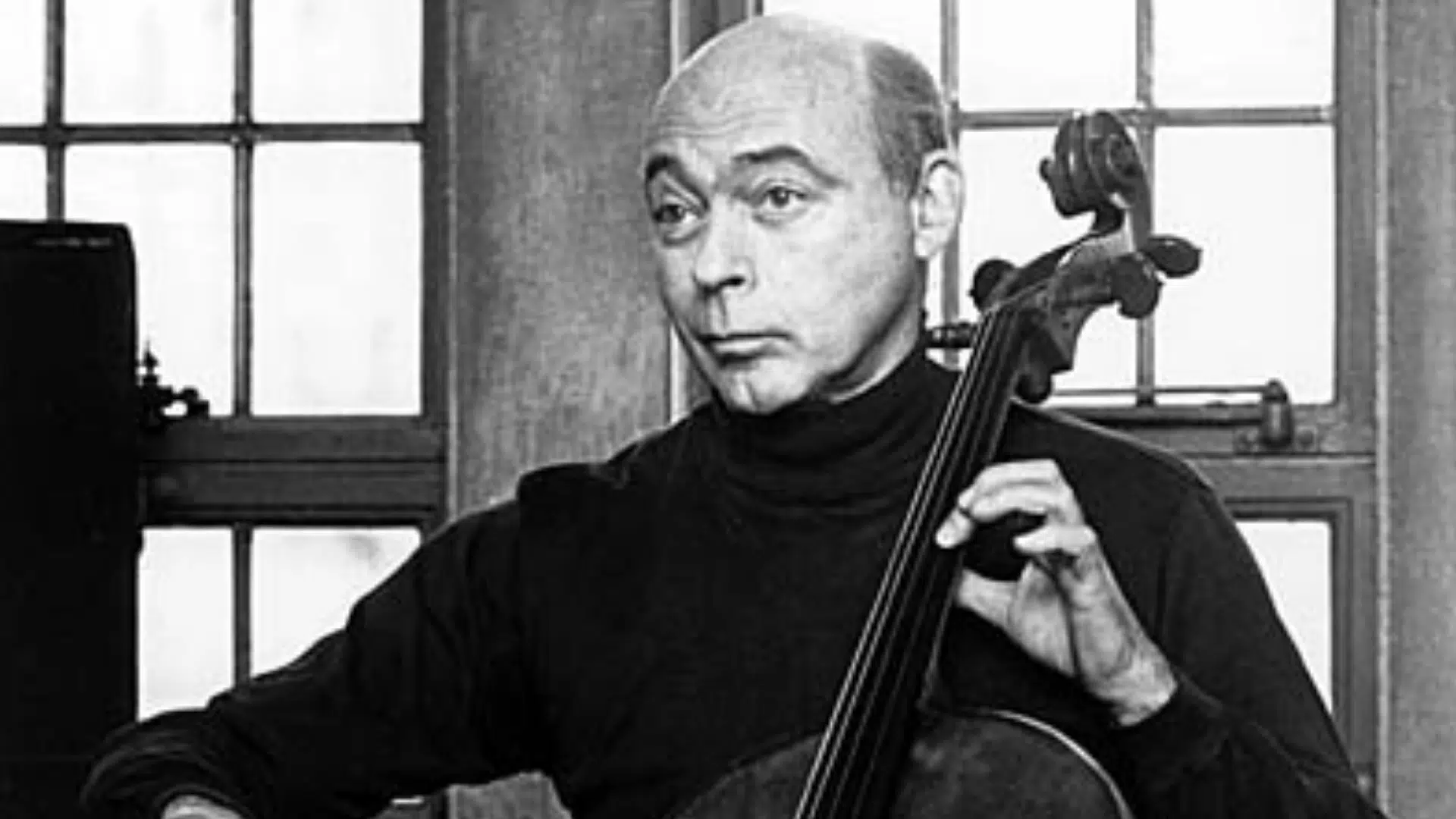
Janos Starker was known for his incredible precision and technical perfection. He was also a beloved teacher who trained many successful cellists.
His recordings set standards for how cello music should sound, and his teaching methods are still used in music schools around the world.
What stands out about Janos Starker is his unmatched precision and teaching legacy.
15. Natalia Gutman
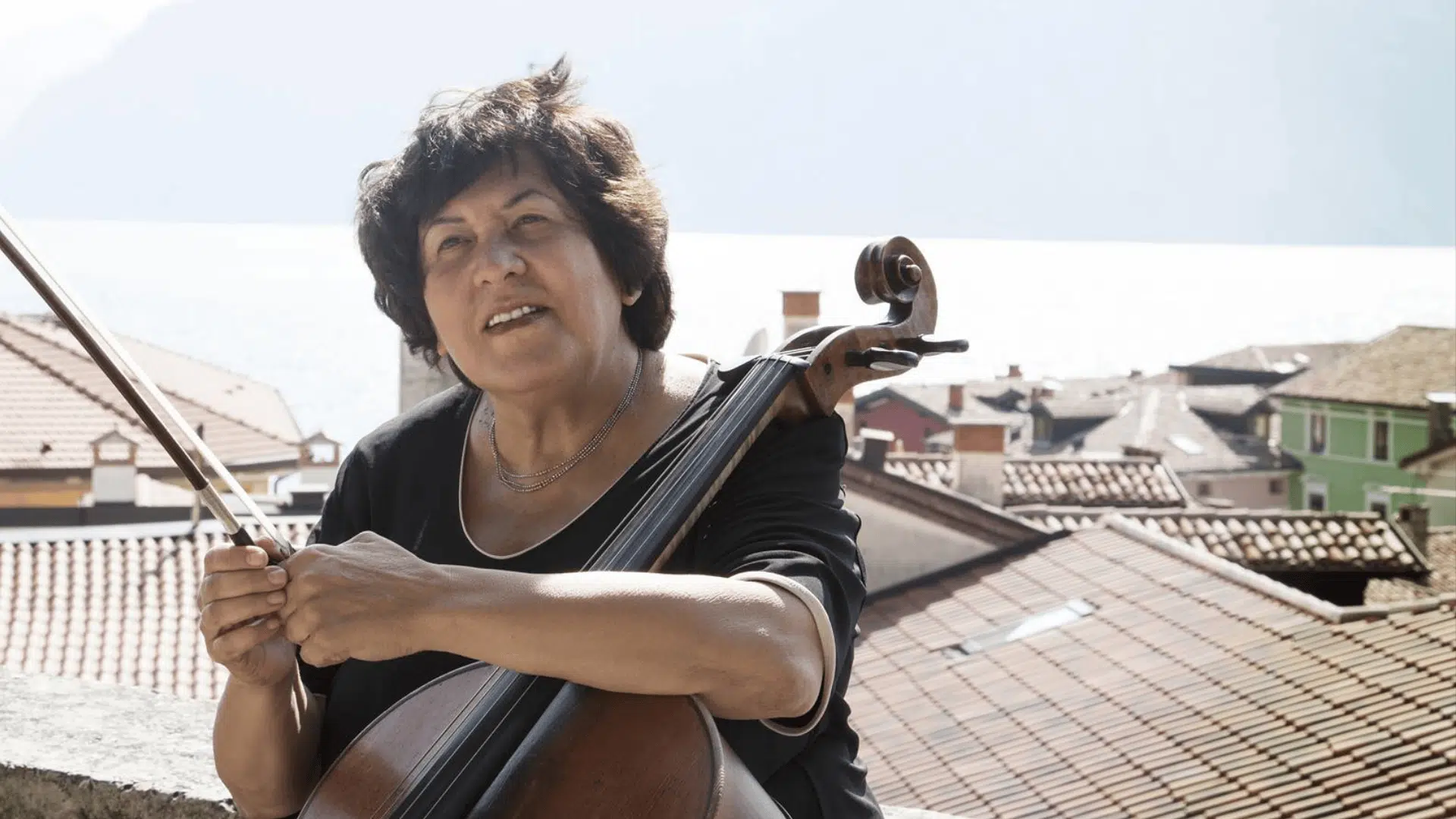
Natalia Gutman earned the nickname “Queen of the Cello” in Russia. She was particularly famous for her performances of Shostakovich’s music, bringing a deep understanding of Russian musical culture to her playing.
Her powerful presence on stage made every performance memorable.
What stands out about Natalia Gutman is her powerful connection to Russian repertoire.
16. Gregor Piatigorsky
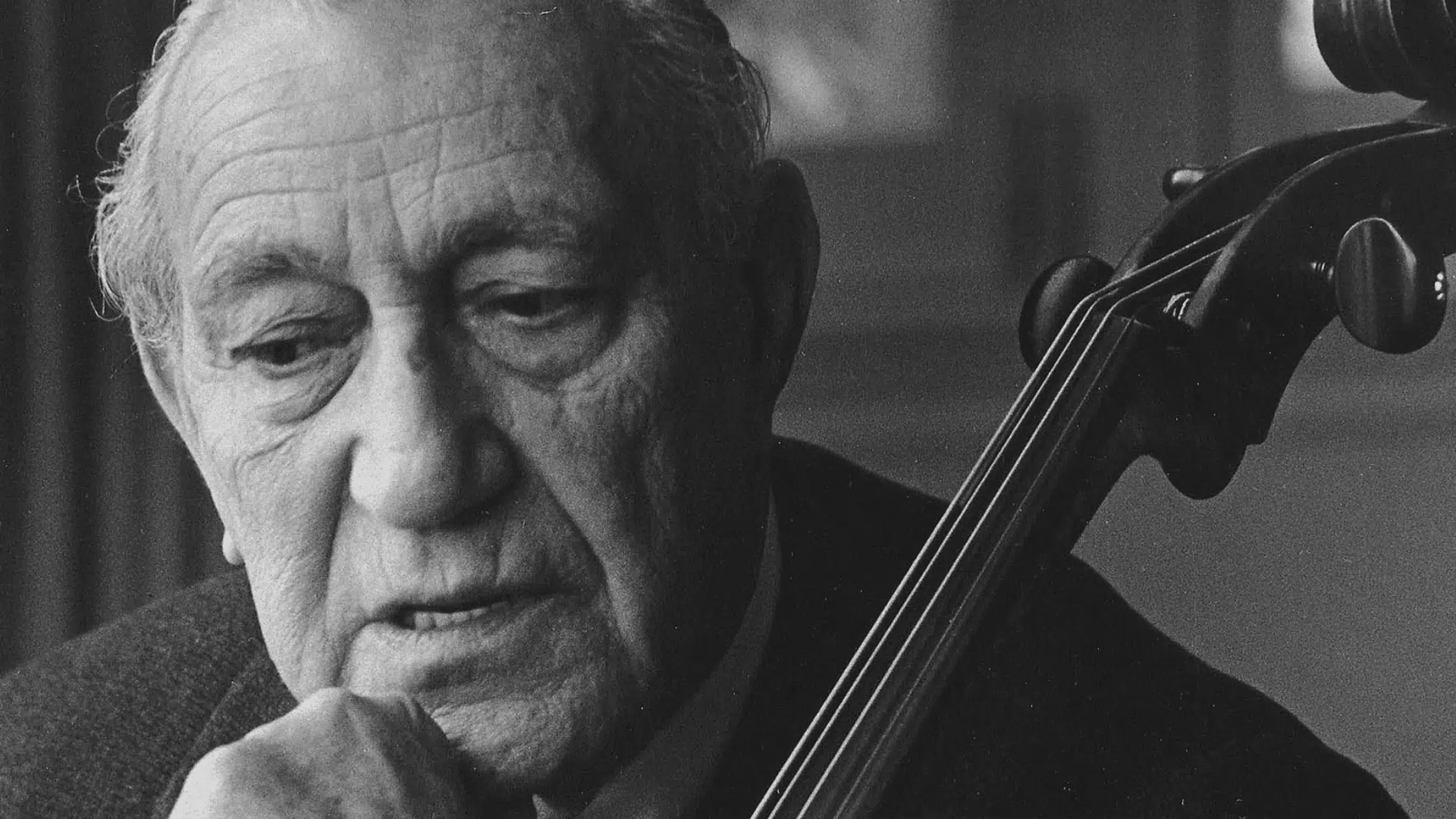
Gregor Piatigorsky had a warm personality that came through in his playing. He made the cello seem friendly and approachable, helping to make classical music more popular with general audiences.
His charm and musical skill made him one of the most beloved cellists of the mid-20th century.
What stands out about Gregor Piatigorsky is his charisma and accessibility.
17. Truls Mørk
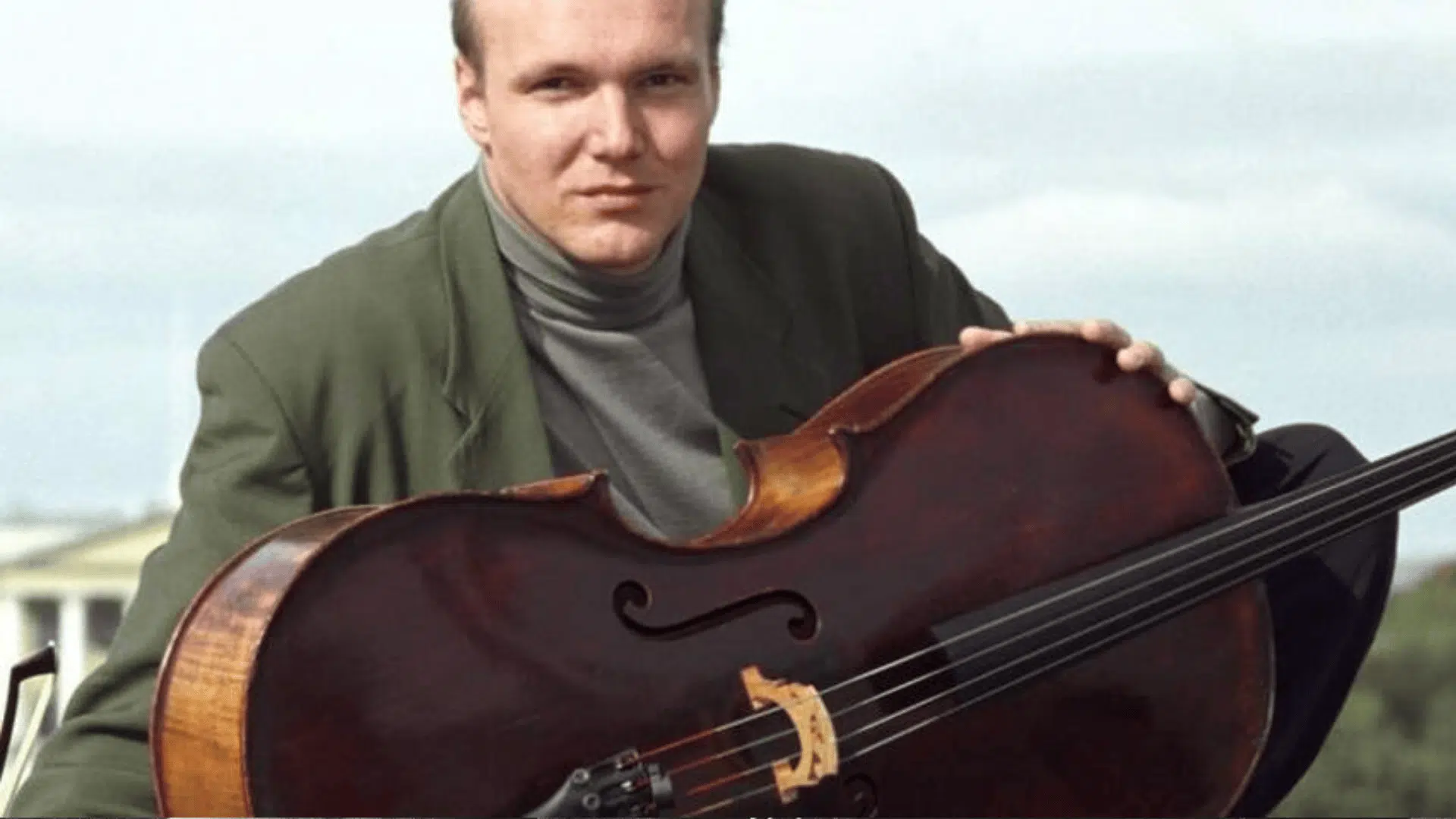
Truls Mørk from Norway is known for his emotional interpretations, especially of Scandinavian music. He brings a Nordic sensibility to his playing that feels both intimate and grand.
His success in international competitions helped establish him as one of the leading cellists of his generation.
What stands out about Truls Mørk is his evocative Scandinavian style.
18. Mario Brunello
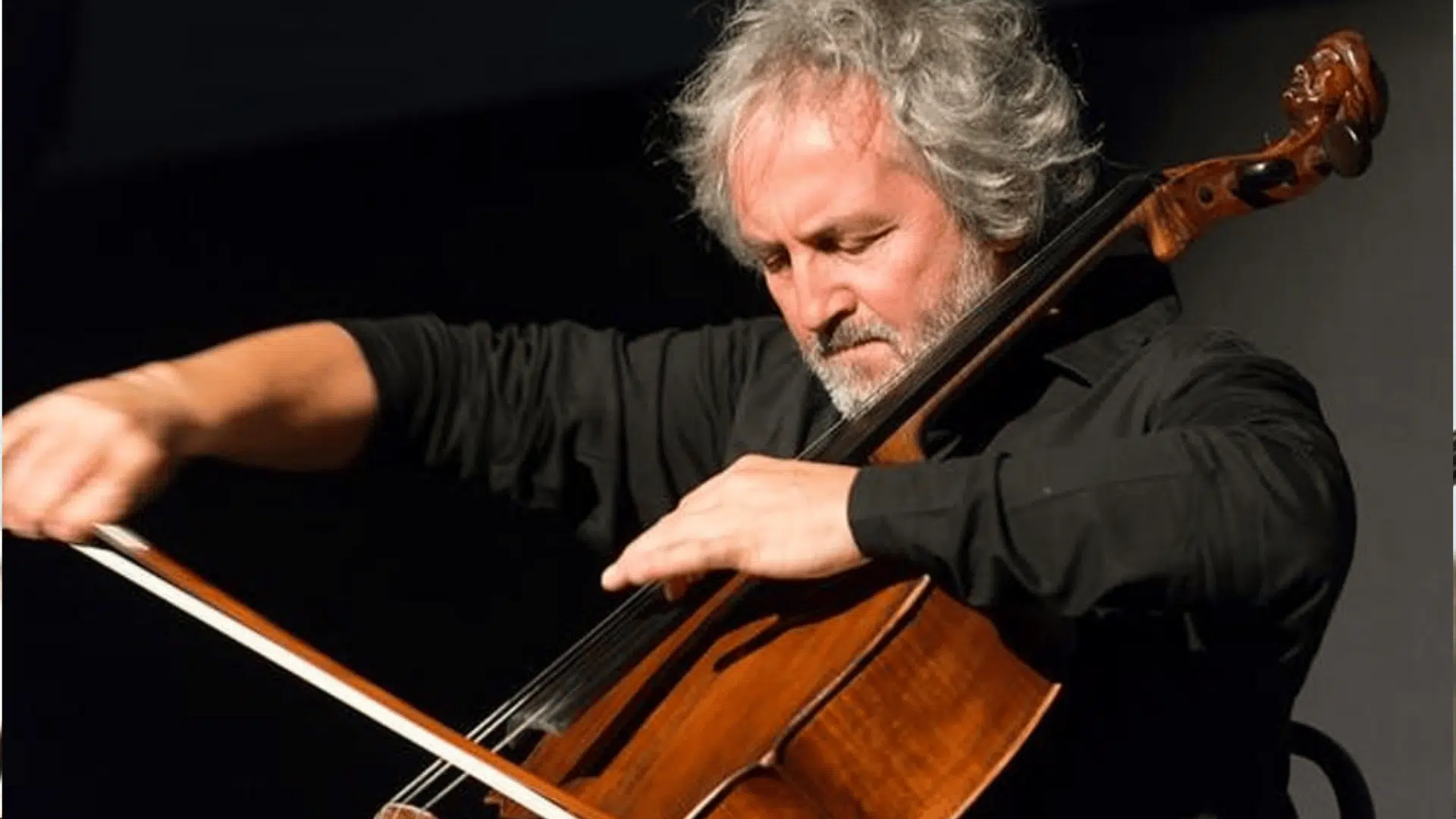
Mario Brunello shows how classic the cello can be. This Italian musician performs a diverse range of music, from Baroque to contemporary pieces, and occasionally ventures into other genres.
He proves that great cellists don’t have to limit themselves to one type of music.
What stands out about Mario Brunello is his classiness across genres.
19. Gautier Capuçon
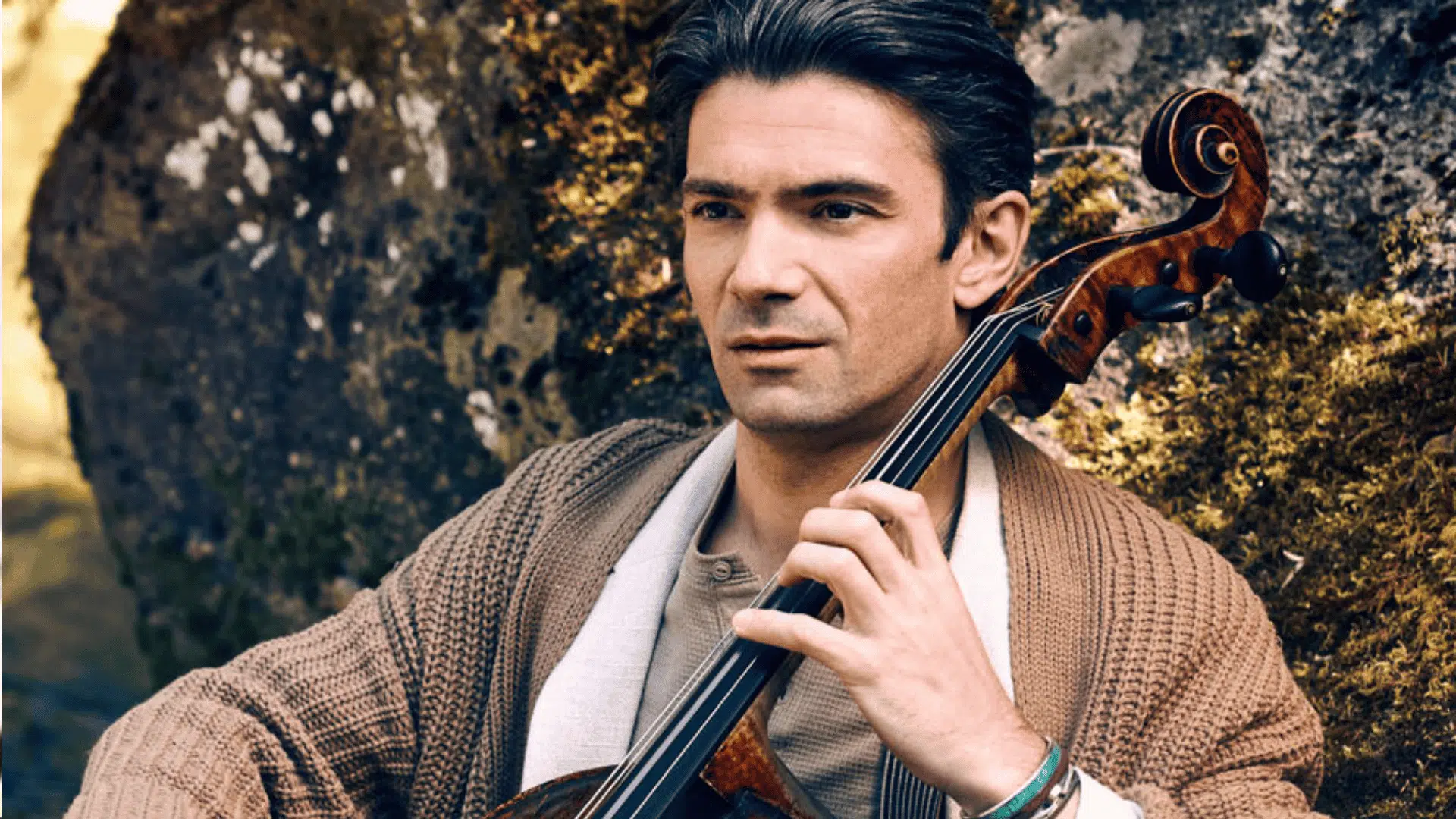
Gautier Capuçon brings youthful energy and French style to classical music. He often performs with his brother, who is a violinist, creating beautiful family music-making.
His charismatic stage presence and excellent playing make him popular with audiences around the world.
What stands out about Gautier Capuçon is his stage charisma and French flair.
20. Daniel Müller-Schott
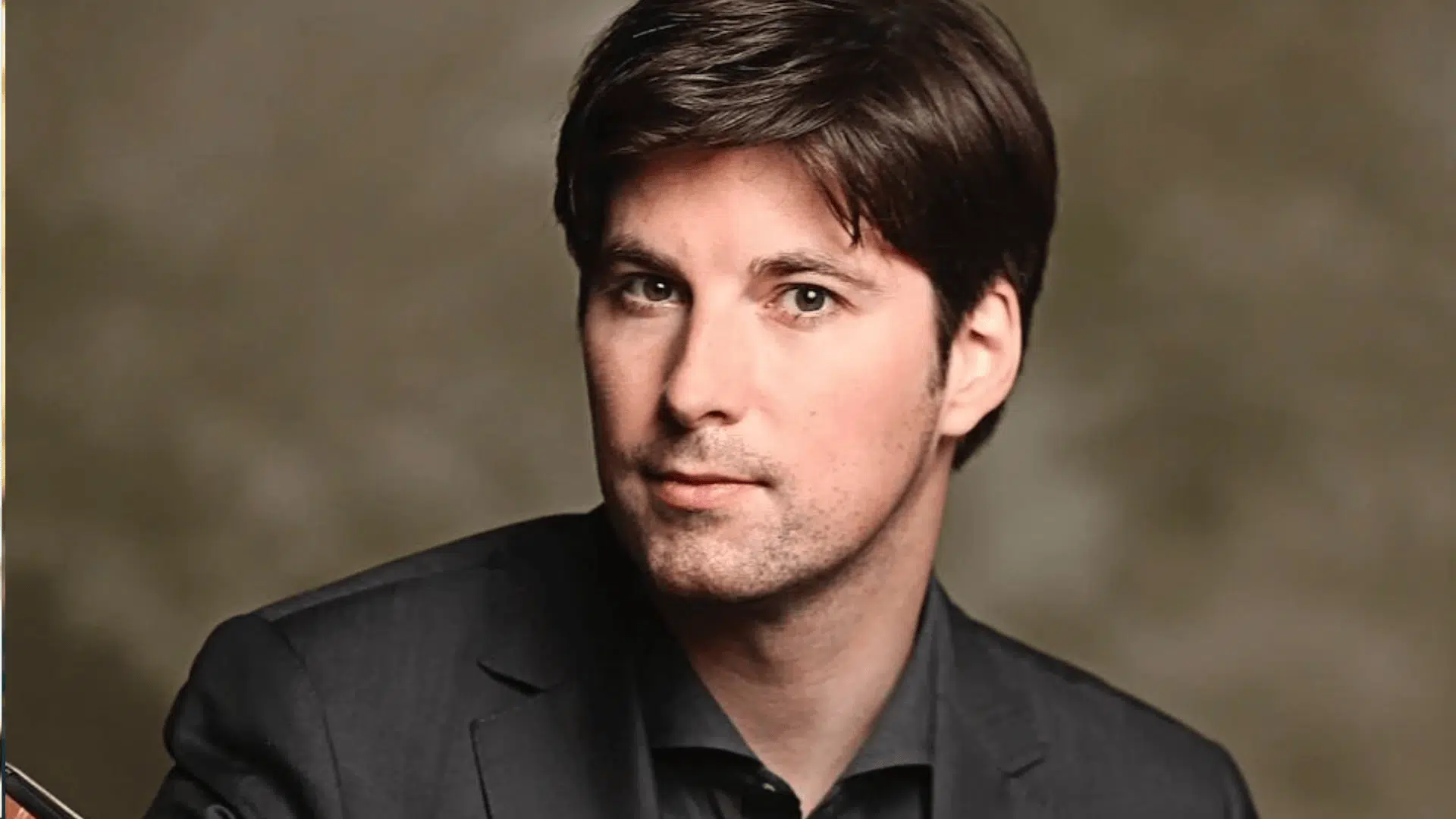
Daniel Müller-Schott represents the modern approach to cello playing. This German virtuoso regularly premieres new pieces, helping to expand the cello repertoire.
He shows that classical music must keep growing and changing to stay relevant.
What stands out about Daniel Müller-Schott is his commitment to modern repertoire.
21. Sheku Kanneh-Mason
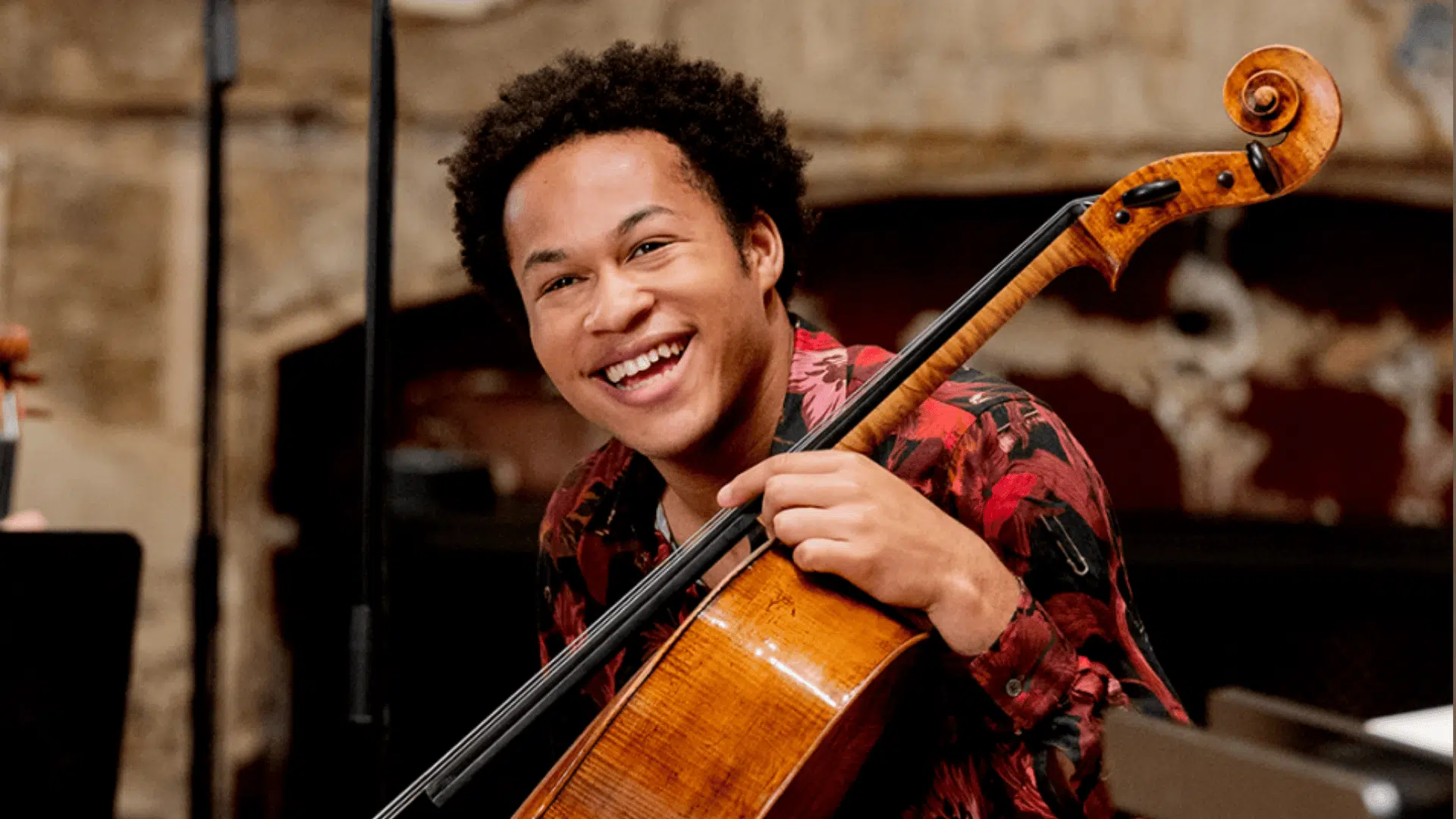
Sheku Kanneh-Mason became famous when he played at Prince Harry and Meghan Markle’s wedding, but his talent goes far beyond that moment.
He connects with young audiences and shows them that classical music can be exciting and relevant. His success proves that the cello has a bright future with the next generation.
What stands out about Sheku Kanneh-Mason is his role in inspiring younger audiences.
The Lasting Impact of Famous Cellists
Famous cellists have shaped not only the sound of the instrument but also influenced culture, education, and the way we connect with music. Their impact continues to inspire generations of musicians and listeners alike.
- Reviving classics: Casals restored Bach’s forgotten Cello Suites.
- Expanding repertoire: Rostropovich premiered groundbreaking works.
- Inspiring audiences: Yo-Yo Ma bridged cultures through music.
- Teaching legacies: Many passed their artistry to new generations.
- Driving Change: Cellists Used Music to Stand for Peace and Justice.
The influence of these remarkable musicians extends far beyond their performances. They’ve ensured the cello remains not just relevant, but classic.
Final Thoughts
These famous cello players represent centuries of musical excellence and innovation.
From Pablo Casals reviving Bach’s forgotten works to Sheku Kanneh-Mason inspiring young musicians today, each artist brought something unique to the cello.
They came from different times and places but shared a remarkable ability to make the cello sing with their own voice. Their recordings continue to inspire new generations of music lovers.
Some focused on technical mastery, others on emotional depth, but all combined both beautifully.
To truly appreciate the cello’s power, listen to these masterpieces – they show us that great artists can make the cello speak directly to the soul.
Which of these legendary cellists inspires you the most? Share your thoughts in the comments below!