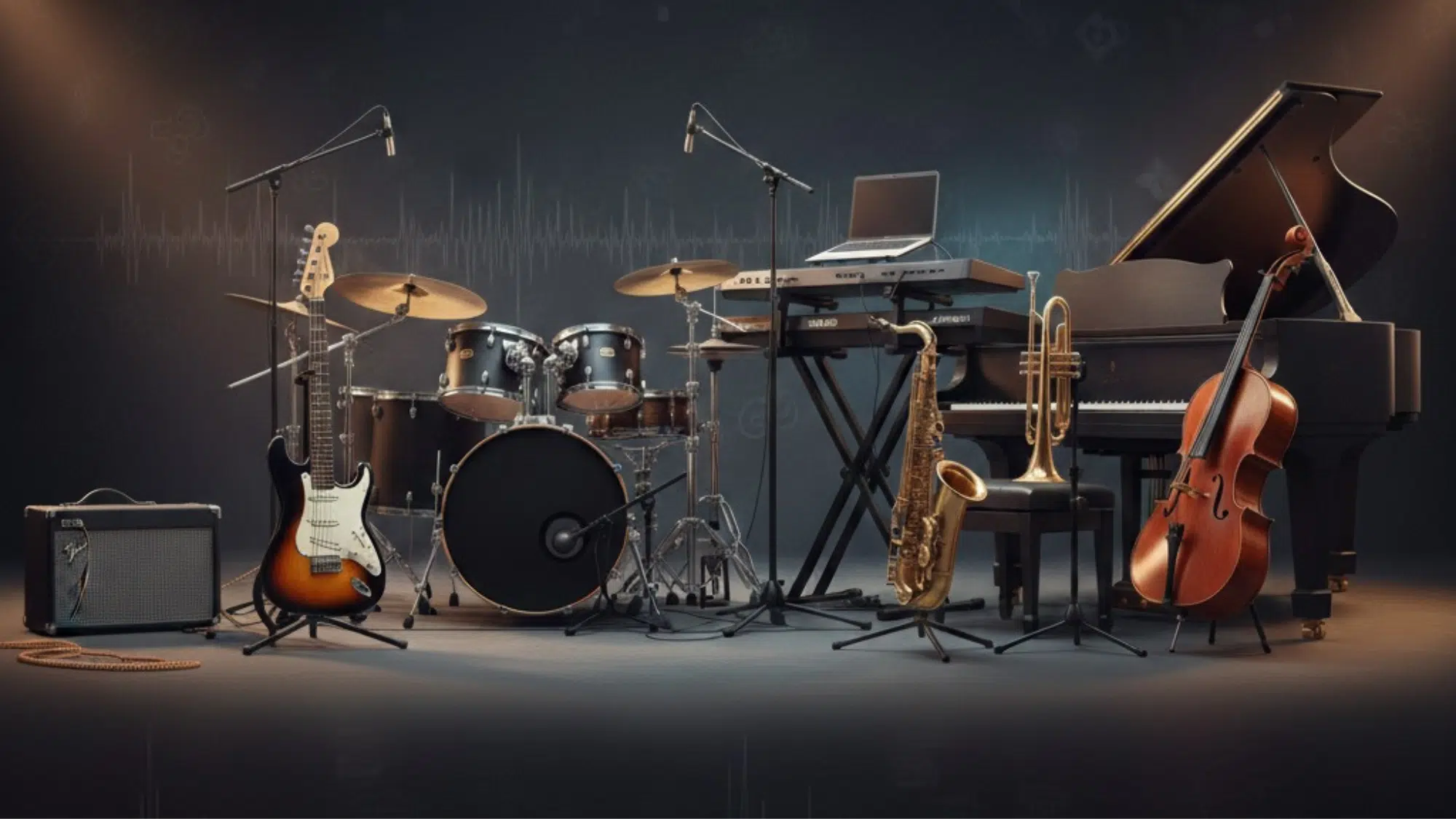

Music is everywhere. It’s in our headphones during morning commutes, playing softly in coffee shops, and blasting at concerts.
But how much do we really know about it? Beyond the melodies we hum and the lyrics we memorize, music has a hidden world of strange science, odd history, and unexpected connections to our daily lives.
From ancient flutes carved out of bone to modern songs that can actually change your heart rate, music is full of surprises. These music facts will change how you think about the songs you love.
Some will make you laugh, others will genuinely surprise you, and a few might just win you your next trivia night.
The Science Behind the Sound
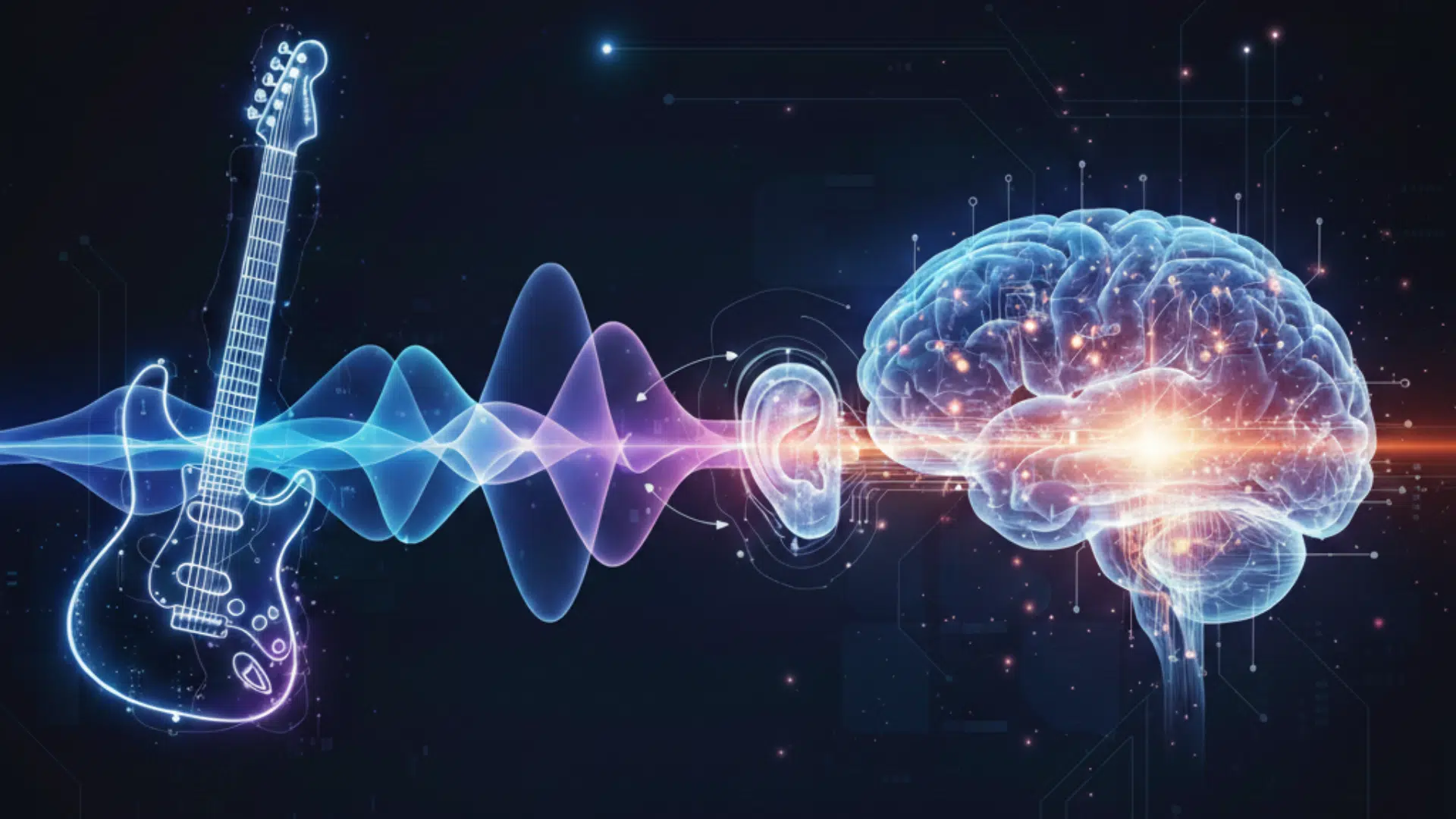
The Science Behind The Sound is a quick look at how music works under the hood: vibrations, frequency, pitch, and volume, plus how our ears and brain turn waves into something we feel and remember.
1. Your Heartbeat Syncs With Music
Your heartbeat can actually sync up with the tempo of the music you’re listening to. Studies show that listening to faster music increases your heart rate, while slower music lowers it. This is why hospitals sometimes use music therapy to help patients relax before surgery.
2. The Mozart Effect Is Mostly a Myth
The “Mozart Effect” you’ve heard about? It’s mostly a myth. While listening to classical music might temporarily improve your mood and focus, it won’t make you permanently smarter. The original 1993 study was small, and its findings were later exaggerated by the media.
3. Loud Music Makes You Drink Faster
Loud music can make you drink faster. A French study found that when bars played music at higher volumes, patrons finished their drinks more quickly.
The noise level was directly linked to drinking speed, which explains why nightclubs keep the volume cranked up.
4. Music Triggers the Same Response as Falling in Love
Music releases dopamine in your brain, the same chemical released when you eat good food or fall in love. That chill you get when your favorite song hits just right? That’s a dopamine surge.
Brain scans show that listening to music you love lights up the same reward centers as other pleasurable activities.
5. Plants Might Actually Respond to Music
Claims that plants respond to music are still debated. Some studies suggest plants may react to sound vibrations, but that is not the same as proving they “enjoy” music.
Other factors, like airflow, vibration, or carbon dioxide, may affect results. Most scientists treat this as an interesting idea, not a settled fact.
Historical Music Oddities
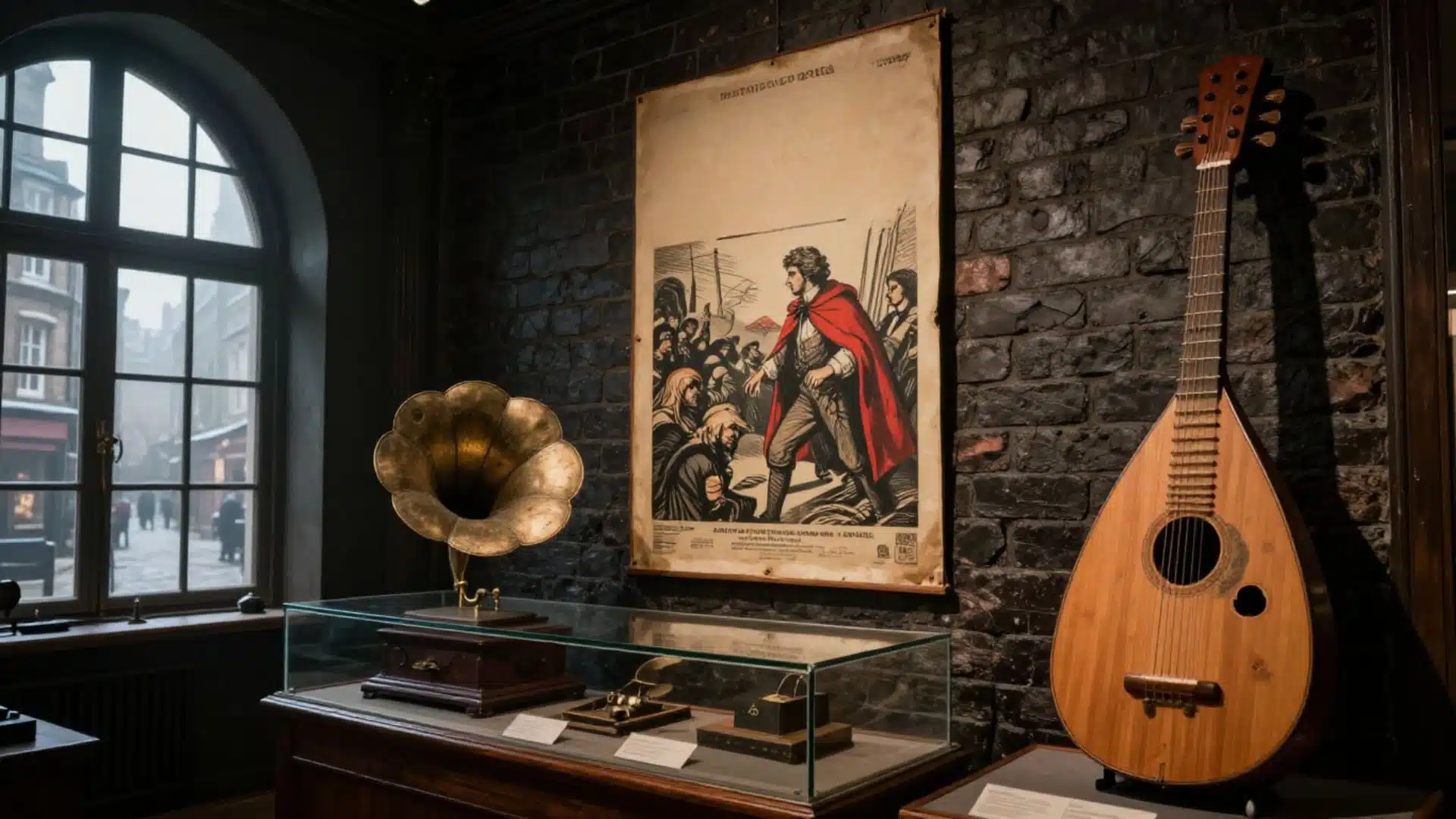
Historical Music Oddities is a collection of strange, true stories from music history, from lost songs and unusual instruments to banned performances and forgotten formats that shaped how people heard music.
6. The Oldest Musical Instrument Is 40,000 Years Old
The oldest known musical instrument is a flute made from a vulture bone, found in Germany. It’s over 40,000 years old, proving that humans have been making music since prehistoric times. Our ancestors were crafting instruments before they built permanent settlements.
7. “Happy Birthday” Was Under Copyright Until 2016
“Happy Birthday to You” was under copyright until 2016. For decades, restaurants and venues technically owed royalties every time they sang it publicly. Warner Music claimed to own the rights and collected about $2 million annually until a court ruled the copyright invalid.
8. MTV’s First Video Had Perfect Irony
The first music video ever aired on MTV was “Video Killed the Radio Star” by The Buggles in 1981. The irony wasn’t lost on anyone. A song about new technology replacing old media was used to launch a new medium that would change music forever.
9. Ancient Greeks Used Music as Medicine
The ancient Greeks believed that music could heal both body and mind. They used specific musical modes to treat different ailments. The philosopher Pythagoras developed early music therapy techniques, prescribing certain melodies to cure specific diseases.
10. National Anthems Have Wild Length Differences
Monaco’s national anthem is one of the shortest in the world, lasting only about 22 seconds. In contrast, Greece has the longest, with 158 stanzas, though typically only the first two are performed.
Music Hooks Your Brain
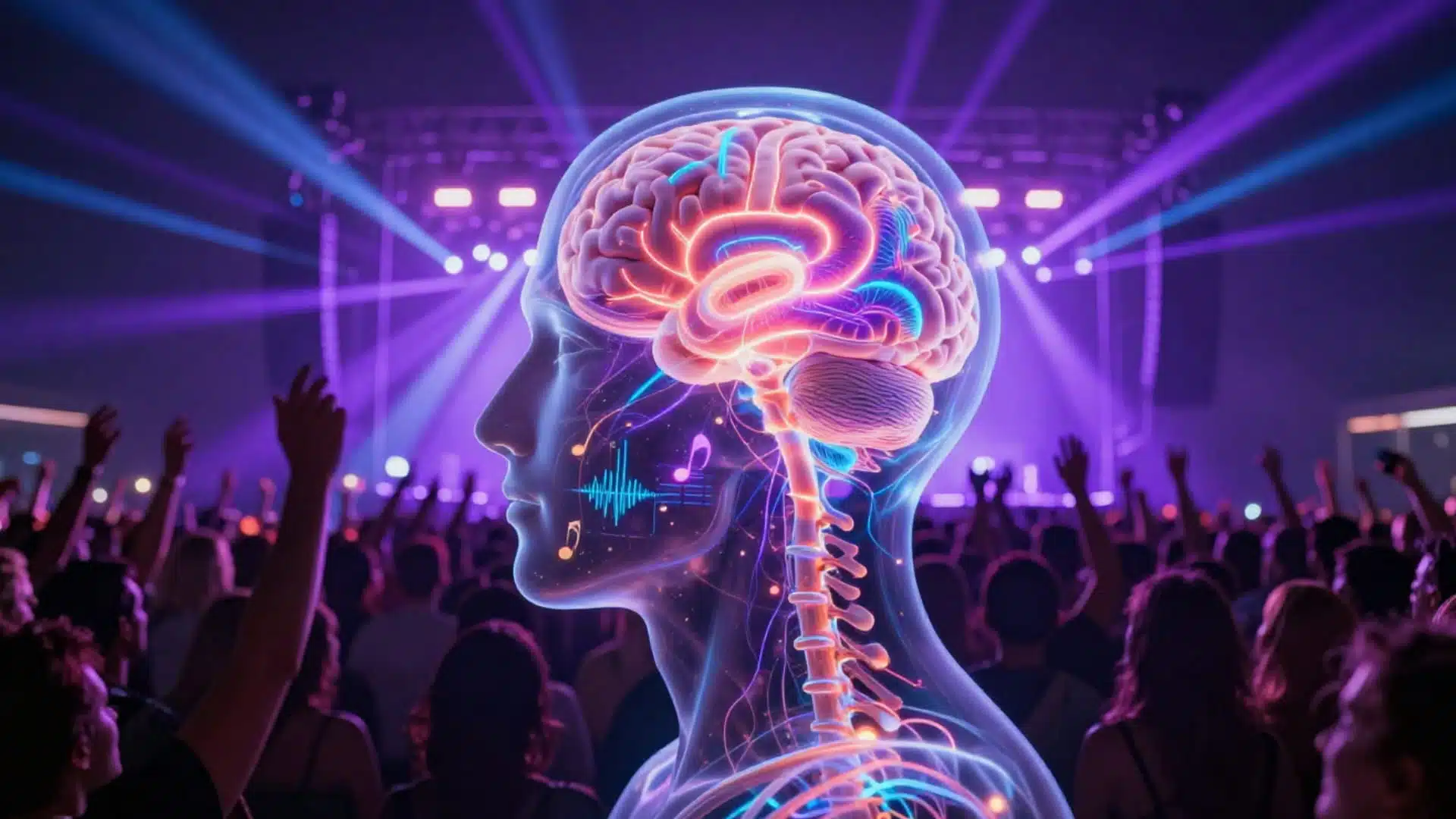
Music Hooks Your Brain is a quick look at what happens when you hit play: why a chorus repeats in your head, how rhythm can shift your breathing and energy, why songs you know feel more powerful, and how music links moments to emotion through memory.
11. Musicians Have Physically Different Brains
Musicians’ brains are physically different from non-musicians’ brains. MRI scans show that people who play instruments have larger gray matter volumes and stronger connections between the hemispheres of the brain. Learning an instrument literally changes your brain structure.
12. Why Songs Get Stuck in Your Head
Earworms, those songs that get stuck in your head, affect about 90% of people at least once a week. Your brain creates these loops when it tries to complete incomplete musical memories. Songs with repetitive, simple melodies are most likely to become earworms.
13. You Can’t Read While Listening to Lyrics
You can’t actually multitask while listening to music with lyrics. Research shows that when you try to read or write while listening to songs with words, your brain struggles to process both language inputs simultaneously. Instrumental music, however, can help you focus.
14. Some People Are Wired for Musical Chills
People who experience frisson, those goosebumps or chills from music, may have different brain structures. Studies suggest these people have more neural connections between their auditory cortex and emotional processing centers.
15. Music Makes You Exercise Harder
Listening to music while exercising can improve your endurance by up to 15%. Music distracts your brain from fatigue signals and helps you push harder during workouts. The right tempo can even improve your running pace.
Strange Instrument Facts
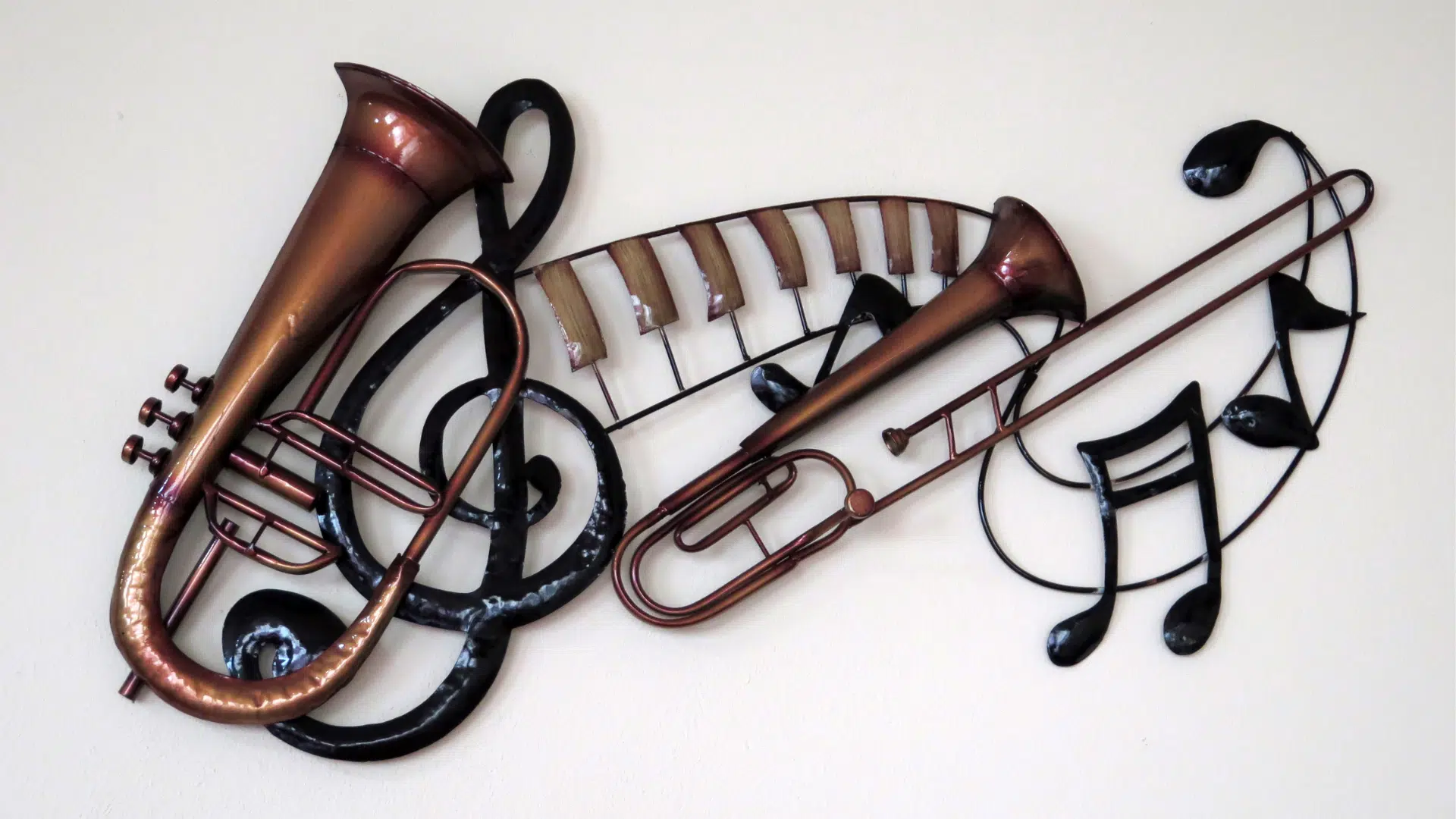
Strange Instrument Facts rounds up unusual, real-world details about instruments, including odd materials, rare designs, extreme sizes, and the unexpected ways some instruments produce sound.
16. Violin Strings Were Made From Sheep Guts
Violin strings used to be made from sheep intestines, called catgut. Despite the name, they never actually used cat intestines. Today, most strings are made from synthetic materials, though some classical musicians still prefer gut strings for their warm tone.
17. The Saxophone Inventor Survived Multiple Assassination Attempts
Adolphe Sax, inventor of the saxophone, lived through several serious accidents and faced strong opposition from rival instrument makers.
However, claims that people tried to assassinate him are speculative and not clearly proven. A more accurate version is that he had an unusually accident-filled life while also dealing with intense professional conflict.
18. Stradivarius Violins Cost Millions But Aren’t Provably Better
A Stradivarius violin can cost over $15 million. These instruments, crafted by Antonio Stradivari in the 17th and 18th centuries, are prized for their supposedly superior sound.
However, blind listening tests show that many professional violinists can’t distinguish them from modern instruments.
19. The Theremin Is Played Without Touching It
The theremin is the only instrument you play without touching it. Invented in 1920, it uses electromagnetic fields that respond to hand movements. You’ve heard it in sci-fi movie soundtracks and The Beach Boys’ “Good Vibrations.”
20. Pianos Started With Only 60 Keys
A standard piano has 88 keys, but the original pianos only had 60. As composers wrote more complex pieces demanding wider ranges, manufacturers kept adding keys. The 88-key standard was established around 1880.
Record-Breaking Music Moments

Record-Breaking Music Moments covers true, headline-worthy milestones in music, from longest songs and biggest crowds to rare sales, chart feats, and unusual “firsts” that made history.
21. The Longest Officially Released Song Has Changed
The title of the longest officially released song no longer belongs to the older 13-hour example often repeated online.
Guinness World Records now recognizes a much longer work by Dr. Jagadeesh Pillai, running 138 hours, 41 minutes, and 20 seconds. That makes the older fact outdated and no longer correct today.
22. Michael Jackson’s “Thriller” Remains Unbeaten
The best-selling album of all time is Michael Jackson’s “Thriller,” with estimated sales of 70 million copies worldwide. Released in 1982, it spent 37 weeks at number one and won eight Grammy Awards in a single night.
23. Fastest Guitarist Claims Are Disputed
Fastest guitarist claims are difficult to treat as an absolute fact because different methods and measurements produce different results.
John Taylor has been linked to speed records, but simple lines like “10 notes per second” can be misleading. A safer version is that guitar speed records exist, but many of them are debated.
24. The Biggest Concert Drew 3.5 Million People
The largest music concert ever held was Rod Stewart’s free concert on Copacabana Beach in 1994, which drew 3.5 million people. The crowd stretched for miles along the beach, and the event made it into the Guinness World Records.
25. A Performance That Won’t End Until 2640
A single performance of John Cage’s composition “As Slow As Possible” began in 2001 and won’t finish until 2640. The piece is being performed on an organ in Germany, with notes changing every few months or even years.
Music Around the World
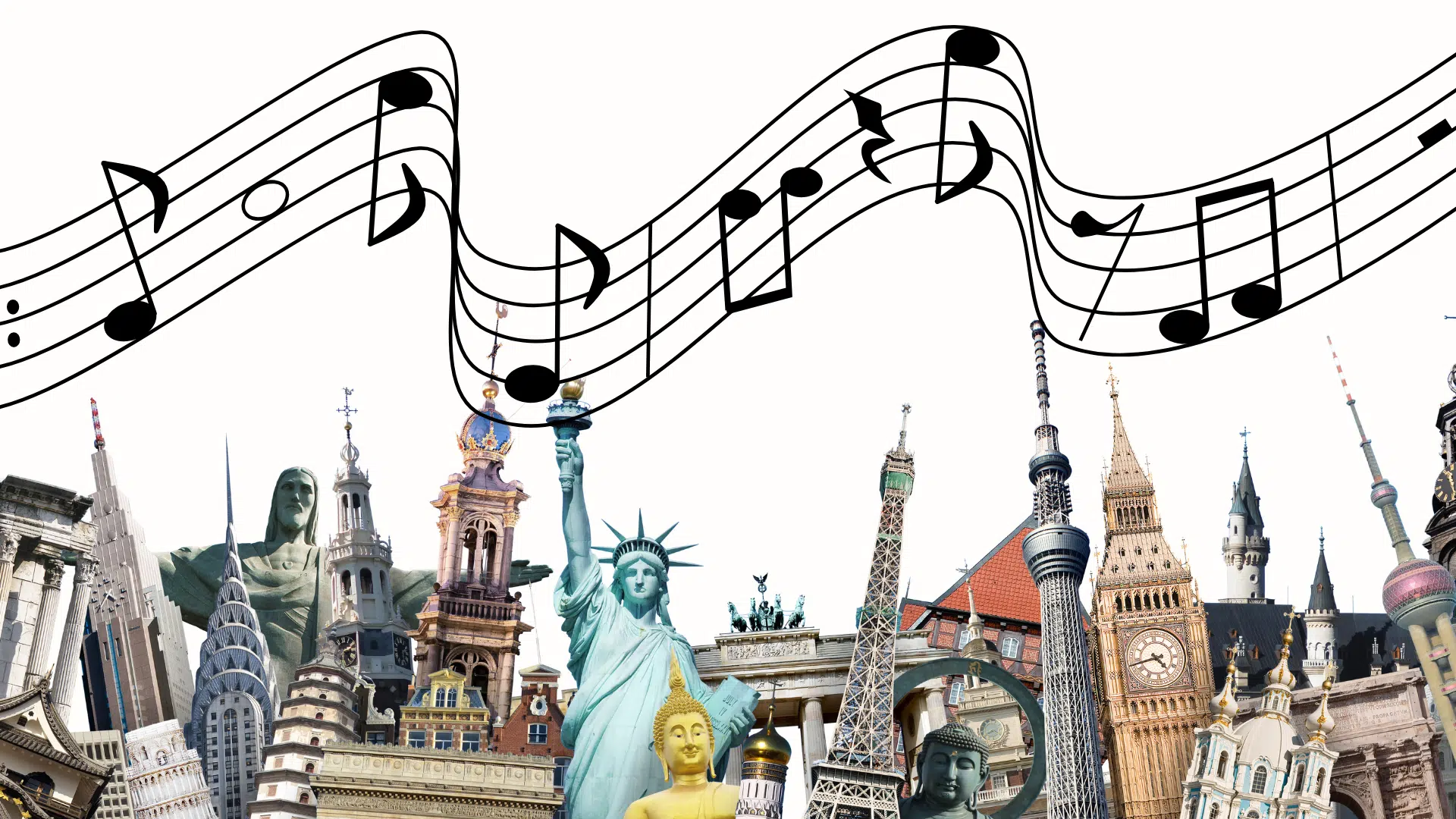
Music Around The World highlights how people in different cultures make and pass on music, from distinct scales and rhythms to local instruments and traditions, and how songs show up in celebrations, work, and everyday routines.
26. Finland Is the Heavy Metal Capital
Finland has the highest number of heavy metal bands per capita of any country. With roughly 54 metal bands per 100,000 residents, this Nordic nation takes its headbanging seriously. The genre has become part of Finnish national identity.
27. Karaoke Is Serious Business in South Korea
In South Korea, noraebang (karaoke rooms) are a major part of social life. Business deals are often sealed in these private singing rooms, and many Koreans visit noraebang multiple times per month. It’s considered rude to decline an invitation to sing.
28. Clapping Between Movements Is a Modern Rule
The tradition of clapping between movements at classical concerts is relatively recent. In Mozart’s time, audiences would applaud, cheer, and demand encores after individual movements. The “no clapping” rule emerged in the 20th century.
29. Indian Music Has 3,000 Years of History
India has one of the oldest continuous music traditions in the world, dating back over 3,000 years. The classical music system is based on ragas, melodic frameworks associated with specific times of day and emotional states.
30. African Rhythms Shaped All Modern Music
African polyrhythm, which involves playing multiple conflicting rhythms simultaneously, has influenced nearly every modern music genre, from jazz to hip-hop.
This complex rhythmic tradition traveled through the slave trade and shaped the sound of popular music worldwide.
Famous Artists and Their Secrets
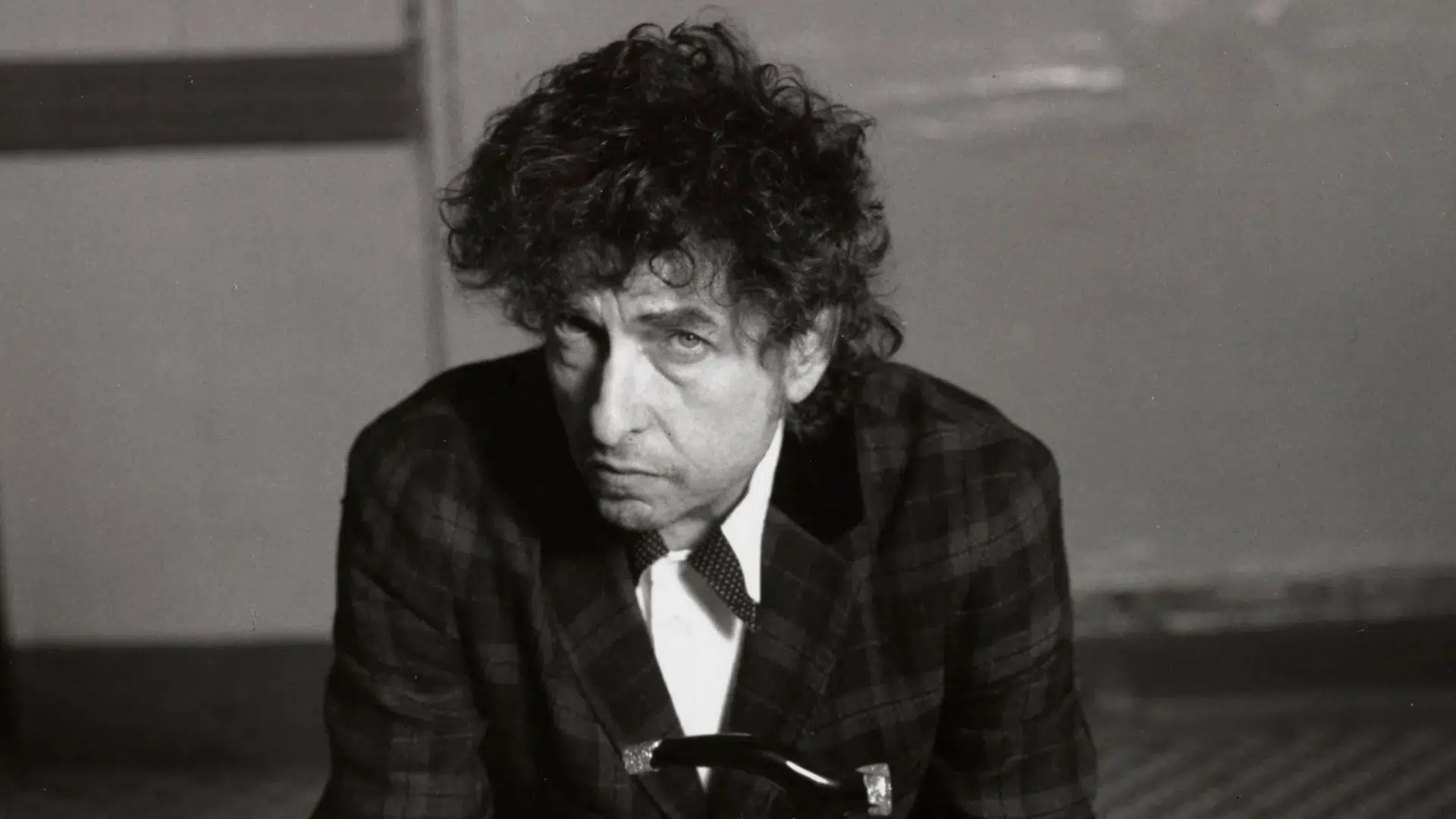
Famous Artists And Their Secrets shares lesser-known, verified behind-the-scenes stories about well-known musicians, like hidden credits, unusual recording choices, and career turning points that fans often miss.
31. Beethoven Composed Masterpieces While Completely Deaf
Beethoven continued to compose masterpieces even after going completely deaf. He sawed the legs off his piano and placed it on the floor so he could feel the vibrations through the wood.
His Ninth Symphony, one of history’s greatest works, was composed when he couldn’t hear a single note.
32. Prince Played 27 Instruments on His First Album
Prince played 27 instruments on his debut album “For You.” He wrote, arranged, composed, and produced every track himself, refusing to let anyone else touch the recording. This level of control became his trademark throughout his career.
33. Bob Dylan’s Name Choice Is Unclear
Bob Dylan was born Robert Allen Zimmerman, but the exact reason he chose the name “Bob Dylan” has never been fully confirmed.
Different stories connect it to poet Dylan Thomas or other influences, but Dylan has never given one final explanation that everyone agrees on.
34. “Bohemian Rhapsody” Required 180 Vocal Overdubs
Freddie Mercury wrote “Bohemian Rhapsody” in just a few hours, but the recording took three weeks. The harmonies required 180 separate vocal overdubs, which was unheard of at the time. The operatic section alone took over 70 hours to record.
35. Johnny Cash’s Black Outfit Started as a Budget Solution
Johnny Cash’s famous all-black outfit was partly practical. Early in his career, his band couldn’t afford matching suits, and black was the only color all five members owned. The look stuck and became his signature style.
36. Jimi Hendrix Was a Paratrooper Before Rock Stardom
Before becoming one of the greatest guitarists ever, Jimi Hendrix served in the U.S. Army as a paratrooper. He was discharged after breaking his ankle during his 26th parachute jump. He later said the military wasn’t for him and turned his full attention to music.
37. Elvis Never Wrote Any of His Hit Songs
Elvis Presley, the King of Rock and Roll, never actually wrote any of his hit songs. He was purely a performer and interpreter of other people’s material. His manager insisted on getting songwriting credits for Elvis to increase royalties, which meant many songwriters had to give up partial credit.
38. The Beatles Never Learned to Read Music
Despite being one of the most influential bands in history, none of The Beatles could read or write musical notation. Paul McCartney, John Lennon, George Harrison, and Ringo Starr composed all their songs by ear. McCartney has said he still doesn’t read music and considers it a “mystery.”
The Business Side of Music

The Business Side Of Music breaks down how money moves in music, from record deals and streaming payouts to touring costs, royalties, and the rules that shape who gets paid and why.
39. Spotify Pays Less Than Half a Cent Per Stream
Spotify pays artists between $0.003 and $0.005 per stream. That means an artist needs roughly 250 streams to earn a single dollar. A song would need about a million streams to generate around $4,000, which gets split between everyone involved in creating it.
40. Ringtones Were Big, But $5 Billion Is Too High
Ringtones were once a huge business, but the widely cited $5 billion figure is too high to use as a clean fact.
Reported numbers vary by year and market, with many estimates placing the industry lower. A safer version is that ringtones became a multibillion-dollar market before smartphones caused a sharp decline.
41. Auto-Tune Was Created for Oil Companies
Auto-Tune was originally designed to correct flat notes in petroleum exploration. Engineer Dr. Andy Hildebrand created the algorithm to interpret seismic data for oil companies. When he realized it could also correct vocal pitch, he founded Antares Audio Technologies in 1997.
Music Never Stops Surprising Us
Music is far more than entertainment. It’s a science experiment, a history lesson, and a window into human creativity.
These music facts barely scratch the surface of what makes music so interesting. Whether it’s ancient flutes or modern streaming algorithms, music continues to shape our world in unexpected ways.
The next time you put on your headphones or hear a song in a store, you’ll know there’s a whole universe of strange facts behind those simple melodies.
Music keeps teaching us new things about ourselves and our history. Want to impress your friends?
Share these facts. There’s always another surprising fact waiting to be found.