I grew up hearing that country music was one kind of sound, from one kind of place. Then I started paying attention to the names behind the voices, the instruments, and the songs people kept covering.
That is when the story got bigger. Black country singers have been part of country music from the start, even when the industry did not give them the same airtime, press, or stage time.
Some were household names in their moment. Others stayed known mainly through local scenes, touring circuits, and word of mouth.
Here, I want to show the full picture: the pioneers, the hitmakers, and the newer voices, along with what their work changed.
History Of Black Artists In Country Music
Black artists have shaped country music since long before it was even called “country,” though they were not always recognized.
In the 1800s and early 1900s, rural dance music, ballads, blues, gospel, and string-band sounds blended in shared spaces, especially across the South.
The banjo’s African roots also matter, since it later became central to old-time and country. When radio and early Nashville took off in the 1920s to 1940s, a few Black performers reached big audiences, but most were kept off major stages.
From the 1950s to the 1980s, many recorded and toured with limited label and radio support. Breakthroughs grew from the 1990s to the 2010s. In the 2020s, streaming helps, but gatekeeping still shows up.
Early Trailblazers
These early Black country artists helped shape the sound in its radio and stage-building years, often without fair credit. They played, sang, and toured in spaces not built to welcome them, yet their talent still drew crowds and left a clear mark on country music history.
1. DeFord Bailey
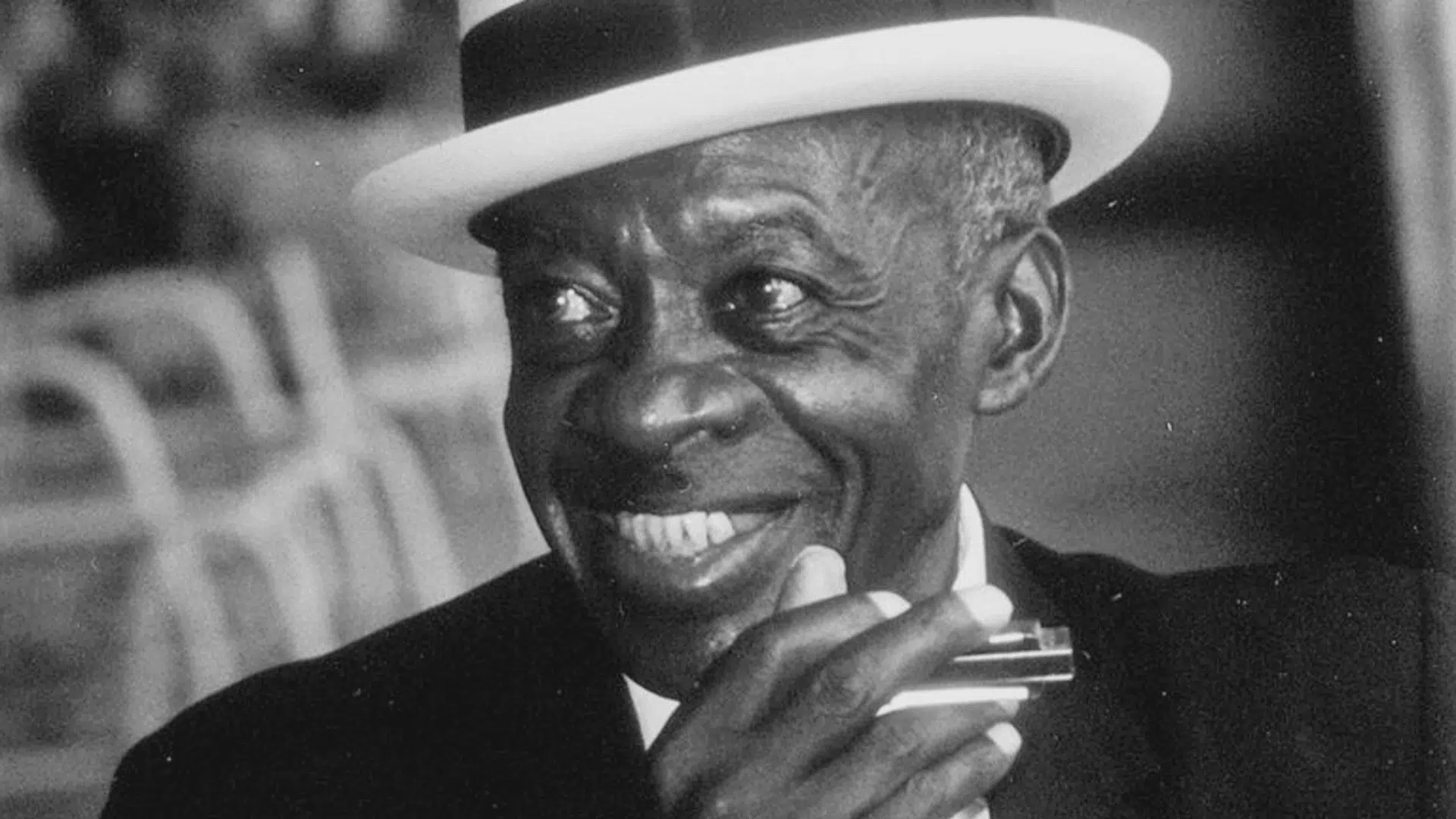
DeFord Bailey made early country radio feel alive with fast, clear harmonica work. He performed on WSM’s Barn Dance in 1927, around the same time the show became known as the Grand Ole Opry.
One of the easiest ways to hear his style is “Pan American Blues,” a track that still sounds sharp today.
His place in history matters because he was the first Black performer linked with the Opry, and he was later inducted into the Country Music Hall of Fame.
2. Linda Martell
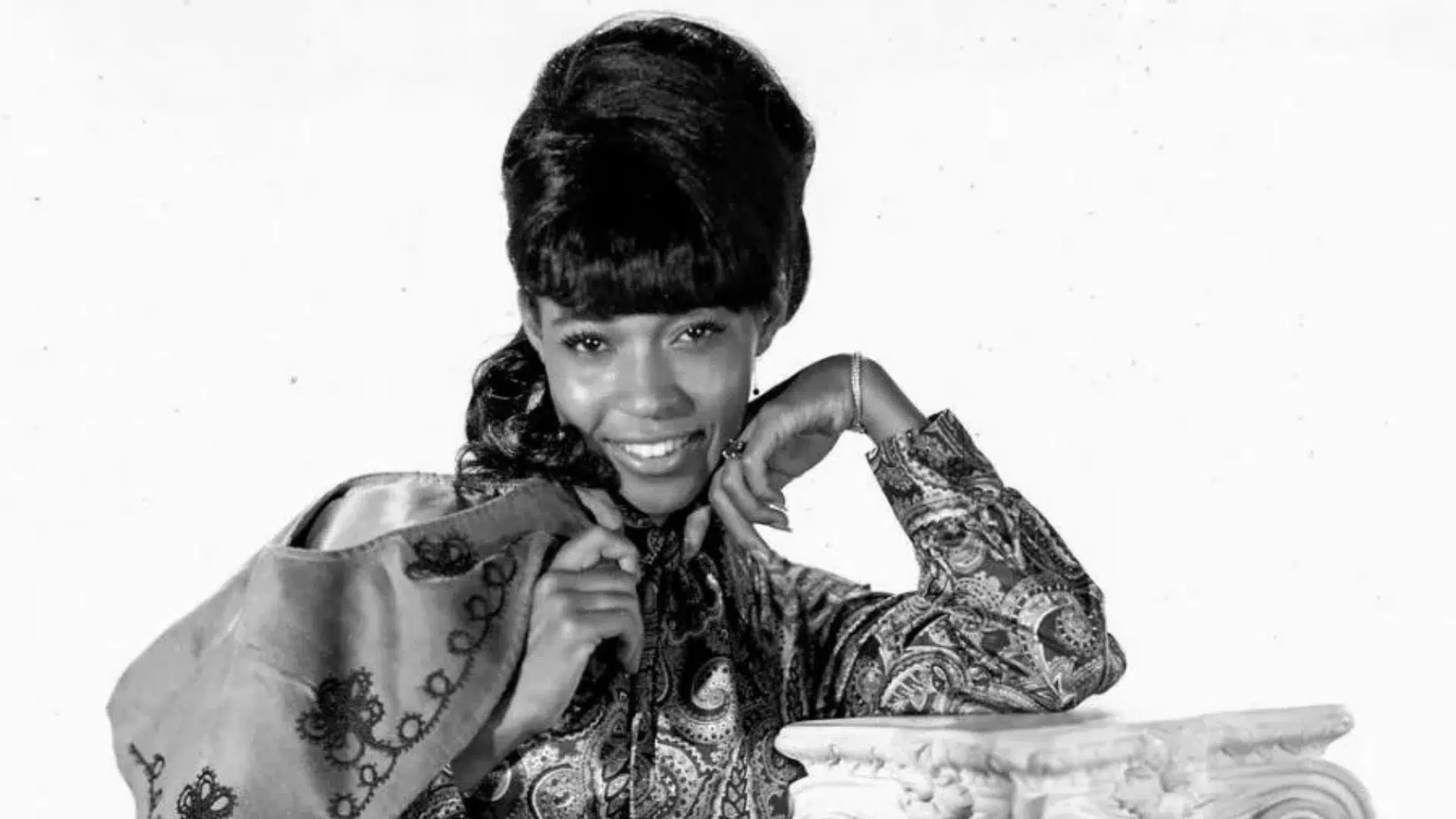
Linda Martell broke through during a period when Black women had almost no space in mainstream country music. Her single “Color Him Father” reached the country charts and helped her land bigger stages.
That momentum led to a major milestone: she became the first Black woman to perform on the Grand Ole Opry.
If you want one song that shows how her voice carries both warmth and strength, start with “Color Him Father,” then follow it with her album Color Me Country.
3. Stoney Edwards
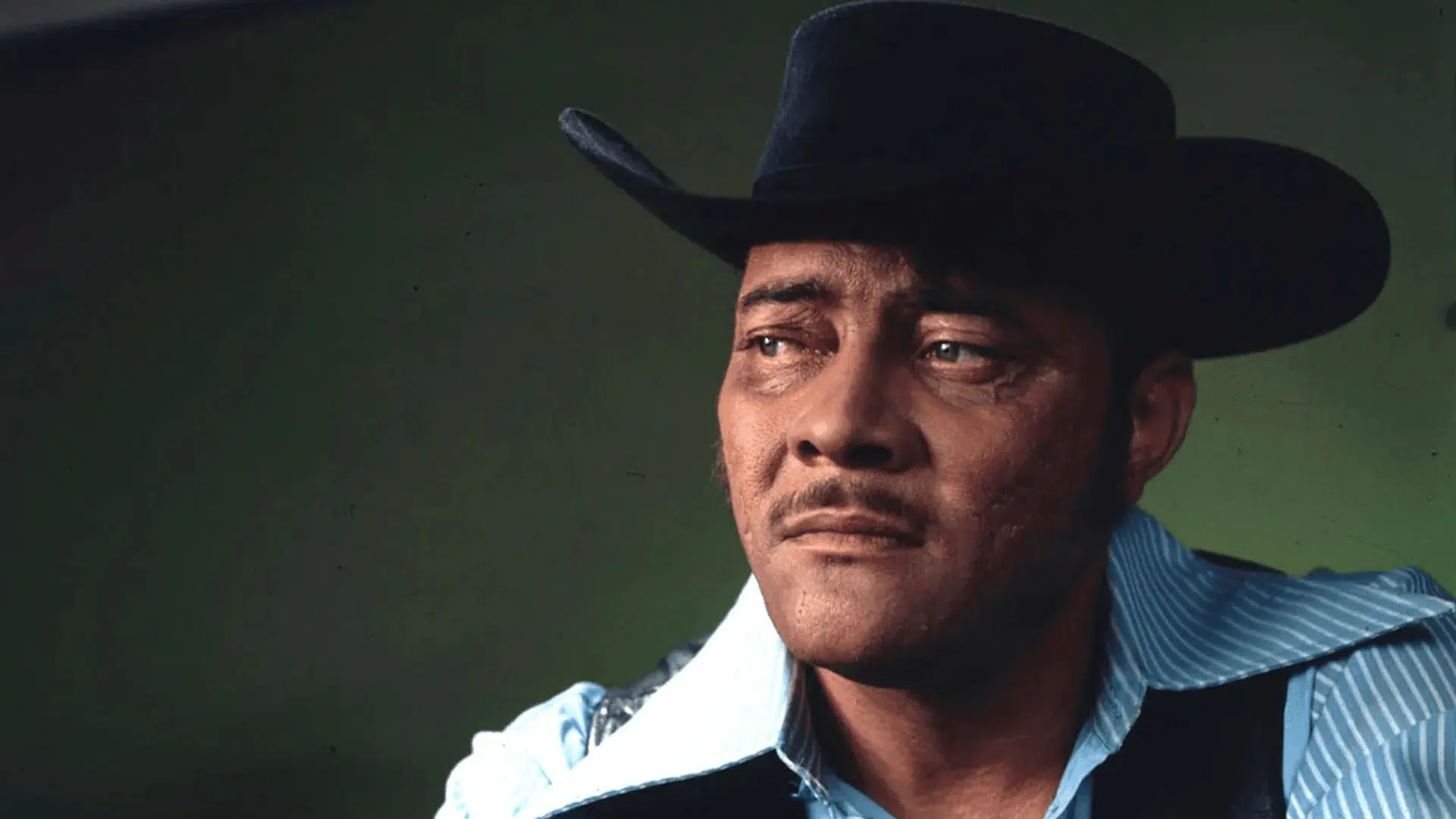
Stoney Edwards brought a smooth baritone and classic Nashville phrasing to the 1970s country scene. His music fit the sound of his era, but the industry still made the path harder than it needed to be.
“She’s My Rock” is a strong starting point and became a Top 20 country hit, helping him build a major-label career at a time when Black men were rarely promoted in country music.
He also recorded “Hank and Lefty Raised My Country Soul,” which showed exactly who shaped his style and why he felt at home in the genre.
4. O. B. McClinton
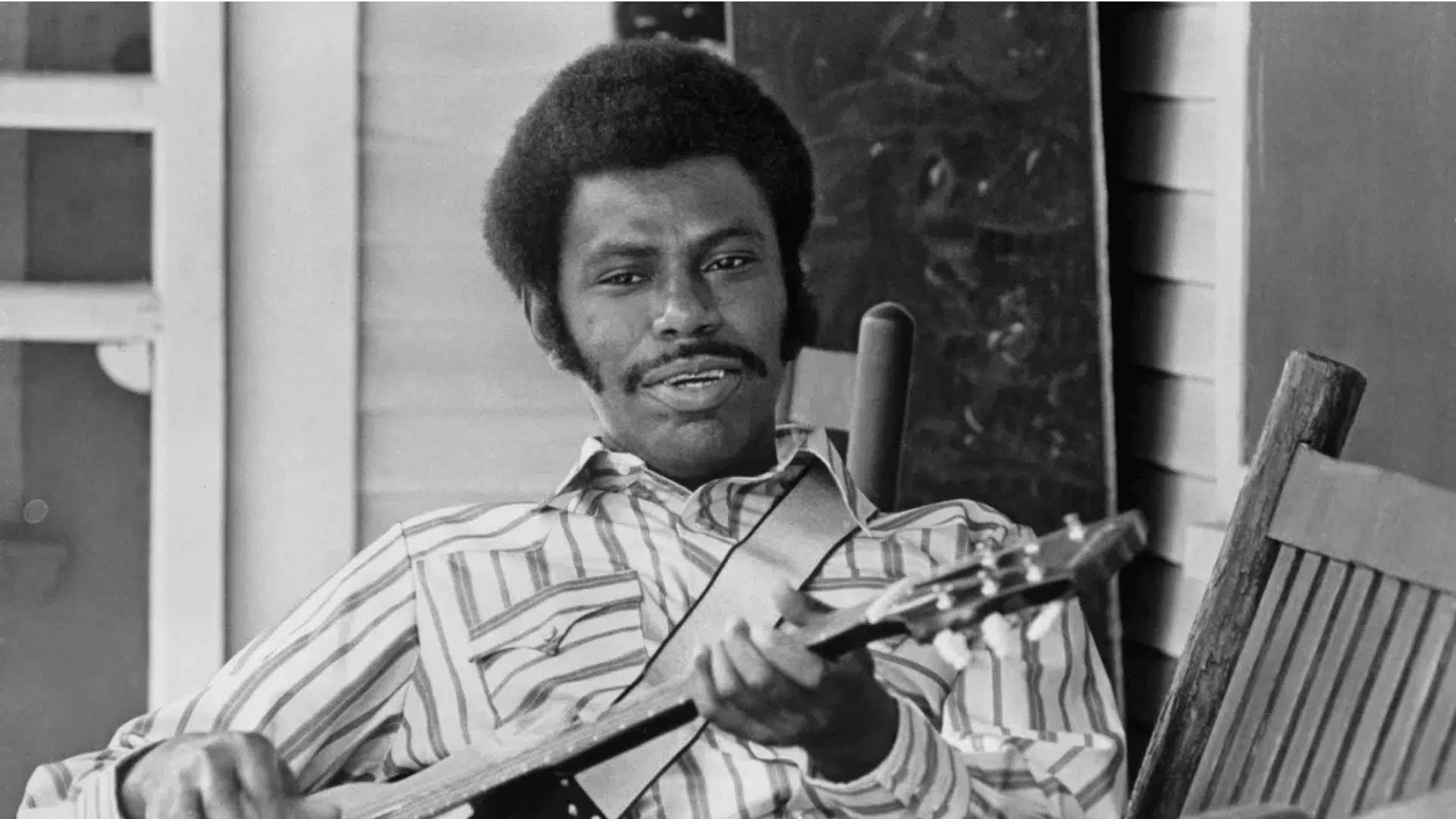
O. B. McClinton leaned into traditional country themes while openly branding himself the “Chocolate Cowboy,” both a marketing move and a statement.
He worked the road hard, reached the country charts, and helped prove that fans would show up for a good country record, even when the industry moved slowly.
“Don’t Let the Green Grass Fool You” is a solid first listen because it captures his sound and the era. His career also stands out for the way he promoted his music independently, including selling records through television.
Mainstream Breakthroughs
These Black country singers broke through major-label systems and reached wide audiences through radio hits, awards, and arena-level touring. Their success mattered because it challenged long-held industry limits and proved, again, that country fans will follow strong songs and real voice
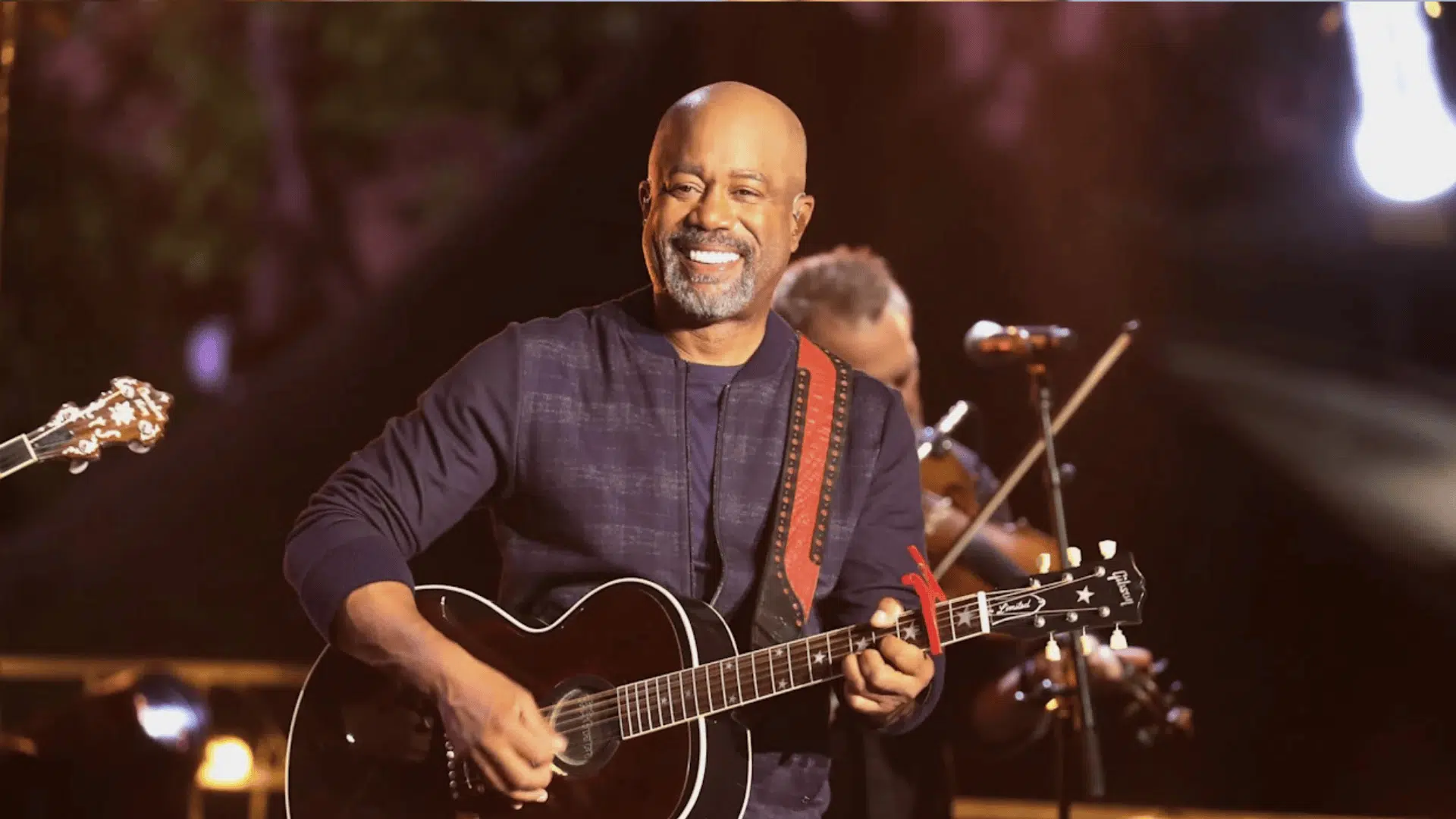
5. Darius Rucker
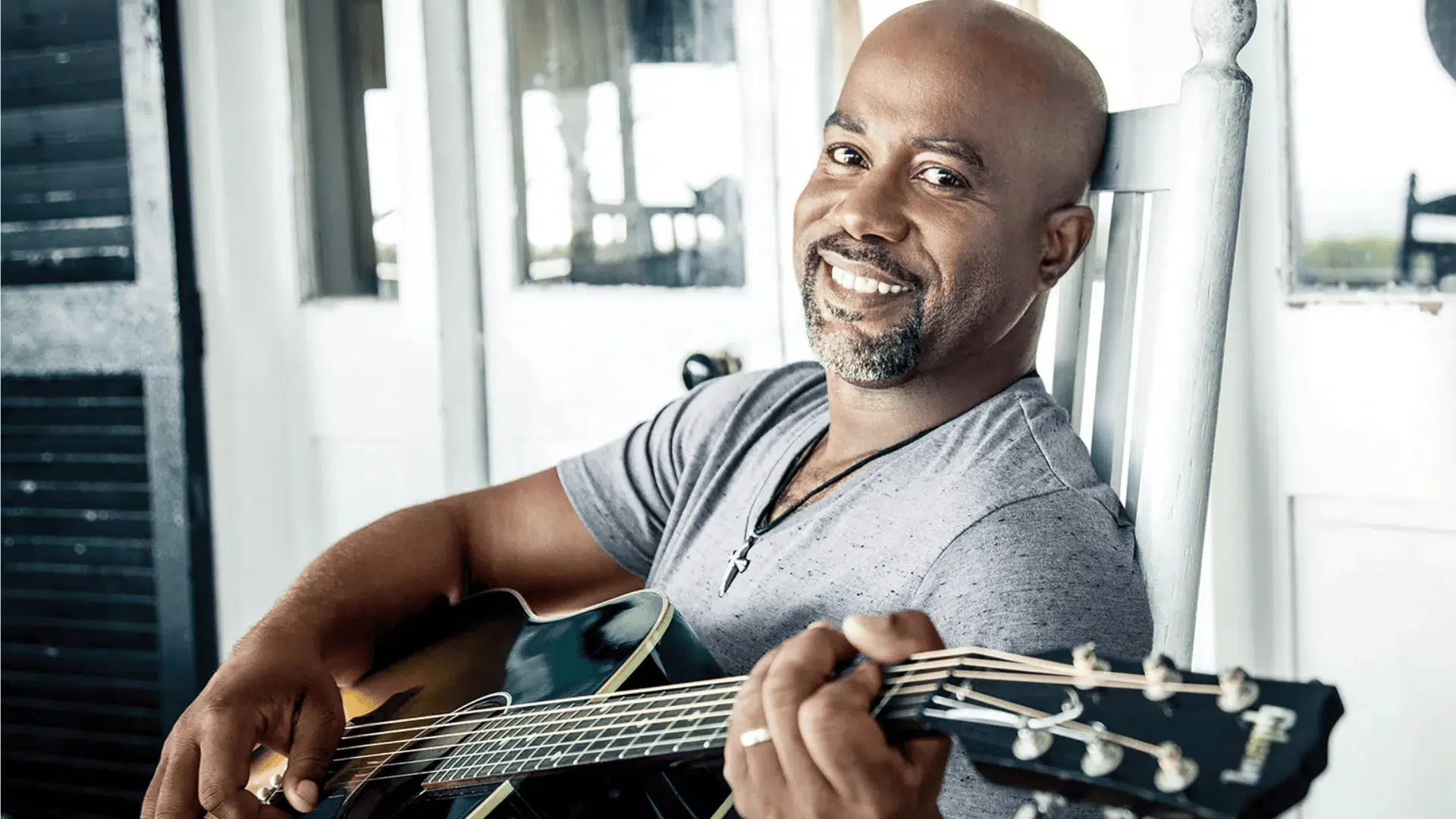
Darius Rucker moved into country after major pop-rock success and became a steady presence in modern Nashville.
“Wagon Wheel” is the song most people start with, and it became a defining hit, winning a GRAMMY for Best Country Solo Performance.
His visibility mattered in a practical way: labels and radio could no longer pretend that country audiences would not support a Black headliner. He also won CMA New Artist of the Year in 2009, which made the shift even harder to dismiss.
6. Kane Brown
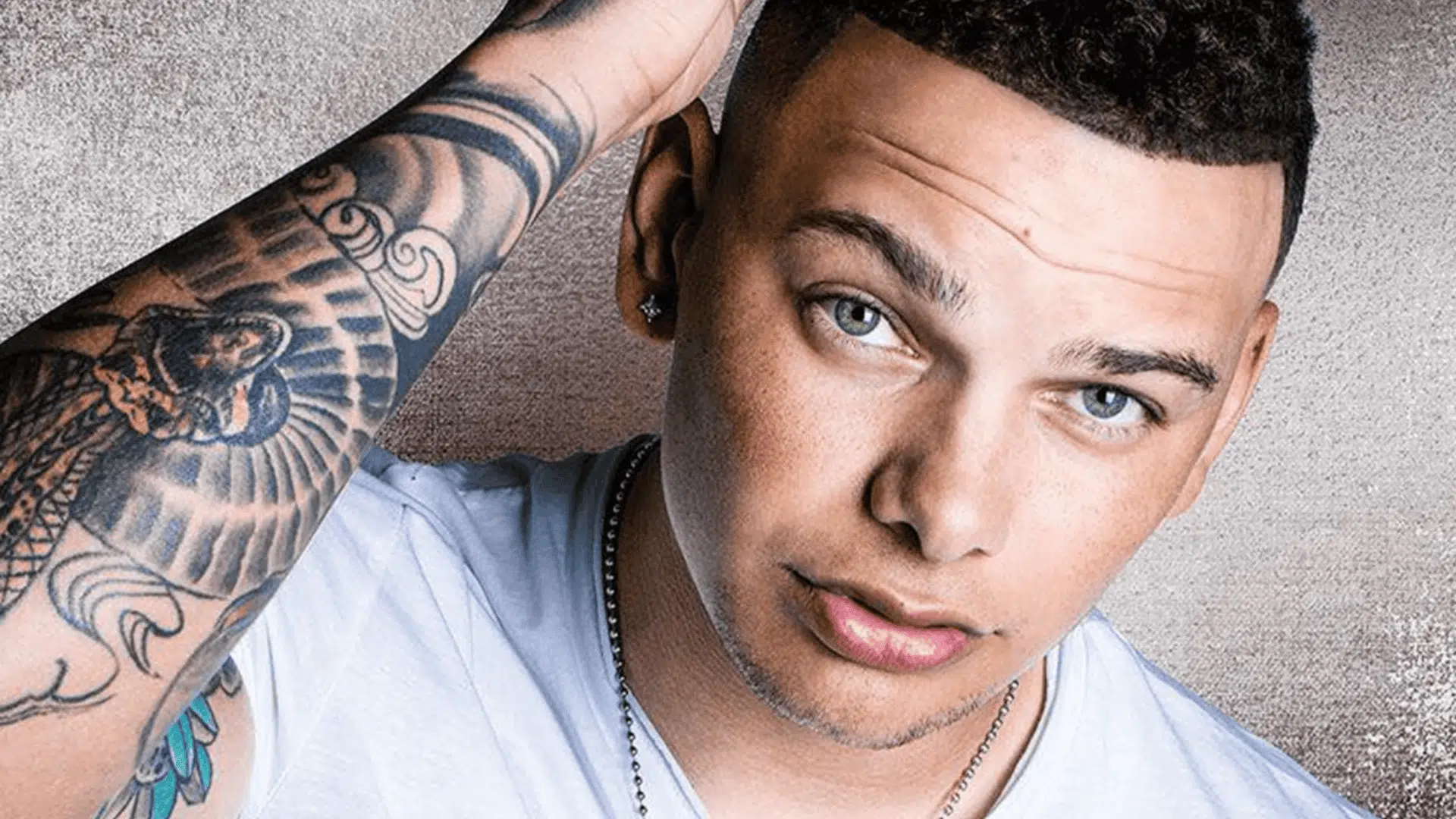
Kane Brown built a sound that sits between country hooks and modern pop structure, which helped him grow quickly in the streaming era.
“Heaven” is a good entry point because it shows how his voice works on a straight country love song.
Over time, his touring and chart success made him one of the biggest names of his generation, and in June 2023, he headlined Boston’s Fenway Park solo, a major venue milestone.
He has also been open about identity and belonging in country spaces, which has helped many fans feel seen.
7. Mickey Guyton
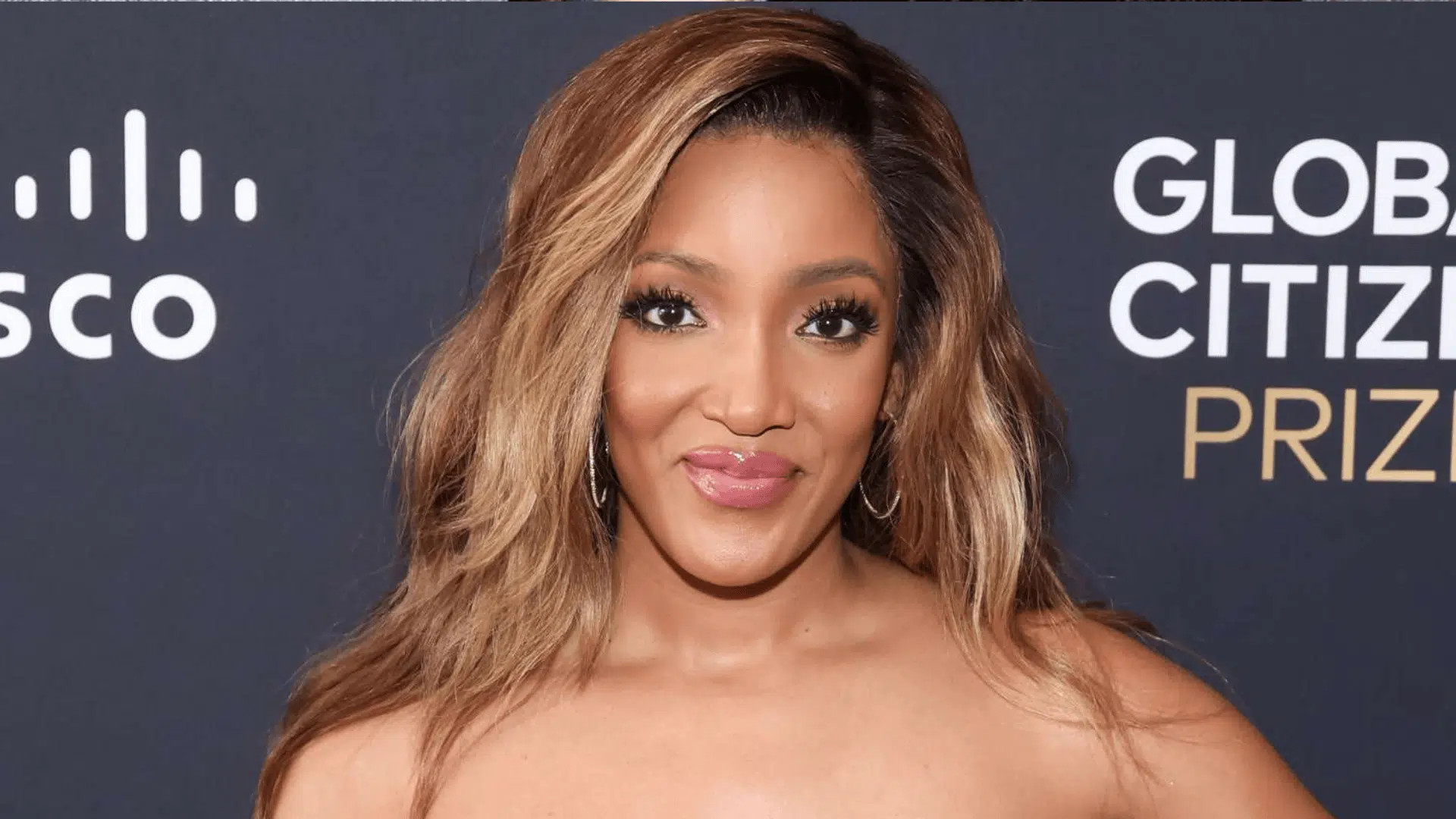
Mickey Guyton brought sharp songwriting and a direct point of view to country at a time when many artists avoided hard topics.
“Black Like Me” is the song that clearly shows her purpose and her writing style, and it led to a historic moment when she became the first Black female solo artist nominated for Best Country Solo Performance at the GRAMMYs.
She also co-hosted the ACM Awards in 2021, another major first. Her work helped move conversations forward, even when it made people uncomfortable.
Community Builders And Scene Shapers
These artists did more than release music. They built spaces where Black country talent could be heard, booked, and taken seriously.
Through touring, collaborations, radio shows, roots festivals, and artist-led projects, they helped widen the pipeline so newer voices could find audiences without waiting for permission.
8. Rissi Palmer
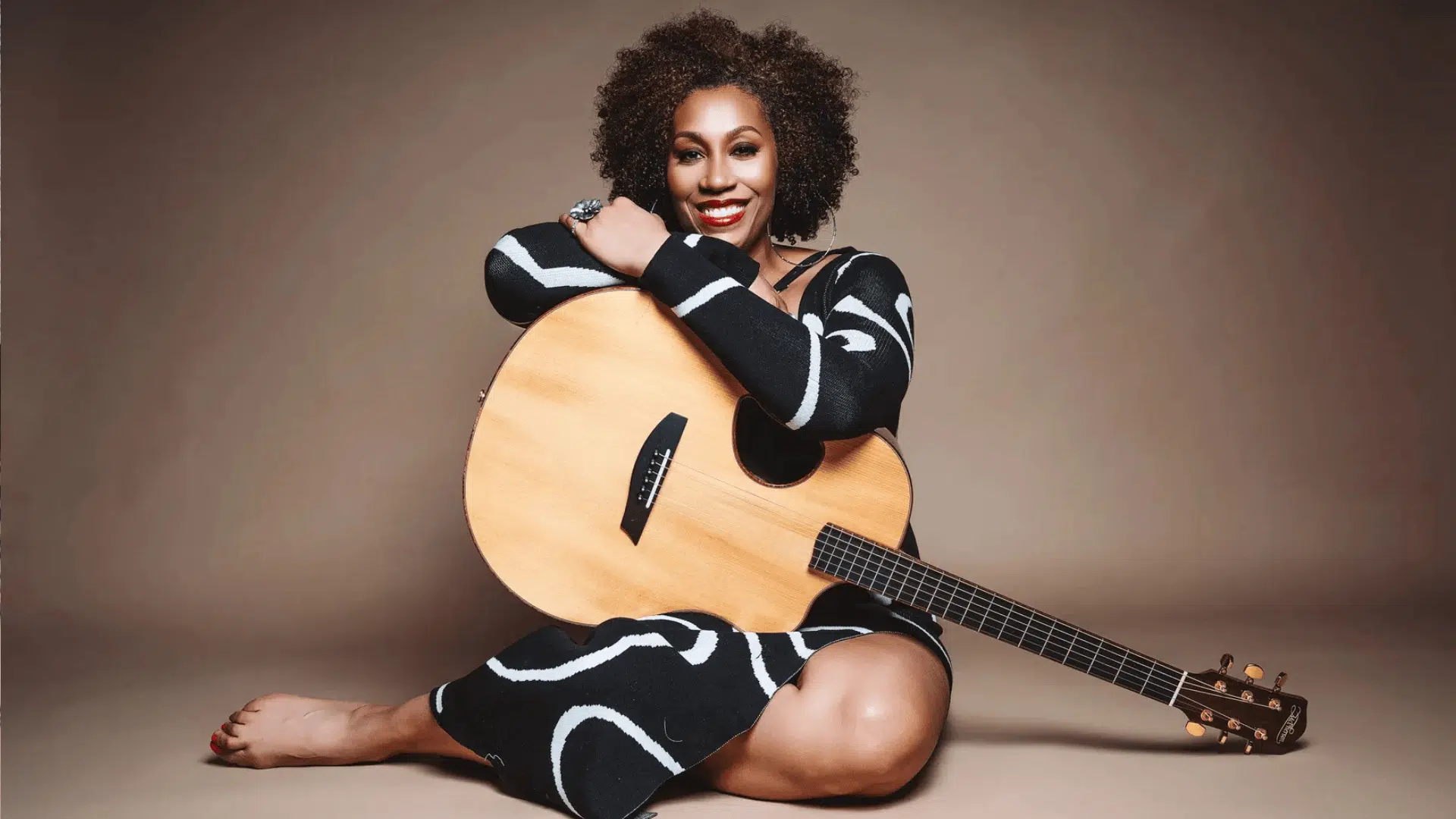
Rissi Palmer has balanced performing with spotlighting others, which matters in a genre where access is not shared equally.
“Country Girl” is a good place to start if you want to hear her sound at a glance.
Beyond her own catalog, she has helped widen listening habits through Color Me Country Radio on Apple Music Country, where she features artists of color across country, Americana, and roots.
9. Miko Marks
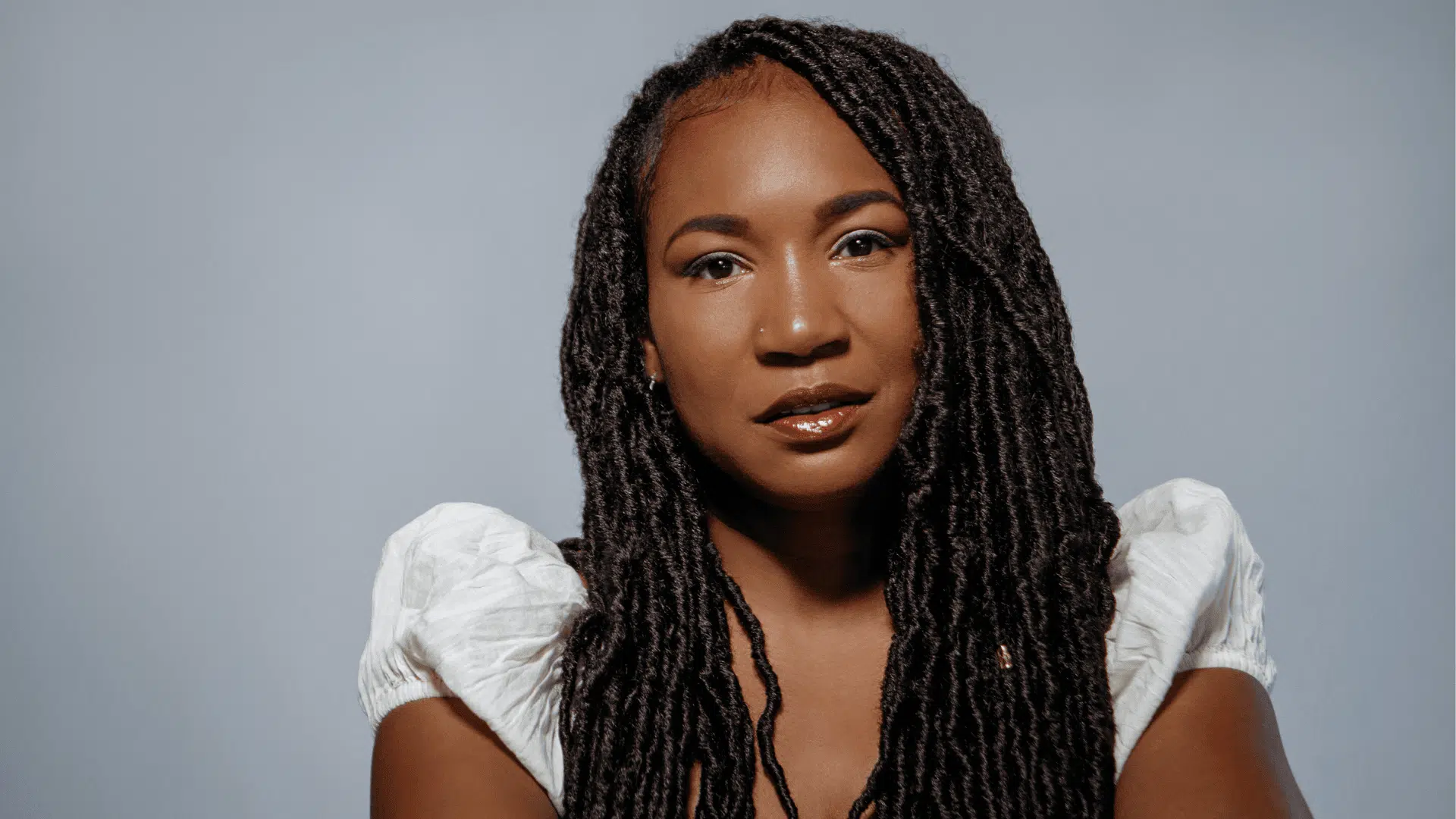
Miko Marks blends classic country phrasing with a roots feel that fits both Americana rooms and country stages. “We Are Here” shows her calm confidence and the kind of storytelling that sticks.
Her 2021 album Our Country brought her renewed attention and became part of the larger story of Black artists reclaiming space in country and roots music.
Her return also reminded listeners that “new” does not always mean “just started.”
10. The War And Treaty
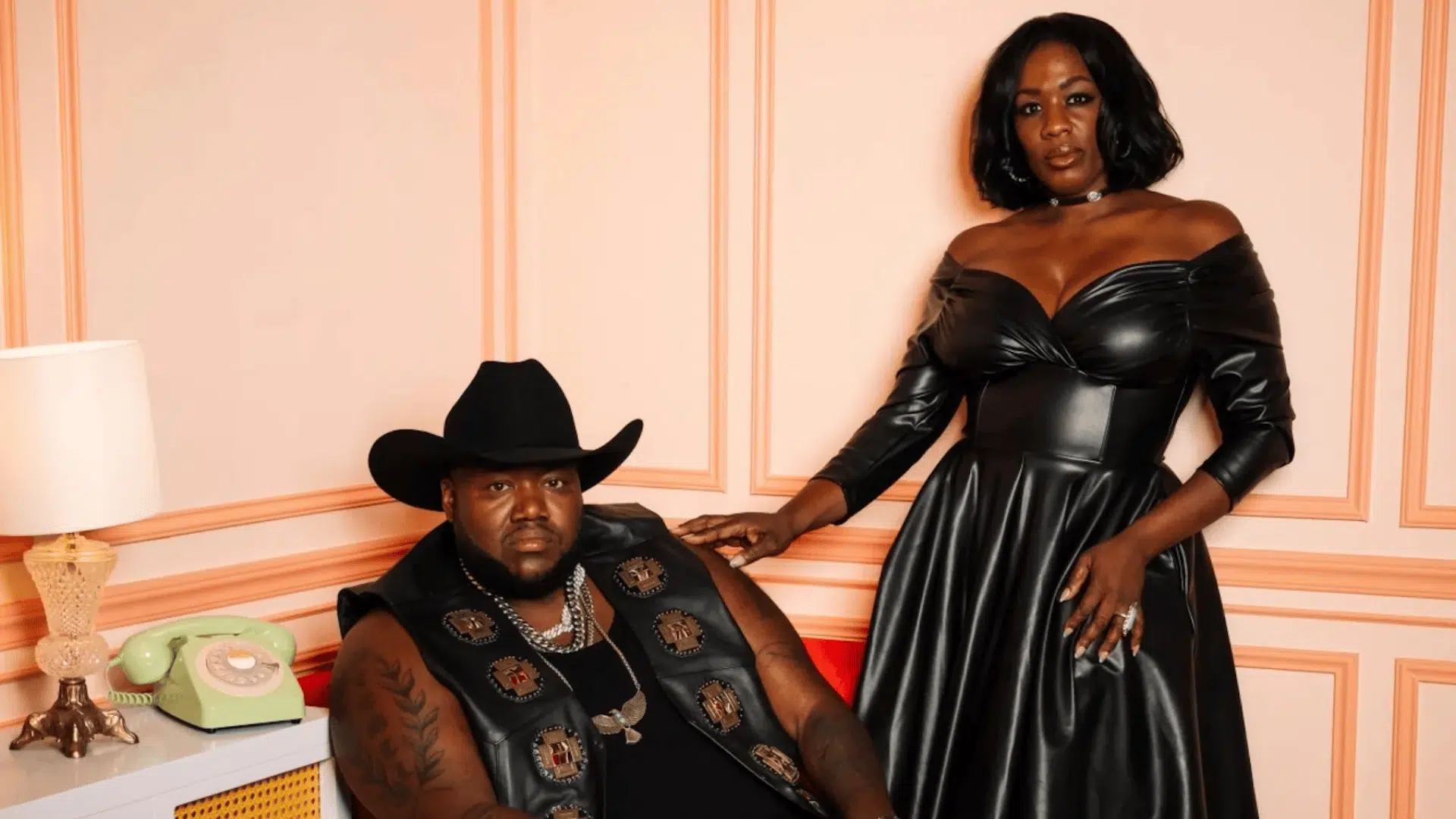
The War And Treaty, Michael and Tanya Trotter, build songs around harmony and emotion, pulling from country, soul, and gospel traditions.
“Hey Driver” is a strong first listen, and the Zach Bryan feature helped bring their name to more people.
Their impact is also evident in industry recognition: they became the first Black duo nominated for CMA Duo of the Year in 2023.
That matters because major awards often reflect who gets treated as part of the mainstream story.
11. Rhiannon Giddens
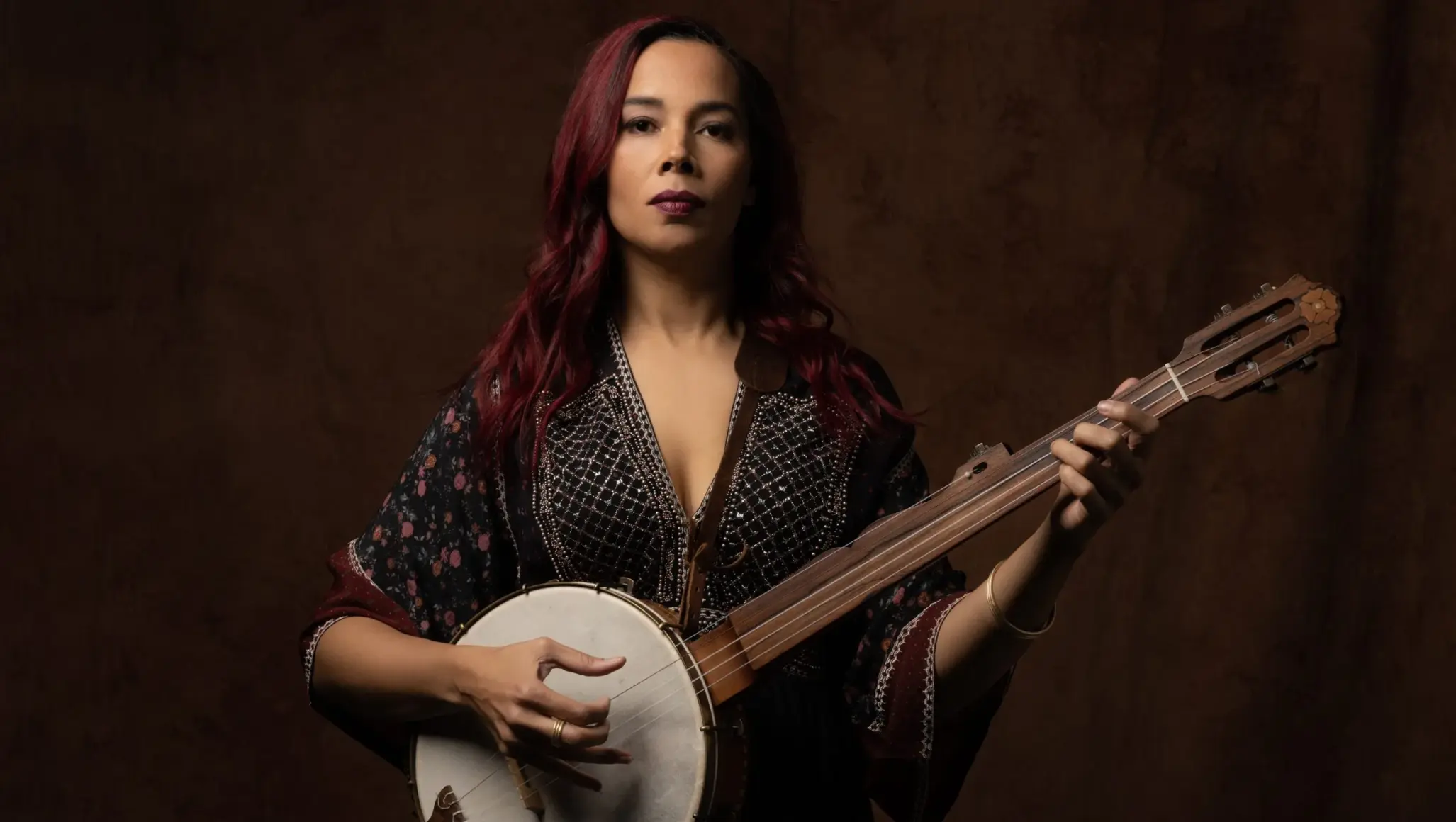
Rhiannon Giddens connects today’s listeners to the country’s roots, especially in the history of the banjo and fiddle.
“Julie” is a good starting track because it shows her voice and her respect for traditional forms.
She co-won the 2023 Pulitzer Prize for Music for Omar (with Michael Abels), but her greater influence may lie in how often she forces the conversation back to its origins, credit, and who was left out. Her work makes it harder to tell a simplified version of country history.
12. Allison Russell
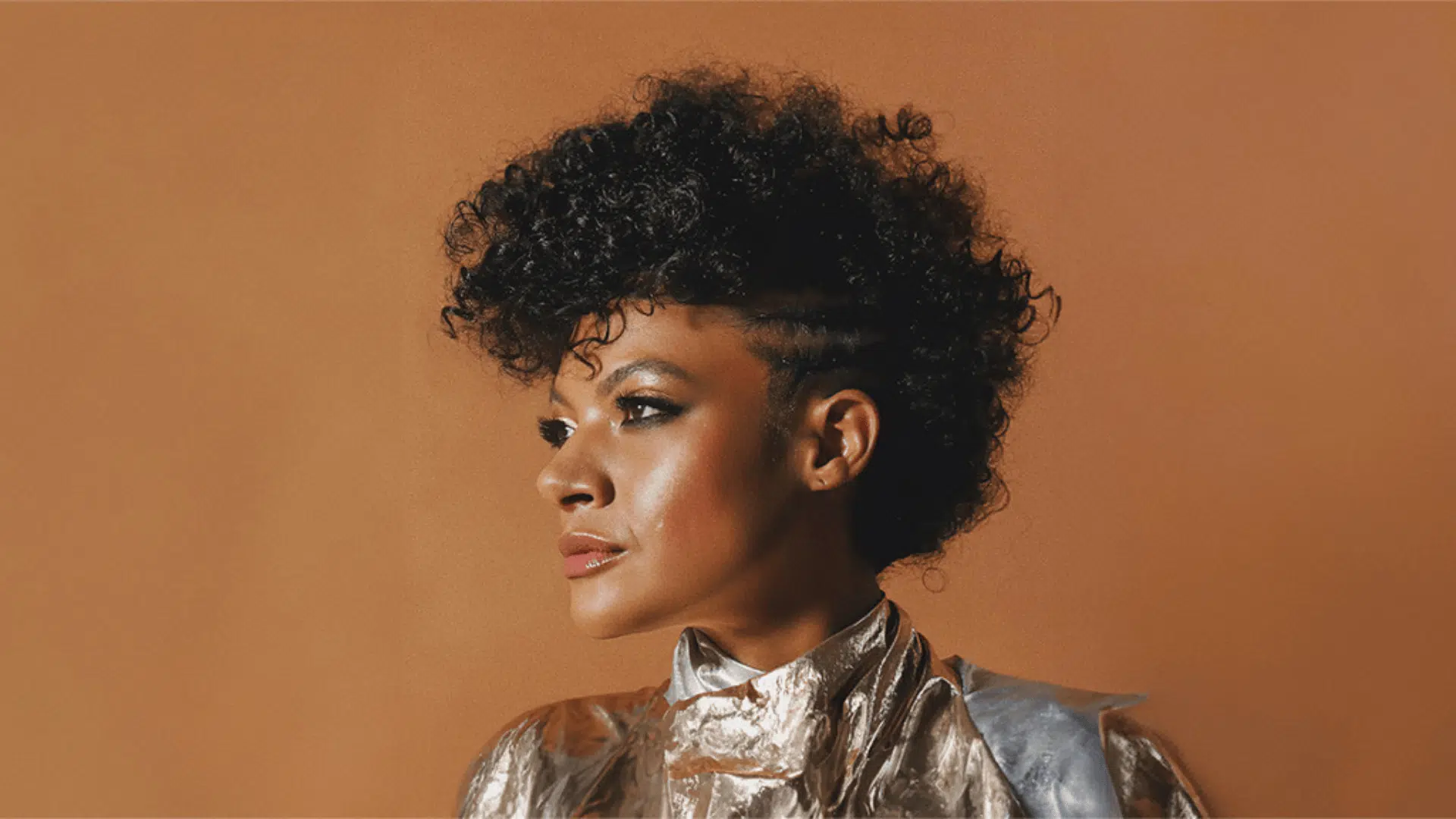
Allison Russell writes songs that feel personal but still fit inside the wider Americana and country space.
“Eve Was Black” is a powerful listen, and it won the 2024 GRAMMY for Best American Roots Performance.
She has also been part of community-driven lineups that support Black artists, helping build stages and audiences that do not rely on country radio.
Her career shows how awards, touring, and community can work together when traditional gatekeeping stays in place.
13. Yola
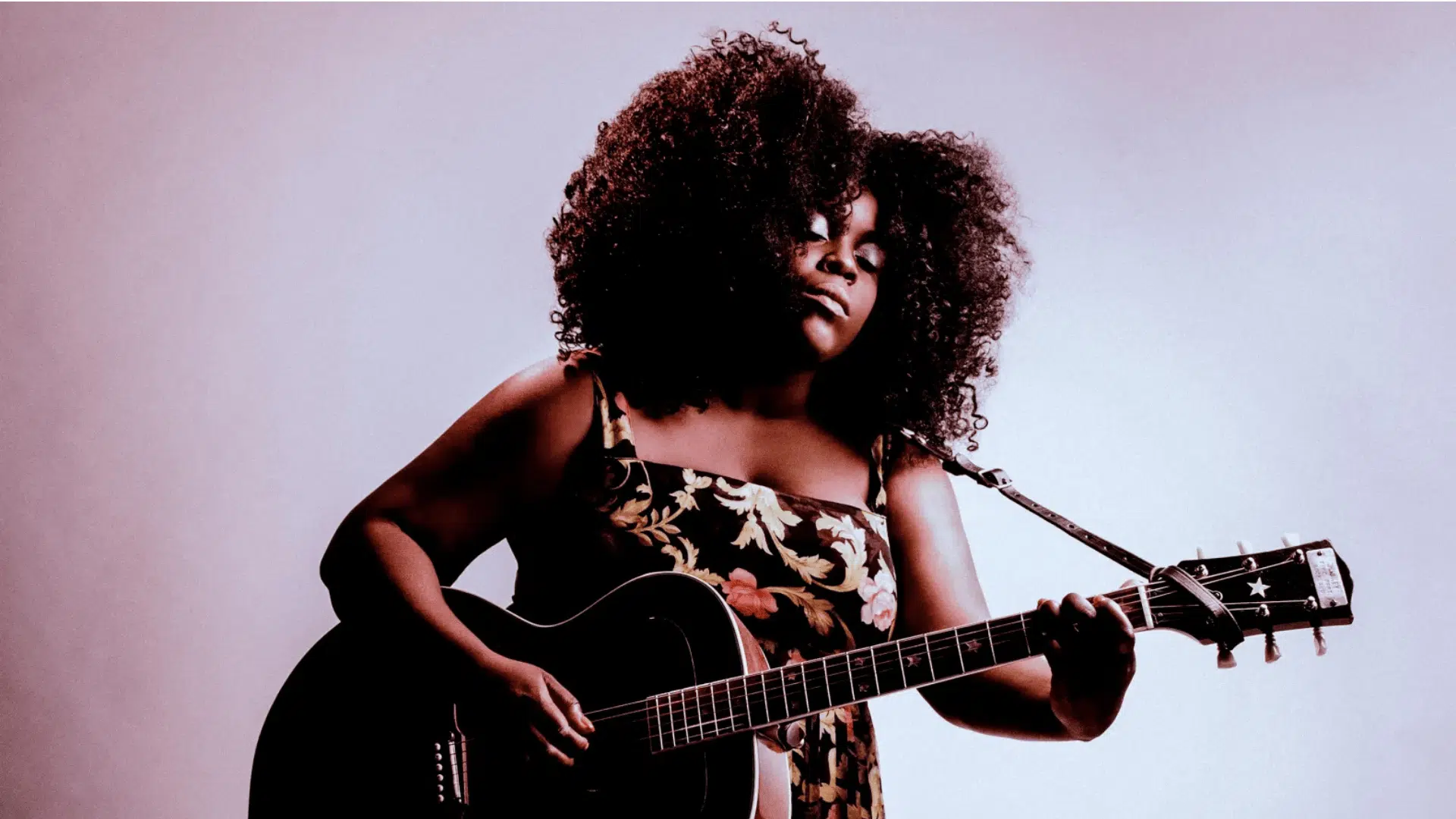
Yola brings a big vocal style that can move between soul, country, and classic rock tones without losing the story.
“Faraway Look” is often the first track people hear, and it makes sense because it shows both grit and control.
She earned four GRAMMY nominations at the 62nd GRAMMY Awards, including Best New Artist, which put her in front of new listeners fast. She has also acted, including in Elvis (2022), which further expanded her reach.
Recent Black Country Singers
These newer Black country singers are growing fast in the streaming era, where fan support can move more quickly than radio.
What they share is momentum, a clear voice, and the ability to build audiences through tours, social platforms, and strong songs that travel.
14. Breland
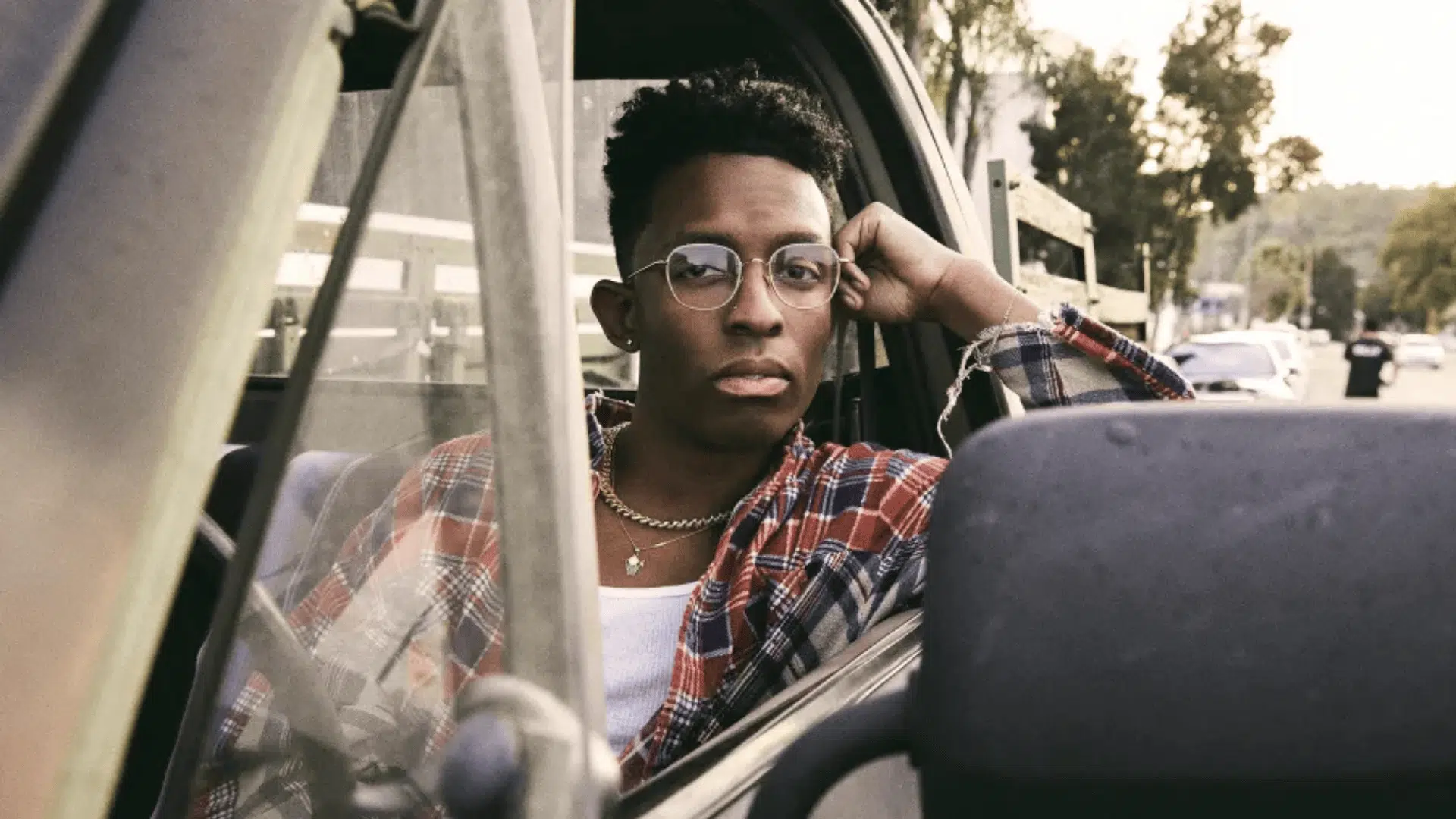
Breland helped push a modern lane that mixes country themes with rhythmic vocal phrasing that fits today’s playlists.
“My Truck” is the clear starting point, and it charted on Billboard’s Hot Country Songs while also earning platinum certification in the U.S.
His rise is a good example of how streaming and short-form video can build a country career even when radio moves slowly. He has also stayed active through collaborations and touring.
15. Blanco Brown
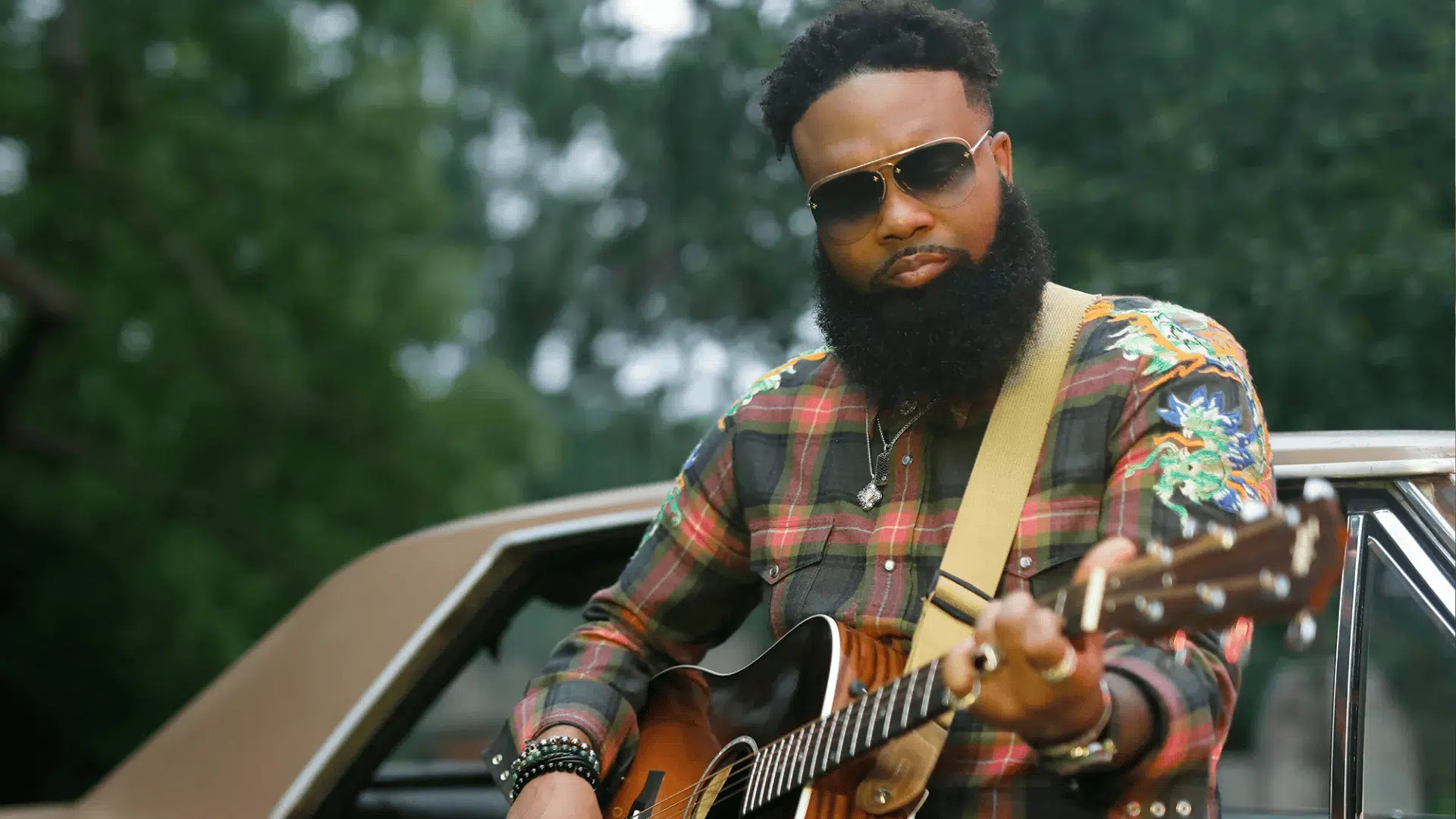
Blanco Brown reached a wide audience by mixing country beats with a dance-ready structure that people could share quickly.
“The Git Up” became the signature song, and it hit No. 1 on Billboard’s Hot Country Songs in July 2019.
That chart run mattered because it showed fan-driven momentum can carry a country hit to the top without fitting old rules. His success also helped bring new listeners into the genre.
16. Chapel Hart
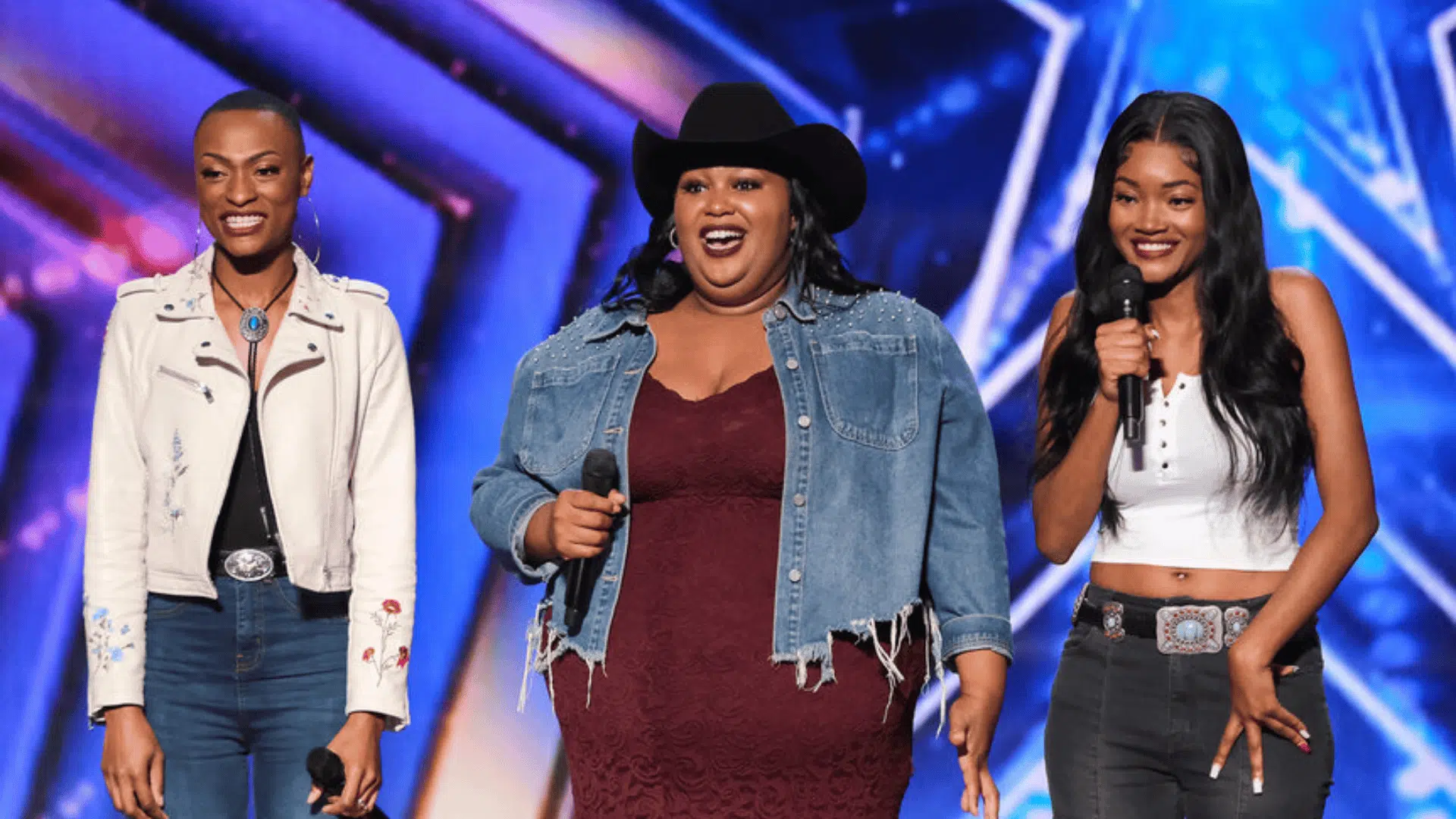
Chapel Hart is a trio that mixes group harmony, humor, and sharp writing. “You Can Have Him, Jolene” is a smart starting point because it flips a well-known story and shows their personality.
They made their Grand Ole Opry debut on September 17, 2022, which put them on a stage with deep history and high visibility.
Their growth also shows what can happen when a group leans into touring and keeps building a live audience.
17. Shaboozey
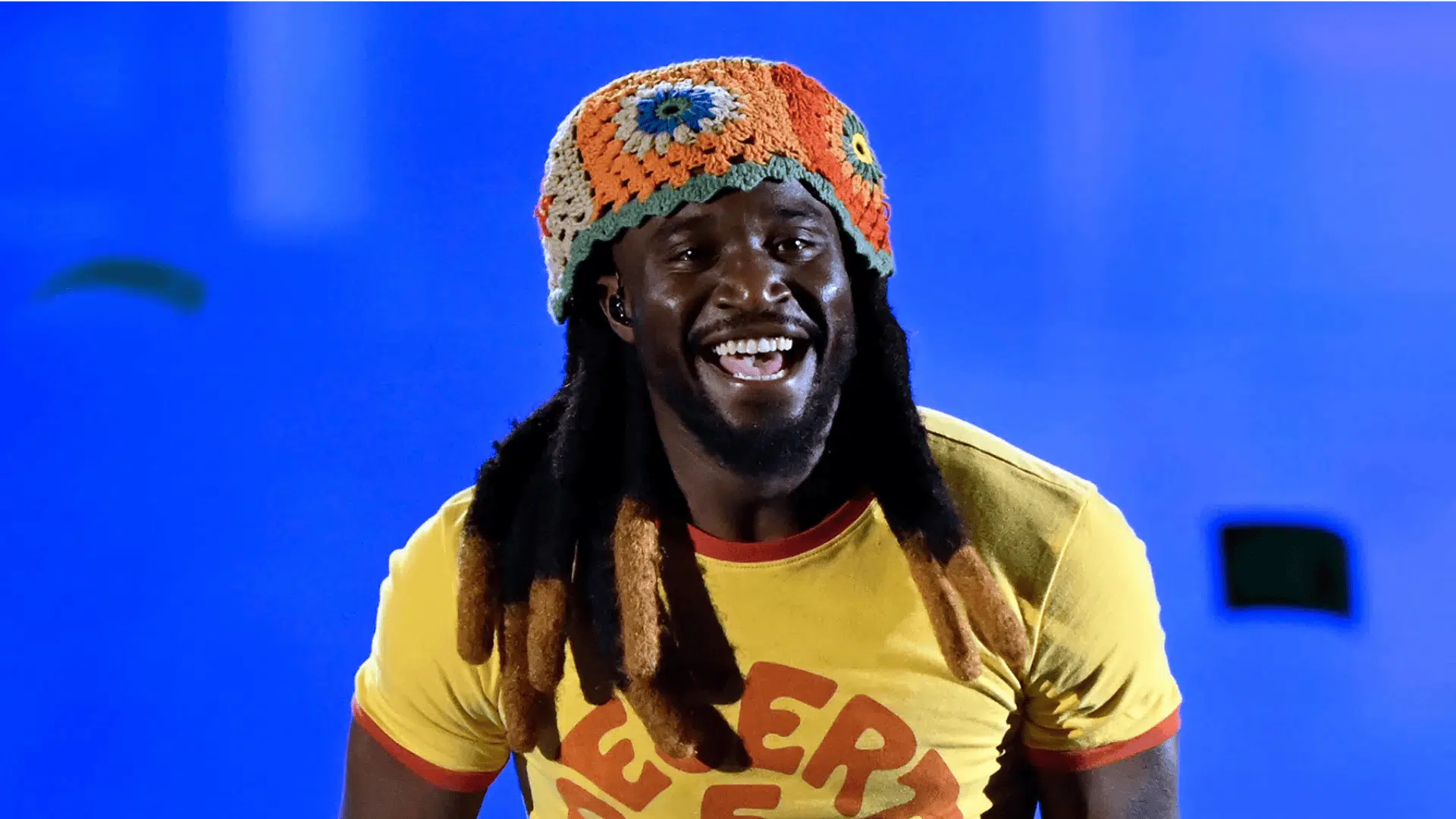
Shaboozey blends country and hip-hop with a barroom energy that works in clubs and on playlists.
“A Bar Song (Tipsy)” is the track that pushed him into wider view in 2024, and it sparked major chart conversation beyond the country space.
His success also fed a larger debate about what “counts” as country, nothing new, but it feels different when a Black artist is at the center of it. That spotlight alone shifts public expectations.
18. Reyna Roberts
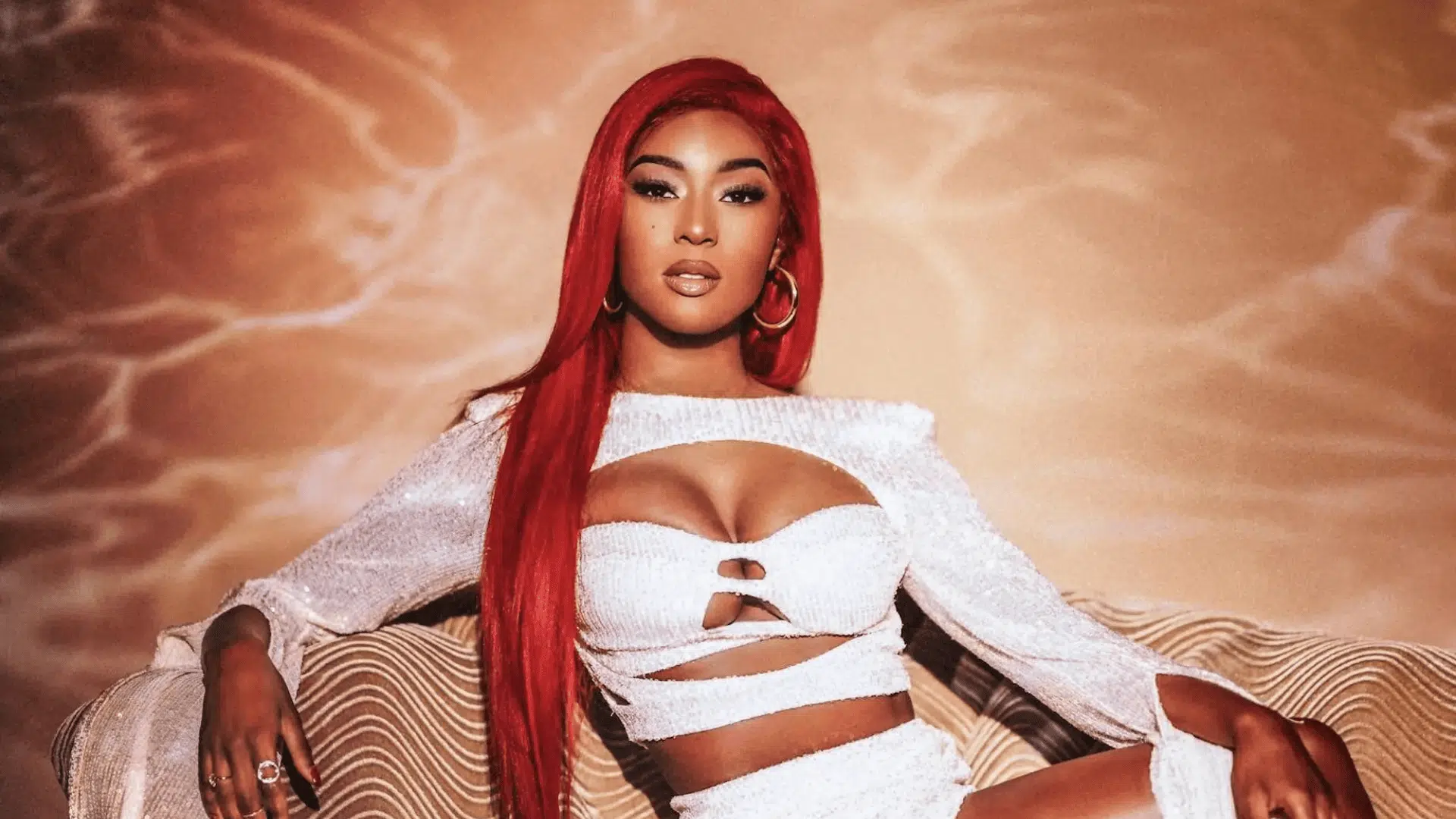
Reyna Roberts brings a rock edge into country writing, with big choruses that land well live. “Raised Right” is a good entry point because it shows her vocal power and her stage-ready energy.
She has gained wider notice through major festival appearances and national press coverage, especially as more people pay attention to Black women in country right now.
Her path is a reminder that touring can build real momentum even without heavy radio support.
19. Brittney Spencer
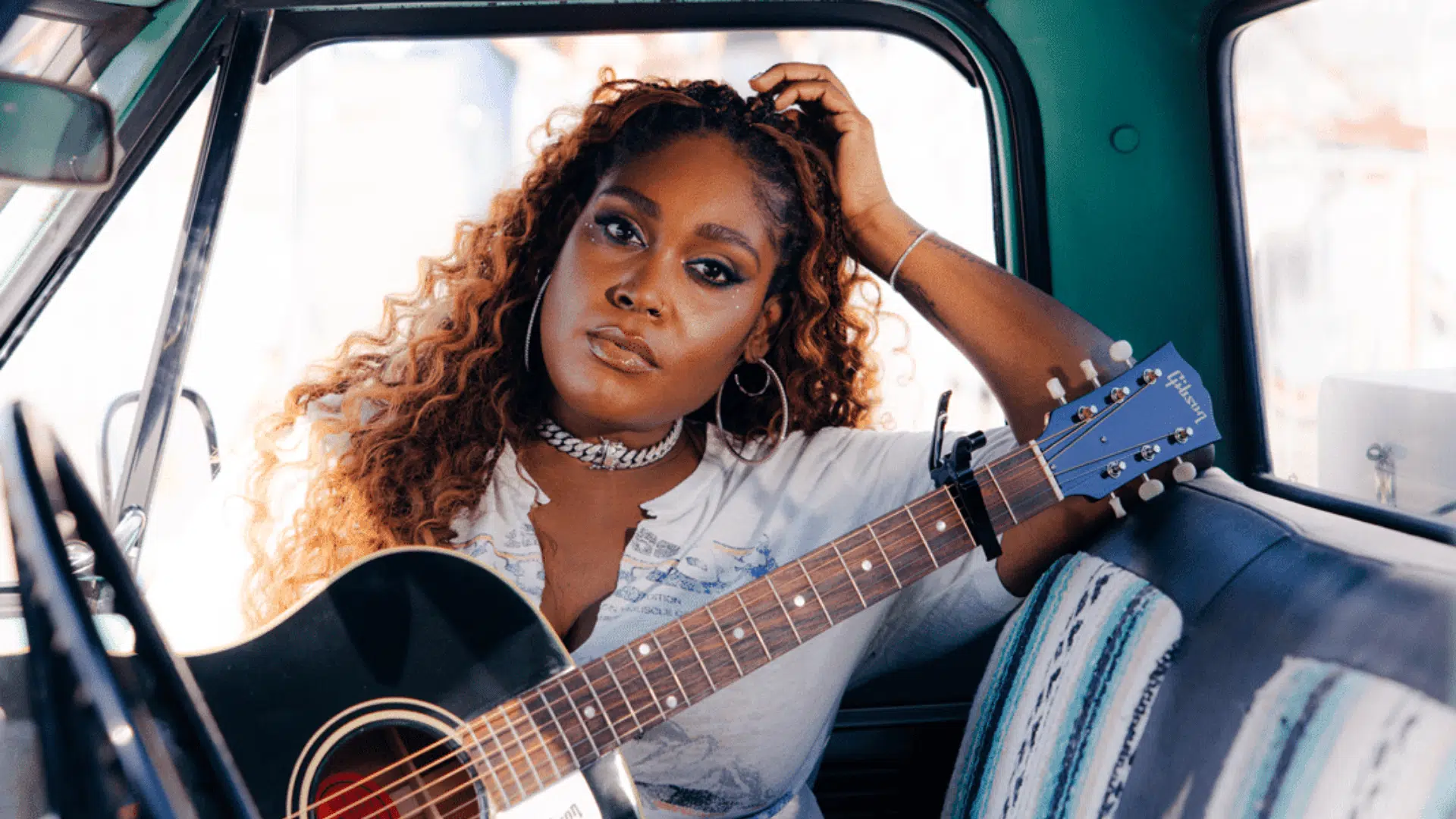
Brittney Spencer writes with detail and keeps her vocals front and center, leaning into country storytelling with a modern touch.
“Sincerely” is a strong starting track because it shows how she balances softness and honesty.
She has gained attention through festival slots, collaborations, and national coverage that pointed listeners toward a newer wave of Black country artists.
Her growth feels steady, built through writing rooms, live sets, and word of mouth.
20. Willie Jones
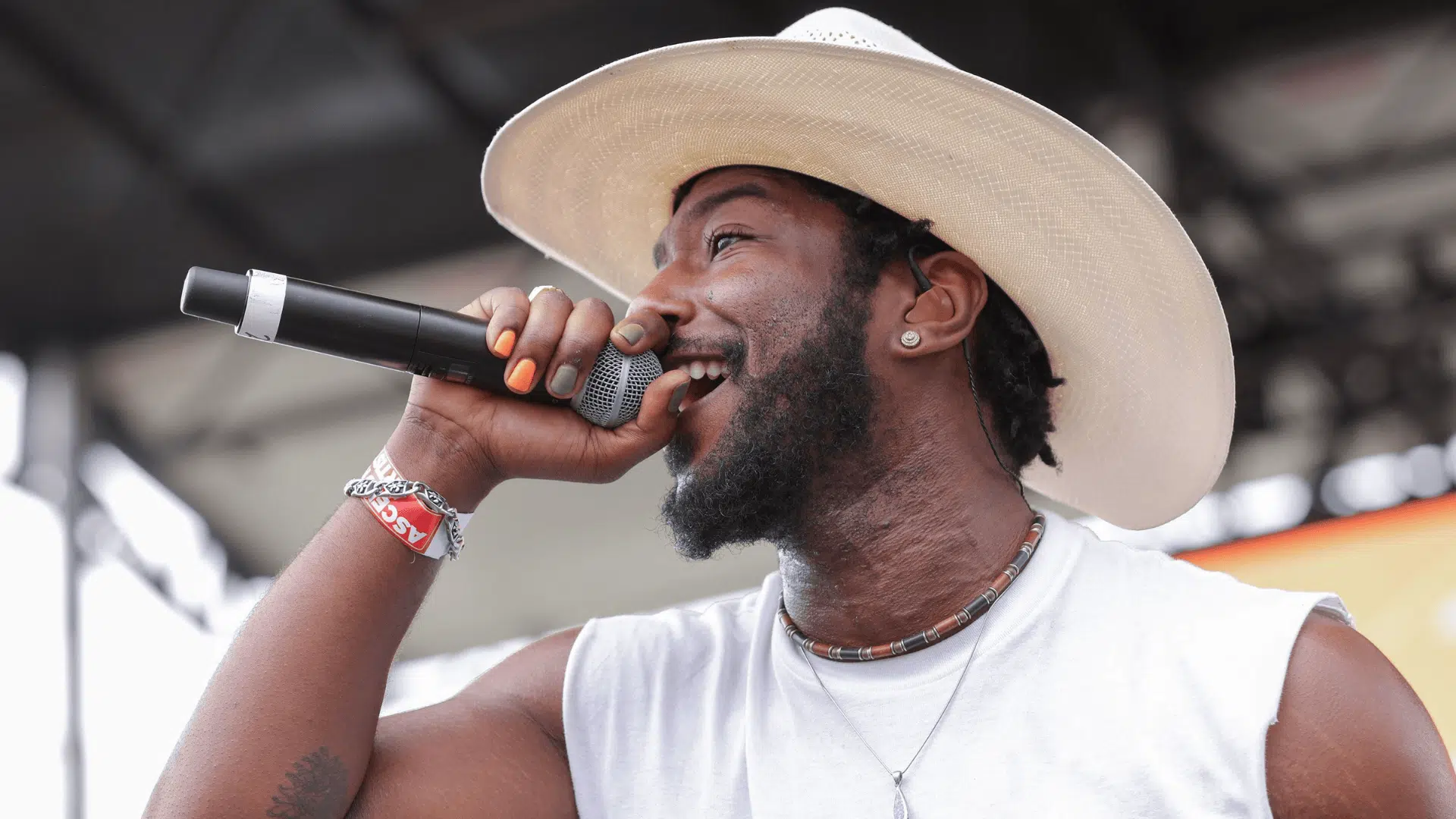
Willie Jones blends Southern country with hip-hop and soul influences without treating any style as a costume.
“American Dream” is a good place to start because it focuses on identity and belonging while still feeling grounded in country themes.
He has built a touring base and steady media attention as one of the few Black men with regular visibility in country spaces. His work shows how genre blending can still keep the storytelling at the center.
21. Tiera Kennedy
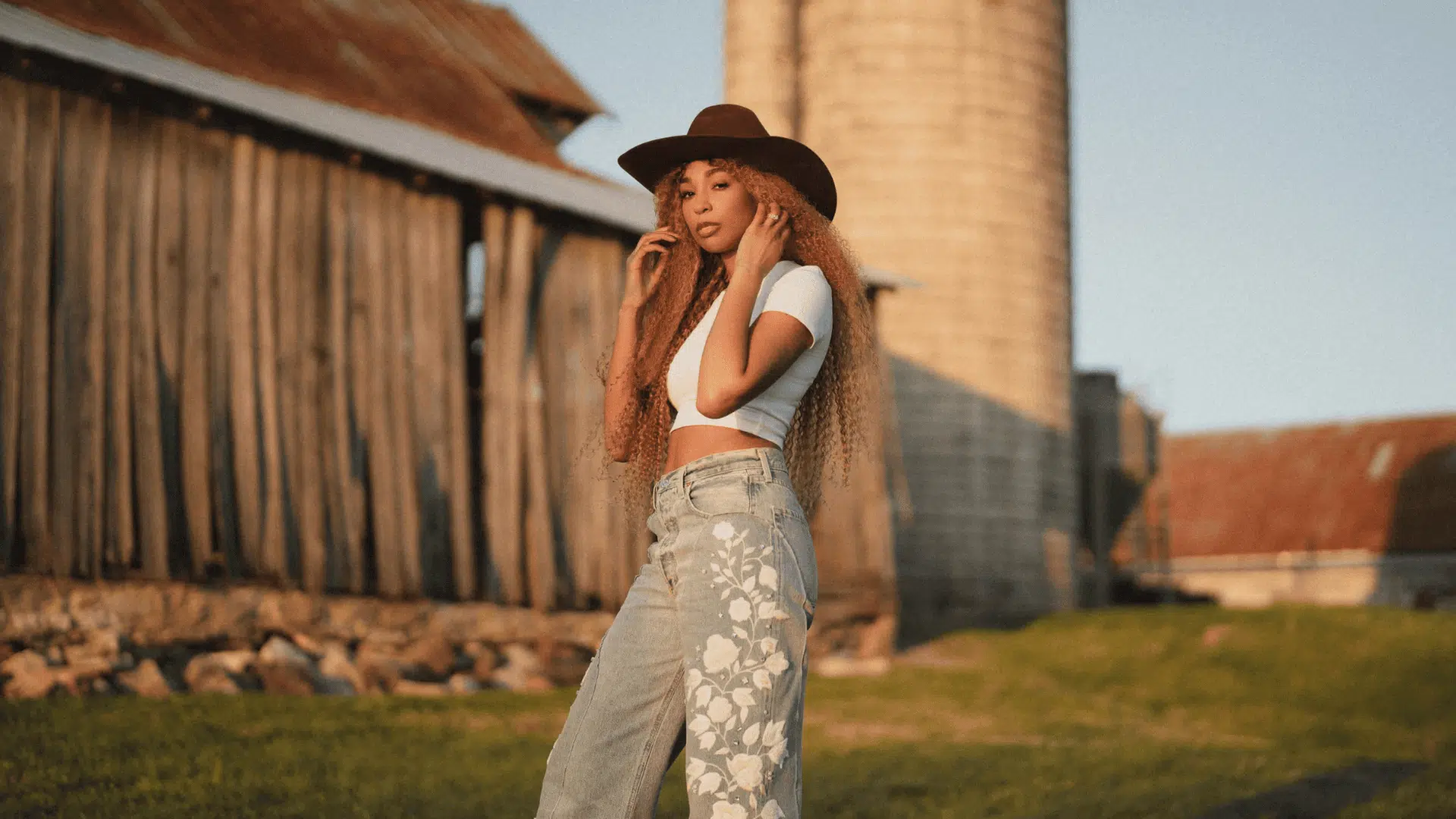
Tiera Kennedy combines country writing with a gospel-trained vocal approach, which gives her songs both clarity and lift.
“Found It in You” is a good first listen because it shows her tone and her songwriting style. She signed with major Nashville teams early in her career and has become a consistent name in the current wave of Black country women.
Her presence in showcases, features, and writer rooms shows how careers are often built through steady work, not quick hype.
Impact And Contributions Of Black Artists In Country Music
Country music makes more sense when you look at who helped build the sound, not just who got the biggest spotlight.
- They shaped early country performance, from string-band roots to radio-era stages and touring circuits.
- They widened the sound by incorporating gospel phrasing, blues feeling, soul vocals, folk storytelling, and modern pop structures.
- They pushed back on gatekeeping by releasing strong records and staying on the road, even when radio and major tours moved slowly.
- They created new routes to fans through streaming, social media, and artist-led touring groups that do not depend on old systems.
- They kept country themes intact while adding fuller stories about identity, place, work, faith, love, and loss.
When you listen across time, you can hear how these contributions became part of “country” itself, even when the credit didn’t follow.
Conclusion
If you learned about the country mainly through the radio, this list may feel like missing chapters finally showing up.
Black country singer voices have always been part of the sound, from early radio stages to today’s streaming hits. Their impact is not only about firsts, even though those milestones matter.
It is also about how they shaped instruments, vocal style, songwriting, and even who feels welcome as a fan.
When you listen across decades, you can hear the same country themes told from different angles: home, love, faith, work, and hard choices.