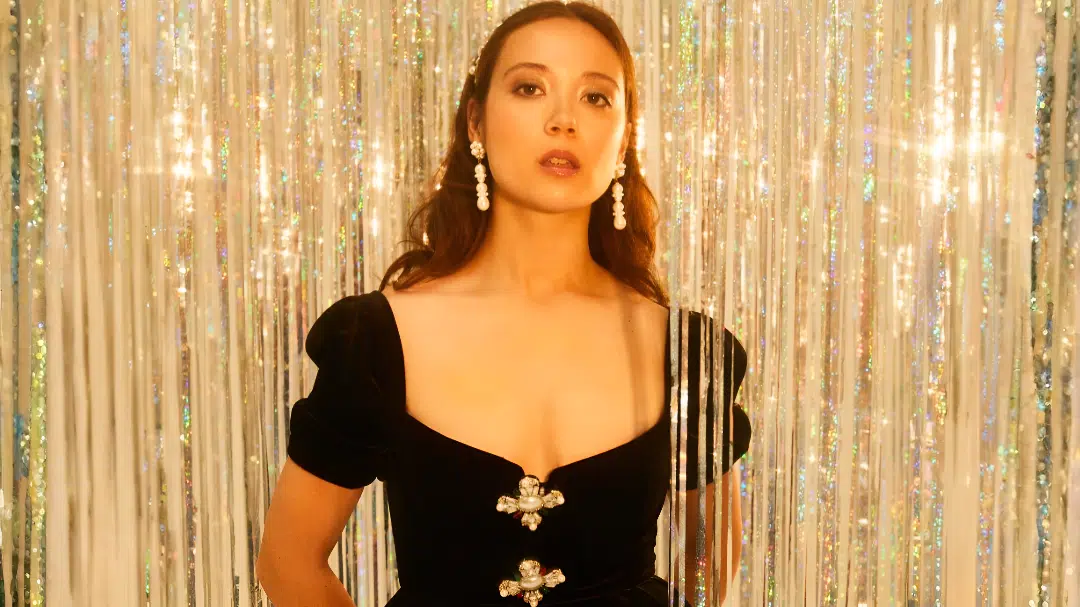
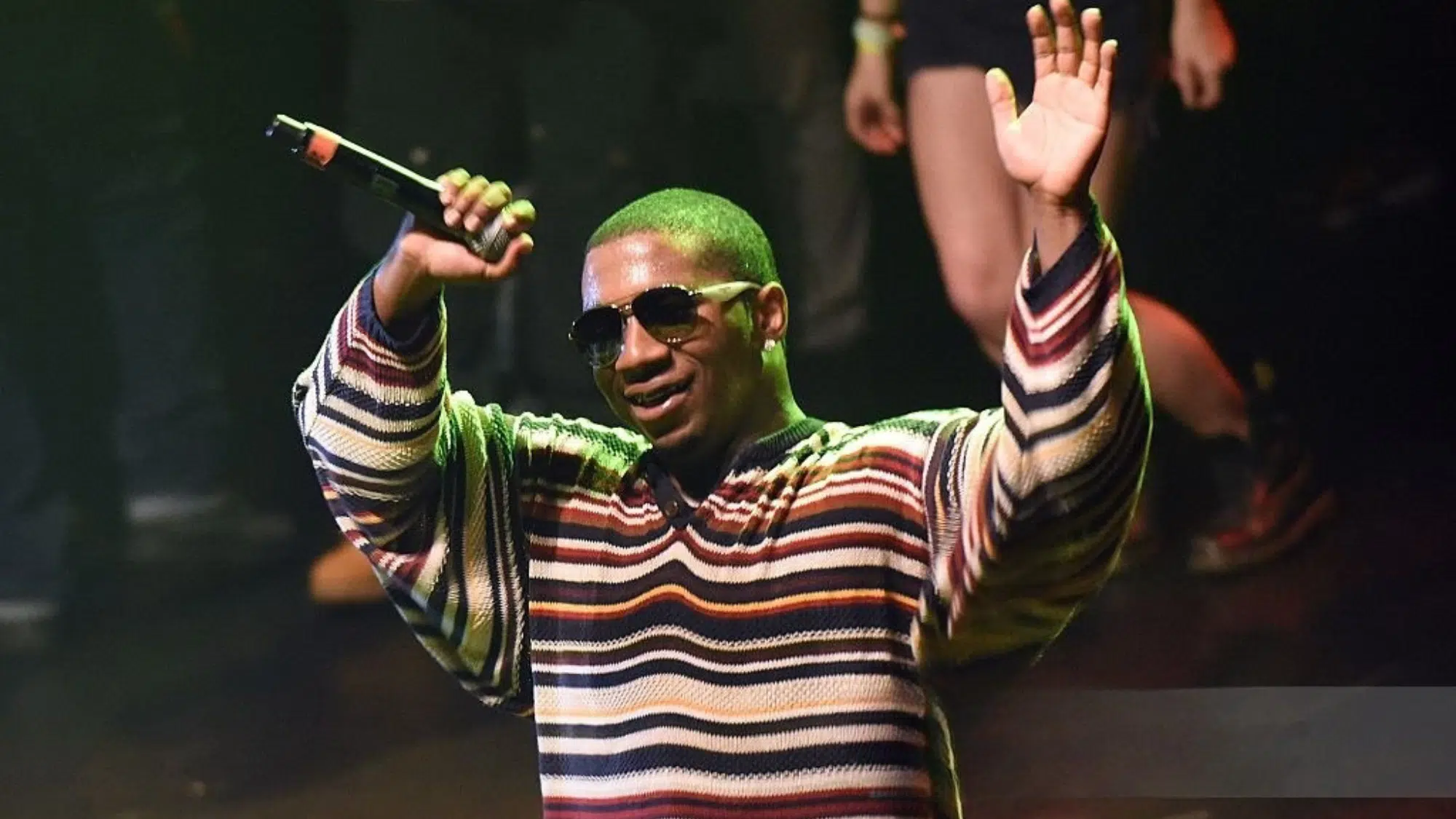
Cloud rap artists have redefined hip-hop by creating atmospheric, dreamy soundscapes that prioritize mood over traditional rap conventions.
Emerging in the late 2000s, these cloud rap artists built their careers through internet platforms, bypassing traditional industry gatekeepers. The genre combines reverb-heavy production, lo-fi aesthetics, and introspective lyrics to create a floating, ethereal sound.
From pioneers like Lil B and Clams Casino to mainstream success stories like A$AP Rocky, cloud rap artists have influenced modern hip-hop’s melodic direction.
What Is Cloud Rap?
Cloud rap emerged in the late 2000s and early 2010s as a subgenre of hip-hop that prioritizes atmospheric production, reverb-heavy beats, and introspective lyrics.
The sound draws heavily from ambient music, shoegaze, and experimental electronic production, creating a dreamy, floating quality that sets it apart from traditional rap music.
The genre gets its name from the hazy, ethereal instrumentals that feel like floating through clouds. Producers often use pitched-down vocals, spacious reverb, and lo-fi production techniques to create a distinctive sonic landscape.
Artists in this space tend to focus on mood and atmosphere over technical rap prowess, though many are skilled lyricists in their own right.
The Origins and Evolution of Cloud Rap
Cloud rap’s roots can be traced to the Memphis rap scene of the 1990s, with artists like Three 6 Mafia pioneering the dark, atmospheric sound that would later influence the genre.
The internet played a crucial role in cloud rap’s development, with platforms like Tumblr, SoundCloud, and YouTube allowing artists to share music directly with fans without traditional industry gatekeepers.
The genre reached mainstream attention in the early 2010s, with artists gaining significant followings online before securing major label deals.
The DIY ethic and internet-native approach to music distribution became defining characteristics of the cloud rap movement.
Essential Cloud Rap Artists
Cloud rap isn’t just a sound-it’s a feeling. It blends dreamy, atmospheric production with emotive, often introspective lyrics, creating a unique space in hip-hop.
The artists who pioneered cloud rap brought a new energy to the genre, pushing boundaries and inspiring a generation of musicians.
These essential cloud rap artists not only defined the genre’s core but also transformed how we experience music. Here’s a look at the key figures who made cloud rap a defining force in modern hip-hop.
1. Lil B
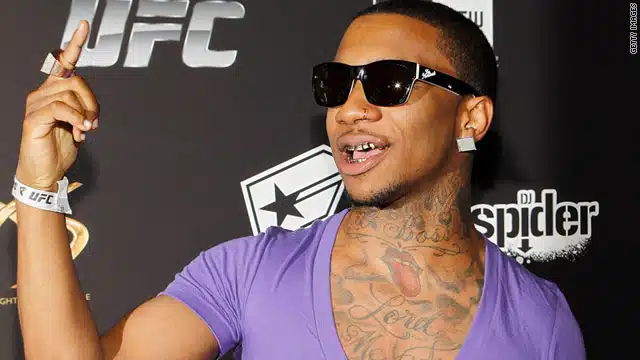
Often credited as one of the genre’s founding figures, Lil B (Brandon McCartney) built a massive cult following through his prolific output and positive philosophy.
His experimental approach to rap and willingness to embrace unconventional production helped establish cloud rap’s aesthetic.
The Bay Area native’s fearless experimentation with lo-fi beats and stream-of-consciousness lyrics made him a pioneer who valued creative freedom over commercial appeal, transforming how rappers could use the internet to connect directly with fans.
Key Achievements: Released over 3,000 songs throughout his career and pioneered the “Based” philosophy that influenced internet culture and modern rap’s approach to positivity.
His 2010 mixtape “6 Kiss” is considered a foundational cloud rap project, and he became one of the first rappers to leverage social media for direct fan engagement.
2. A$AP Rocky
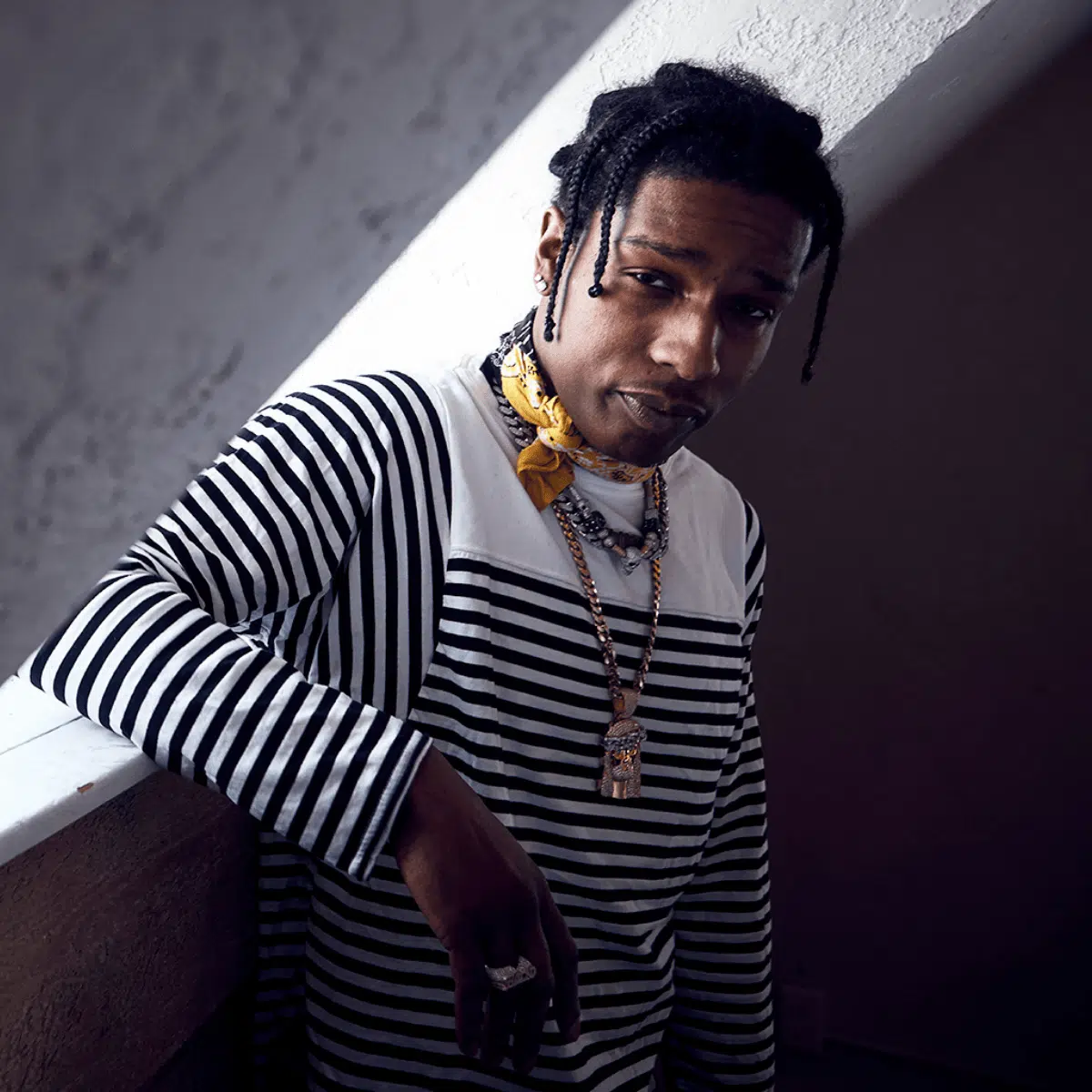
A$AP Rocky helped bring cloud rap to broader audiences with his 2011 mixtape Live.Love.A$AP. His collaborations with producer Clams Casino helped shape the genre’s airy, atmospheric sound and showed it could connect beyond the underground.
By blending high fashion, street credibility, and hazy production, Rocky became one of the first major mainstream stars closely tied to cloud rap.
Key Achievements: His debut album LONG.LIVE.A$AP debuted at No. 1 on the Billboard 200 in 2013 and went on to sell over 3 million records worldwide.
He earned multiple Grammy nominations and helped push cloud rap into wider mainstream attention, while building A$AP Mob into a significant force in music and fashion.
3. Clams Casino

Producer Clams Casino (Mike Volpe) is arguably the most influential beatmaker in cloud rap history. His instrumental mixtapes and work with various artists defined the genre’s sonic palette with lush, sample-heavy productions.
The New Jersey producer’s use of chopped, ethereal vocal samples, heavy reverb, and unconventional song structures created the blueprint for atmospheric hip-hop production that continues to influence producers today.
His ability to create emotion through texture and space revolutionized hip-hop production.
Key Achievements: Produced breakthrough tracks for A$AP Rocky (“Wassup,” “Bass”), Lil B (“I’m God”), and Mac Miller that defined the early 2010s sound, with his “Instrumentals” mixtape series receiving critical acclaim from Pitchfork (8.3 rating).
Later transitioned to producing for mainstream artists, including Vince Staples, FKA twigs, and Lana Del Rey, releasing two acclaimed solo albums.
4. Yung Lean
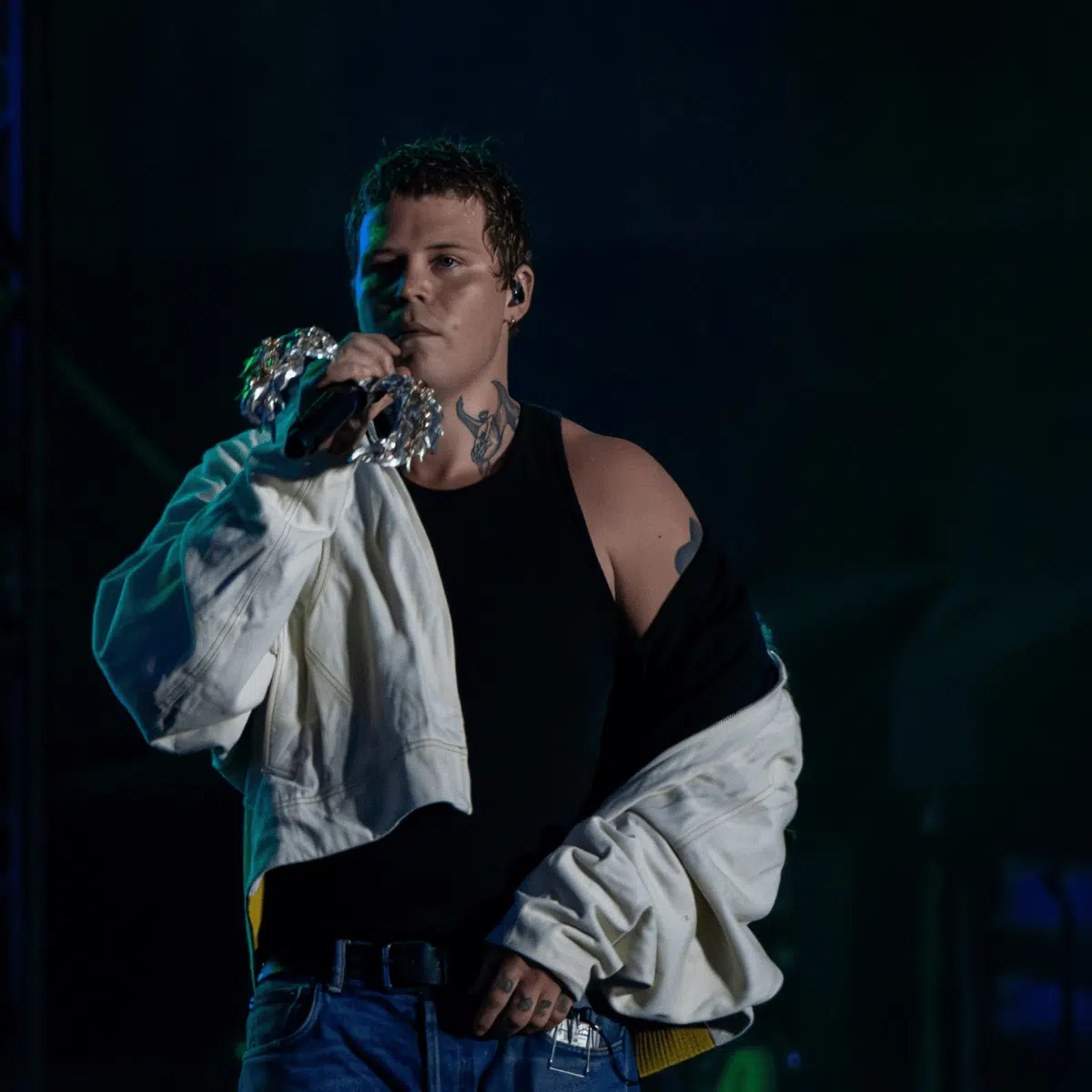
Swedish rapper Yung Lean brought an international perspective to cloud rap. His melancholic style and internet-savvy approach to marketing made him a central figure in the genre’s second wave.
At just 16 years old, the Stockholm native captured the attention of global youth with his sad, luxury-obsessed persona that resonated with disaffected teenagers worldwide.
His Sad Boys Entertainment collective became a cultural movement that influenced fashion, aesthetics, and the emotional direction of modern rap beyond just music.
Key Achievements: His viral hit “Ginseng Strip 2002” has over 40 million views on YouTube and became an anthem for internet-native youth culture, while he sold out international tours across Europe, North America, and Asia.
Released six studio albums with “Stranger” (2017) and “Stardust” (2022), receiving widespread critical praise, proving cloud rap’s international viability.
5. Bones
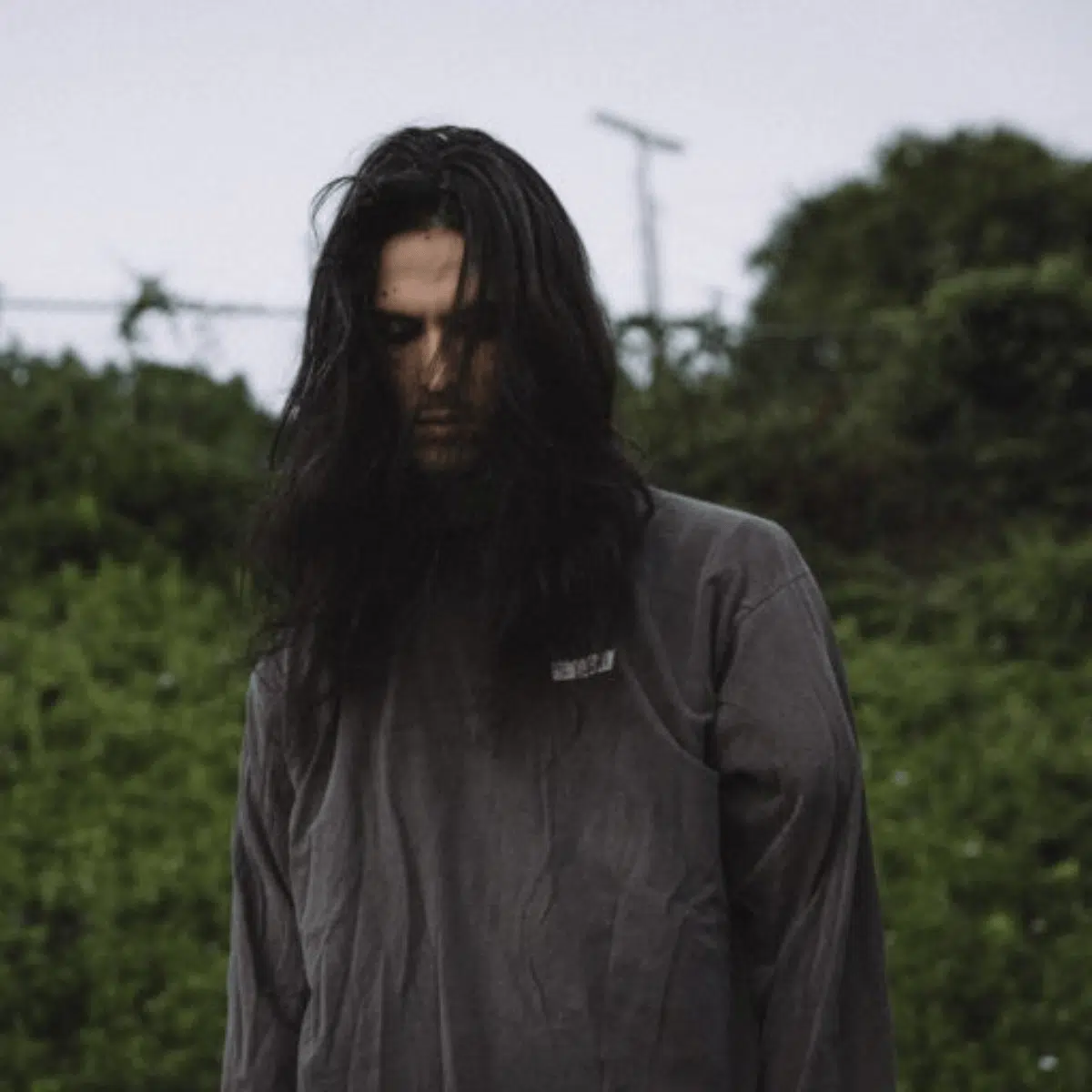
Bones (Elmo Kennedy O’Connor) represents the underground side of cloud rap. His prolific output and refusal to work with major labels made him an influential figure for independent artists in the genre.
The Los Angeles-based artist’s relentless work ethic and DIY approach created a blueprint for sustainable independent careers in hip-hop.
His versatility across multiple styles from aggressive rap to melodic singing showcased cloud rap’s range and proved that artists could build substantial careers entirely outside the traditional music industry.
Key Achievements: Released over 80 projects since 2012 while maintaining complete creative control and ownership, building a massive independent fanbase with hundreds of millions of streams without radio play or significant label support.
His TeamSESH collective became one of underground hip-hop’s most influential crews, pioneering the frequent release strategy that became standard in the SoundCloud era.
6. Main Attrakionz
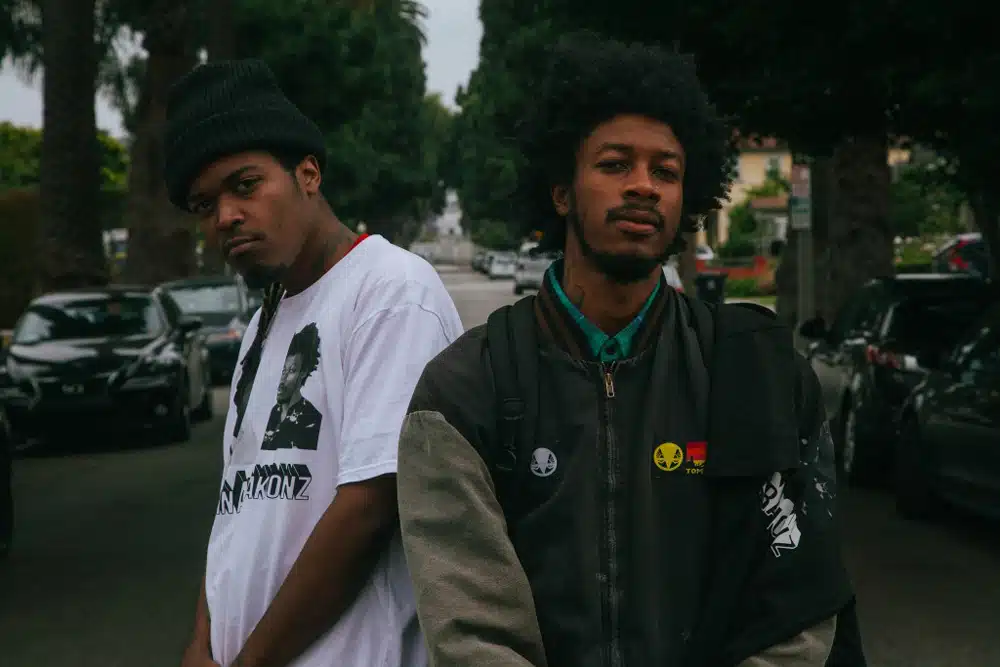
The Bay Area duo of Mondre M.A.N. and Squadda B helped establish cloud rap’s West Coast presence. Their 2011 album “808s & Dark Grapes II” remains a genre touchstone.
The Oakland natives brought a distinctly Californian, psychedelic flavor to cloud rap, connecting the genre to the Bay Area’s rich tradition of innovative hip-hop.
Their laid-back delivery over hazy, sample-heavy beats created a dreamy, hypnotic sound that captured the feeling of floating through Bay Area fog.
Key Achievements:Released multiple critically acclaimed mixtapes, including the “808s & Dark Grapes” series, which helped define the Bay Area cloud rap sound, with their song “Chuch” becoming an underground hit.
Collaborated with producers like Clams Casino, Friendzone, and Harry Fraud, helping bridge the gap between hyphy music and cloud rap aesthetics.
7. Lil Ugly Mane
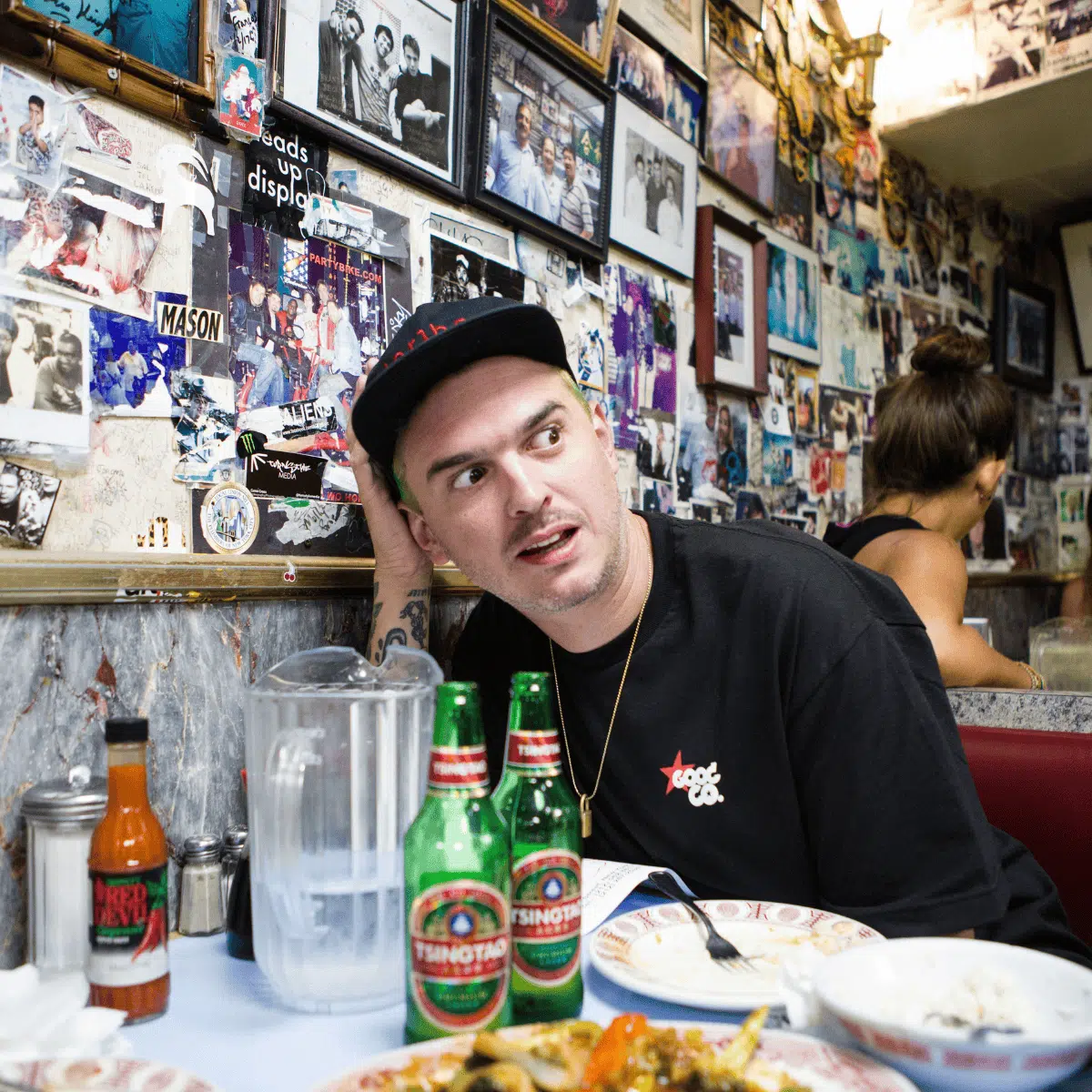
Travis Miller’s Lil Ugly Mane project combines cloud rap aesthetics with Memphis rap influences and experimental noise elements, creating a darker, more aggressive take on the genre.
The Richmond, Virginia, artist’s technical prowess as both rapper and producer set him apart, delivering complex wordplay over intricate, sample-heavy production.
His willingness to blur genre boundaries between cloud rap, Memphis horrorcore, and experimental noise created one of the genre’s most unique and challenging sounds.
Key Achievements: “Mista Thug Isolation” (2012) received widespread critical acclaim from Pitchfork and is considered one of underground hip-hop’s essential albums of the 2010s.
Successfully balanced three distinct musical personas: Lil Ugly Mane for rap, Shawn Kemp for experimental music, and Bedwetter for abstract hip-hop while maintaining cult status.
8. Robb Bank$
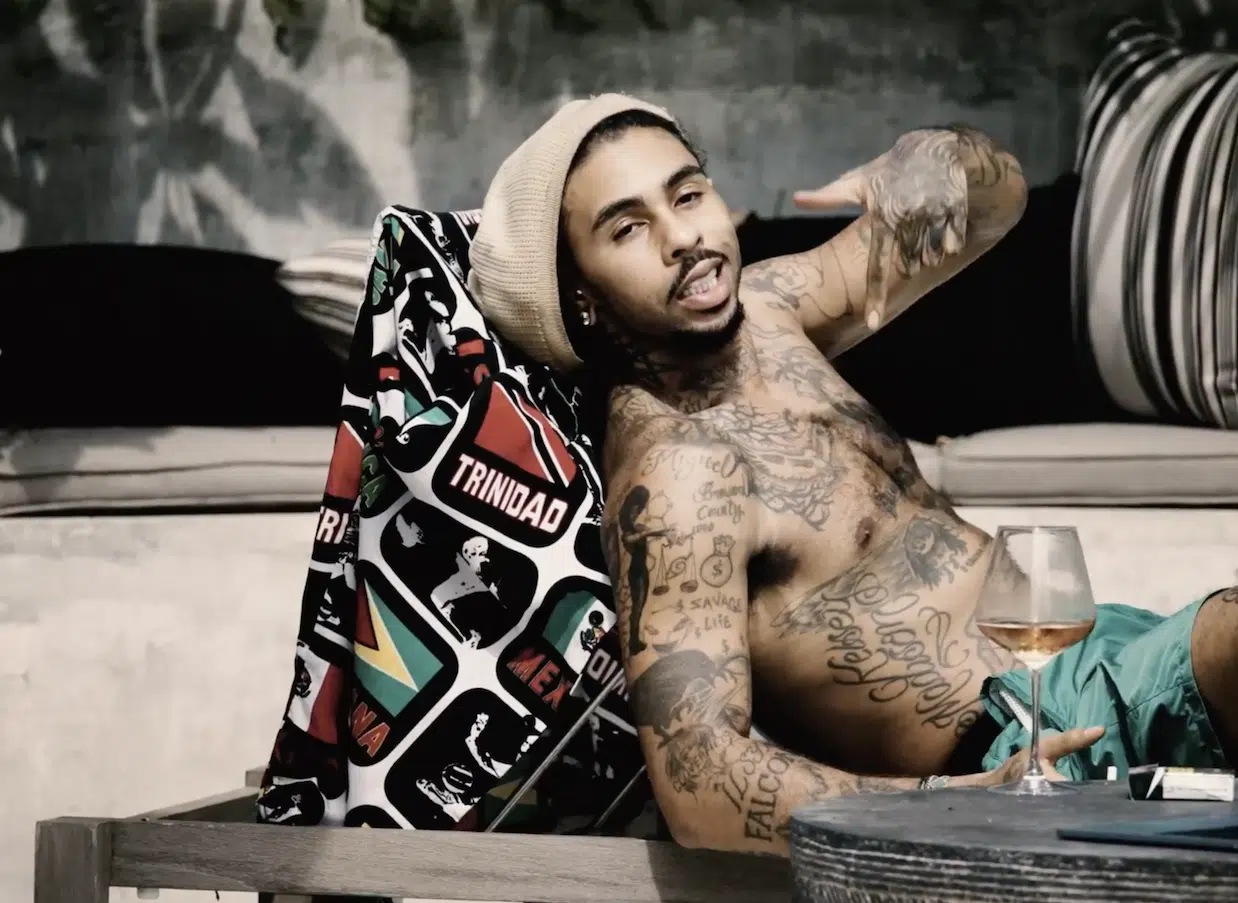
Son of Jamaican reggae artist Shaggy, Robb Bank$ brought a melodic sensibility to cloud rap. His Florida roots and genre-blending approach expanded the style’s boundaries.
The Broward County native combined Caribbean influences with cloud rap production, creating a unique sound that bridged multiple musical traditions.
His early adoption of singing-rapping techniques and melodic flows influenced the direction of mainstream hip-hop, predating artists like Lil Uzi Vert and Juice WRLD by several years.
Key Achievements: His mixtapes “Calendars” (2012) and “Tha City” (2013) gained significant underground attention and showcased his innovative melodic approach.
His melodic flow influenced the wave of melodic rappers that emerged in the mid-2010s, predating the mainstream acceptance of singing-rapping techniques.
9. Spaceghostpurrp
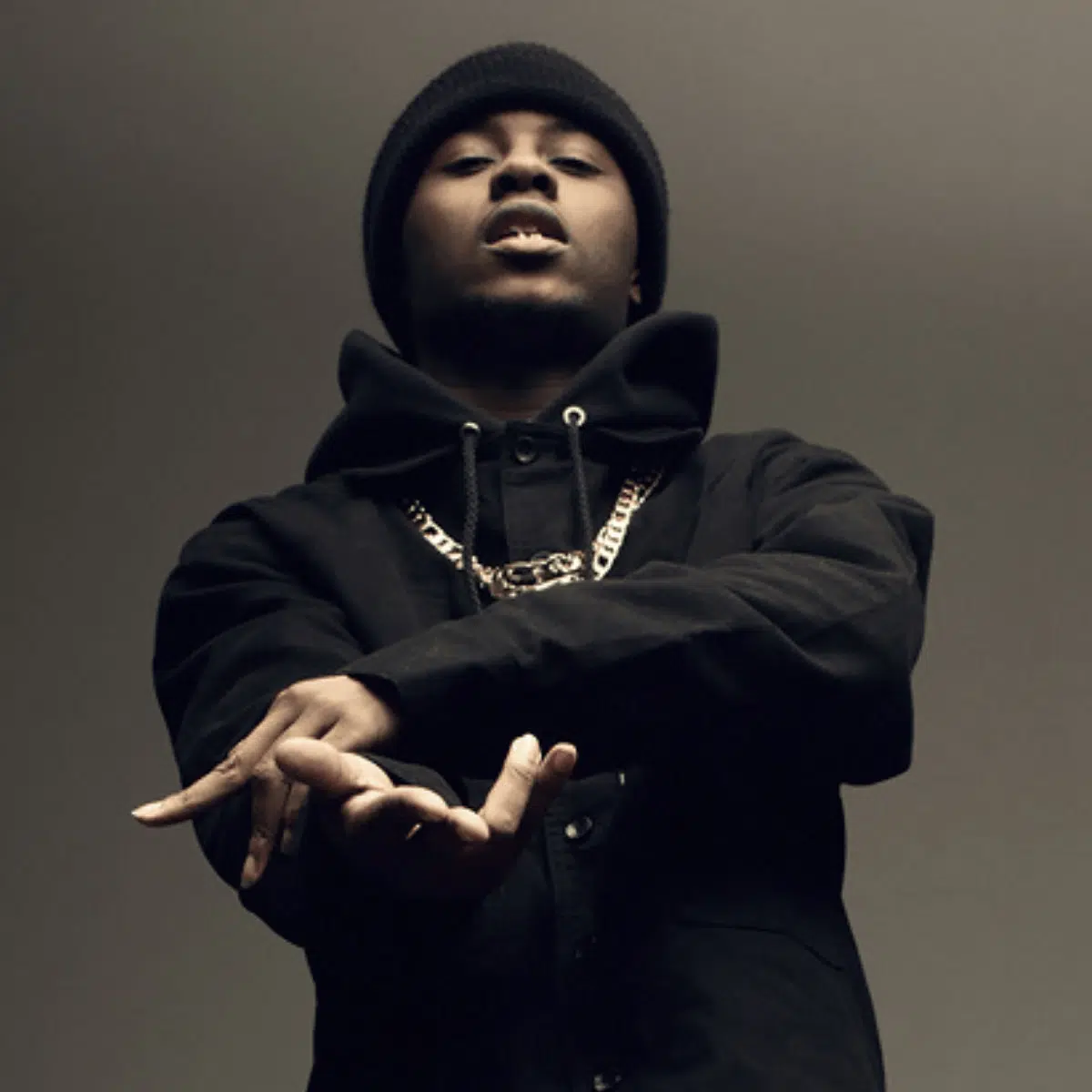
A key figure in establishing cloud rap’s darker aesthetic, Spaceghostpurrp’s production work drew heavily from 1990s Memphis rap while incorporating modern production techniques.
He founded the influential Raider Klan collective, which became a breeding ground for talented cloud rap artists.
The Miami native’s dark, occult-tinged production style and aggressive approach created a grittier variant of cloud rap that influenced the genre’s evolution toward darker sounds and the eventual emergence of the phonk subgenre.
Key Achievements:Produced early tracks for AAPRocky, including “Get Lit” and “Pretty Flacko,” which helped shape the entire AAP Mob sound and founded Raider Klan, launching the careers of Denzel Curry and other influential artists.
His mixtape “Blvcklvnd Rvdix 66.6” (2011) became a cult classic, and his production style directly influenced the “phonk” subgenre that gained mainstream popularity years later.
10. Denzel Curry
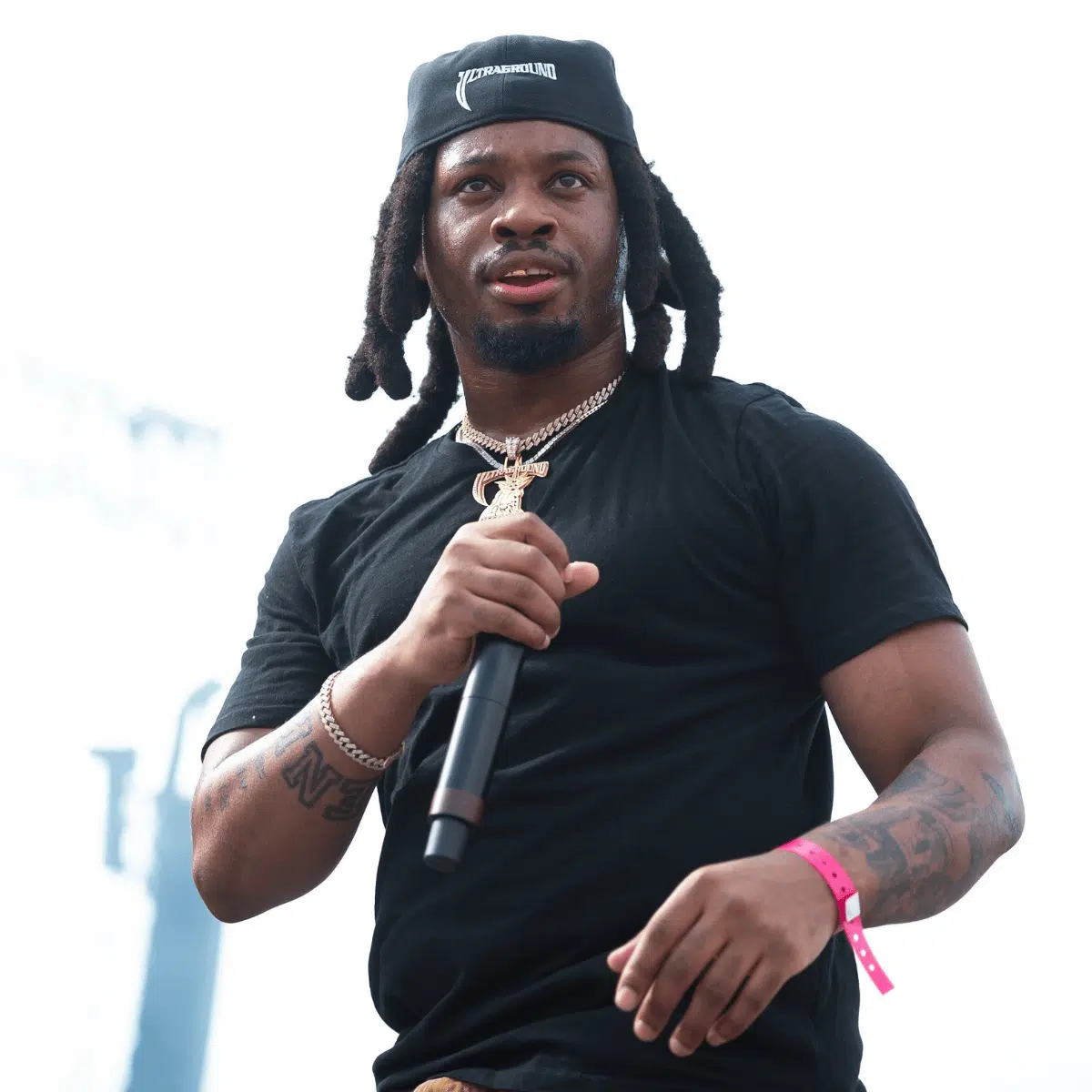
Though Denzel Curry has evolved beyond cloud rap, his early work with Raider Klan helped define the genre’s aggressive, high-energy variant.
The Carol City, Florida native’s technical ability and versatility allowed him to bridge underground cloud rap with more mainstream sounds.
His evolution from Raider Klan member to respected mainstream artist demonstrates cloud rap’s ability to serve as a launching pad for broader artistic careers, showing that the genre could cultivate artists capable of transcending its boundaries.
Key Achievements: His breakout single “Ultimate” went viral with hundreds of millions of streams, becoming a cultural phenomenon used in sports arenas and viral videos worldwide.
Released critically acclaimed albums, including “TA13OO” (2018) and “ZUU” (2019), successfully transitioning from underground cloud rap to mainstream recognition while maintaining artistic credibility.
11. Spark Master Tape
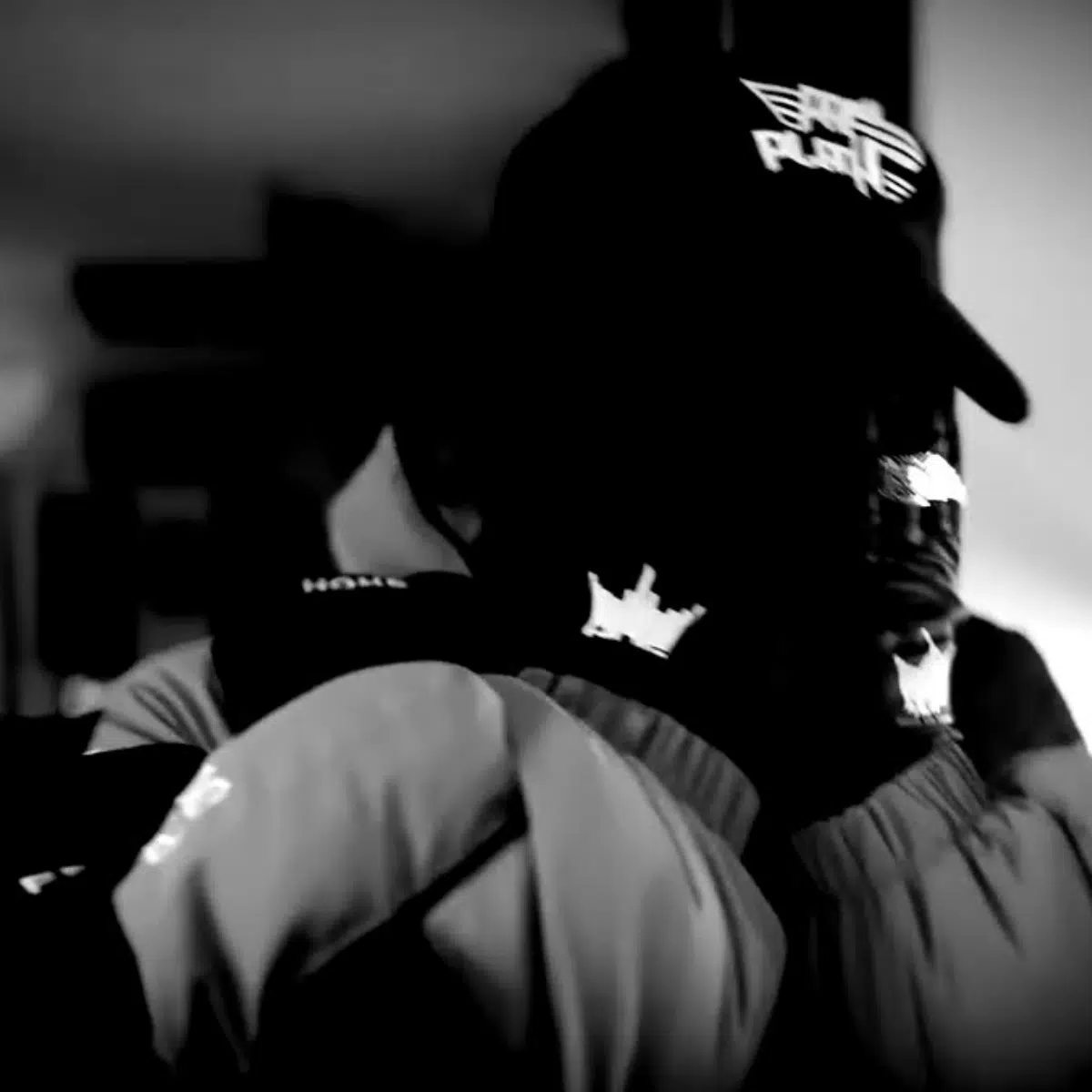
The mysterious Spark Master Tape uses pitch-shifted vocals and atmospheric production to create a unique sound within the genre. His anonymity adds to his cult appeal.
Operating without revealing his identity, he built a dedicated following based purely on musical strength and enigmatic persona.
His distorted, pitch-shifted delivery over spacey, sample-heavy beats created a sound that was simultaneously menacing and ethereal, pushing cloud rap into more experimental territory while maintaining the genre’s core atmospheric qualities.
Key Achievements: Released the critically acclaimed “#SWOUP Serengeti” mixtape in 2013, which garnered attention from major music publications despite his complete anonymity.
His production style influenced numerous artists working with distorted, pitched vocals, while maintaining complete mystery regarding his identity for years, creating intense speculation within hip-hop communities.
12. ICYTWAT
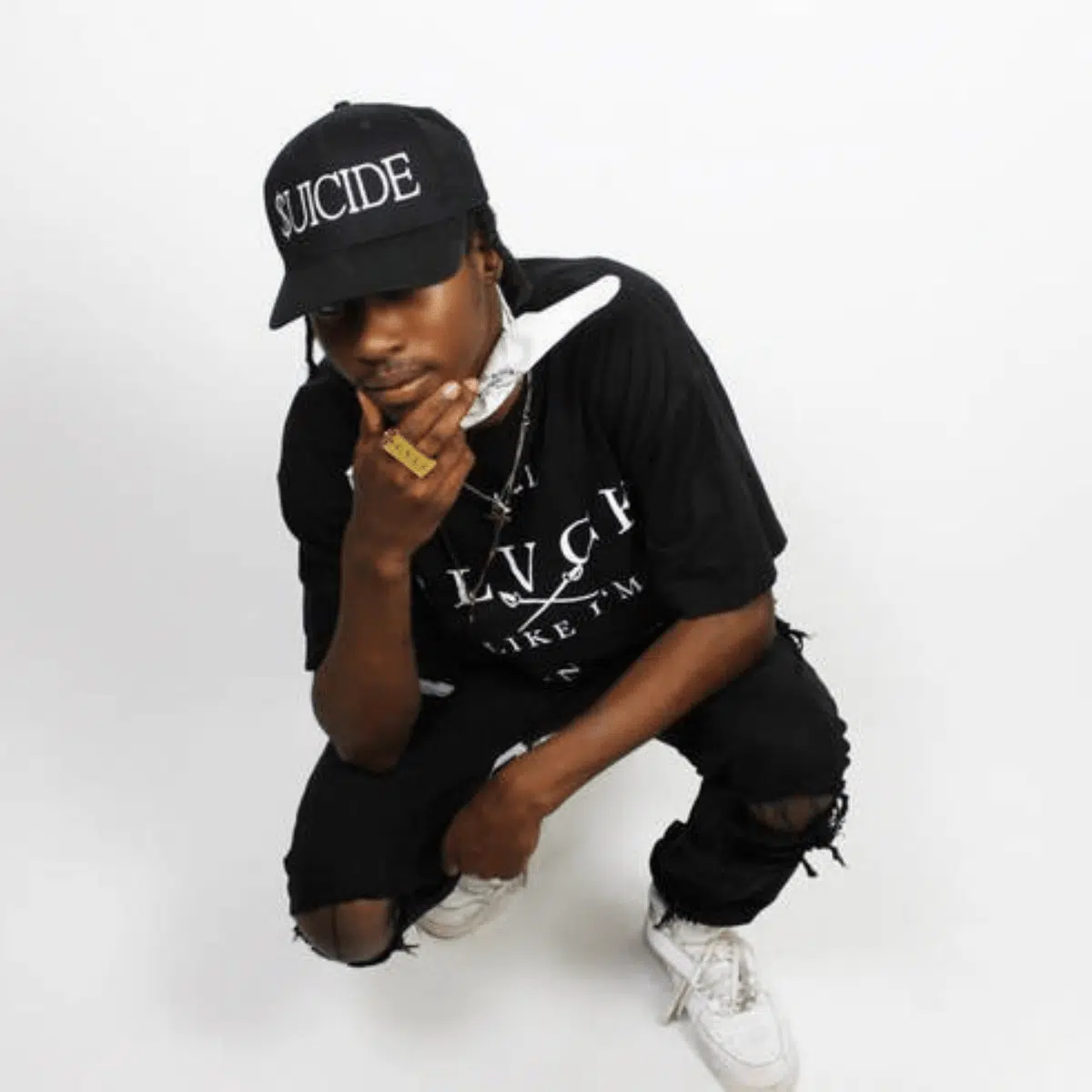
Producer and rapper ICYTWAT represents the genre’s evolution into the mid-2010s, blending cloud rap with trap and R&B influences.
The Atlanta-based artist’s production work helped shape the sound of artists who bridged cloud rap with more contemporary trap aesthetics.
His beats, characterized by spacey synths, bouncy drums, and melodic loops, influenced a generation of bedroom producers. His ability to blend cloud rap’s atmospheric qualities with trap’s energy created a blueprint for the genre’s modern evolution.
Key Achievements: Produced tracks for UnoTheActivist, Playboi Carti, and other influential SoundCloud-era rappers, helping define the sound of mid-2010s underground hip-hop.
His production style helped define the “plugg” subgenre that emerged from cloud rap’s evolution, influencing countless producers working in the atmospheric trap space.
13. Ethereal
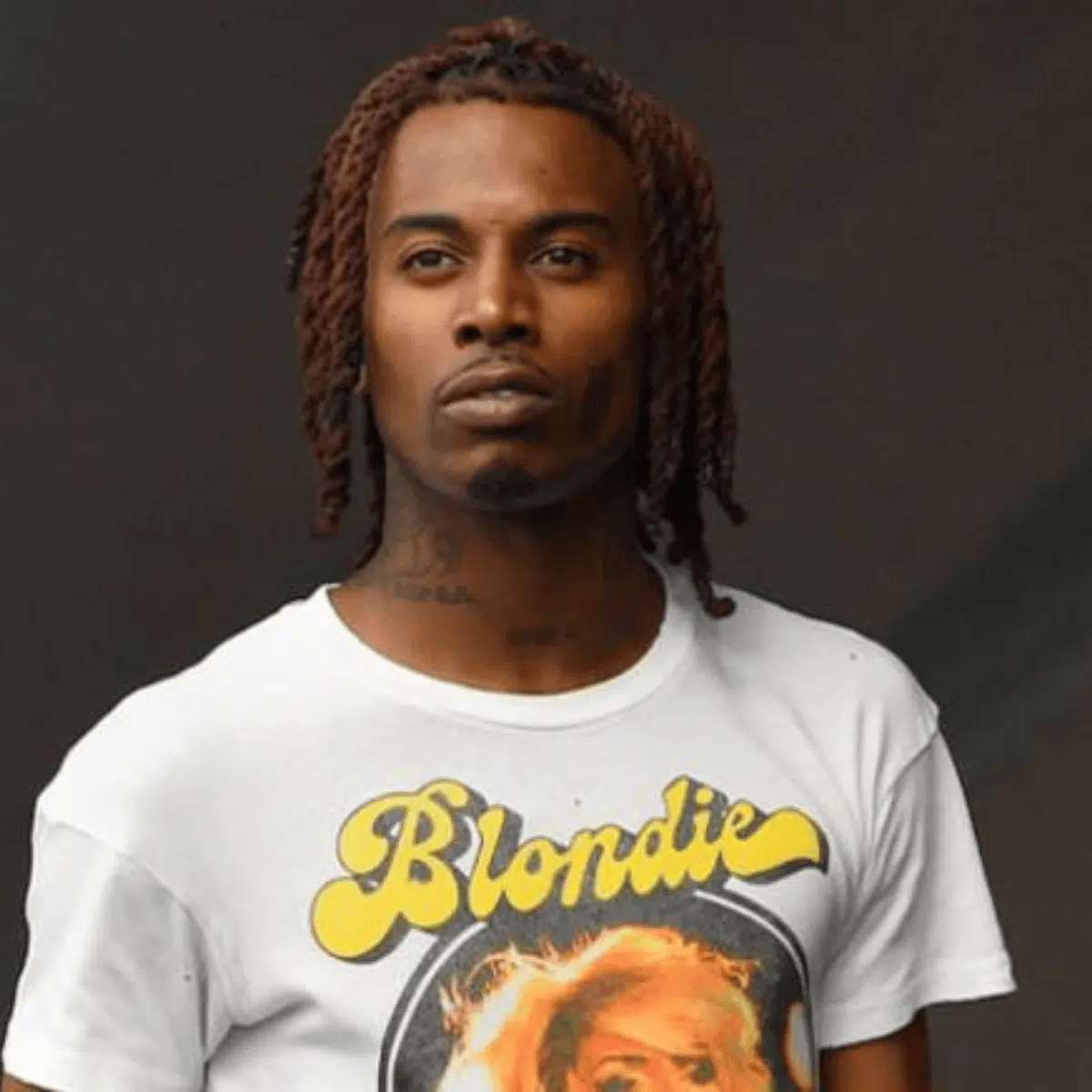
Atlanta-based rapper and producer Ethereal brought Southern hip-hop sensibilities to cloud rap, working frequently with Playboi Carti before Carti’s mainstream breakthrough.
His production laid the groundwork for the atmospheric trap sound that dominated the late 2010s.
As a member of Atlanta’s Awful Records collective, he helped connect cloud rap to the city’s experimental hip-hop scene, creating a bridge between internet-born cloud rap and Atlanta’s street rap traditions that proved hugely influential.
Key Achievements: Produced early Playboi Carti tracks that helped launch Carti’s career, including collaborations that showcased cloud rap’s influence on Atlanta’s sound.
His work with Awful Records connected cloud rap to Atlanta’s experimental hip-hop scene, helping establish Atlanta as a significant hub for cloud rap evolution.
14. Black Kray (Sickboi Rari)
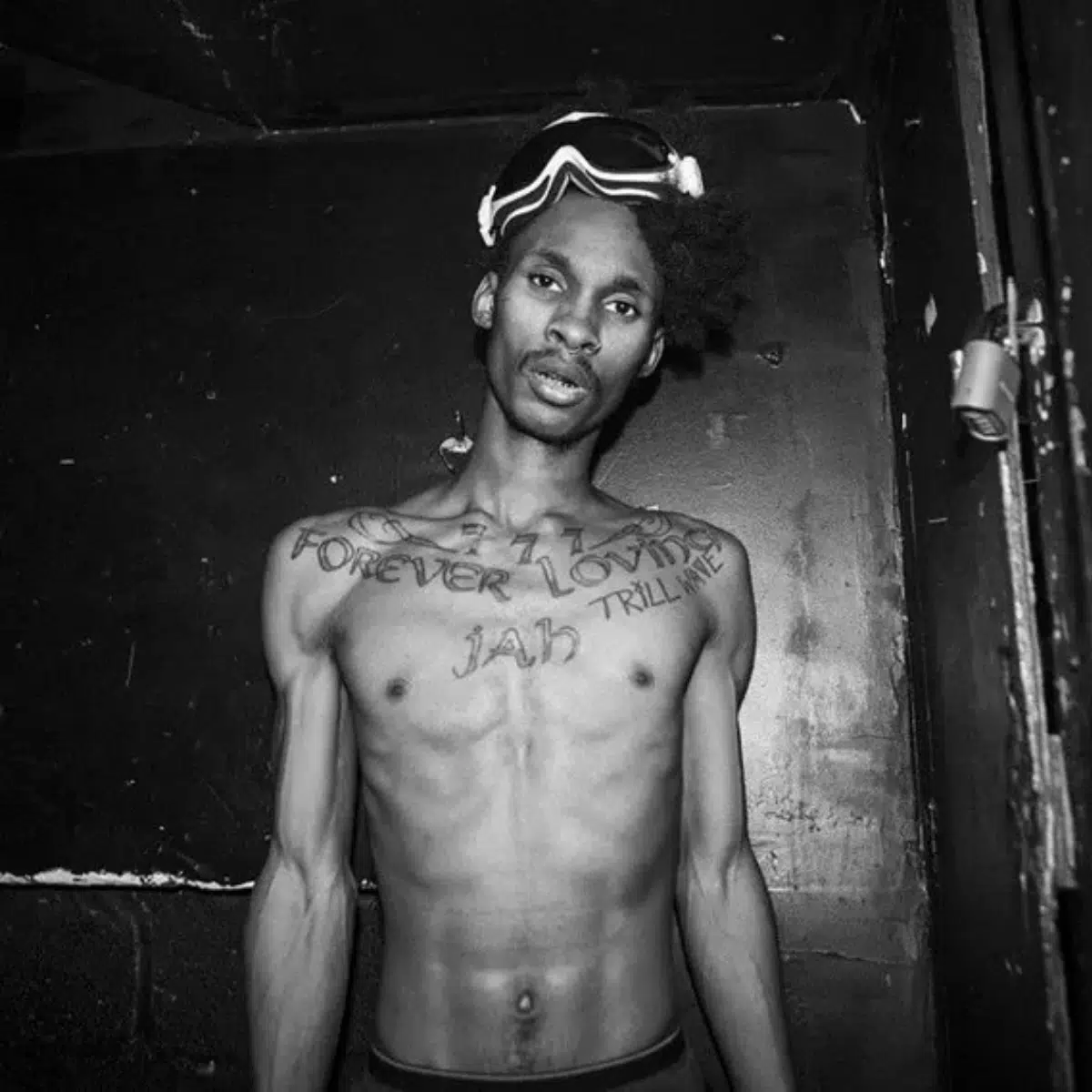
Black Kray’s experimental approach pushes cloud rap’s boundaries with abstract lyrics and unconventional song structures.
Operating under multiple aliases, he created a unique aesthetic that combined luxury imagery with lo-fi production and avant-garde sensibilities.
His willingness to prioritize artistic expression over accessibility made him a cult figure whose influence extended far beyond his commercial reach.
His fashion sense, visual aesthetic, and musical experimentation made him a crucial link between cloud rap and the experimental drain gang sound.
Key Achievements: Released dozens of projects that pushed cloud rap into more experimental territory, with his mixtapes alongside producers like Brandon Finessin creating a distinct subgenre.
Influenced artists like Bladee, Ecco2k, and the entire Drain Gang collective, while his fashion sense and visual aesthetic became highly influential in underground rap circles.
15. Xavier Wulf
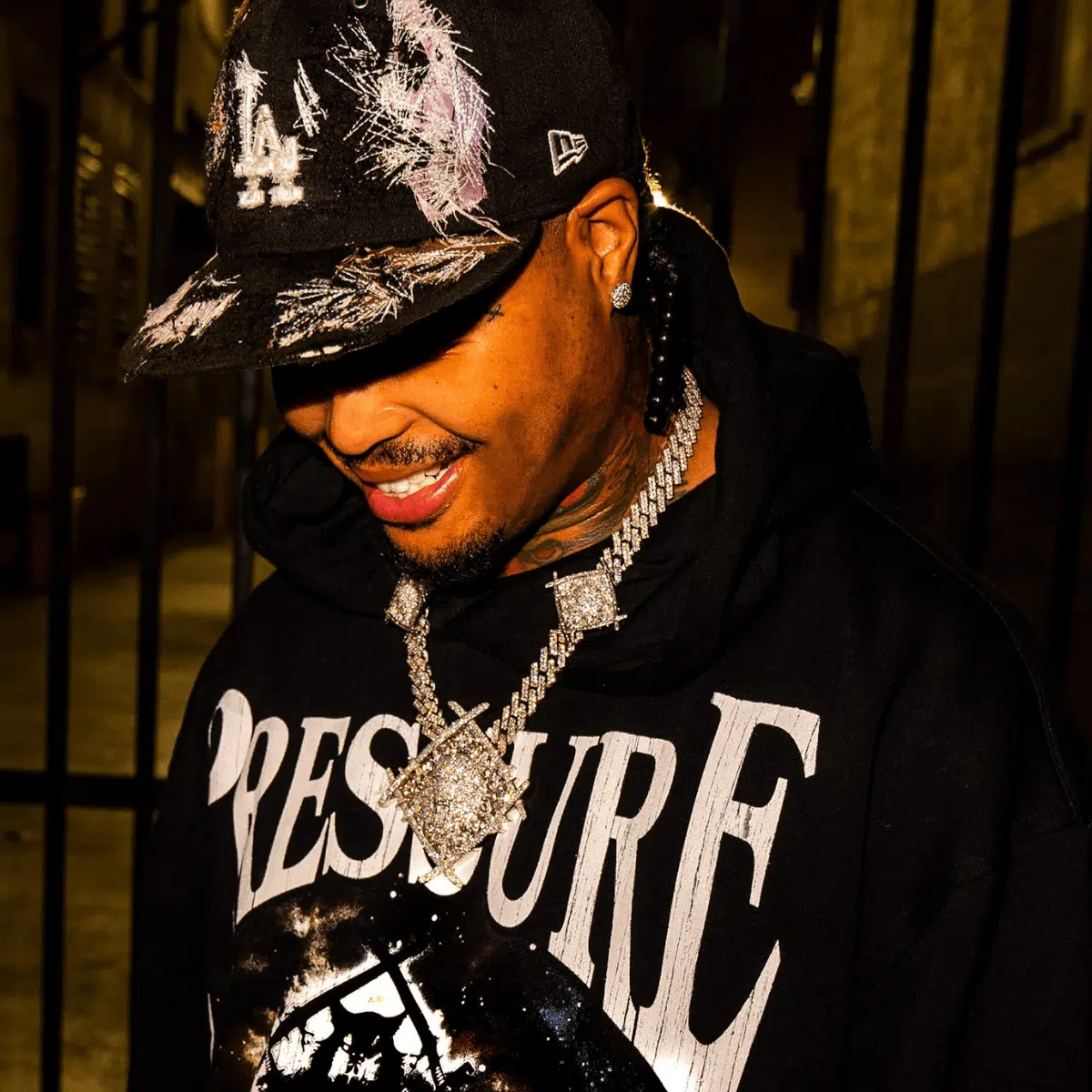
Formerly Ethelwulf, Xavier Wulf’s rapid-fire delivery over atmospheric beats creates a contrast that defines his contribution to the genre.
As a founding member of TeamSESH alongside Bones, he brought a more aggressive, technical approach to cloud rap’s typically laid-back style.
His Memphis-influenced flow over spacey production created a unique sound that showcased cloud rap’s versatility.
His consistent output and evolution across multiple waves of underground hip-hop demonstrate the genre’s capacity for longevity and artistic development.
Key Achievements: Released over 40 projects showcasing remarkable consistency and work ethic, with his “Project X” series and collaboration with Bones on “Caves” demonstrating his versatility.
Built a substantial independent fanbase with millions of streams while successfully maintaining relevance across multiple waves of underground hip-hop evolution.
16. Chris Travis
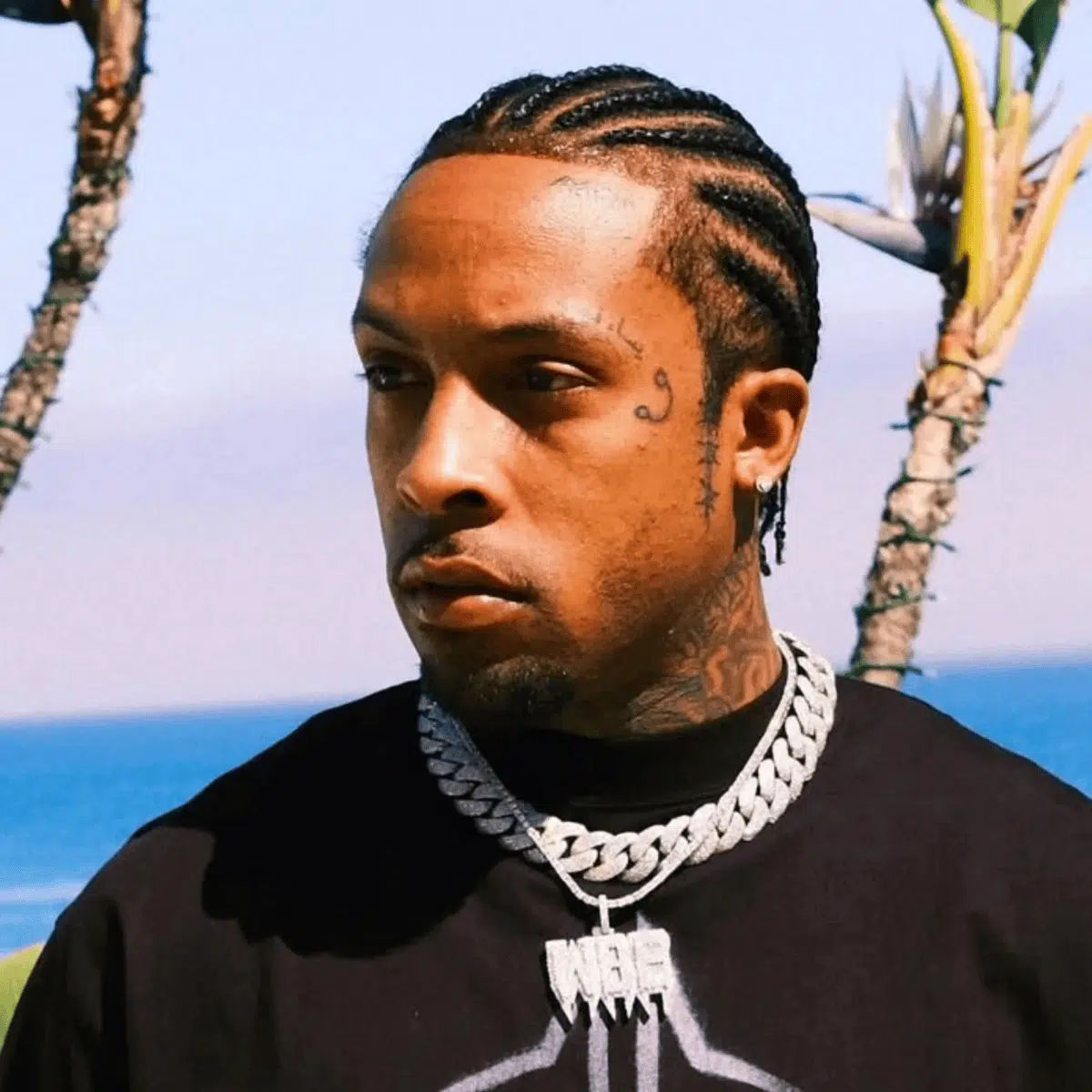
A consistent presence in underground cloud rap, Chris Travis’s extensive discography showcases the genre’s versatility and staying power.
As a founding member of TeamSESH, he brought a Southern rap influence to the collective’s sound. His ability to blend melodic hooks with more traditional rap verses made him a bridge between cloud rap and mainstream hip-hop.
His longevity and consistent quality across dozens of projects demonstrate that cloud rap could sustain long-term careers for artists willing to maintain artistic integrity while constantly evolving.
Key Achievements: Released over 60 projects since 2012, maintaining prolific output while preserving quality, with his mixtape “Codeine & Pizza” becoming an underground classic.
His melodic approach influenced the singing-rapping style that became prevalent in later hip-hop, demonstrating cloud rap’s impact on mainstream rap’s evolution.
17. Eddy Baker
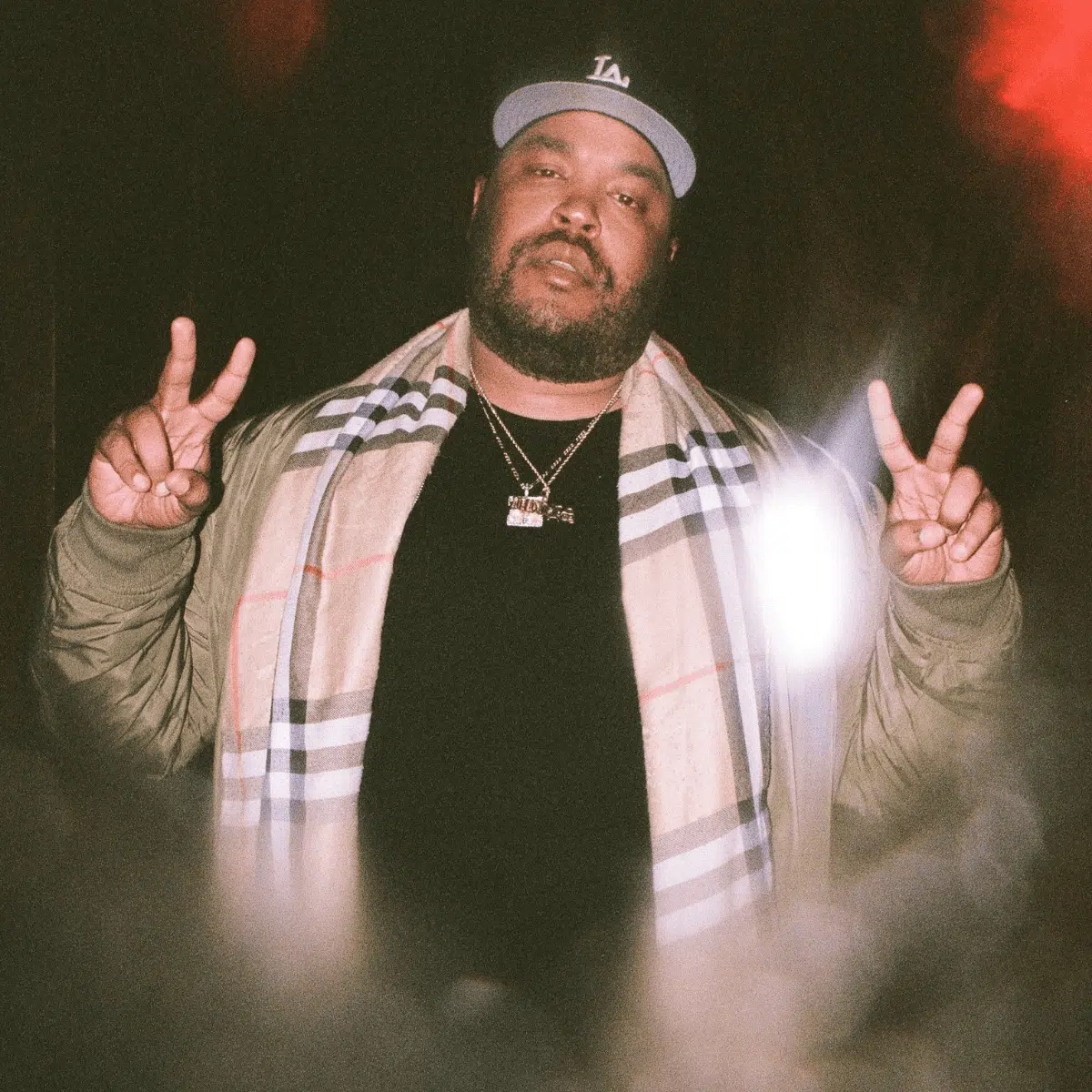
Eddy Baker’s melodic approach and consistent output have made him a respected figure in cloud rap’s underground scene.
His ability to blend singing and rapping over atmospheric production helped expand the genre’s emotional range. As a member of TeamSESH, he represented the more melodic, R&B-influenced side of cloud rap.
His willingness to embrace vulnerability and emotional expression in his music helped pave the way for the emo rap movement, showing that cloud rap could be a vehicle for genuine emotional connection.
Key Achievements: Released over 30 projects as a member of TeamSESH, showcasing remarkable productivity, and developed a distinctive melodic style that influenced cloud rap’s evolution toward more sung vocals.
Toured extensively across North America and Europe, building a loyal international fanbase while maintaining underground credibility and experimenting with accessible melodic approaches.
18. dylAn (dylAn Ross Pillow)
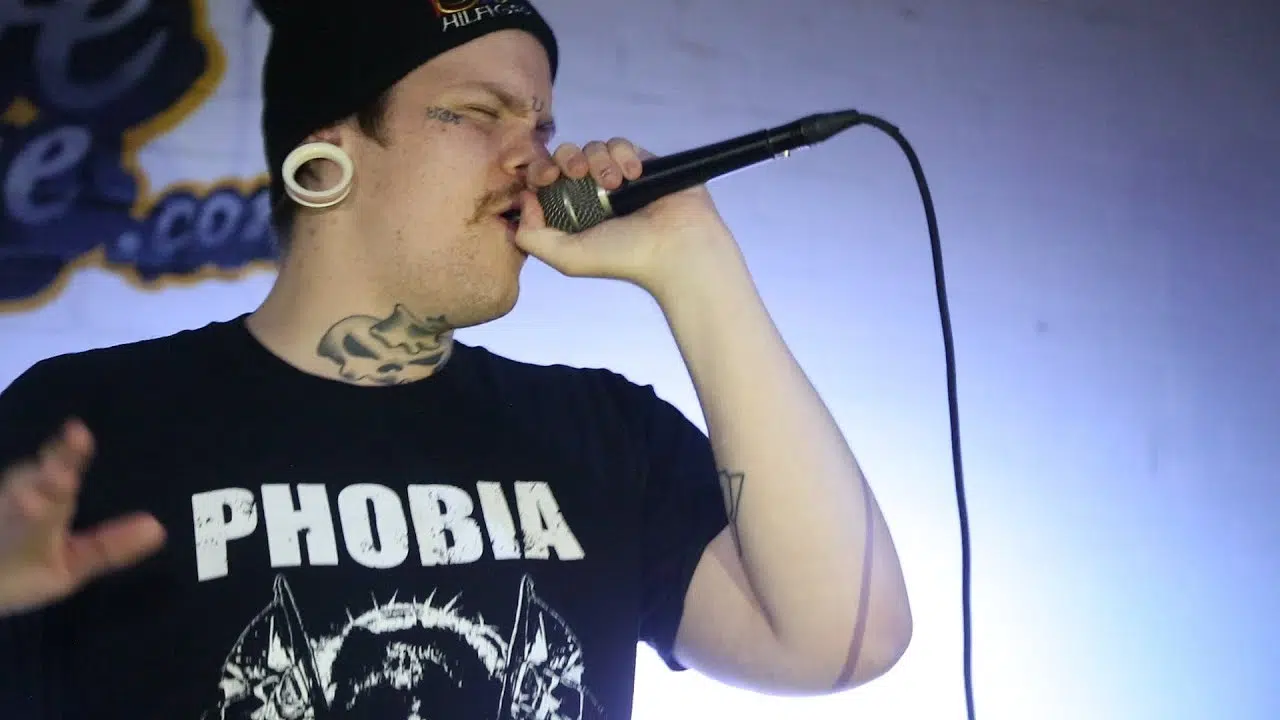
Part of the SHWB collective, dylAn’s production and rap work exemplifies the genre’s DIY spirit and internet-native distribution model.
His involvement in multiple collectives showcased cloud rap’s collaborative nature and community-building aspects. His lo-fi production aesthetic and willingness to experiment with unconventional song structures made him a favorite among purists.
His work demonstrated how cloud rap could exist as a purely internet-based phenomenon, with artists building substantial audiences without any traditional industry infrastructure.
Key Achievements: Released numerous projects that captured cloud rap’s lo-fi aesthetic at its purest, with his production work helping establish the sound of mid-2010s SoundCloud rap.
Part of the influential SHWB collective that operated as a network of like-minded cloud rap artists, demonstrating how the genre could exist entirely outside traditional music industry structures.
19. Yung Simmie
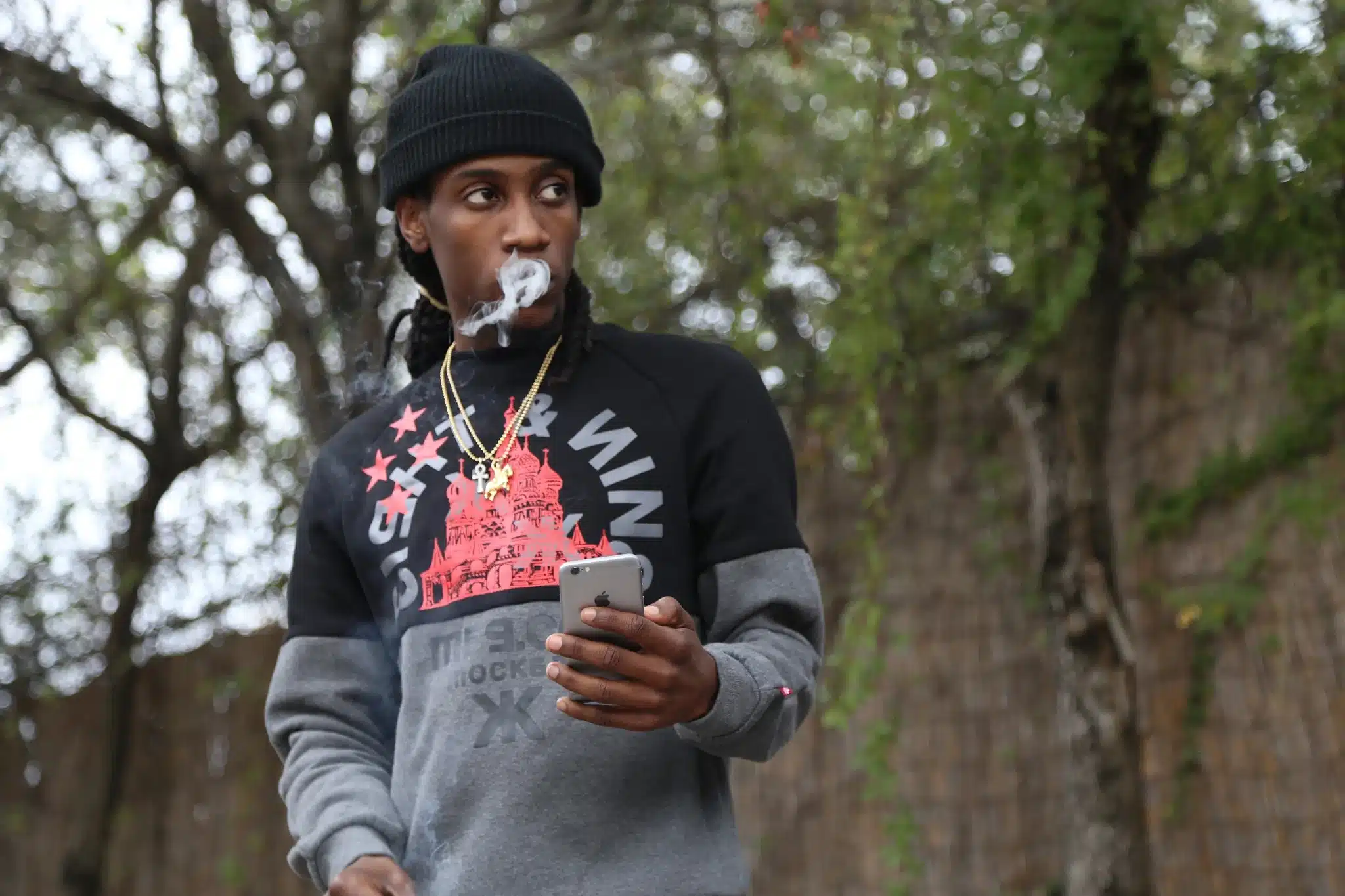
Miami rapper Yung Simmie combines cloud rap production with traditional Southern rap flows, creating a bridge between regional styles.
His versatility allowed him to work effectively within both cloud rap’s atmospheric framework and more aggressive street rap contexts.
As a member of Raider Klan, he represented the Florida perspective within cloud rap, bringing Miami’s unique energy to the genre’s typically more subdued aesthetic.
His ability to balance experimentation with traditional rap fundamentals made his music accessible to fans of both cloud rap and Southern hip-hop.
Key Achievements:Released multiple projects, including the “Shut Up and Vibe” series, that showcased Miami’s unique take on cloud rap aesthetics, gaining underground recognition.
Successfully balanced cloud rap’s experimental nature with Southern rap’s traditional focus on lyricism and storytelling, maintaining a consistent presence in Florida’s underground scene.
20. Key Nyata
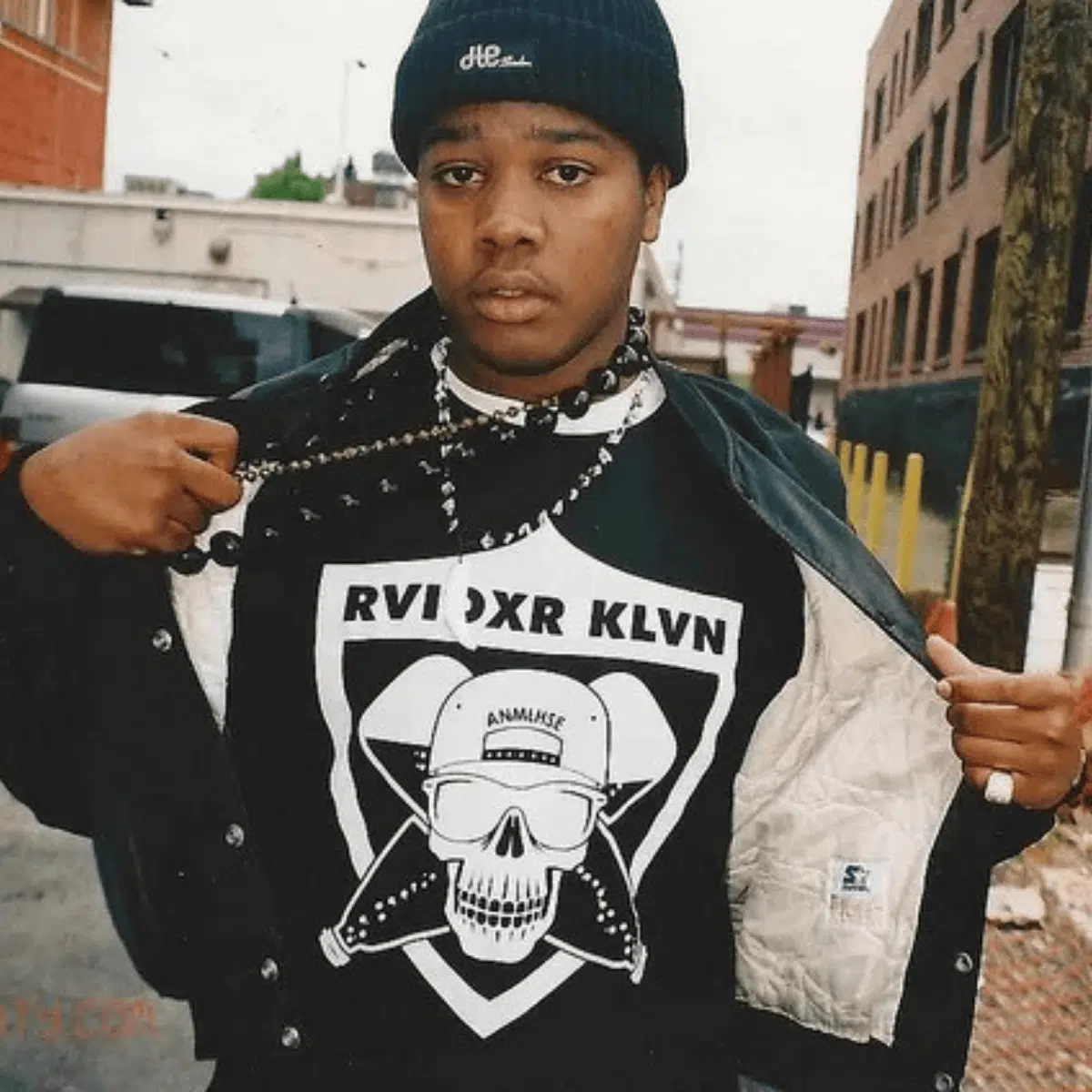
Key Nyata’s work with Main Attrakionz and his solo material helped establish the Bay Area’s cloud rap identity.
His production and rapping brought a West Coast perspective that differed from the genre’s East Coast and Southern variants.
His ability to incorporate elements of Bay Area hyphy music into cloud rap’s atmospheric framework created a distinct regional sound.
His collaborative spirit helped build connections between Bay Area artists and cloud rap scenes in other regions, demonstrating the genre’s ability to adapt to different regional traditions.
Key Achievements: Produced and contributed to several Main Attrakionz projects that defined Bay Area cloud rap, showcasing a unique blend of hyphy influences with atmospheric production.
Helped connect cloud rap to the Bay Area’s rich hip-hop tradition, releasing solo projects that demonstrated how regional sounds could influence and diversify the genre.
21. Suicideboys
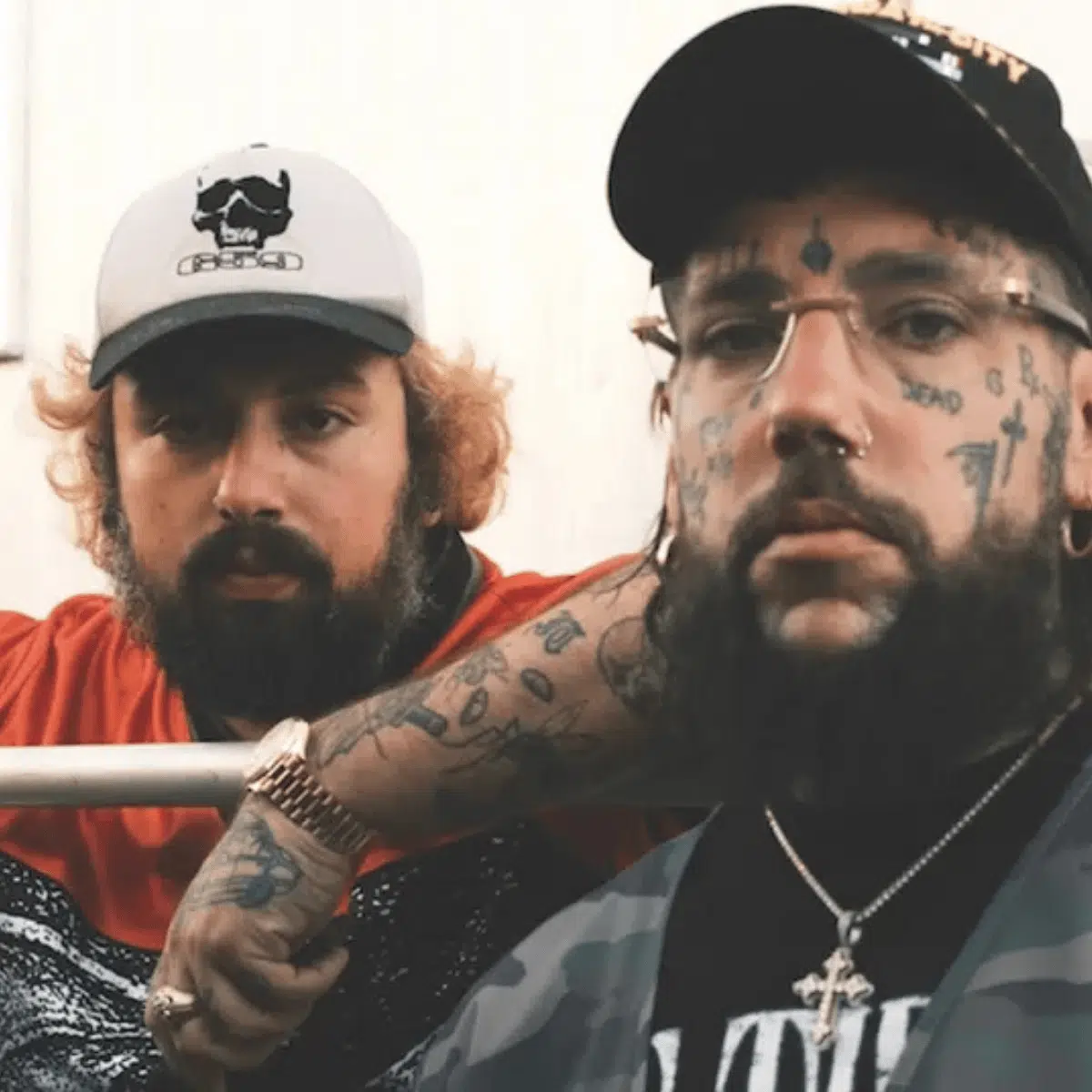
The New Orleans duo Suicideboy took cloud rap’s dark aesthetic to commercial success, blending the genre with punk and metal influences.
Composed of cousins Ruby da Cherry and $lick $loth, they built one of underground hip-hop’s largest fanbases through relentless touring and prolific releases.
Their aggressive, distortion-heavy take on cloud rap created a sound that appealed to fans of extreme music beyond hip-hop.
Their success proved that cloud rap’s aesthetic could scale to arenas while maintaining underground credibility, inspiring countless artists to pursue independent careers.
Key Achievements: Amassed billions of streams across platforms without traditional radio play initially, with their 2018 album “I Want to Die in New Orleans” debuting at number seven on the Billboard 200.
Sold out arenas and headlined major festivals worldwide, with their annual Grey Day Tours becoming events drawing tens of thousands of fans, proving cloud rap’s commercial viability.
Top Classic Cloud Rap Albums
The “classic” era of cloud rap set the blueprint for a lot of what came after melodic rap, internet-first scenes, and the wide, spacious production you hear across modern hip-hop.
These albums aren’t just popular picks; they helped define the sound, the visuals, and the feeling that made cloud rap stand out.
1. AAPRocky−“Live.Love.AAP Rocky – “Live.Love.A APRocky−”Live.Love.AAP” (2011)
This mixtape introduced cloud rap to mainstream audiences. Clams Casino’s production on tracks like “Wassup” and “Bass” created the template for commercial cloud rap success.
A$AP Rocky’s charismatic delivery and fashion-forward image made the genre accessible to a broader audience.
Impact: Received universal critical acclaim from Pitchfork, Complex, and The Fader. Established A$AP Rocky as a star and led to a major label deal. Songs like “Peso” and “Purple Swag” became anthems that defined early 2010s hip-hop culture.
2. Clams Casino – “Instrumentals” (2011)
This instrumental mixtape compiled beats Clams Casino produced for various artists. Tracks like “I’m God” became iconic representations of the genre, showcasing how instrumental hip-hop could evoke powerful emotions through atmosphere alone.
Impact: Received widespread critical praise from Pitchfork (8.3 rating). “I’m God” became one of the most recognizable beats of the 2010s. Established Clams Casino as hip-hop’s foremost atmospheric producer.
3. Lil B – “Rain in England” (2010)
The album’s atmospheric production and stream-of-consciousness lyrics encapsulate cloud rap’s experimental spirit and DIY ethic. Tracks range from introspective and melancholic to absurdist and playful.
Impact: Though polarizing upon release, the album is now recognized as a foundational cloud rap document. Its experimental nature helped establish that cloud rap could be a vehicle for personal expression beyond traditional hip-hop norms.
4. Main Attrakionz – “808s & Dark Grapes II” (2011)
This album captures cloud rap at its most psychedelic. The Bay Area duo’s laid-back flows over hazy, sample-heavy beats created a druggy atmosphere that became synonymous with the genre.
Impact: Received critical acclaim from Pitchfork and Spin for its cohesive atmosphere. Helped establish the Bay Area as a significant cloud rap hub. The production became a blueprint for atmospheric, sample-based beat making.
5. Yung Lean – “Unknown Memory” (2014)
Yung Lean’s debut studio album brought polish to cloud rap’s lo-fi aesthetic. The melancholic mood and internet-culture references resonated with a young, online audience.
Impact: Debuted at number 26 in Sweden and received international attention. The single “Yoshi City” became a viral hit. Demonstrated that cloud rap could succeed commercially outside the United States.
6. Bones – “Garbage” (2014)
One of many prolific releases from Bones, “Garbage” showcases his versatility within cloud rap. The project moves between aggressive tracks and atmospheric cuts, demonstrating the genre’s range.
Impact: Solidified Bones’ status as underground hip-hop’s most prolific artist. Songs like “Dirt” and “Rest In Peace” became fan favorites. Demonstrated that cloud rap could maintain underground credibility while achieving significant streaming numbers.
7. Lil Ugly Mane – “Mista Thug Isolation” (2012)
This album combines cloud rap’s atmospheric production with Memphis rap’s aggression. Travis Miller’s technical prowess as both rapper and producer shines throughout.
Impact: Widely considered one of underground hip-hop’s essential albums of the 2010s, and received critical acclaim from Pitchfork. Its combination of experimental production and traditional rap structure influenced artists across multiple subgenres.
8. SpaceGhostPurrp – Mysterious Phonk: The Chronicles of SpaceGhostPurrp (2012)
SpaceGhostPurrp’s project pulls from 1990s Memphis rap and pairs it with hazy, modern production. The heavy bass and dark, chopped samples create an ominous mood throughout.
Impact: It’s often credited with helping define the “phonk” sound and influencing later Southern-leaning underground rap. It also shaped early aesthetics in the scene, with shadowy, horror-themed visuals that later artists echoed.
9. A$AP Rocky – At.Long.Last.A$AP (2015)
More polished and mainstream than his early mixtape work, this album still carries apparent cloud rap influence, especially in its spacey, psychedelic textures. Tracks like “L$D” keep that hazy, dreamlike mood, but within a major-label album that’s built for a broad audience.
Impact: The album debuted at No. 1 on the Billboard 200, and “L$D” became one of Rocky’s biggest songs while staying true to the genre’s trippy, atmospheric style. It showed that cloud rap’s sound and visuals could work in commercial hip-hop without losing their identity.
10. Yung Lean – “Stranger” (2017)
This album represents cloud rap’s maturation. Yung Lean’s improved technical skills and more cohesive production create a project that balances accessibility with experimental elements.
Impact: Received widespread critical acclaim, with Pitchfork rating it 7.5. Showed Lean’s artistic growth and proved that cloud rap artists could evolve beyond their initial internet fame, successfully balancing Lean’s established aesthetic with growth and experimentation.
The Legacy and Future of Cloud Rap
Cloud rap’s influence reaches far beyond its early scene. Mainstream artists like Travis Scott, Playboi Carti, and Lil Uzi Vert borrowed its hazy synths, roomy drums, and melodic flows, bringing that mood to huge audiences.
The movement also changed how artists grow: internet-first releases, direct fan building, and SoundCloud-era drop patterns made it easier to share music without traditional gatekeepers.
Producers helped set today’s rap sound. Heavy reverb, airy pads, pitched vocals, and wide mixes moved from niche techniques to standard tools in modern hip-hop.
Cloud rap also kept branching out. Offshoots like plugg, drain, and atmospheric trap took different parts of the blueprint, minimal drums, floating melodies, or icy textures, and pushed them in new directions.
Scenes in Sweden, Canada, the UK, and beyond show how global the style has become.
Conclusion
Cloud rap became a turning point in modern hip-hop because it changed both the sound and the playbook. It proved that a song didn’t need a colossal hook or traditional radio structure; a hard atmosphere could be the main event.
The genre also normalized a more emotional, surreal, and sometimes vulnerable tone, while producers pushed spacious mixes, dreamy samples, and vocal effects that later became common across rap.
Cloud rap proved how strong internet-first music can be. Artists built real careers by releasing online, growing direct fanbases, and shaping their own image outside traditional industry systems.
Which cloud rap era do you prefer, the early lo-fi, hazy mixtape sound or the newer polished, melodic wave? Share your top album or artist.